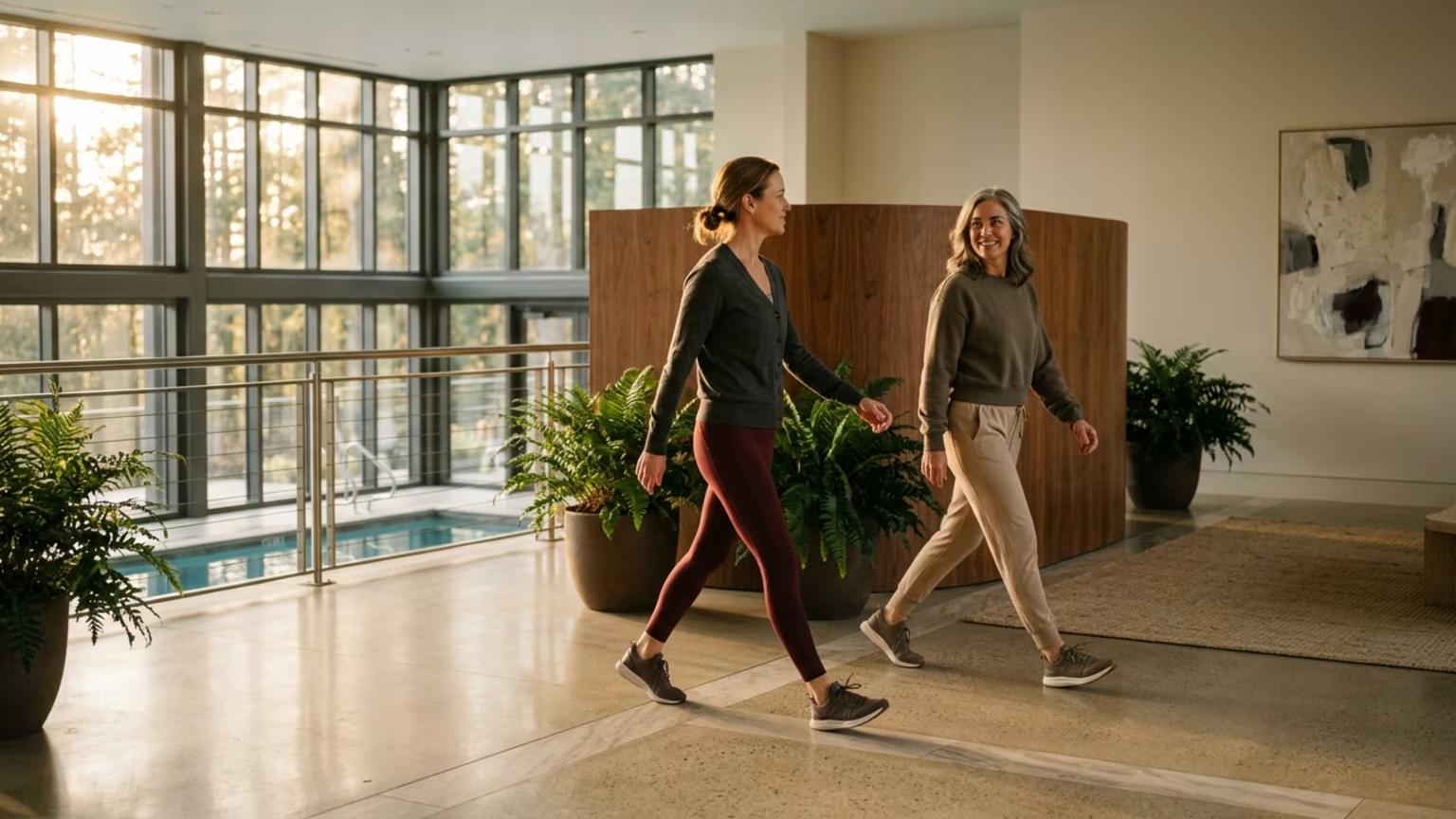

A new BMJ meta-analysis reveals that two to three hours of brisk walking or mixed aerobic-resistance training effectively preserves bone strength after 40.





On September 9, 2026, a new hierarchical network meta-analysis published in the BMJ and indexed in PubMed revealed exactly how specific exercises preserve skeletal strength for adults over forty. The researchers analyzed 124 randomized controlled trials involving 18,429 participants. They found that brisk walking and combined aerobic-resistance training offer the most favorable estimates for mitigating age-related bone mineral density decline. For adults who want to secure lifelong travel capability, these findings provide a precise benchmark for tuning weekly training routines.
ScienceAlert reported that the authors found structured exercise associated with a modest yet clinically meaningful mitigation of age-related bone mineral density decline. This effect was measured at the lumbar spine, femoral neck, and total hip. Age-related decline in bone mineral density is strongly associated with reduced bone strength and increased fracture risk. This means preserving that density is a requirement for maintaining an active lifestyle.
The researchers used Bayesian network meta-analysis and dose-response modeling to evaluate various training modalities. They reviewed data from PubMed, Embase, the Cochrane Library, and Web of Science through January 2026. The most compelling signal favored brisk walking or jogging across multiple skeletal sites. Combined aerobic-resistance exercise also ranked alongside brisk walking or jogging for lumbar-spine improvements.
The numbers tell a clear story about specific skeletal benefits. At the lumbar spine, both brisk walking and combined aerobic-resistance exercise were associated with a mean density difference of 0.013 g/cm² compared with controls. For total-hip density, brisk walking was the only modality identified as potentially providing the greatest benefit. It showed an estimated mean difference of 0.021 g/cm², with a 95 percent credible interval of 0.005 to 0.038 g/cm².
We know from experience that targeted, precise routines matter significantly more than simply working hard. After a grueling thirty hour transit to Tokyo, I realized my old strategy of just powering through was no longer working. I felt foggy for three days. I started digging into circadian biology and realized that timing my light exposure and fasting during the flight could completely shift my recovery.
Now, I never board a long haul flight without a precise schedule for when to eat and when to put on an eye mask. It is the difference between losing a week of your trip and hitting the ground running. At WealthAtPlay, we view exercise science through this exact same lens of deliberate timing and dosage. This BMJ study reinforces that more exercise is not automatically better for your skeleton.
The researchers found generally inverted-U-shaped dose-response relationships in the data. This indicates that pushing past a certain weekly volume does not necessarily deliver proportionally greater bone density benefits. The analysis therefore does not support automatically increasing your weekly training volume indefinitely in pursuit of stronger bones. It is crucial to balance your workload properly to see sustained results over time.
The researchers estimated that a minimally clinically important difference requires a specific volume of activity. They pointed to approximately 400 MET-minutes per week for lumbar-spine density and approximately 600 MET-minutes per week for femoral-neck and total-hip density. ScienceAlert reported that 600 MET-minutes translates into roughly two to three hours of brisk walking or jogging. This equates to approximately 40 minutes on four days per week.
Alternatively, you could hit this target with about 25 minutes of movement on six days per week. While casual walking routines often miss the mark when performed without enough intensity, brisk walking delivers a clear and measurable stimulus. The study did not establish that one specific calendar arrangement is universally superior. The goal is to build a resilient weekly portfolio of weight-bearing aerobic activity and appropriately programmed resistance exercise.
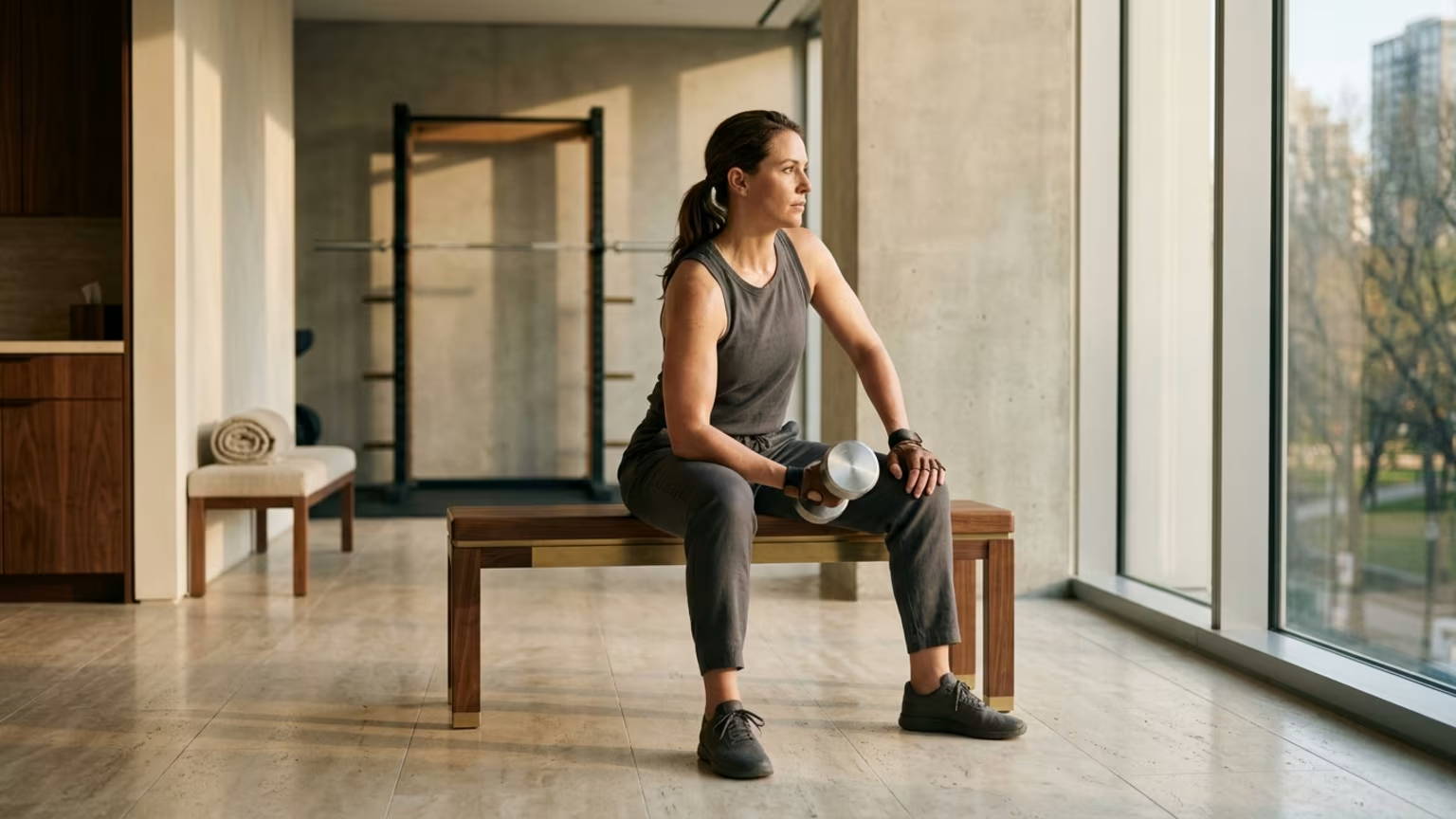
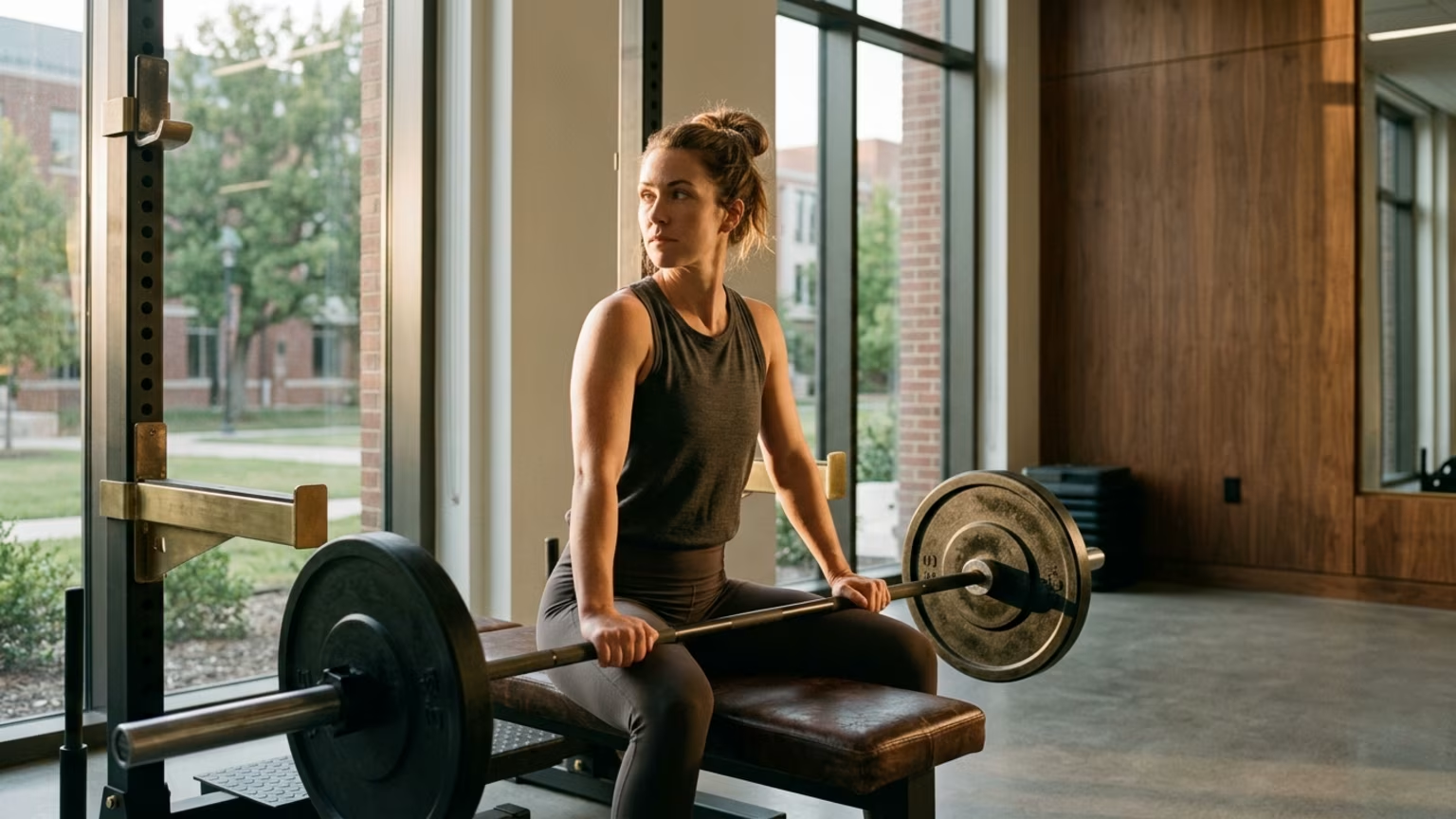
For active adults who already follow a rigorous strength program, this research validates a concurrent training approach. Combined aerobic-resistance exercise ranked alongside brisk walking or jogging for lumbar-spine improvements, showing an estimated improvement of 0.013 g/cm² compared with non-exercise controls. This finding supports retaining resistance work while adding regular weight-bearing aerobic activity rather than choosing one mode exclusively.
The included interventions varied across trials, and the network analysis compared categories of exercise rather than identifying one definitive lifting routine. This means you have the flexibility to select resistance exercises that fit your personal preferences and physical capabilities. A mixed weekly plan is a highly rational option for adults who want both skeletal reinforcement and broad cardiovascular benefits. It perfectly aligns with building strength and endurance together as you age.
The evidence also highlighted important variations among different participant groups. Exercise effects appeared more pronounced in middle-aged participants and people with a healthy body mass index. Conversely, the density responses were less pronounced among older adults and participants with overweight or obesity. The researchers noted that these findings are promising but the certainty of evidence ranged from low to moderate.
In a low-certainty fracture analysis involving 26 trials and 11,132 participants, mixed aerobic exercise was associated with lower fracture odds. Mixed aerobic exercise showed an odds ratio of 0.29, with a 95 percent credible interval of 0.11 to 0.78. Meanwhile, mind-body exercise had an odds ratio of 0.58 with a 95 percent credible interval of 0.36 to 0.93. At the femoral neck, mind-body exercise was also associated with an estimated density improvement of 0.007 g/cm².
These findings suggest that lighter movement practices may still offer protective value, even if they do not build raw density like brisk walking. However, the fracture evidence was rated low certainty, meaning these modalities should not be interpreted as definitive proof of fracture prevention for all adults. The study supports exercise as an accessible and cost-effective adjunct to pharmacotherapy, but it does not replace individualized clinical care. Active adults should treat these numbers as a sensible framework rather than an ironclad guarantee.
Maintaining strong hips and a resilient spine changes how you handle demanding environments. When you hike at altitude or navigate uneven cobblestone streets, structural strength dictates your stamina and comfort. Mixed aerobic-resistance training ensures your skeletal frame can absorb the repetitive impact of downhill skiing or carrying heavy luggage. Without that baseline bone strength, active adults face slower recovery times after long days of travel.
The beauty of the two-to-three-hour benchmark is its portability across different time zones. You can easily maintain forty minutes of brisk walking while adjusting to a new city or preparing for a mountain trek. This accessible routine keeps your weekly volume steady without requiring specialized gym equipment on the road. For adults who already lift weights regularly, adding regular brisk walking supports lumbar-spine density while enhancing cardiovascular endurance for long excursions.
This precise approach ensures you do not waste energy on inefficient workouts while traveling. Knowing that an inverted-U dose-response curve exists means you can stop feeling guilty about skipping massive marathon sessions. You only need to hit the recommended threshold of targeted movement to support your bone health. This leaves you with more time and energy to fully enjoy your global itineraries.
Combine two to three hours of brisk walking with your regular resistance training to actively preserve the skeletal strength required for your most demanding physical pursuits.
Stay connected for research and practical guidance on longevity, strength, recovery, energy and active living. New ideas to help you stay capable, curious and ready for more.



Explore practical guidance on strength, recovery, energy, travel and longevity for a life that stays active.
explore the Blog