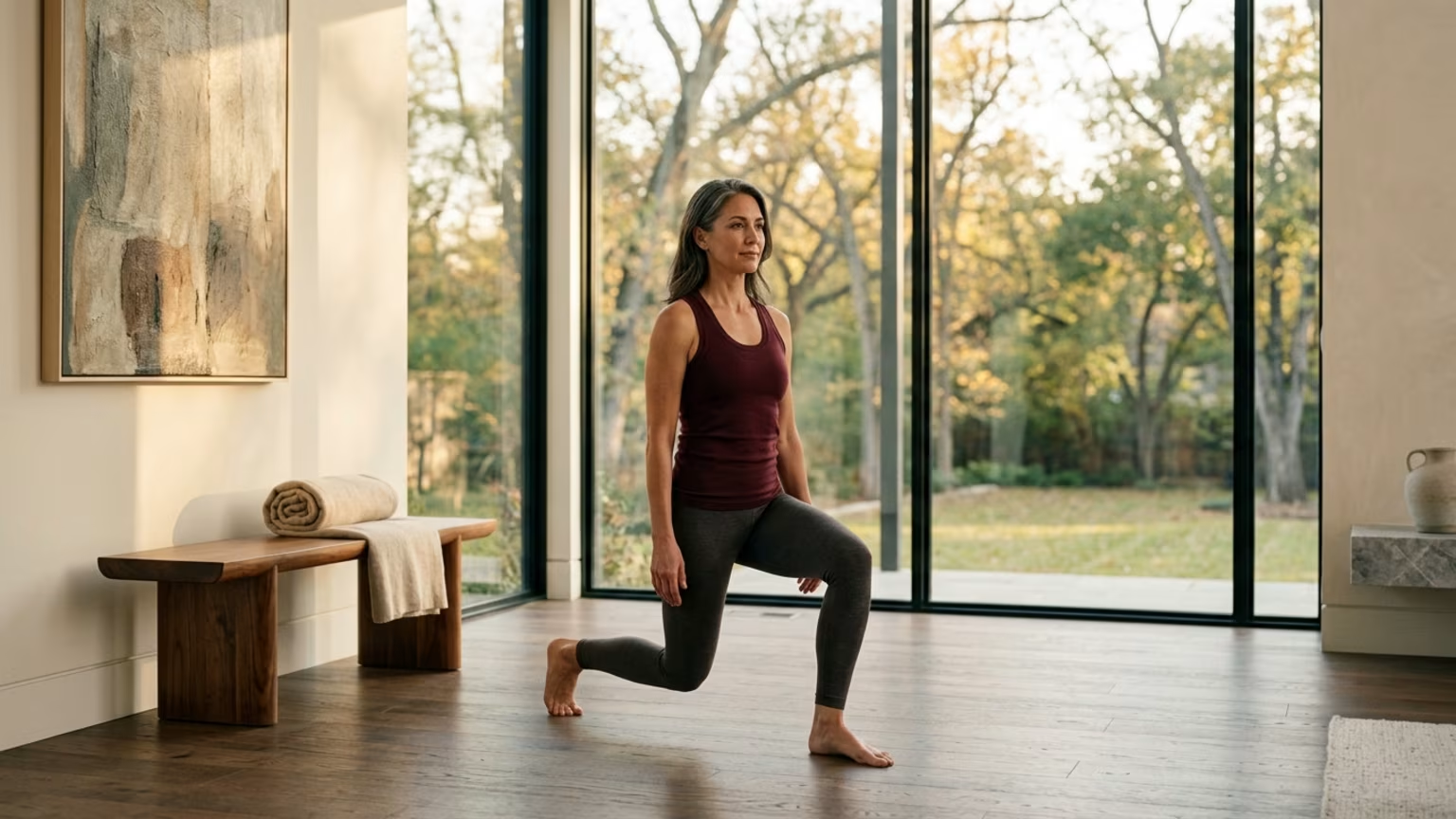

A recent report examines how a 10-minute daily resistance habit helps active adults over 40 maintain muscle mass and physical independence.





On October 4, 2026, a report published by Fox News highlighted a highly practical approach to preserving muscle and mobility. The coverage centered on advice from 63-year-old Los Angeles fitness entrepreneur and BODi co-founder Carl Daikeler. His core recommendation focuses on very short daily resistance sessions to help adults over 40 maintain their physical independence. For active adults, staying strong is about having the physical capacity to handle demanding sports and live life on your own terms.
The conversation around fitness is shifting rapidly from extreme optimization to sustainable preservation. We know that maintaining physical independence requires deliberate and consistent effort over time. The challenge is finding methods that actually fit into a life filled with professional demands, family commitments, and international travel. The October 4 report suggests that shifting our perspective on workout duration might provide a highly workable solution.
A targeted home-based routine can keep essential muscle groups engaged without requiring hours of free time. This approach respects the reality of busy lives while prioritizing long-term physical capability. Finding the right balance between effort and recovery is essential for staying strong in the long run. Short habits offer a reliable way to maintain that delicate balance.
The concept of a minimum effective dose applies perfectly to resistance training for older adults. The recent report positions a 10-minute daily commitment as a baseline for keeping the muscular system active. While the article does not present a specific clinical trial testing this exact timeframe, it introduces a useful habit-building framework. The goal is to provide just enough stimulus to signal the body to retain its muscle tissue.
Federal guidelines suggest that adults need muscle-strengthening activities covering all major muscle groups at least two days per week. This official guidance also emphasizes the importance of pairing strength work with regular aerobic activity. Fox News summarizes these federal recommendations as a clear dual mandate for overall health. Daikeler describes muscle as the "coal" of the body, while framing cardiovascular exercise as the "stoking" of the furnace.
Both elements are entirely necessary for a fully capable physical system. You cannot neglect your heart health while trying to build physical strength, and you cannot ignore your muscles while focusing on endurance. Focusing on short intervals does not mean working the entire body every single day. An effective strategy involves rotating the focus across different areas throughout the week.
For instance, a person might target the chest and upper body one day, then shift to the legs and glutes the next. This rotation helps meet the federal recommendation for total body coverage over the course of the week. It also prevents the central nervous system from becoming overly fatigued by constant, full-body stress. By breaking the work into manageable pieces, the body has ample time to repair and reinforce the targeted tissues.
This short routine concept is particularly relevant for adults taking GLP-1 medications. The Fox News report notes that these individuals often seek ways to preserve muscle mass and bone density while losing weight. Although the article offers no specific clinical program for this group, consistent resistance work is a well-known priority. Maintaining lean tissue requires regular mechanical tension.
When the body is in a caloric deficit, it needs a strong signal to keep its valuable muscle mass intact. A brief daily resistance habit provides exactly that necessary signal to the metabolic system. For those seeking more significant weight loss, Daikeler suggests extending daily physical activity to 20 or 30 minutes. He emphasizes the need to balance strength training with cardiovascular exercise to achieve broader physical goals.
You should always view short resistance sessions as a complement to your aerobic work. Pairing them ensures you are supporting your heart while keeping your physical structure strong. Integrating daily habits that protect cardiovascular health remains crucial for your long-term vitality. A balanced approach is the only way to support lasting physical independence.
When discussing the motivation for consistent training, the focus must remain squarely on physical capability. Daikeler told Fox News that consistent resistance exercise can help strength and muscles return. He also noted that joints will begin to respond appropriately to the regular movement. His perspective comes from observing residents at his father’s assisted-living facility.
Seeing the direct consequences of physical decline makes the value of daily movement incredibly clear. We must maintain our physical infrastructure today to ensure our independence tomorrow. The goal of aging well is defined by what you can actually do in your daily life. According to the report, Daikeler stated that just ten minutes a day can help establish, build, and maintain muscle.
He frames this short daily commitment as a necessary tool for long-term mobility. The priority is ensuring the body remains a capable vehicle for your lifestyle. The specific exercises matter less than the consistency of the mechanical stimulus applied to the body. Daikeler shared that his own personal goal is to stay able to "walk and talk at the same time" well into his 90s.
This statement perfectly captures why active adults should commit to regular resistance training. We train to ensure that our physical function never limits our choices. Strength is simply the currency that buys continued independence. Viewing fitness through this lens transforms it from a chore into a highly valuable daily investment.
Prioritizing resistance training for longevity is the most reliable path to staying physically resilient. Frequent travel often disrupts established fitness routines and reduces overall physical readiness. A 10-minute daily strength habit is exceptionally useful when navigating airports, crossing time zones, or sleeping in hotels. You do not need a fully equipped gym to activate your major muscle groups.
A quick session in a hotel room can maintain your physical baseline and prevent the stiffness that often follows long flights. The key to maintaining capability during adventure travel is having a routine that requires zero external equipment. When you travel to high altitudes for skiing or hiking, your body faces significant physiological stress. Long workouts can severely tax your central nervous system during the initial days of altitude adjustment.
A brief 10-minute resistance session keeps your muscles engaged without overwhelming your recovery capacity. It provides the mechanical stimulus you need while leaving you with plenty of sustained energy for the mountain. Managing your energy expenditure carefully allows you to enjoy your trip without feeling physically depleted. For adults who participate in demanding weekend sports, short daily sessions offer a way to stay primed without overtraining.
Heavy lifting sessions right before a ski trip or a long hike can leave your legs heavily fatigued. By relying on a brief minimum effective dose, you keep the muscles firing efficiently. This ensures your legs are fresh and capable when you actually need them on the trail. It is about training smarter and respecting the recovery demands of your specific athletic pursuits.
Consistency is always more valuable than occasional periods of extreme effort. You can easily integrate these short daily habits into your morning routine before a busy day of meetings or sightseeing. By rotating through your chest, upper body, and legs, you maintain structural integrity across your entire system. This consistent, low-barrier approach ensures you are always physically ready for whatever your itinerary demands.
A structured, predictable routine grounds you, even when your external environment is constantly changing. Active adults know that recovery becomes just as important as the training itself as we age. A short 10-minute session can actually serve as a form of active recovery on days between intense physical efforts. Light resistance movements help circulate blood into the muscle tissue without causing additional micro-tears.
This gentle stimulation can speed up the healing process after a long day of hiking or playing tennis. Moving the body lightly often provides more relief than complete, sedentary rest. When planning your weekly routine, it is wise to view these brief sessions as non-negotiable daily maintenance. Just as you would not skip brushing your teeth, you should not skip your daily muscular activation.
Even on a heavy travel day, ten minutes of squats and push-ups can completely reset your physical posture. It keeps the nervous system sharp and ready to coordinate complex movements. Taking ownership of this small daily window guarantees that your body remains prepared for action. The ultimate benefit of this approach is the freedom it grants you in your daily life.
You no longer need to feel guilty if you miss a scheduled hour-long gym appointment due to unforeseen commitments. Knowing that you can maintain your baseline strength in just ten minutes removes a significant source of stress. It empowers you to stay active, capable, and physically independent regardless of where your life takes you. Your physical capability becomes a permanent asset rather than a temporary state.
To maintain your strength and capability, integrate short, daily resistance sessions that rotate through major muscle groups while keeping your regular aerobic activity intact.
Stay connected for research and practical guidance on longevity, strength, recovery, energy and active living. New ideas to help you stay capable, curious and ready for more.



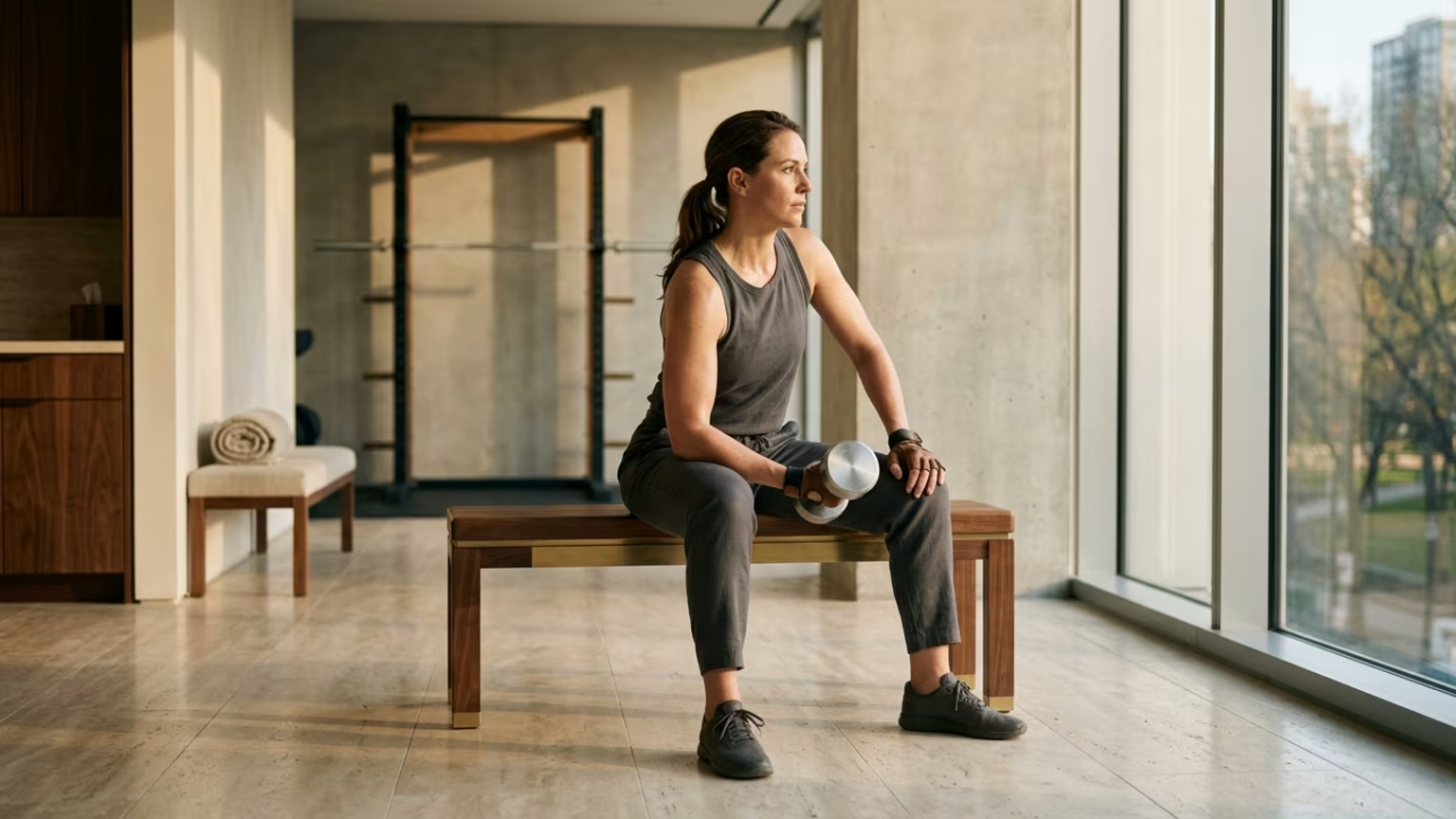
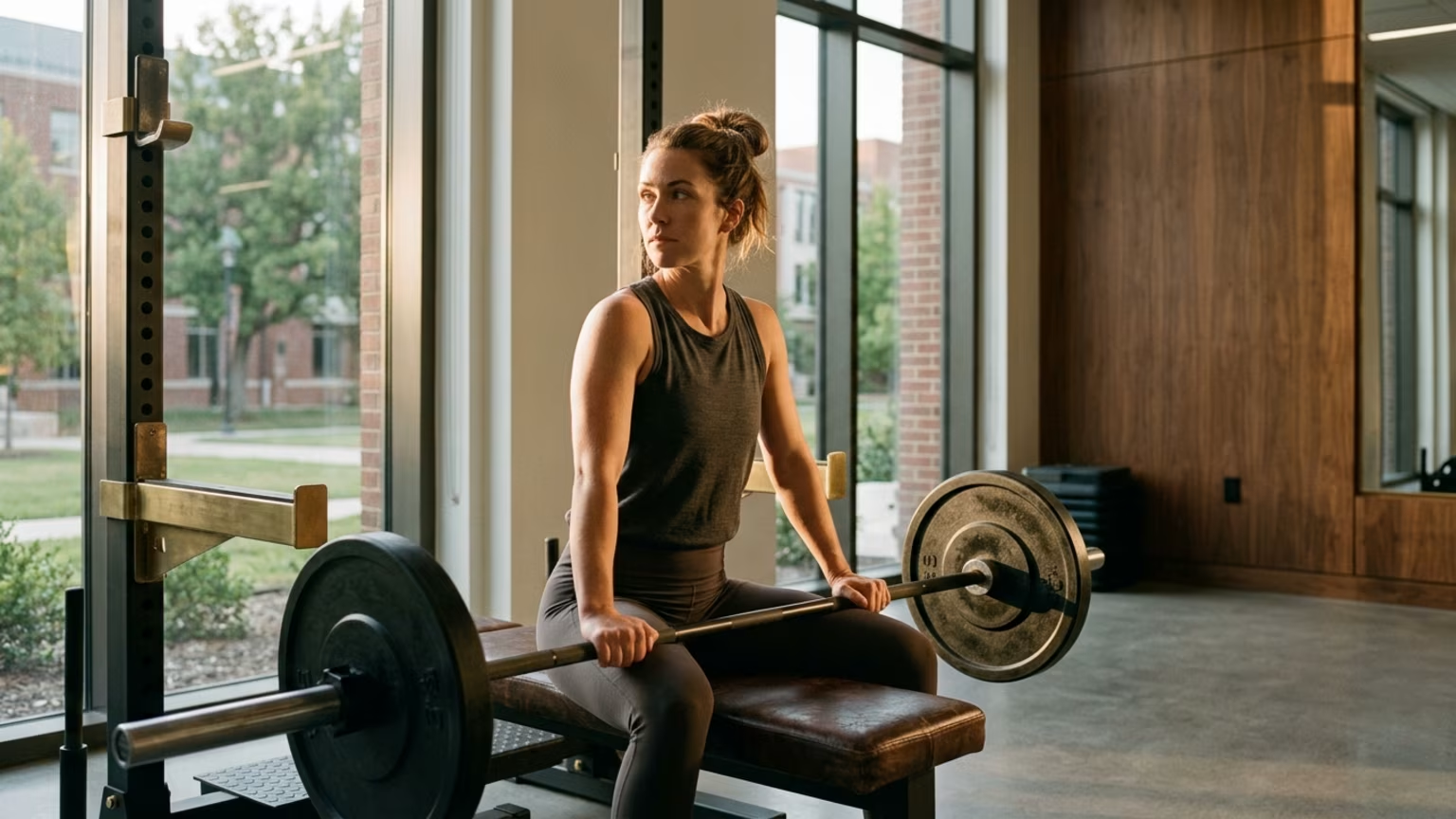
Explore practical guidance on strength, recovery, energy, travel and longevity for a life that stays active.
explore the Blog