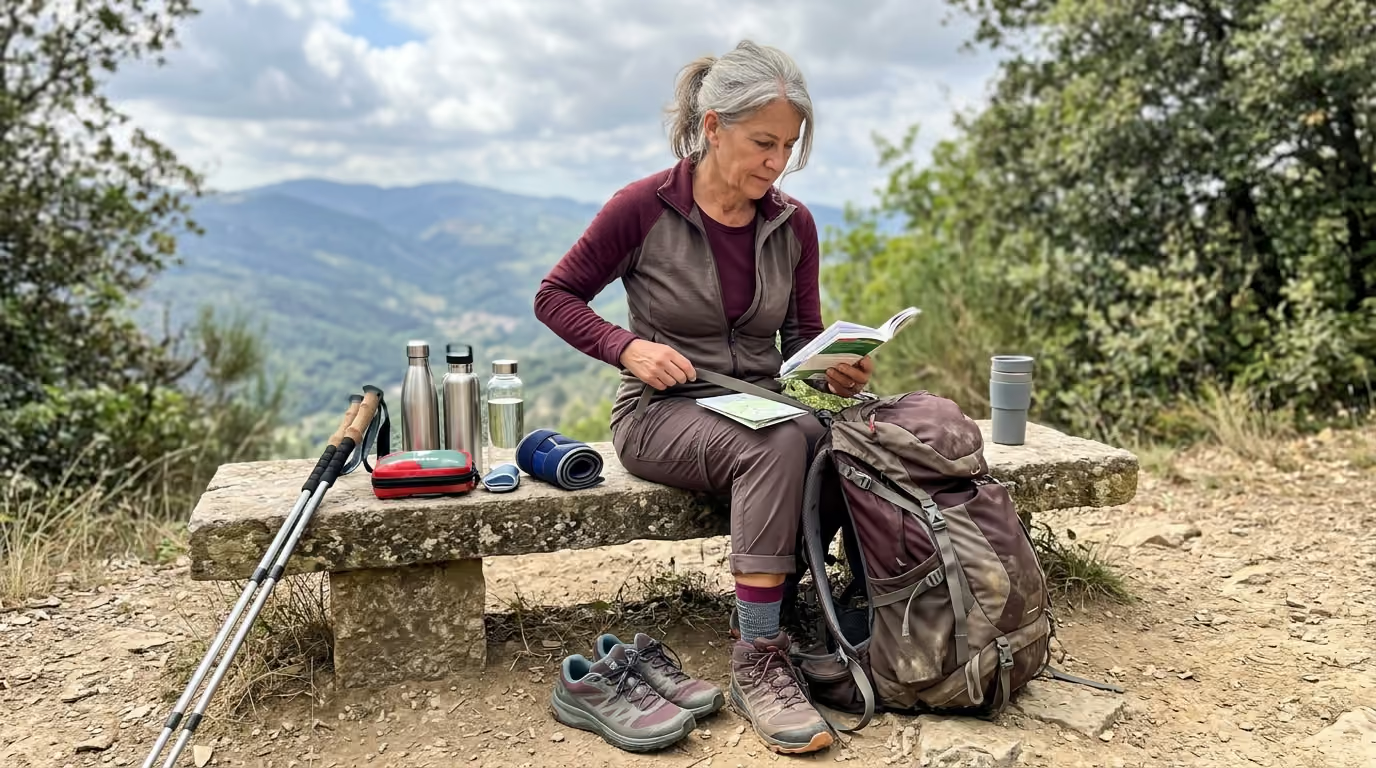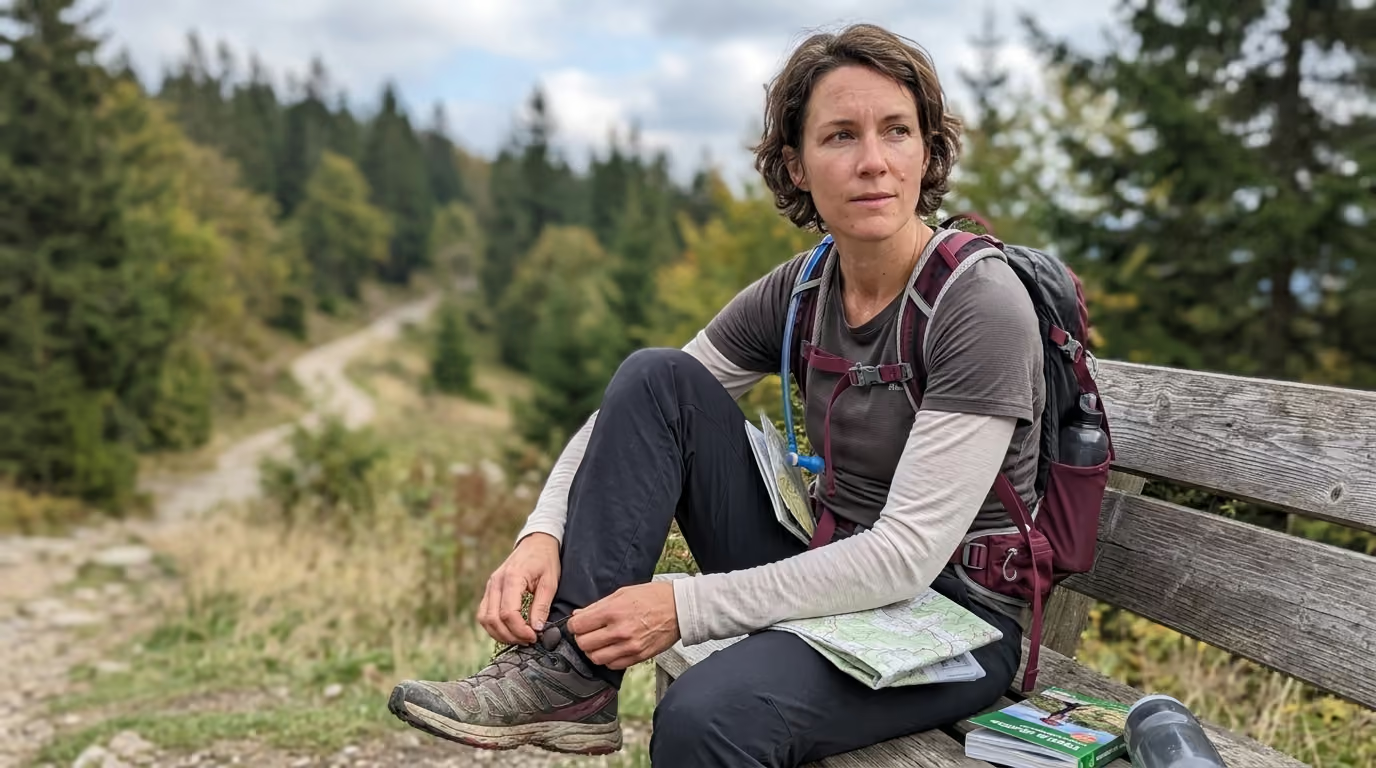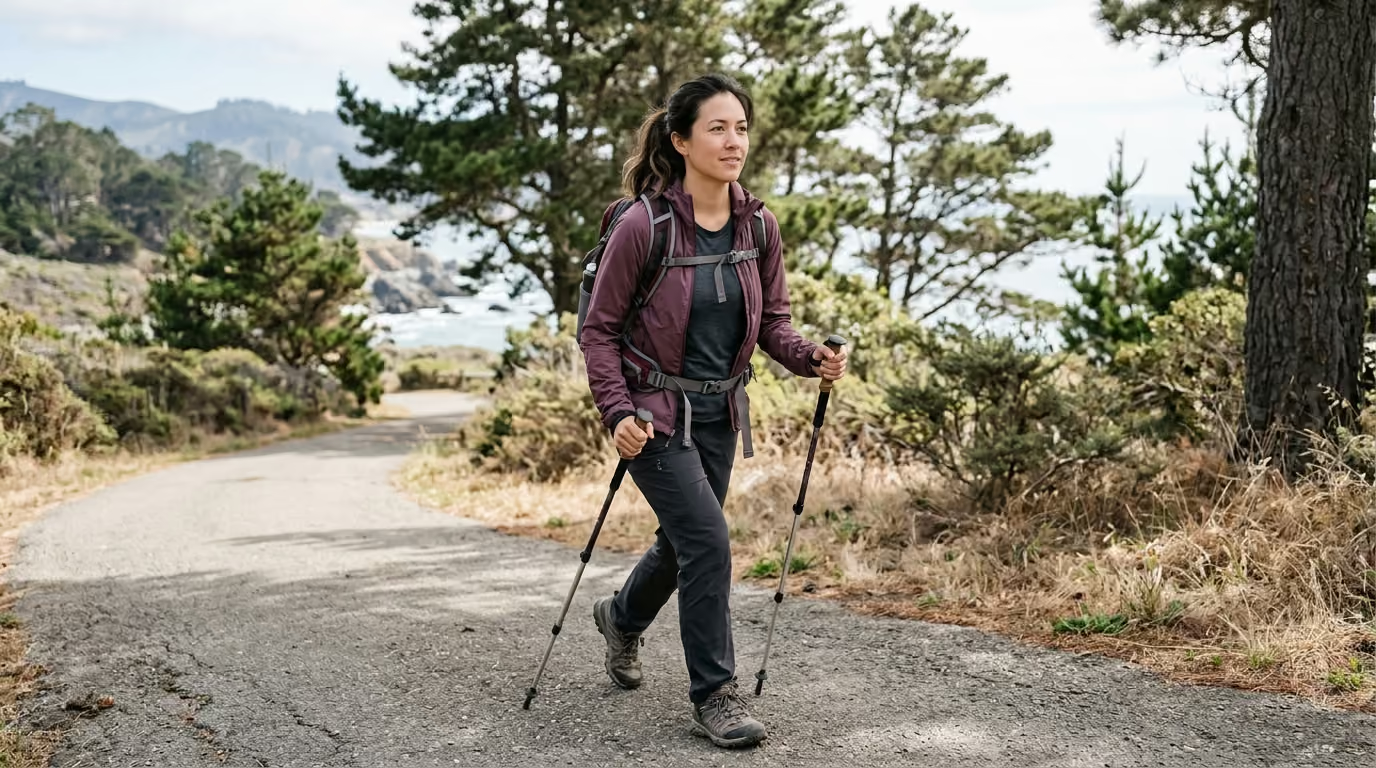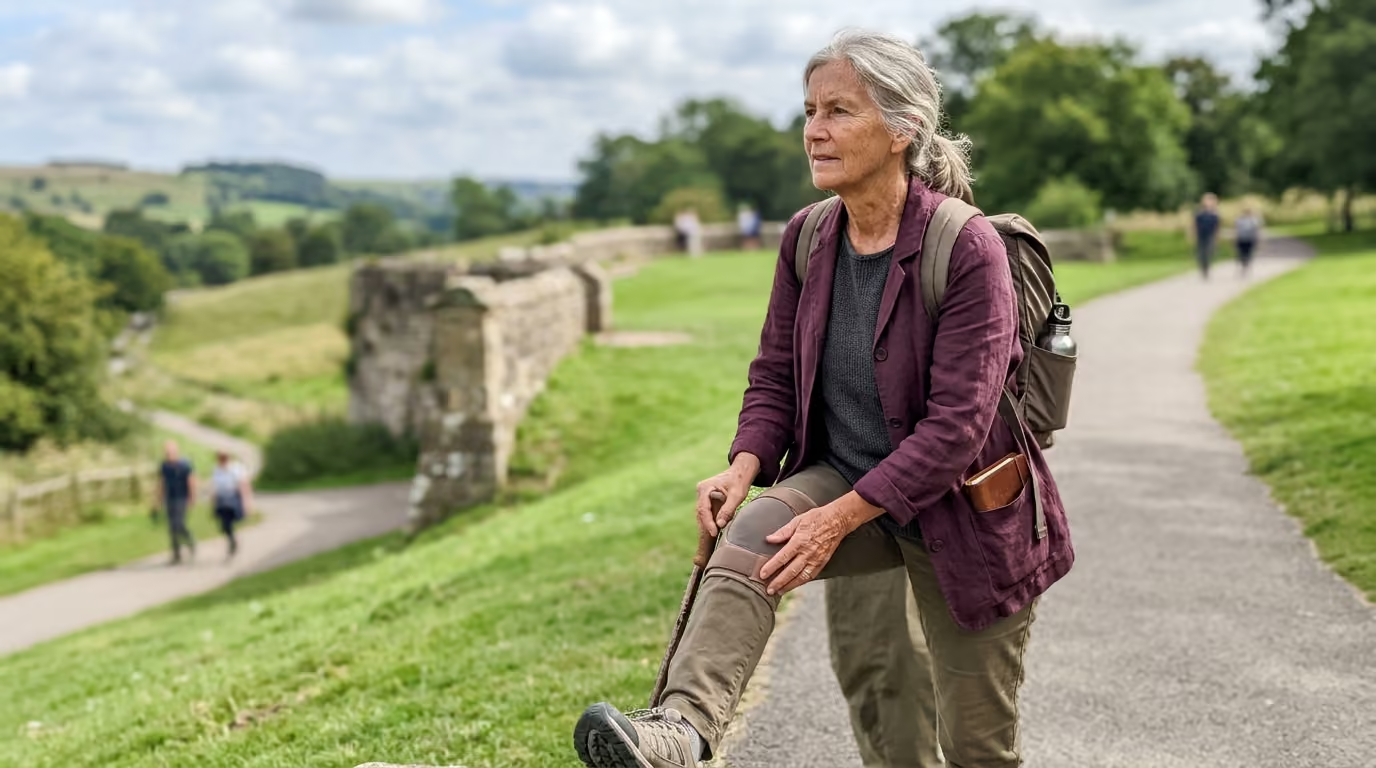

Two weekly strength training sessions combined with careful terrain planning help active adults with joint issues explore new destinations without severe pain flareups.





You step off an eight-hour flight into the warm evening air of a historic European city. Your bags are collected, and you face a steep flight of stone stairs leading out of the train station. A dull ache throbs in your left knee, while your lower back feels rigid from hours in a cramped airplane seat. The cobblestone streets ahead promise wonderful sights, but they also represent thousands of uneven impacts for your joints.
Travel should expand your world, not test your physical limits to the point of pain. For active adults navigating osteoarthritis, joint replacements, tendinopathy, or recurrent back sensitivity, travel requires a shift in perspective. You do not need to cancel ambitious itineraries or spend your vacation sitting in hotel lobbies. Instead, you need a clear framework for managing mechanical stress, matching terrain to your current capacity, and recovering efficiently between active days.
Physical activity remains the cornerstone of joint health. According to guidelines from the Centers for Disease Control and Prevention (CDC), adults with joint conditions benefit immensely from 150 minutes of moderate aerobic activity and two weekly strength sessions. The National Institute for Health and Care Excellence (NICE) similarly highlights therapeutic exercise as a primary intervention for joint osteoarthritis. The challenge during travel is that your overall physical load increases abruptly while your recovery opportunities decrease. By understanding how to balance these forces, you can explore new destinations with physical confidence and comfort.
At home, your physical routine follows a predictable rhythm. You know exactly how many stairs you climb, which chairs provide adequate lumbar support, and how far you can walk on familiar asphalt. Travel disrupts this baseline by introducing an unfamiliar combination of physical demands. Understanding the balance between your tissue capacity and your total daily travel load is the first step in avoiding severe symptom flares.
Physical stress while traveling extends far beyond formal workouts. Total daily load is the sum of every physical demand placed on your musculoskeletal system throughout the day. It combines total distance walked, hours spent standing on hard museum floors, elevation changes, surface stability, walking pace, and the weight of your luggage. Environmental factors such as extreme heat, altitude, and poor sleep also lower your physical resilience.
Two days with an identical count of 8,000 steps can place radically different demands on your body. A level stroll along a paved waterfront with frequent café stops creates low joint stress. The same step count across steep, uneven cobblestones while carrying a heavy daypack can quickly exceed your tissue tolerance. When planning your days, evaluate the difficulty of the task and the terrain rather than relying on step counts alone.
Your capacity is the volume of physical stress your joints, tendons, and muscles can absorb before becoming irritated. This capacity fluctuates based on recent training, sleep quality, and previous activity. When managing joint issues, it helps to categorize your current condition into one of three irritability levels:
If your joints are in a high-irritability state, schedule an evaluation with a physical therapist or physician before departure. For low to moderate irritability, proactive load management will keep you moving comfortably.
Tendon and joint rehabilitation research published in the Journal of Orthopaedic & Sports Physical Therapy emphasizes symptom response over complete pain avoidance. A minor increase in discomfort during activity is acceptable if your symptoms settle quickly. What matters most is how your body feels the following morning.
You can use a simple traffic-light system to assess your daily recovery:
By checking your 24-hour response every morning, you can make minor itinerary adjustments before a mild ache turns into a debilitating flare.
Different tissues respond to travel stress in unique ways. A strategy that protects an arthritic knee might not suit a sensitive Achilles tendon or a healing hip replacement. Tailoring your approach to your specific condition ensures optimal joint protection.
Osteoarthritis involves changes to cartilage, bone, and surrounding joint tissues. Contrary to outdated beliefs, cartilage requires movement to stay nourished. Joint compression and release during walking circulate synovial fluid, which supplies vital nutrients to the cartilage. However, excessive repetitive loading on unprepared joints triggers inflammatory flares and deep aching.
Travelers with knee or hip osteoarthritis often struggle with static standing and morning stiffness. Standing still in long museum lines creates continuous compression on the same joint contact points without the lubricating benefits of movement. To manage this, shift your weight frequently, perform gentle ankle circles, or take seated breaks every twenty minutes. Incorporating targeted performance and fitness routines into your daily schedule before departure builds muscular support around vulnerable joints.
Tendons connect muscle to bone and act as biological springs. Tendon problems, such as Achilles or patellar tendinopathy, react poorly to sudden spikes in volume, speed, or elevation. A sudden transition from flat neighborhood walks to steep mountain paths can overload tendon fibers, leading to localized pain and morning stiffness.
When managing a sensitive tendon during travel, avoid combining multiple new variables on the same day. Do not wear brand-new shoes, walk twice your normal distance, and tackle steep hills simultaneously. If your itinerary demands significant uphill walking, slow your pace and take smaller steps. Monitor the tendon closely the next morning to verify that the tissue tolerated the mechanical load.
Modern hip and knee replacements allow active adults to resume walking, swimming, cycling, and hiking. However, traveling with a prosthetic joint requires practical planning, particularly regarding travel timing and post-surgical recovery. Long journeys involve prolonged immobility, which can increase swelling in a recently operated limb.
Consult your orthopedic surgeon before booking long-haul flights or demanding excursions. The American Academy of Orthopaedic Surgeons (AAOS) recommends discussing air travel timing with your doctor. They note that cabin pressure changes and long periods of sitting can cause postoperative joint swelling. Inform airport security screeners about your artificial joint before passing through metal detectors, as modern implants frequently trigger security scanners.
Back and neck discomfort while traveling is rarely caused by walking. It is far more often triggered by awkward luggage lifting, prolonged sitting in unsupportive seats, and unfamiliar hotel pillows. Static sitting increases intradiscal pressure and places continuous strain on postural muscles.
Protect your spine by changing positions regularly during transit. Use a small lumbar roll or folded sweater behind your lower back to maintain a neutral spinal curve during long drives or flights. When lifting luggage from baggage carousels or overhead bins, keep the bag close to your body and pivot with your feet instead of twisting your torso. Pair these habits with systematic recovery and regeneration methods each evening to release muscular tension.
Many active travelers fall into predictable traps when trying to manage joint symptoms away from home. Recognizing these common errors helps you maintain joint comfort without unnecessary restrictions.
When a joint aches, the instinctive response is often to stop moving entirely and stay in bed. While acute trauma requires temporary offloading, complete rest is usually counterproductive for chronic joint and tendon conditions. Inactivity leads to joint stiffness, reduced blood circulation, and muscle weakness, which makes the next bout of walking even more painful.
NICE guidelines emphasize that therapeutic exercise and regular movement are vital components of osteoarthritis management. Instead of complete immobilization, choose low-load movement. A gentle twenty-minute flat walk or a brief session in a warm hotel pool maintains joint nutrition without placing excessive stress on sensitive tissues.
Many travelers assume that low-impact activities carry zero risk for joint flares. While cycling, swimming, and rowing eliminate heavy ground impact, they still impose muscular, tendon, and joint contact forces. A long, strenuous bike ride over hilly terrain can aggravate an arthritic knee or a sensitive patellar tendon just as quickly as a long walk.
Evaluate any activity by its overall mechanical demand rather than its impact category alone. Consider the resistance, cadence, duration, and joint range of motion required. If you choose to rent a bicycle on vacation, ensure the saddle height is adjusted properly to prevent excessive knee flexion.
Tracking daily steps is a popular way to measure physical activity, but it provides an incomplete picture of joint stress. A smartphone pedometer cannot distinguish between five miles on flat pavement and five miles over rugged mountain paths. It also fails to account for backpack weight, ambient temperature, or time spent standing still.
A reliable travel log considers the total physical context. Pay attention to how your joints respond to stairs, surface textures, and sustained standing. If your step count is low but your joints feel fatigued, trust your body over your fitness tracker and adjust your schedule accordingly.
Independent travelers often resist using airport assistance, walking canes, or public transit because they view them as personal setbacks. This mindset often leads to avoidable joint irritation early in a trip. Walking two miles through a massive airport terminal carrying luggage consumes valuable physical capacity before your vacation even starts.
Using available resources is a smart energy conservation strategy. Requesting electric cart transport at the airport or taking a scenic funicular up a steep hill preserves your joint capacity for the experiences you care about most. Mobility tools allow you to direct your physical energy toward enjoyable activities rather than logistical hurdles.
The physical environment of your destination dictates the mechanical forces transmitted through your lower limbs. Understanding how different surfaces affect your body allows you to choose appropriate routes and pacing strategies.
Old historic quarters feature irregular stone surfaces, loose gravel, and uneven curbs. Walking on uneven terrain requires continuous micro-adjustments from the stabilizing muscles of your feet, ankles, knees, and hips. This increases muscular fatigue and alters normal weight distribution across your joints.
When exploring historic centers, reduce your normal walking speed and focus on deliberate foot placement. Choose footwear with stable outsoles and supportive midsoles that shield your feet from sharp stone edges. If you have balance concerns, using a lightweight trekking pole or walking stick provides immediate stability and reduces joint loading.
Stairs and steep slopes multiply the forces acting on your joints. Walking uphill places high demands on your cardiovascular system, calf muscles, and Achilles tendons. Walking downhill imposes significant eccentric loading on your quadriceps and increases compressive forces behind the kneecap.
To manage steep descents, shorten your stride length and zigzag slightly across wide paths to reduce the effective slope angle. When navigating long flights of stairs, use handrails whenever they are available to distribute your body weight through your upper limbs. If one knee is particularly sensitive, lead with your stronger leg when stepping up and lead with the sensitive leg when stepping down.
Beach walking appears relaxing, but dry, loose sand is one of the most demanding surfaces for your lower body. Sand shifts beneath your feet, eliminating the energy return provided by firm ground. This forces your calf muscles, plantar fascia, and hip stabilizers to work significantly harder with every step.
If you enjoy coastal walks, begin on firm, wet sand near the water line where the surface is packed and stable. Limit your initial barefoot exposure to short intervals of ten to fifteen minutes. Walking barefoot on soft sand without adequate conditioning can rapidly irritate the Achilles tendon or the arch of your foot.
Weather and altitude influence how your musculoskeletal system feels and recovers. Cold mornings can increase joint stiffness and reduce soft tissue elasticity, requiring a longer warm-up before you begin walking. High heat and humidity accelerate dehydration, which impairs tissue recovery and increases overall fatigue.
At higher altitudes, your body works harder to deliver oxygen to working muscles, accelerating muscular exhaustion and compromising joint stability. Build extra rest breaks into your schedule when traveling in mountainous regions or hot climates. Drink water consistently throughout the day to support cellular hydration and joint health.
A successful trip depends on how well you structure your days. By applying smart itinerary architecture, you can prevent cumulative fatigue and protect your joints from unnecessary flare-ups.
Before departing, establish a baseline routine that you know your body can handle without joint irritation. This Minimum Viable Day serves as your reliable fallback plan if you experience travel delays, poor sleep, or a mild symptom flare.
A typical baseline day might include:
Knowing you have a comfortable, low-stress itinerary option removes the pressure to push through pain on days when your joints need a break.
Avoid locking yourself into rigid, non-refundable tour schedules that demand peak physical performance every day. Instead, structure your itinerary around flexible activity tiers:
Having these options mapped out in advance allows you to transition smoothly between plans without feeling like your vacation has been compromised.
Cumulative fatigue is the primary cause of travel-related joint flares. Walking ten miles on a single day might be manageable, but walking ten miles three days in a row frequently causes tissue overload. Structure your schedule so that high-demand days are consistently followed by low-demand days.
If you plan a strenuous hike or an extensive museum tour on Tuesday, schedule a scenic driving day, boat excursion, or cooking class for Wednesday. This alternation gives your cartilage, tendons, and muscles adequate time to adapt and recover before the next physical challenge. You can find more structural ideas in our travel and adventure planning articles.
The right equipment serves as a physical buffer between your joints and the external environment. Investing in functional, high-quality gear makes a noticeable difference in your daily comfort.
Your shoes are your most critical piece of travel equipment. Footwear for active travel should provide stable arch support, adequate cushioning to absorb ground impact, and a secure fit that prevents heel slippage. The outsole should feature a slip-resistant tread pattern suitable for wet pavements and uneven stone surfaces.
Never travel with brand-new, unproven shoes. Break in your walking shoes thoroughly for several weeks before your trip to ensure they do not cause friction, pressure points, or altered gait patterns. If you use custom orthotics or supportive insoles, verify that they fit comfortably inside your travel footwear without crowding your toes. Pack two reliable pairs of walking shoes so you can alternate between them, allowing shoe cushioning to decompress between uses.
Trekking poles are exceptionally effective for reducing lower-body joint stress. Research shows that using poles redistributes a significant portion of your body weight to the upper extremities, reducing compressive forces on the knees, hips, and lower spine during descents.
Choose collapsible, lightweight carbon fiber or aluminum poles that fit easily into your luggage. Adjust the pole length so your elbows rest at a ninety-degree angle when walking on flat ground. Shorten the poles slightly when climbing uphill, and lengthen them when descending steep trails to maintain an upright posture.
Carrying heavy, unbalanced luggage can strain your neck, shoulders, and lower back before you even reach your destination. Select lightweight, four-wheeled spinner suitcases that roll effortlessly beside you on smooth surfaces, minimizing pulling strain on your shoulders and spine.
Use packing cubes to distribute weight evenly within your suitcase, and keep your total luggage weight within a limit you can lift safely without straining. When lifting a bag into an overhead bin or car trunk, bend your knees, brace your core, and lift the bag in two distinct stages: first to waist level, then to the higher compartment. If you carry a daypack, choose a model with padded shoulder straps and a supportive chest clip to distribute weight evenly across your torso.
A compact recovery kit packed in your carry-on luggage ensures you can manage joint stiffness anywhere. Keep your maintenance tools simple, familiar, and easy to pack:
Having these tools readily available gives you the autonomy to address joint tightness immediately upon arriving at your accommodation.
Prolonged immobility is one of the hardest aspects of travel on arthritic joints and spinal discs. Sitting in a confined seat for hours reduces blood circulation, stiffens joint capsules, and shortens hip flexor muscles.
You do not need to perform elaborate workouts in the airplane aisle to keep your joints healthy. Simple, frequent movements performed directly in your seat maintain circulation and joint lubrication throughout long journeys.
Practice this simple sequence every thirty to sixty minutes during long flights or train rides:
Whenever the seatbelt sign is turned off and it is safe to do so, stand up and walk down the aisle for a few minutes to unload your hip and knee joints.
Long-distance travel involving journeys longer than four hours increases the risk of deep vein thrombosis (DVT), a condition where a blood clot forms in a deep vein, usually in the lower leg. According to the CDC, risk factors include older age, obesity, recent surgery, limited mobility, and previous clot history.
To minimize circulatory risks during long flights:
Seek immediate emergency medical evaluation if you develop sudden swelling, warmth, redness, or tenderness in one calf, or if you experience sudden chest pain or shortness of breath.
Driving gives you complete control over your schedule, making it an excellent travel mode for people with joint sensitivity. Position your car seat so your knees are slightly lower than your hips, and adjust the lumbar support to maintain a comfortable lower-back curve.
Plan scheduled movement stops every two hours rather than driving continuously to your destination. Use rest stops to take a five-minute brisk walk, stretch your hip flexors, and reset your posture. If you share driving responsibilities, rotate drivers regularly to avoid prolonged static positioning behind the wheel.
You do not need to spend hours in a hotel gym to maintain your joint health while traveling. A brief, focused routine performed consistently preserves strength, lubricates cartilage, and prepares your body for daily adventures.
Perform this low-equipment sequence in your hotel room every morning before heading out. It activates stabilizing muscles and improves active range of motion without causing fatigue:
This short routine takes less than ten minutes and provides the mechanical stimulus your body needs to maintain strength and joint stability throughout your trip.
Leading international medical authorities agree that staying physically active is the most effective long-term strategy for preserving joint function. NICE guidelines, CDC physical activity recommendations, and consensus statements from the Osteoarthritis Research Society International (OARSI) all emphasize that exercise, education, and weight management form the core of joint care.
These organizations highlight that therapeutic movement should be personalized rather than standardized. When you travel, you are applying these established principles in a dynamic, real-world setting. By combining regular, low-impact exercise with smart pacing and proper recovery, you preserve your physical capacity and independence wherever your journeys take you. For more detailed health and conditioning strategies, consult our full library of in-depth wellness resources.
Return to this guide whenever you are planning a new travel itinerary, recovering from a minor joint flare-up on the road, or preparing to transition from flat urban sightseeing to demanding trail adventures.
Traveling with joint sensitivity is entirely manageable when you treat your physical capacity with respect, plan your daily mechanical load with intention, and embrace pacing as a tool for long-term freedom.
Stay connected for research and practical guidance on longevity, strength, recovery, energy and active living. New ideas to help you stay capable, curious and ready for more.


Explore practical guidance on strength, recovery, energy, travel and longevity for a life that stays active.
explore the Blog