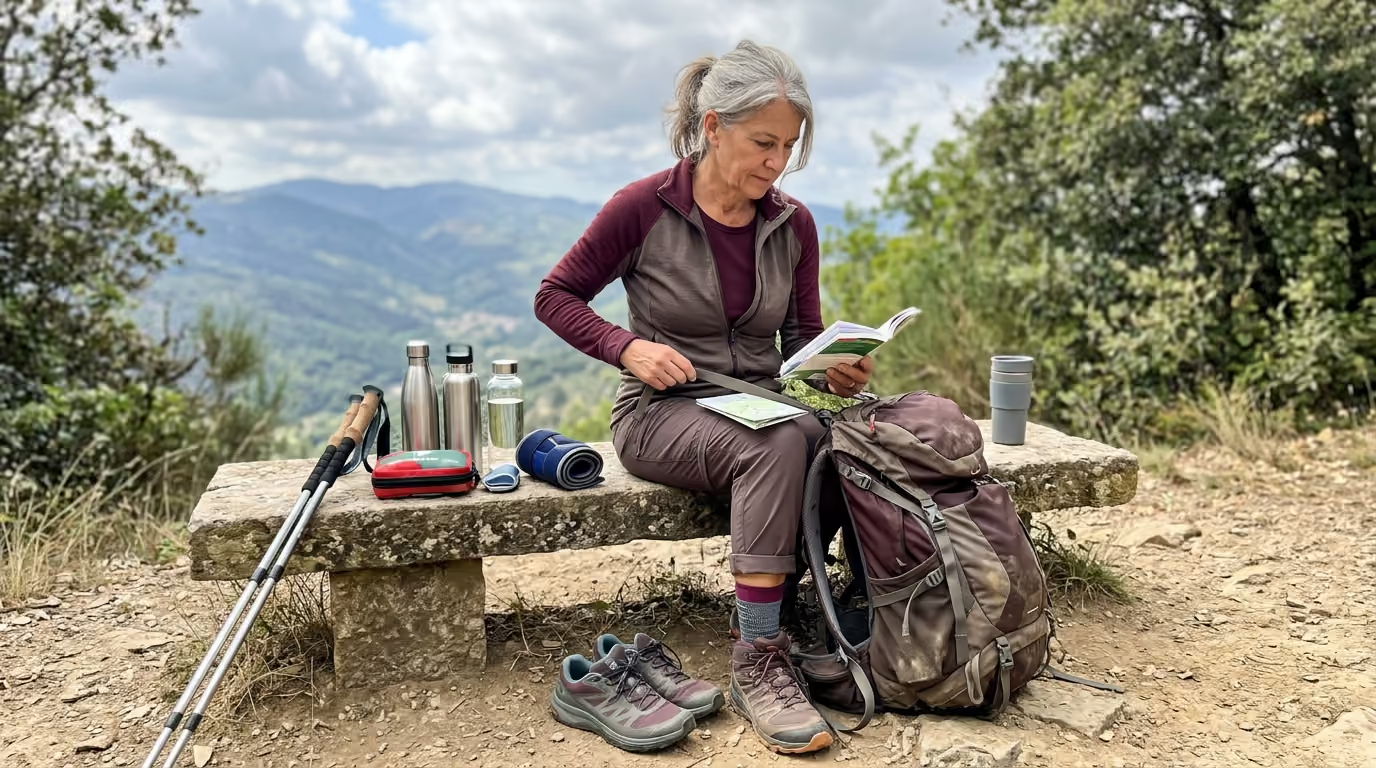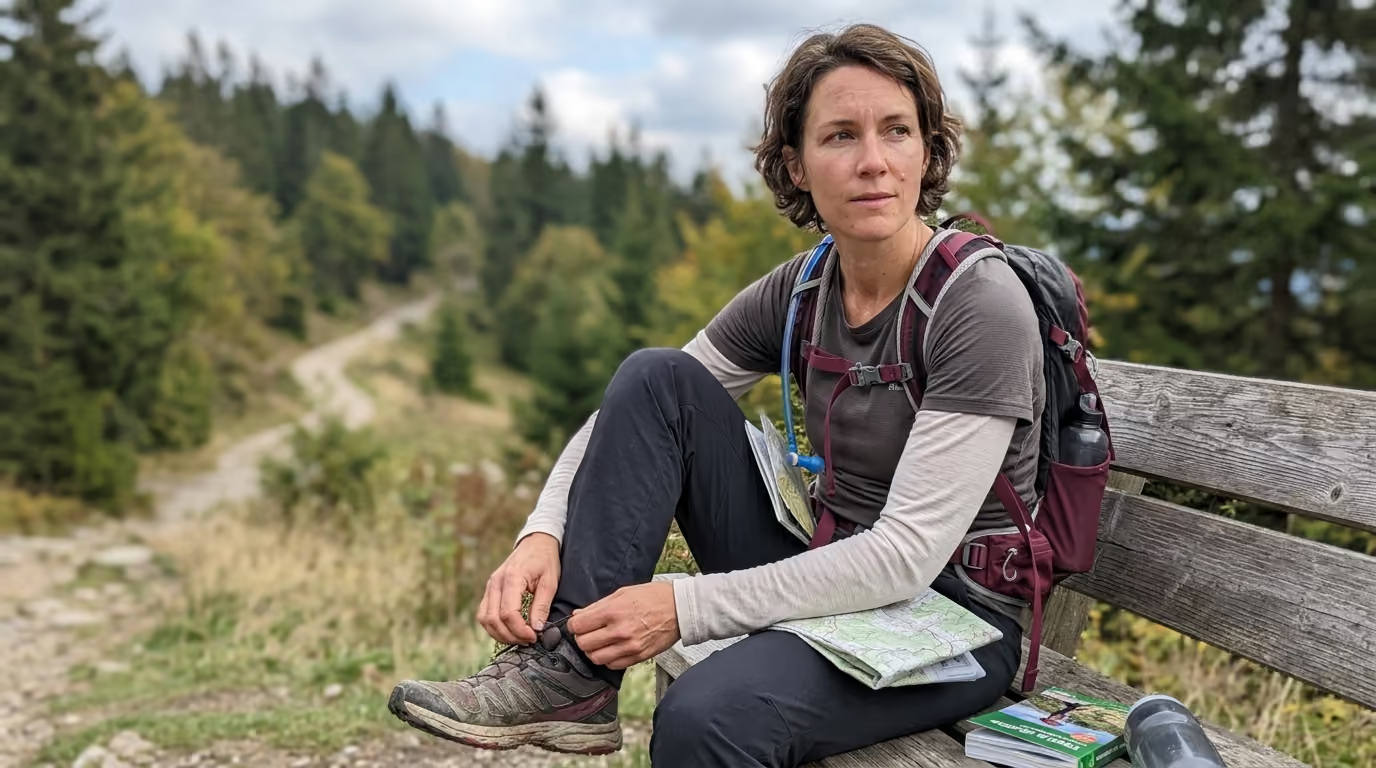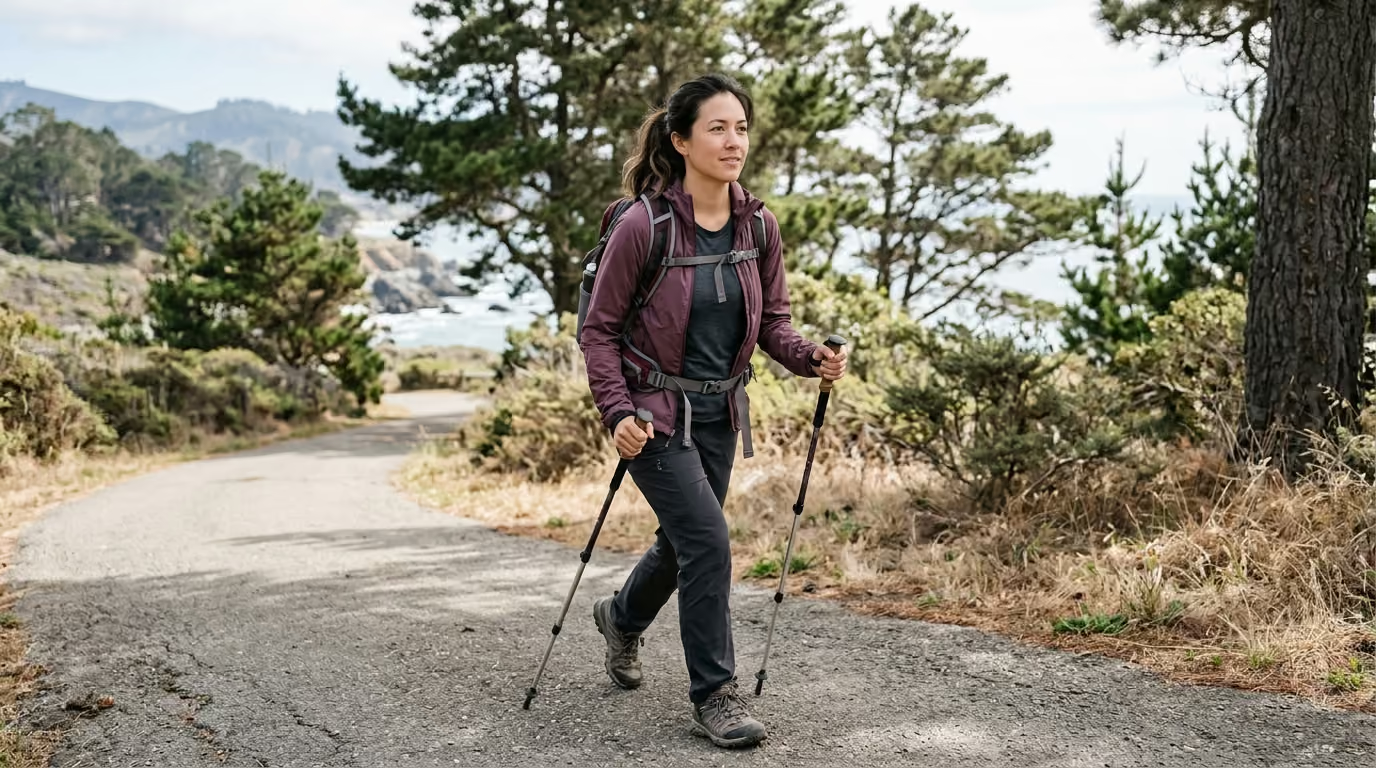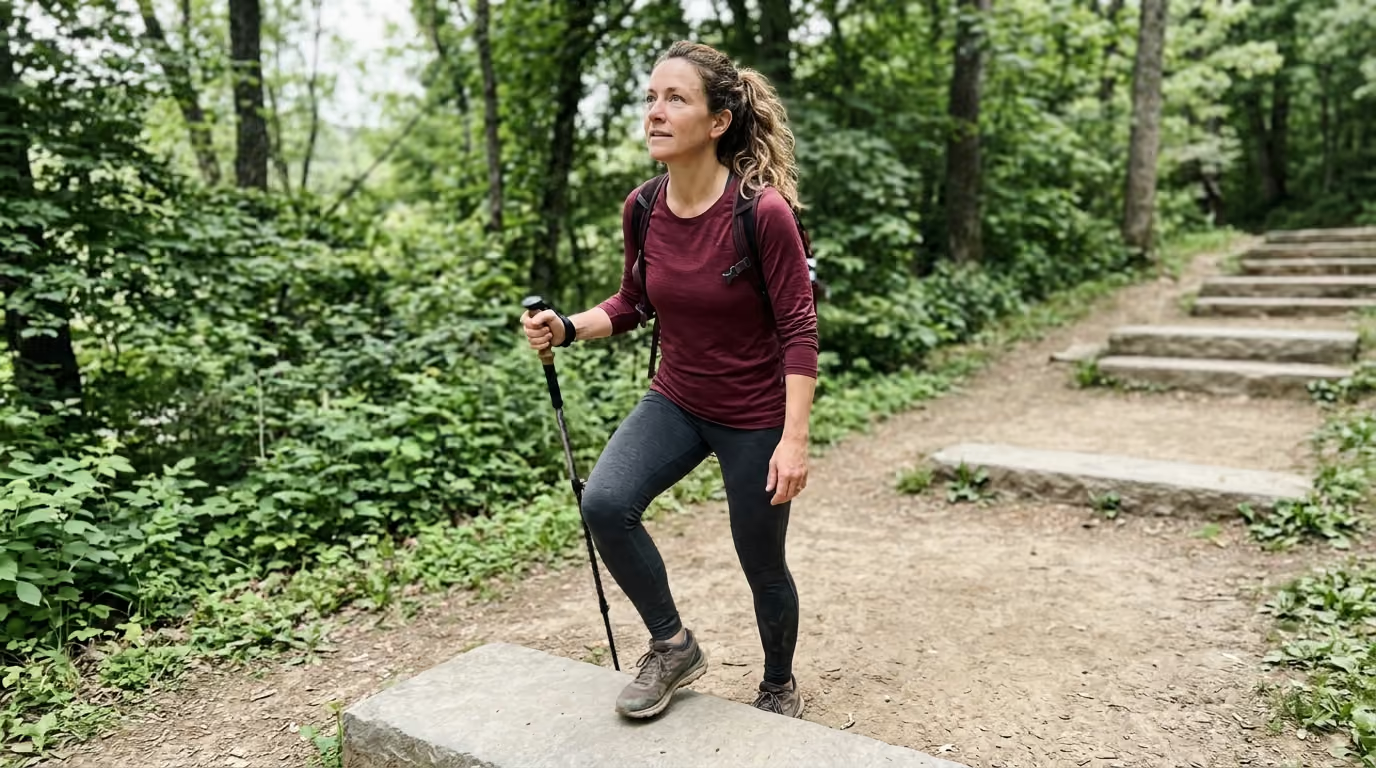

Planning an athletic getaway requires evaluating local terrain, altitude, and weather conditions so your chosen environment directly supports your specific training targets.





When planning an active trip, many travelers search for the best fitness travel destinations only to find generic lists of luxury wellness resorts. These recommendations often focus on spa menus rather than the physical environment required for genuine training. Choosing the wrong location can lead to severe altitude fatigue, oppressive heat, unsafe cycling roads, or wasted travel days. Matching a destination to your specific physiological goals requires a clear evaluation of terrain, elevation, climate, and logistical friction.
This guide provides an evidence-based framework for selecting travel destinations that support your physical ambitions. Whether you are preparing for a high-altitude trek, a multi-day cycling tour, a focused endurance camp, or a week of active recreation, you will learn how to assess environmental stress, calculate travel fatigue, and build an itinerary that enhances your physical capacity.
Every successful training trip begins by defining the primary physiological adaptation you want to achieve. Destinations should be chosen to support that adaptation rather than forcing your training routine to fit an incompatible landscape. When you work backward from your training objective, you eliminate options that introduce unnecessary stress.
We categorize active travel into six distinct training objectives:
This category includes alpine skiing, scuba diving, technical trail running, links golf, or open-water swimming. These pursuits require specific terrain, water conditions, or purpose-built facilities that cannot be easily replicated elsewhere. The primary selection criterion is the quality and accessibility of the specialized venue.
Trips focused on aerobic volume emphasize long, steady sessions such as multi-hour road rides, extended gravel grinding, or multi-day hiking traverses. The priority for this objective is continuous, uninterrupted routes with predictable surfaces, manageable traffic, and reliable fueling options.
Athletes targeting speed, hill intervals, or race-pace efforts require controlled environments. High-intensity blocks demand reliable pavement, measured gradients, or all-weather tracks without disruptive congestion. Climate and altitude must not impair the target power output or running pace.
These journeys use extreme climate or elevation as the intentional training stimulus. Examples include heat camps before a desert marathon or high-elevation stays before an alpine expedition. The destination must provide controllable exposure and safe descent or cooling options.
Many active adults want trips that encourage daily movement without structured athletic regimens. The focus here is walkable towns, scenic trail networks, and pleasant recreational infrastructure that keep you moving naturally throughout the day.
Trips focused on physical restoration prioritize low-impact movement, clean air, quiet surroundings, and comprehensive rest. For deeper guidance on restoring physical balance after hard training blocks, explore our resources on targeted sleep and recovery strategies.
Treating these categories as distinct choices prevents the common error of combining incompatible goals. A high-intensity interval camp cannot be successfully executed in extreme heat or at high altitude without significant compromises in power and speed.
Terrestrial altitude imposes an immediate physiological penalty on the human body. As barometric pressure drops, the partial pressure of oxygen decreases, reducing the amount of oxygen transferred to working muscles. For endurance athletes, acute exposure to altitude diminishes maximal aerobic capacity and increases perceived exertion at any given pace.
Sports medicine research indicates that acute exposure to altitude reduces endurance performance compared to sea-level baselines. Acclimatization helps your body adjust by increasing ventilation, elevating heart rate, and gradually raising red blood cell mass. However, acclimatization only partially offsets the performance deficit.
Athletes often face a greater risk of acute mountain sickness than sedentary travelers. Because active individuals possess the cardiovascular fitness to ascend quickly, they frequently begin vigorous physical activity before their bodies have adjusted to the reduced oxygen pressure.
Altitude illness becomes a serious clinical consideration above 2,500 meters (roughly 8,200 feet). Proper acclimatization schedules are essential for injury prevention, neurological protection, and training consistency. World Health Organization travel medicine guidelines highlight individualized acclimatization as a cornerstone of high-altitude health management.
A common misconception is that living as high as possible provides the greatest physiological benefit. Research examining endurance performance at elevation reveals a more complex reality. In one notable study on endurance athletes, individuals living roughly 300 to 1,000 meters higher than their competition altitude experienced significantly worse acute performance. They required up to 19 days of acclimatization to minimize that performance decrement.
When preparing for an event at 1,780 meters, the data demonstrated that sleeping at the competition altitude produced better outcomes than sleeping at a higher elevation. Stacking excessive hypoxic stress on top of hard training creates systemic fatigue that impairs muscle recovery.
When choosing an elevated destination, you must account for the time required to adapt before scheduling demanding workouts. Winter-sport sports science research provides useful baseline adaptation windows:
Before booking an elevated destination, conduct a systematic altitude audit. Record the airport arrival elevation, the sleeping elevation of your hotel, the highest point of your training routes, and the location of the nearest medical facility. Ensure you have a clear descent plan if persistent headaches, nausea, or sleep disturbances occur.
Temperature and humidity act as powerful environmental stressors that directly influence cardiovascular strain. Choosing a warm destination can provide a productive training stimulus, but heat should never be treated as an accidental background factor.
Heat acclimation triggers valuable adaptations. It expands plasma volume, enhances the rate and distribution of sweating, lowers resting core temperature, and improves cardiovascular stability in warm environments. These adaptations reduce the risk of exertional heat illness and improve aerobic performance in high temperatures.
Systematic reviews and meta-analyses show that heat-acclimation protocols produce measurable performance improvements in warm environments. Short-term heat-acclimation protocols lasting less than seven days generate an average performance improvement of approximately 2.4 percent. Medium-term protocols lasting eight to fourteen days yield average improvements of roughly 10.2 percent.
However, broader physiological reviews show that while time-trial performance in the heat improves, heat acclimation does not automatically increase absolute VO2 max or baseline sea-level aerobic capacity. Heat should be chosen because you need to perform specifically in warm conditions, not because heat acts as a universal fitness accelerator.
When evaluating a warm destination, ask whether heat is the intended training stimulus or an obstacle to your workout quality. If your goal is maximal power output on a road bike or running target splits, high heat will force a reduction in pace. In that scenario, a cooler, temperate destination will allow higher training quality and better recovery.
If you deliberately select a warm destination for an acclimation block, review the following environmental factors:
Cold-weather destinations introduce the opposite challenge. While cold air does not impair oxygen transport the way heat impairs thermoregulation, freezing temperatures increase logistical friction. Freezing conditions require specialized apparel, demand higher caloric intake, and increase peripheral energy expenditure simply to maintain core warmth.
Terrain dictates the biomechanical load of your trip. Selecting a destination with terrain that mismatches your current physical preparation increases the risk of tendonitis, joint strain, and acute injury. The natural and built landscape must align with the specific movement patterns you want to practice.
Public health and built-environment research consistently shows that accessible environments with dedicated recreational infrastructure encourage sustained physical activity. When selecting a travel base, prioritize the terrain characteristics that match your sport.
Continuous trail systems are far more valuable than isolated scenic loops. Look for destinations that offer established trailheads directly accessible without extensive driving. Verify the trail tread surface, whether smooth hardpack, loose scree, exposed roots, or granite slabs. Ensure the vertical gain per kilometer matches your current eccentric quadriceps strength.
Cyclists require connected networks of paved or well-maintained unpaved roads with low vehicular traffic density. Prioritize regions where drivers are accustomed to cyclists and where road shoulders are maintained. Access to professional bike shops for unexpected mechanical repairs and reliable water stops every 30 to 40 kilometers is critical for uninterrupted volume.
Winter sports require reliable snow coverage, modern lift infrastructure, and matched vertical relief. Alpine skiing places heavy demands on eccentric knee stability and lateral core strength. Nordic skiing demands continuous rolling terrain and groomed tracks to maintain aerobic rhythm. For structured training strategies that build resilience for mountain sports, review our resource on building strength and physical performance.
Diving destinations must be evaluated by marine conditions, current strength, and qualified operator standards rather than beachfront luxury. Scuba diving requires conservative physical scheduling. You must account for strict surface intervals and ensure your itinerary eliminates all high-elevation transit or flights for at least 18 to 24 hours following multiple dives.
Golf fitness trips require courses that are fully walkable rather than restricted to motorized carts. Walking eighteen holes over rolling terrain covers roughly eight to ten kilometers while carrying or pushing a bag. Consider the turf firmness, topographical undulation, and daily heat index to avoid excessive fatigue over consecutive rounds.
Multi-sport or triathlon camps require a tight geographic triangle between an open-water venue or lap pool, safe cycling roads, and soft running surfaces. If reaching your morning swim requires a thirty-minute drive before you can start your bike workout, logistical friction will degrade the training stimulus.
A destination may feature famous mountains or renowned coastlines, but if reaching those features requires navigating congested highways, daily training consistency collapses. The built environment directly influences how easily you transition from rest to movement.
Systematic reviews examining urban planning and physical activity show that high accessibility, dedicated walking and cycling networks, and proximity to green spaces increase physical activity participation. Infrastructure that reduces physical and cognitive friction makes daily exercise automatic.
When evaluating a destination, examine what we term the "training friction index." This metric assesses the total time and energy spent preparing for, traveling to, and returning from a workout session.
Consider the primary logistical variables:
A destination with modest terrain that allows you to train seamlessly out your front door will yield far better physiological outcomes than an iconic location that requires complex logistics for every workout. For an expanded analysis of how environmental design supports active lifestyles, see our collection of frameworks for travel and human performance.
Long-distance transit is an acute physiological stressor. Sitting in pressurized aircraft cabins, breathing dry recirculated air, and crossing multiple time zones disrupts the autonomic nervous system and degrades muscular power.
Sports medicine research on traveling athletes demonstrates that long-haul travel consistently elevates perceived fatigue, disrupts sleep architecture, and alters autonomic markers such as heart rate variability. While elite athletes can occasionally maintain peak power during short bouts after transit, multi-day endurance capacity and cognitive decision-making are frequently impaired.
Jet lag desynchronizes the central circadian pacemaker in the brain from peripheral clocks located in skeletal muscle, the liver, and the gastrointestinal tract. Attempting a high-intensity interval session or a heavy resistance workout while your core temperature is at its circadian low increases injury risk and reduces training output.
After a grueling thirty hour transit to Tokyo, I realized my old strategy of just powering through was no longer working. I felt foggy for three days. I started digging into circadian biology and realized that timing my light exposure and fasting during the flight could completely shift my recovery. Now, I never board a long haul flight without a precise schedule for when to eat and when to put on an eye mask. It is the difference between losing a week of your trip and hitting the ground running.
To minimize transit debt when traveling across more than three time zones, implement structured behavioral countermeasures:
If your trip lasts less than five days, crossing more than four time zones imposes a disproportionate physiological cost. For short-duration trips, choose destinations within one to two time zones of your home base to protect training quality.
The wellness travel industry heavily markets luxury amenities such as hydrotherapy circuits, cryotherapy chambers, and specialized massage services. While these offerings provide subjective relaxation, their direct contribution to athletic adaptation is often exaggerated.
Sports science research has not established that luxury resort amenities independently improve athletic performance or accelerate physiological adaptation compared to basic, high-quality rest. Spending hours in passive spa treatments cannot compensate for inadequate sleep, poor nutrition, or excessive training volume.
True recovery infrastructure is functional rather than luxurious. When booking accommodations for an active trip, evaluate essential operational features that directly preserve physiological capacity.
Prioritize properties with effective soundproofing, reliable blackout curtains, and controllable air conditioning. A quiet room with exceptional temperature regulation provides infinitely more recovery value than an on-site sauna paired with a noisy street corner.
Opt for accommodations with kitchenettes, refrigerators, and easy access to fresh groceries. Preparing your own pre-workout fueling and post-exercise recovery meals prevents the gastrointestinal distress that frequently accompanies daily restaurant dining.
Active travel requires substantial equipment. Look for accommodations that offer secure indoor bicycle storage, heated gear-drying rooms for ski boots or wet outdoor gear, and accessible laundry facilities. Managing damp gear in a cramped room creates avoidable friction.
Access to a quiet swimming pool, a calm walking path, or a dedicated stretching space allows for active recovery. Gentle movement stimulates blood flow to repairing muscle fibers without imposing eccentric strain. To discover more ways to integrate longevity principles with your active routines, visit our guides on longevity-focused performance and fitness.
The relationship between physical performance, environmental physiology, and travel logistics reveals clear areas of scientific agreement along with several unproven marketing claims.
Environmental medicine and sports science literature strongly validate the following principles:
Conversely, the scientific literature does not support these widely advertised fitness travel concepts:
Base your travel investments on environmental suitability and friction reduction rather than destination prestige or aesthetic marketing.
To apply this framework to your next journey, execute this practical planning checklist. Completing these steps systematically ensures that your chosen destination directly supports your physical goals.
By filtering your travel choices through environmental science and logistical reality, you transform your trips into powerful catalysts for lifelong health, capability, and adventure.
Stay connected for research and practical guidance on longevity, strength, recovery, energy and active living. New ideas to help you stay capable, curious and ready for more.


Explore practical guidance on strength, recovery, energy, travel and longevity for a life that stays active.
explore the Blog