
Sudden exhaustion during a high-altitude hike or desert walk reveals how different global climates change your stamina, movement mechanics, and daily energy reserves.





Most travelers choose destinations based entirely on aesthetics, culture, or cuisine, assuming their physical capacity remains identical wherever they land. In reality, the environment acts as an active physiological partner that can either enhance your physical capabilities or drain your energy reserves.
Your cardiovascular system, nervous system, and sleep architecture respond instantly to variables like barometric pressure, radiant heat, humidity, and terrain instability. An itinerary that feels effortless along a temperate coast can trigger severe fatigue in an arid desert or a high alpine valley.
Understanding how different global landscapes alter movement mechanics, thermoregulation, and recovery enables active adults to match their current physical capacity with the right destination. By evaluating the hidden metabolic and biomechanical costs of each setting, you can design trips that challenge your physical potential without compromising long-term vitality.
A practical way to understand environmental physiology is through the concept of usable capacity. Baseline fitness represents what you can achieve under stable conditions at home. Once you travel, your functional output is dictated by a dynamic equation where usable capacity equals your baseline capacity minus travel transit costs and environmental stressors, plus the benefits of acclimatization and recovery support.
When you change environments, you encounter two distinct types of physical demands. The external load represents the visible demands of your itinerary, such as kilometers walked, vertical meters climbed, pack weight, and hours spent exposed to the elements. The internal load represents the hidden physiological cost required to meet those demands, measured by heart rate elevation, core temperature, sweat rate, oxygen saturation, and central nervous system fatigue.
The exact same external workout creates vastly different internal stress depending on where it occurs. A ten-kilometer walk across a flat city requires modest cardiac output and minimal balance adjustments. That same distance over loose scree at 2,500 meters altitude forces your heart rate higher, elevates your breathing frequency, and demands intense eccentric muscular control.
Physiological adaptation occurs along three distinct timelines:
Understanding these phases allows you to pace your adventures intelligently. If you want to explore the deeper science of movement sustainability on the road, our travel and human performance resources outline how to balance environmental stress with long-term capability.
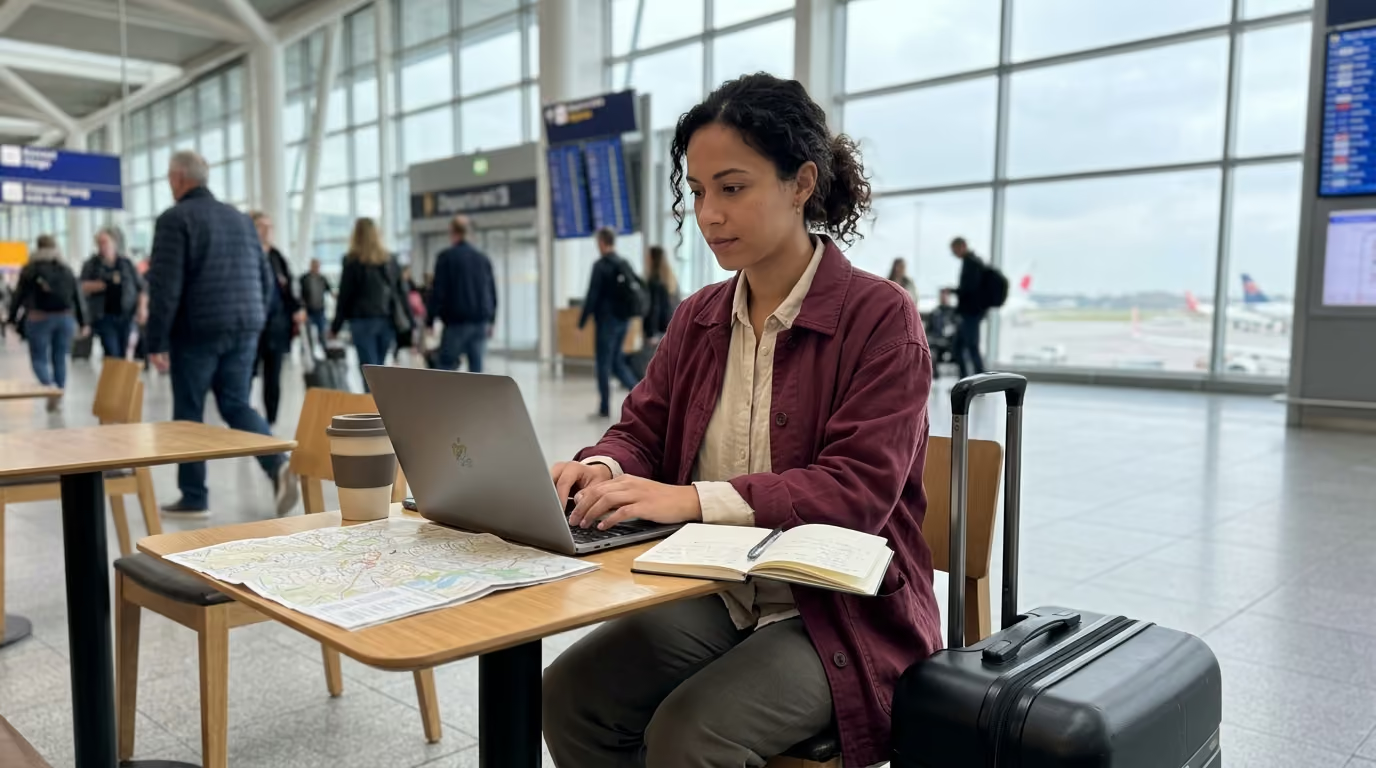
Before you ever take a step on a mountain trail or city avenue, the act of traveling imposes an initial physiological tax. Long periods of immobility during flights or train rides reduce circulation, tighten hip flexors, and compress spinal discs. Crossing time zones creates circadian desynchrony, commonly known as jet lag, which alters hormonal rhythms, digestion, and core body temperature cycles.
Jet lag is fundamentally a circadian timing conflict rather than simple sleep deprivation. When your internal master clock in the brain is out of sync with destination light cycles, daytime physical coordination decreases while nighttime wakefulness increases. The Centers for Disease Control and Prevention notes that strategically timed natural daylight exposure is the single most effective tool for shifting the human circadian clock.
For trips lasting two days or fewer, attempting full circadian adaptation is often counterproductive. In these brief scenarios, research suggests maintaining your home-time schedule for sleeping and meals whenever possible. For longer stays, immediately shift your meals, activity, and daylight exposure to local time upon arrival to accelerate internal synchronization.
Unfamiliar accommodations present an additional hurdle for physiological restoration. Noise pollution, ambient light leaks, and uncomfortably warm room temperatures disrupt the deep slow-wave sleep required for tissue repair. To optimize recovery, prioritize a dark, quiet room cooled to around 18 degrees Celsius, and use short naps of 15 to 20 minutes during the early afternoon to restore cognitive clarity without degrading your nighttime sleep drive.
Hydration plays a critical supportive role during transit. Cabin air at cruising altitude typically holds less than 20 percent humidity, which accelerates fluid loss through normal respiration. While drinking water helps prevent volume depletion and eases transit headaches, it cannot reset a disrupted circadian rhythm on its own. Avoid relying on excessive caffeine or alcohol to force alertness or sleep, as both substances further fragment your sleep architecture.
Urban environments present a deceptive physical profile. They offer smooth sidewalks, climate-controlled interiors, and rapid access to world-class dining and medical care. However, modern cities also generate substantial cumulative fatigue through continuous hard-surface walking, high noise levels, artificial light, and continuous cognitive navigation.
Sightseeing in major metropolitan areas routinely generates 15,000 to 25,000 steps per day. Unlike natural trails, paved concrete and asphalt provide virtually no shock absorption. This continuous impact increases repetitive loading on the plantaris fascia, Achilles tendons, knees, and lumbar spine, particularly for travelers over 40.
Because these steps are accumulated in short bursts while shopping, visiting museums, or navigating metro stations, many travelers fail to recognize this volume as a major physical workout. The constant standing on marble museum floors creates sustained isometric contraction in the calves and lower back, reducing venous return and leaving legs heavy before evening activities even begin.
Ambient air quality is a primary performance factor in dense urban centers. High concentrations of fine particulate matter and ground-level ozone trigger airway inflammation and increase oxidative stress. World Health Organization guidance recommends monitoring local air quality indices and scheduling outdoor runs or brisk walks during early morning hours before traffic density peaks.
If air pollution levels rise into unhealthy ranges, shift intense cardiovascular training to indoor facilities with high-efficiency particulate air filtration. People with mild asthma or reactive airways must exercise heightened caution, as elevated urban pollution can rapidly degrade exercise tolerance and impair nighttime breathing quality.
Urban soundscapes and artificial light at night also challenge the autonomic nervous system. Continuous ambient traffic noise above 50 decibels can elevate resting cortisol levels and trigger micro-arousals during sleep, preventing sustained stages of deep physical restoration. Choosing accommodations set back from primary traffic arteries and using high-grade earplugs directly protects your systemic recovery.
Cities become significantly more restorative when you actively incorporate public parks, botanical gardens, and waterfront promenades into your daily movement plan. Research synthesized by the World Health Organization demonstrates that exposure to urban green and blue spaces reduces psychological stress, lowers blood pressure, and improves autonomic balance.
Using tree-lined pedestrian corridors lowers ambient temperature exposure by mitigating the urban heat island effect. A structured morning walk through a quiet park delivers necessary daylight cues to set your circadian rhythm while sparing your joints from continuous vehicle traffic and sensory overload.
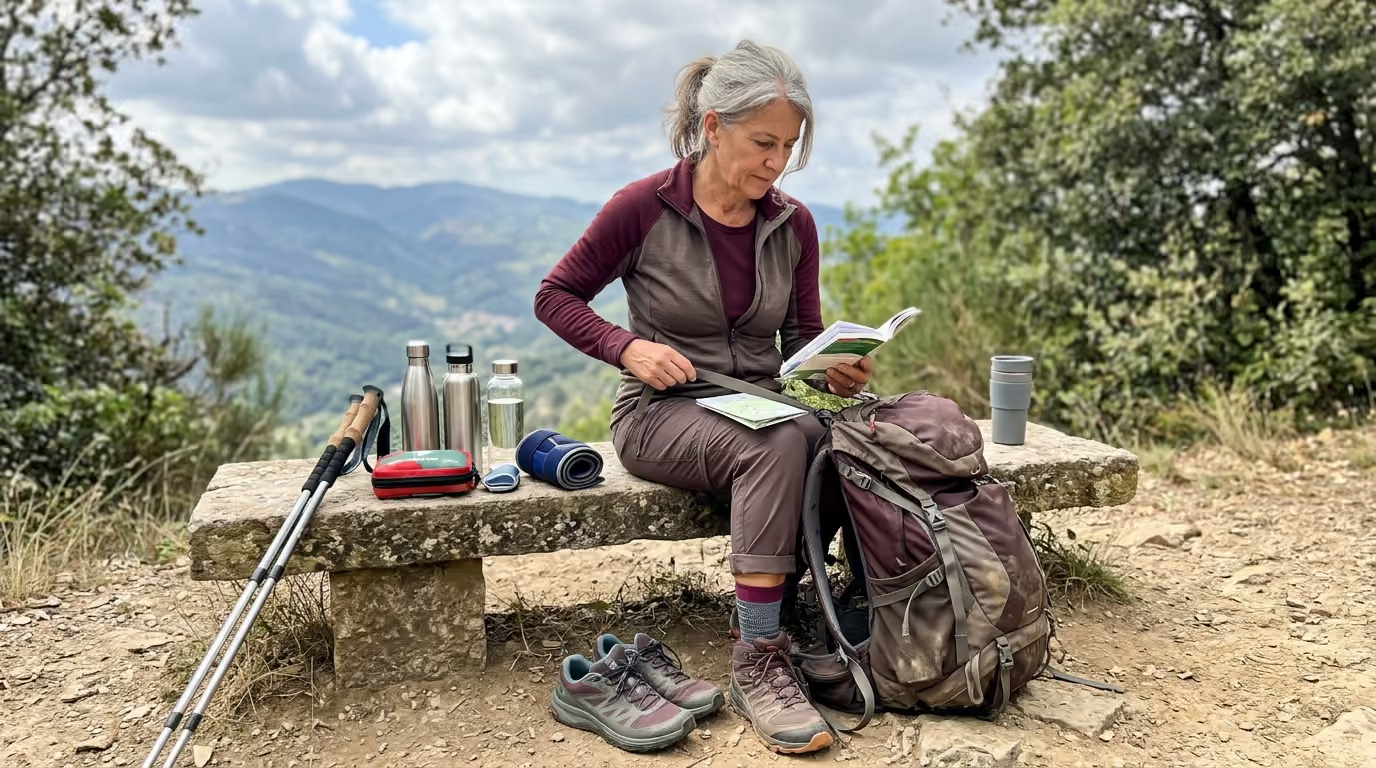
Mountain environments below 2,500 meters offer pristine air and outstanding terrain for building functional endurance. However, they introduce sharp biomechanical challenges that differ entirely from flat-ground movement. The primary stressors in non-hypoxic mountain regions are steep gradients, severe eccentric loading during descents, and unstable trail surfaces.
Ascending a mountain trail places a high metabolic demand on the heart and lungs as concentric muscular contractions drive your body mass upward. Conversely, descending a mountain shifts the workload to eccentric muscular contractions, where the quadriceps, gluteal muscles, and calf complexes must lengthen under tension to decelerate your descent.
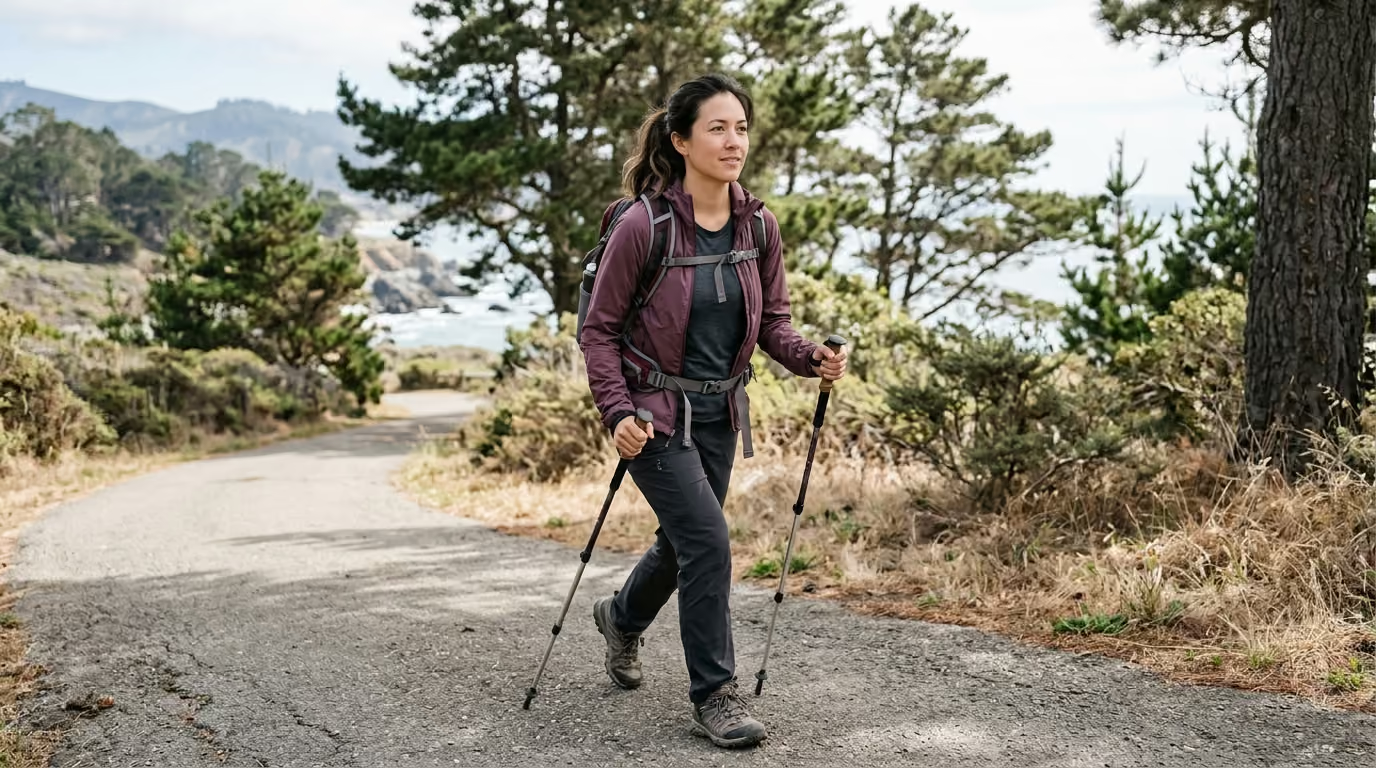
Eccentric loading creates micro-tears in muscle fibers, leading to significant delayed onset muscle soreness that peaks 24 to 48 hours later. If an active traveler tackles a steep descent on day one of a trip without preparation, severe muscular stiffness can compromise mobility for the remainder of the journey. Trekking poles provide an effective mechanical buffer, absorbing up to 20 percent of ground reaction forces and distributing eccentric strain across the upper body musculature.
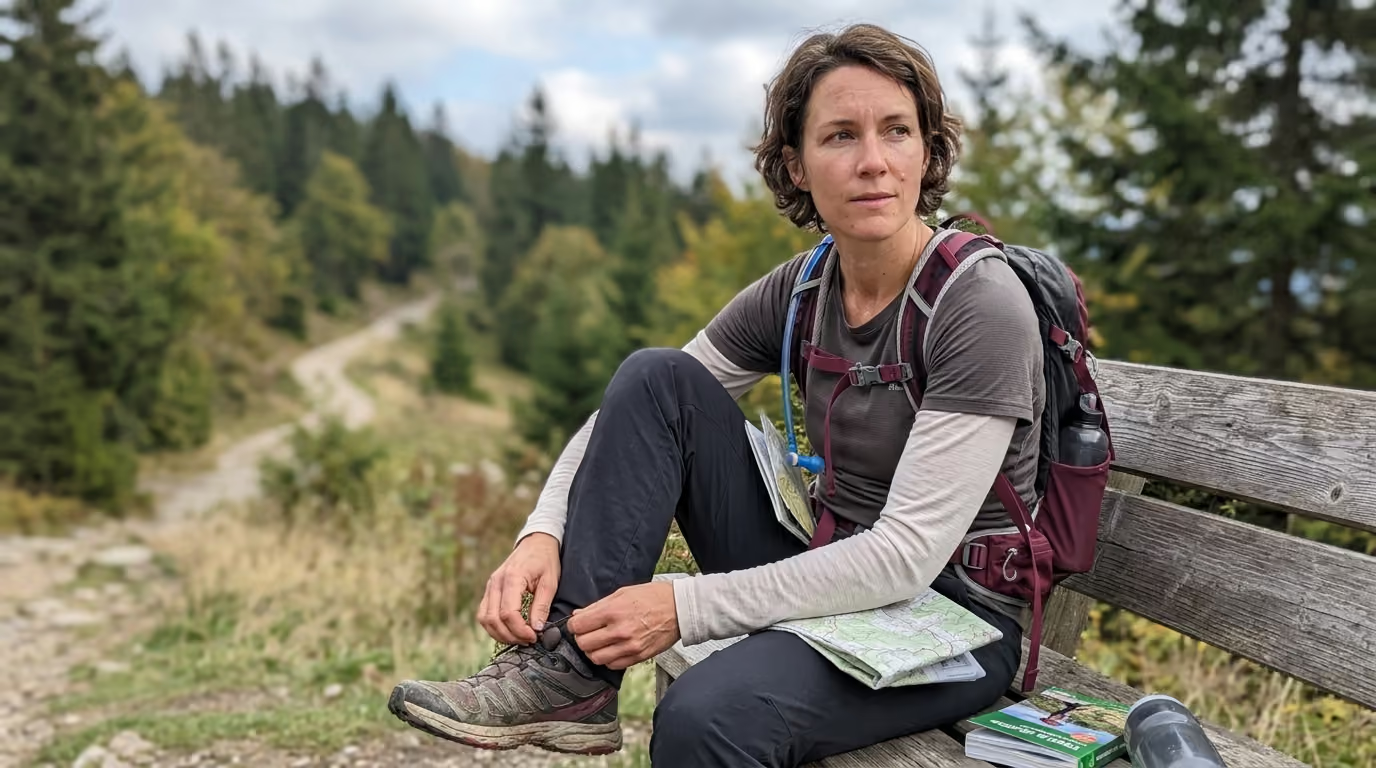
Trail surfaces covered with loose rock, wet roots, mud, and exposed granite slabs require constant micro-adjustments in foot placement. This uneven footing places high demands on the stabilizing muscles around the ankles, knees, and hips. Proprioception, which is your body's ability to sense its position in space, degrades rapidly as generalized physical fatigue sets in.
Technical trail segments should always be evaluated independently of linear distance. A five-kilometer trail involving 600 meters of vertical gain over boulder fields imposes far greater physiological strain and joint stress than a smooth fifteen-kilometer gravel path. When energy dips, your risk of ankle inversion injuries or falls increases substantially, making conservative pacing and appropriate footwear essential.
Mountain terrain creates its own localized microclimates. Temperature drops approximately 6.5 degrees Celsius for every 1,000 meters of elevation gain, and exposed ridges frequently produce severe windchill that accelerates conductive and convective heat loss. A sudden afternoon rain squall can quickly shift an enjoyable hike into a fight against mild hypothermia.
Layering strategies that combine moisture-wicking synthetic or merino wool base layers, an insulating mid-layer, and a windproof, waterproof outer shell are vital for maintaining thermal equilibrium. Protecting your core temperature preserves the muscular efficiency required to navigate technical terrain safely. For structured approaches to maintaining joint integrity on the trail, review our physical performance guides.
Traveling into high-altitude regions above 2,500 meters fundamentally alters human physiology due to hypobaric hypoxia. Although the proportion of oxygen in the atmosphere remains constant at 21 percent, the lower barometric pressure at high elevations decreases the partial pressure of oxygen. Every breath delivers fewer oxygen molecules to your alveoli, reducing arterial oxygen saturation and demanding immediate cardiovascular compensation.
Upon acute exposure to high altitude, your resting and submaximal heart rates increase to maintain adequate tissue oxygen delivery. However, your maximal oxygen uptake decreases predictably by roughly one to two percent for every 100 meters gained above 1,500 meters.
Even exceptionally fit endurance athletes experience an unavoidable reduction in high-end physical capacity during their first days at altitude. Research published in physiology journals demonstrates that continuous endurance performance is impaired almost immediately upon exposure to moderate altitude. Attempting to force your typical sea-level pace on an alpine climb triggers rapid blood lactate accumulation, profound breathlessness, and early exhaustion.
The most challenging physiological effects of high altitude often occur while you sleep. Hypoxia destabilizes the respiratory control centers in the brainstem, leading to a phenomenon known as periodic breathing. During sleep at elevation, periods of rapid, deep breathing are interspersed with brief central apneas where breathing temporarily stops, causing sharp drops in nocturnal blood oxygen saturation.
These periodic breathing cycles cause frequent micro-awakenings throughout the night, drastically reducing restorative slow-wave sleep and rapid eye movement sleep. The Centers for Disease Control and Prevention highlights that nocturnal hypoxemia is generally more severe than daytime hypoxemia. This reality underpins the fundamental mountaineering rule to climb high and sleep low whenever possible, protecting your recovery by descending to lower elevations for the night.
Preventing acute mountain sickness requires strict adherence to gradual ascent schedules. Clinical travel guidelines advise against traveling directly from sea level to a sleeping elevation above 2,750 meters in a single day. When planning travel above 3,000 meters, limit your sleeping elevation increases to no more than 500 meters per 24-hour period, and schedule an extra acclimatization night every 1,000 meters.
During the first 48 hours at high altitude, enforce a strict protocol of light, low-intensity movement. Avoid heavy resistance training, high-intensity intervals, and all alcohol consumption during this initial window. Alcohol acts as a respiratory depressant that suppresses the natural ventilatory response to hypoxia, worsening nocturnal oxygen desaturation and accelerating morning altitude headaches.
If symptoms of acute mountain sickness develop, including throbbing headache, nausea, dizziness, or profound fatigue, stop your ascent immediately. Never ascend to a higher sleeping altitude while experiencing active symptoms, and initiate a controlled descent if symptoms fail to improve with rest.
Coastal environments offer rich opportunities for physical conditioning and active recovery, combining open space, natural light, and varied water-based movement. However, the physiological demands of a coastline vary dramatically depending on whether you are navigating a cool, windy oceanic cliff or a hot, humid tropical shoreline.
Walking or running on dry, loose sand alters your lower-limb kinetics. Sand shifts beneath your feet upon impact, absorbing mechanical energy and eliminating the natural elastic recoil normally provided by tendons on firm ground. This lack of rebound forces your calf muscles, quadriceps, and hip flexors to perform substantial additional positive work to propel you forward.
Studies in exercise mechanics reveal that walking on soft sand requires roughly 1.5 to 2.0 times more energy expenditure than walking on a flat, paved surface at the same speed. Sand also challenges foot and ankle stability, demanding heightened activation of the peroneals and tibialis anterior. If you transition abruptly to long barefoot beach runs, the unaccustomed mechanical stress can rapidly inflame the Achilles tendon or plantar fascia.
To utilize the coast safely, begin with short walks on firmer, wet sand along the low-tide line before progressing to soft sand intervals. If you want to refine your downtime strategies, explore our dedicated guides on restorative sleep protocols to pair with coastal getaways.
Open-water swimming, stand-up paddleboarding, and coastal kayaking introduce complex physical challenges that engage the entire kinetic chain. Swimming against ocean swell and cross-shore currents demands continuous bilateral shoulder power and heightened core stabilization to maintain streamlined body position.
Water temperature is a critical environmental variable that demands active management:
Swimmers unaccustomed to cold waters must acclimate slowly, entering the water gradually to avoid hyperventilation and muscle cramping. Cold water rapidly reduces manual dexterity and muscular power in the limbs, making close monitoring of exposure time essential for safety.
Coastal zones combine direct solar exposure with intense radiant energy reflected off open water and white sand. High atmospheric humidity impairs the evaporation of sweat, which is the body's primary mechanism for shedding metabolic heat during physical exertion.
When sweat drips off your skin rather than evaporating, it provides zero cooling effect while still depleting your intravascular blood volume. World Health Organization heat guidance recommends scheduling demanding coastal workouts during early morning or twilight hours, wearing light, loose-fitting UV-protective apparel, and drinking chilled fluids with balanced electrolytes to maintain adequate plasma volume and cellular hydration.
Deserts present some of the most extreme environmental challenges for human performance. Defined by minimal humidity, intense solar radiation, reflective ground surfaces, and vast day-to-night temperature fluctuations, arid landscapes require careful physiological management.
In hot, arid environments, the dry ambient air allows sweat to evaporate almost instantaneously from your skin. While this provides efficient thermoregulation, it creates a dangerous sensory illusion: because your clothing and skin remain dry, you may fail to realize how rapidly you are losing water.
During moderate physical activity in a hot desert, sweat rates frequently exceed 1.0 to 1.5 liters per hour. Athletics Canada guidelines state that losing just 2 to 4 percent of your baseline body mass through dehydration measurably impairs cardiovascular output, reduces mental concentration, and raises core body temperature.
To manage fluid balance in dry heat, implement a proactive, measured hydration strategy. Drink fluids containing sodium and essential minerals in steady, moderate amounts throughout your activity rather than relying exclusively on thirst, which often lags behind true fluid deficits.
Arid landscapes lack atmospheric moisture and cloud cover to trap heat, resulting in massive temperature shifts between day and night. A desert that reaches 38 degrees Celsius under midday sun can easily plunge to near freezing shortly after dusk.
This extreme diurnal variation places contrasting demands on your body within a single 24-hour cycle. Daytime exertion demands maximum heat dissipation, while nighttime recovery requires preserving core heat. Packing versatile technical apparel that transitions from ventilated, sun-protective daytime shirts to insulated thermal layers for the evening is essential for steady temperature regulation.
True physiological acclimatization to heat cannot be accomplished in a single weekend. According to consensus standards from the American College of Sports Medicine, developing baseline heat tolerance requires 10 to 14 days of progressive, repeated thermal exposure.
During this adaptation window, your body undergoes vital adjustments:
For short trips to arid regions, full physiological acclimatization is rarely practical. The safest and most effective strategy is to reduce your workout intensity, restrict strenuous activity to the cool morning hours before 9:00 AM, and utilize shaded rest areas to prevent excessive heat accumulation.
Rural and agricultural landscapes are widely viewed as the ultimate setting for rest and physical rejuvenation. While rolling hills and pastoral valleys offer clean air and a peaceful atmosphere, they introduce specific movement patterns that can subtly accumulate fatigue if not properly managed.
Countryside travel rarely involves a single, structured workout followed by complete rest. Instead, it promotes continuous, low-to-moderate physical activity distributed throughout the entire day.
You might walk three kilometers over rolling gravel roads between historic villages, spend two hours exploring terraced vineyards, and pedal a rented touring bike across gentle country lanes. While each individual activity feels light and conversational, the cumulative daily step count and energy expenditure can rival a heavy training day.
This distributed load places steady, low-grade stress on postural muscles and joint complexes. Active travelers often experience surprising next-day fatigue because they failed to account for the total volume of unstructured movement accumulated across the day.
Rural paths frequently lack the predictable smoothness of urban sidewalks or the clear markings of maintained alpine trails. Countryside walking often involves cobblestones, muddy farm paths, high grass, and narrow roadways with unpaved shoulders and no sidewalks.
Walking on uneven, crowned rural roads forces your hips and knees to absorb asymmetric angles with every stride. If you are recovering from joint irritation or managing low back discomfort, prolonged walking on unyielding rural roads can flare dormant symptoms. Rotating your footwear and selecting paths through managed country estates or rail-trail conversions helps keep joint impact low.
A major operational difference between urban and rural travel is the availability of services. Country villages often observe strict midday closures for shops and dining, and cellular coverage can be intermittent across valleys.
A minor navigational error can quickly add ten kilometers to an afternoon bike ride without access to water or caloric replenishment. When exploring rural routes, always carry dedicated water supplies, portable whole-food snacks, and reliable offline mapping tools. Preparing for basic logistical needs preserves the mental ease and restorative quality of the countryside. If you want to explore more worldly travel strategies, browse our insights on travel and adventure.
Navigating different travel environments effectively requires separating physiological facts from widespread fitness assumptions. Active adults often rely on intuition that works well at sea level but fails under novel environmental stresses.
High cardiovascular fitness does not protect you from acute mountain sickness. Physical conditioning dictates how fast you can walk up a slope, but your susceptibility to hypoxia is governed by genetics, rate of ascent, sleeping elevation, and ventilatory control mechanisms. Highly fit individuals frequently face greater risk because their strong work capacity allows them to ascend too rapidly, pushing their bodies into severe oxygen deficits before acute acclimatization can occur.
Because dry heat allows sweat to evaporate immediately without soaking your clothing, travelers often underestimate their thermal strain and fluid loss. The absence of dripping sweat does not mean you are cool; your body is simply shedding fluid at an accelerated rate. Solar radiation and hot ground surfaces still transfer enormous heat into your body, making heat exhaustion a serious risk even in zero-humidity air.
Spending time in green or blue spaces provides clear psychological benefits, but physical recovery depends entirely on the specific demands of the itinerary. A mountain cabin reached via a grueling ascent with poor sleeping accommodations and cold rooms will drain your physical reserves, not restore them. True physiological recovery requires high-quality sleep, proper nutrition, thermal comfort, and appropriate physical pacing, regardless of how scenic the setting is.
Judging a route solely by kilometers is a major mistake in adventure planning. A flat, paved ten-kilometer urban greenway requires minimal balance and modest energy expenditure. That same ten kilometers over loose talus with 800 meters of elevation gain and gusting winds represents an intense athletic undertaking that demands high muscular power, joint stability, and cardiovascular endurance. Always evaluate vertical profile, surface stability, and weather exposure before setting out.
A three-day beach vacation is not long enough to trigger meaningful heat acclimatization. The cardiovascular and sweat adaptations required to handle high thermal loads safely take roughly 10 to 14 days of structured exposure. Attempting to match your standard home workout intensity during a short, hot trip will simply spike your core temperature and leave you exhausted for the rest of your vacation.
You do not need complicated equipment or extreme protocols to adapt smoothly to new travel landscapes. Implementing a few reliable, high-yield actions during your first 48 hours allows you to protect your energy and enjoy demanding environments safely.
Within 60 minutes of waking at your destination, step outside and expose your eyes to natural daylight for 20 to 30 minutes without sunglasses. This direct light exposure suppresses morning melatonin production, elevates cortisol to healthy daytime levels, and resets your circadian clock to local time. Pair this morning light with a light walk to stimulate systemic blood flow without creating metabolic fatigue.
Treat your first two days in any challenging landscape, whether high altitude, extreme heat, or dense urban centers, as an orientation window. Cap your physical exertion at conversational, aerobic intensities (Zone 2) and eliminate heavy resistance training or high-intensity intervals. This conservative buffer gives your autonomic nervous system and cardiovascular system the margin needed to adapt without triggering deep systemic fatigue.
Take active control of your hotel or lodge room environment to support deep restorative sleep. Lower the thermostat to 18 degrees Celsius, close all blackout drapes, and eliminate small electronic light sources across the room. If ambient noise is unpredictable, run a continuous white-noise application or wear comfortable silicone earplugs to prevent noise-induced sleep arousals.
Adjust your daily fluid strategy to match the specific demands of the local climate. In dry desert heat, high altitude, or humid coastal zones, supplement pure water with a balanced electrolyte formulation containing sodium, potassium, and magnesium. Pay attention to resting heart rate and morning energy levels as practical indicators of adequate cellular hydration. If you want to refine your daily vitality strategies, review our guidance on sustaining energy and focus.
The global scientific and medical consensus regarding environmental exposure emphasizes preparation, progressive loading, and conservative adaptation timelines. Major health bodies agree that human performance is highly malleable, but forcing rapid adaptation beyond physiological limits consistently leads to injury, illness, or acute exhaustion.
The Centers for Disease Control and Prevention and the Wilderness Medical Society establish clear benchmarks for high-altitude travel. Both organizations stress that gradual ascent and respecting maximum daily sleeping elevation increases of 500 meters above 3,000 meters are the most reliable ways to avoid acute mountain sickness. They emphasize that physical fitness does not confer immunity to altitude illness and confirm that moderate, low-intensity activity during the first two days is essential for safe acclimatization.
Regarding thermal stress, consensus statements from the American College of Sports Medicine outline that heat adaptation requires 10 to 14 days of progressive thermal exposure lasting at least 60 minutes per session. The ACSM emphasizes that heat tolerance cannot be rushed and warns that fluid replacement must be managed steadily rather than forced in sudden, massive volumes.
Environmental health guidelines from the World Health Organization highlight that while regular movement in natural spaces promotes mental health and physical vitality, outdoor exertion must be scaled back during periods of severe heatwaves or poor air quality. The consensus across all major sports science and medical institutions is clear: success in diverse global environments is driven by respecting physiological thresholds and pacing your efforts to match the real demands of the terrain.
Choosing your travel environments with an understanding of environmental physiology transforms every journey into a sustainable, restorative adventure that builds your physical capability for years to come.
Stay connected for research and practical guidance on longevity, strength, recovery, energy and active living. New ideas to help you stay capable, curious and ready for more.


Explore practical guidance on strength, recovery, energy, travel and longevity for a life that stays active.
explore the Blog