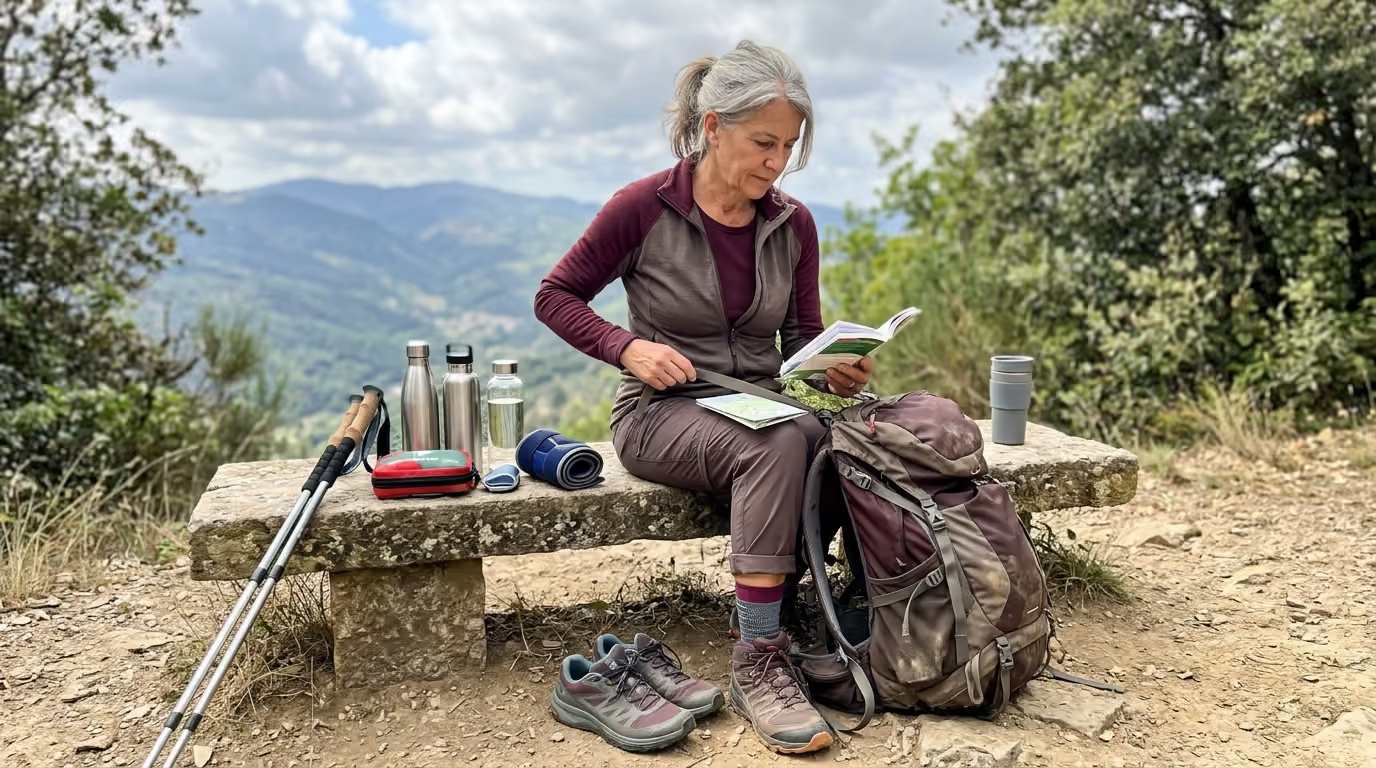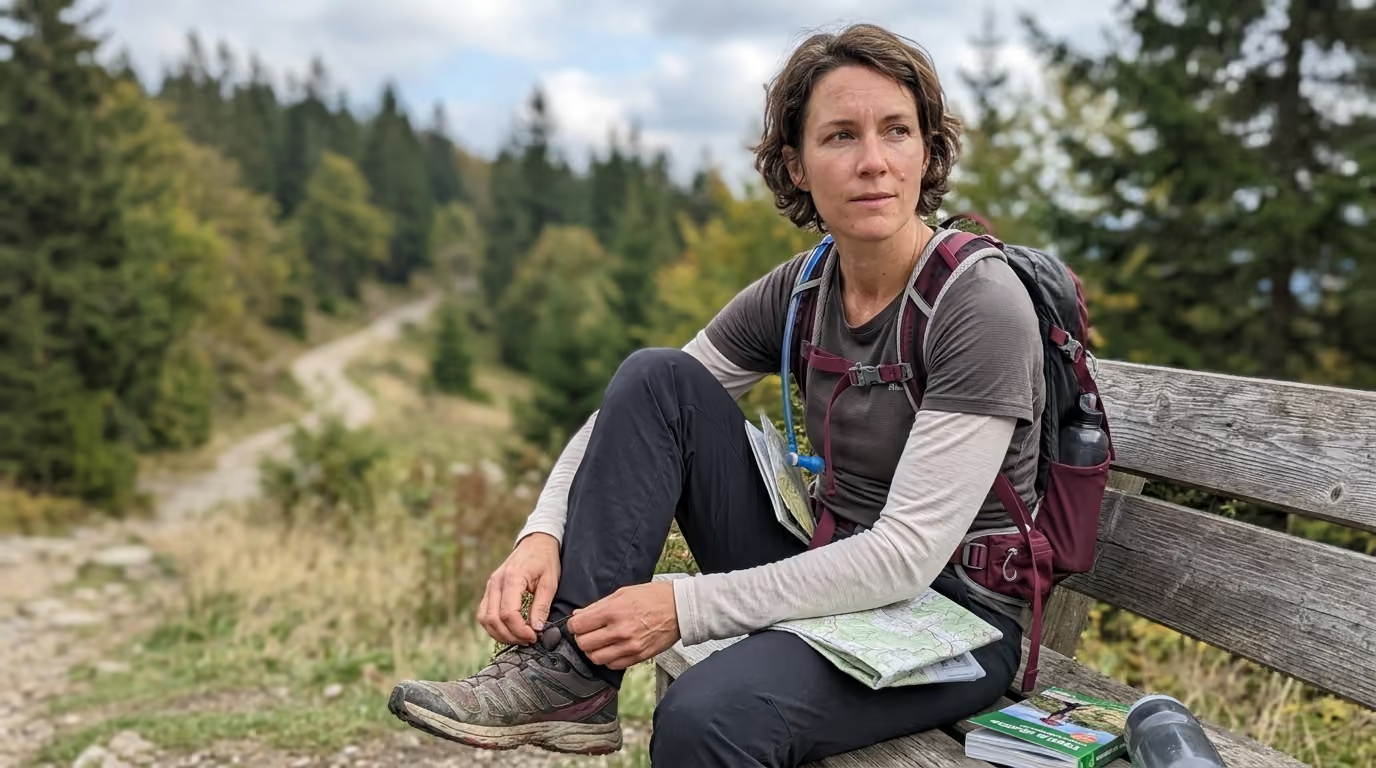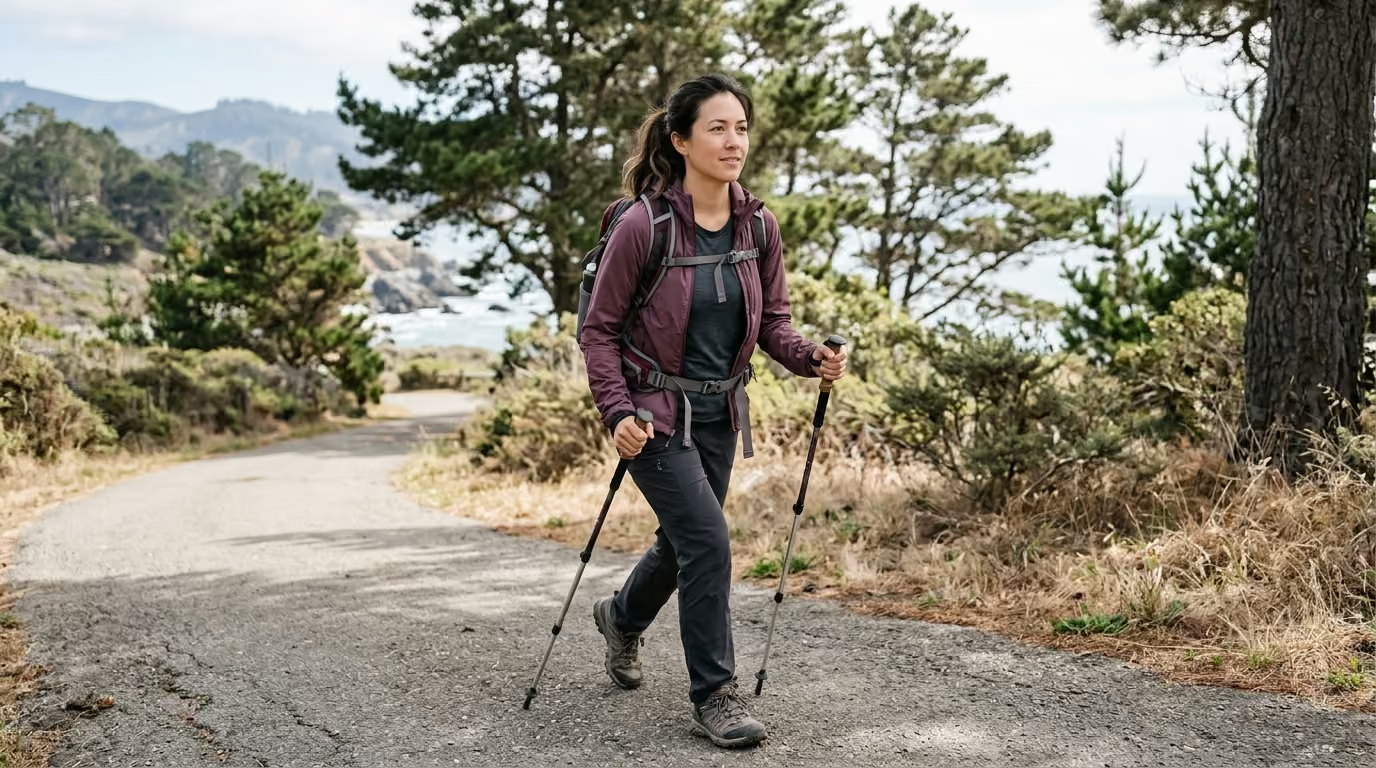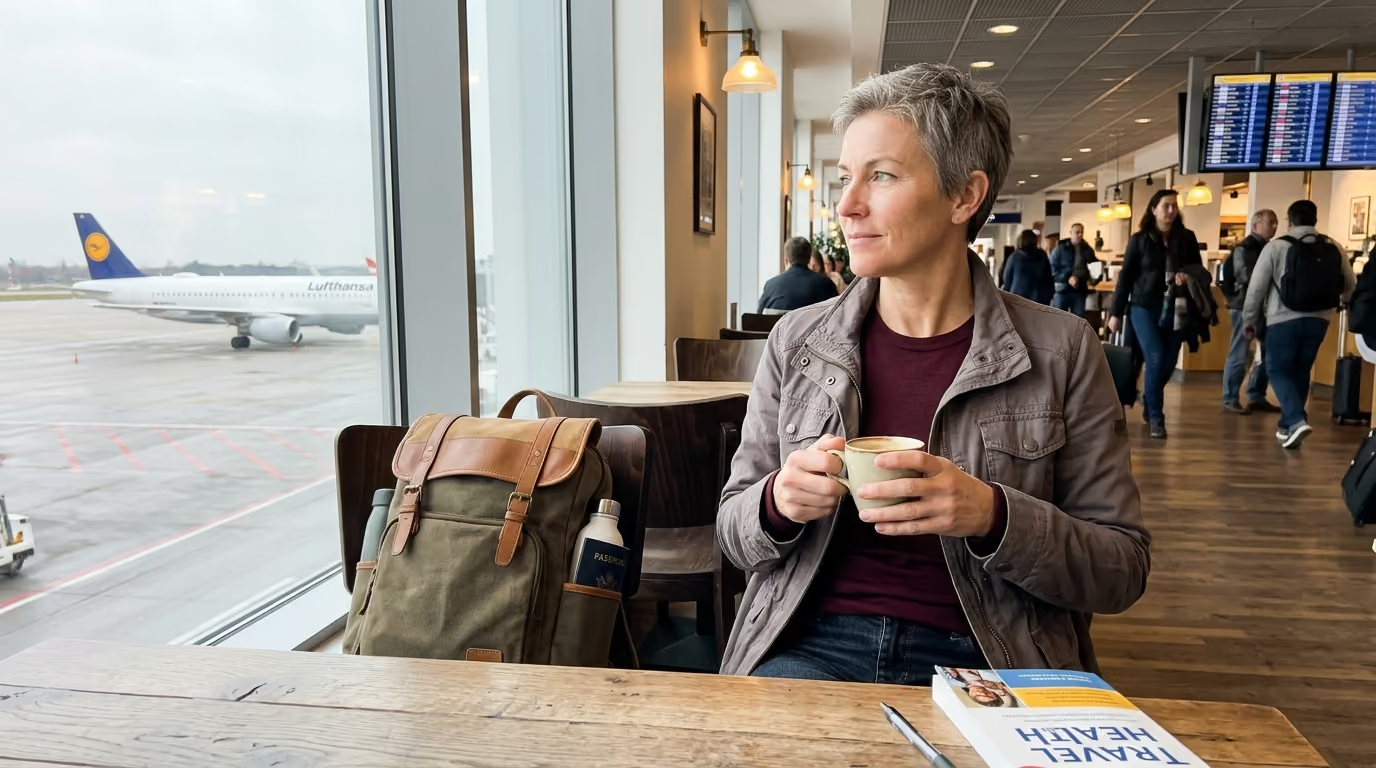

Midlife hormonal shifts do not signal an end to physical capability but require deliberate strategies for sleep, temperature control, and training during travel.





Searching for how to manage hot flashes on a long-haul flight, unpredictable bleeding during a trekking trip, or sudden fatigue on an active vacation returns frustratingly little useful advice. Most resources either treat menopause as an illness that requires staying home, or offer generic wellness tips that ignore the realities of serious physical activity. This guide provides a definitive, research-backed framework for active women who want to maintain high physical capability, train effectively, and travel without compromise across every reproductive stage.
Menopause is a natural biological transition, not an athletic impairment or a reason to curtail an active life. The primary performance challenge during travel is not hormonal status alone. Rather, it is the compounding effect of travel stress, unfamiliar environments, circadian disruption, and hormonal shifts arriving all at once.
Success requires evaluating how these variables interact and modifying your routine proactively. The core strategy rests on three practical principles:
Understanding the difference between your stage of transition is the first step toward effective planning. Menstruating athletes require logistical strategies for predictable or slightly variable cycles. Perimenopausal athletes need contingency systems for erratic cycle timing, fluctuating flow, and emerging vasomotor symptoms. Postmenopausal athletes must prioritize thermoregulation, bone loading, tissue comfort, and systemic recovery, while treating any new vaginal bleeding as a medical priority.
By approaching midlife travel through a human performance lens, you can maintain your physical capacity, protect your sleep, and complete demanding adventures anywhere in the world.
Thermoregulation changes significantly across the menopausal transition. Hot flashes and night sweats are not merely subjective sensations of warmth. They stem from a narrowing of the brain's thermoneutral zone, which is the internal temperature range where the body neither sweats nor shivers.
In symptomatic women, small fluctuations in core body temperature can trigger an exaggerated heat-dissipation response. Blood vessels near the skin dilate rapidly, producing intense flushing, sweating, and an elevated heart rate. When you add warm aircraft cabins, humid transit hubs, or unconditioned hotel rooms, the physiological load increases quickly.
Sleep architecture also undergoes measurable alterations during midlife. Declining or fluctuating estrogen and progesterone levels can disrupt slow-wave sleep and reduce rapid eye movement stages. Night sweats frequently cause micro-arousals that fragment rest without full awakening, leaving you fatigued even after eight hours in bed.
When you travel across time zones, circadian misalignment compounds these baseline sleep disruptions. The body's central clock in the hypothalamus relies on consistent light, movement, and meal cues to coordinate cellular repair. Crossing multiple time zones disrupts this rhythm, impairing muscular power output, coordination, and mental focus. For detailed strategies on managing these transitions, our guide to sleep and systemic recovery offers deeper physiological protocols.
Cardiorespiratory and muscular adaptations must also be viewed through this biological lens. Estrogen plays an active role in muscle protein synthesis, tendon elasticity, and bone mineral homeostasis. As systemic estrogen declines, connective tissue becomes less compliant, which increases the time needed to recover from eccentric training loads or multi-day mountain hikes.
Regular aerobic and resistance exercise helps preserve vascular compliance and helps stabilize the autonomic nervous system. Clinical studies show that regular moderate-to-vigorous physical activity can improve cardiorespiratory fitness by over 4 mL/kg/min and reduce weekly hot-flash frequency. While exercise does not eliminate vasomotor symptoms for every woman, it builds physiological resilience against environmental heat stress.
Managing human performance on the road requires looking at the complete picture. The Five-Load System is a structured framework designed to balance training ambitions against physiological and environmental realities.
This load encompasses the internal biological variables active on any given day:
External conditions dictate how much strain a given workout places on the cardiovascular and nervous systems:
This represents the planned mechanical and metabolic work of the trip:
Travel introduces hidden drains on energy reserves that reduce training capacity:
The final layer covers administrative, medical, and practical travel factors:
Evaluating these five domains creates a clear operational picture. When multiple loads are elevated simultaneously, training intensity must be modified to prevent exhaustion, injury, or compromised immune function.
Exercising in high ambient temperatures creates distinct physiological challenges for midlife women. When environmental heat combines with an altered thermoneutral zone, the body must work harder to dissipate heat through cutaneous vasodilation and sweat evaporation.
True heat acclimatization requires progressive exposure. Research shows that full cardiovascular acclimatization takes approximately ten to fourteen days of daily exercise in the heat, lasting one to two hours per session. During this period, stroke volume increases, resting core temperature decreases, sweat rate increases, and sweat becomes more dilute to conserve electrolytes.
If you cannot acclimatize before departing for a warm destination, implement a conservative ramp-up strategy:
Hydration management must match sweat loss and duration. For activities lasting under an hour, plain water is generally sufficient. For prolonged training or high-heat exposure exceeding several hours, incorporate supplemental sodium through electrolyte drinks or salted snacks. According to the Centers for Disease Control and Prevention travel guidelines, fit individuals still require intentional acclimatization when entering hot climates.
It is critical to distinguish a benign hot flash from systemic heat illness. A hot flash is a transient sensation of heat and sweating without a loss of balance, mental clarity, or coordination. In contrast, heat exhaustion and heat stroke manifest as progressive muscle weakness, dizziness, confusion, nausea, vomiting, or neurological impairment. If these signs appear, stop exercising immediately, move to an air-conditioned space, and begin active cooling.
For dedicated strategies on preparing your body for remote environments, review our comprehensive resources on adventure travel preparation.
Travel fatigue and jet lag disorder are physiologically distinct conditions that require different management tools. Travel fatigue is the generalized physical exhaustion resulting from immobility, cramped seating, altered meal schedules, dehydration, and low air pressure. It occurs regardless of whether you cross time zones, and it usually resolves after one night of restorative sleep.
Jet lag disorder is a true circadian disruption. It occurs when your internal circadian pacemaker in the suprachiasmatic nucleus falls out of sync with the solar day at your destination. This circadian misalignment impairs digestive enzyme secretion, peak muscular force generation, reaction time, and nocturnal core temperature drops.
To minimize jet lag on trips spanning more than three time zones, use natural zeitgebers, which are environmental time cues:
Light is the most powerful signal for shifting your circadian clock. When traveling eastward across multiple zones, seek bright outdoor light in the local morning and wear sunglasses or stay indoors in the late afternoon. When traveling westward, seek afternoon sunlight and avoid early morning light to delay your circadian phase.
For trips lasting less than forty-eight hours, the most efficient protocol is often maintaining your home-base sleep and eating schedule. For longer stays, immediately align your meals, activity, and sleep windows with local time upon arrival. Avoid taking long naps during the day; limit daytime rest to a single twenty-minute nap in the early afternoon if necessary.
Low-dose melatonin taken thirty to sixty minutes before your target bedtime at the destination can accelerate circadian adaptation. Consult your physician regarding proper timing and dosage. Prescription sleep aids may induce sedation, but they do not actively shift your internal circadian clock and should never be combined with alcohol.
Maintaining a cool sleeping environment is essential for active women experiencing night sweats. Request hotel rooms with independently controlled air conditioning units, select rooms away from sunny exposures, pack lightweight sleepwear made of natural or technical fibers, and keep a spare towel and water bottle beside the bed.
Managing menstrual bleeding while traveling requires planning for variance rather than expecting predictability. During perimenopause, hormonal fluctuations can cause cycles to shorten, lengthen, skip entirely, or produce unusually heavy flow without warning.
A reliable travel system requires packing redundancy:
Always pack at least three to four days' worth of extra hygiene supplies in your carry-on luggage rather than checked baggage. Keep a dedicated travel kit containing products, biodegradable disposal bags, hand sanitizer, and a spare change of athletic bottoms in your daypack.
Nutrition also plays a central role in managing heavy menstrual bleeding on active trips. Chronic heavy flow can deplete ferritin stores, leading to iron-deficiency anemia that manifests as sudden fatigue, elevated heart rate during exercise, and poor recovery. You can learn more about managing micronutrients and athletic fueling in our guide to metabolic health and nutrition.
While cycle irregularity is common in perimenopause, certain symptoms should never be ignored or attributed solely to travel stress:
If any of these red flags emerge during a journey, pause your training itinerary and seek local medical evaluation immediately.
The decline in circulating estrogen across midlife accelerates bone mineral density loss and alters collagen turnover in tendons and ligaments. For active women, protecting the musculoskeletal framework is essential for maintaining lifetime physical capability and preventing stress fractures.
Last winter in Chamonix, I noticed something striking. It was not the altitude that forced my peers into the lodge by noon, it was a lack of rotational strength and poor recovery from the flight. We spend so much time debating the perfect supplement stack, yet we neglect the basic foundational strength required to actually enjoy our travels. That trip changed how I approach fitness. I stopped training for aesthetics and started training exclusively for capability.
High-impact activity and heavy resistance training provide the mechanical stimulus needed to preserve bone density and tendon stiffness. Clinical research demonstrates that combining multi-joint resistance training two to three days per week with varied impact loading yields optimal bone mineral retention in menopausal women.
When designing a travel-friendly joint and bone preservation routine, focus on five foundational movement patterns:
Pelvic floor health is another critical component of midlife athletic performance. Estrogen receptors are densely located throughout the bladder, urethra, pelvic floor muscles, and vaginal mucosa. Lower estrogen levels can lead to genitourinary syndrome of menopause, characterized by tissue dryness, irritation, urinary urgency, and stress incontinence during running or jumping.
Pelvic floor dysfunction is not an inevitable consequence of aging. Structured pelvic floor muscle training can significantly reduce or eliminate urinary leakage. However, it is essential to recognize that not all pelvic floor issues stem from weakness. Many active women possess hypertonic, overly tight pelvic floors that fail to relax properly. Performing aggressive, repetitive Kegel exercises can worsen these symptoms.
Practical pelvic health strategies on the road include:
For an extensive collection of movement tutorials and performance strategies, access our physical capability and strength resources.
Travel is rarely the right time to chase peak training volume or force complex progression models. The primary goal while traveling is maintaining established adaptations, safeguarding joint health, and recovering well enough to enjoy your destination.
Applying the minimal effective dose allows you to preserve muscle mass, neuromuscular drive, and cardiovascular capacity with minimal equipment and time:
Two weekly sessions lasting twenty to thirty minutes are sufficient to maintain strength and bone mineral signals. Structure each session around multi-joint compound movements performed with high effort:
You can easily sustain cardiovascular fitness through daily travel activities. Accumulating 150 minutes of moderate-intensity movement across the week by walking through cities, hiking local trails, or swimming in the ocean provides adequate baseline stimulation.
If you want to maintain high-end aerobic power, add one brief interval session per week:
After long flights, train rides, or drives, spend ten minutes resetting joint mobility rather than testing maximal performance:
Applying these principles requires adapting to specific trip demands, environments, and symptom profiles. The following real-world scenarios illustrate how active women can successfully adjust their plans:
A great deal of outdated information surrounds menopause, physical training, and travel. Clearing away these myths helps athletes make informed, evidence-based choices:
Decreased systemic estrogen requires smarter recovery and joint management, not the abandonment of hard work. Postmenopausal women continue to adapt to high-intensity intervals, heavy resistance training, and endurance challenges when overall volume is managed properly.
Scientific reviews demonstrate that physical performance variations across menstrual phases are small, highly individual, and often clinically insignificant. You should adjust your training based on real-time symptoms, energy levels, and recovery data rather than an arbitrary calendar app.
Hot flashes reflect a lowered thermoregulatory threshold in the brain, not necessarily dangerous hyperthermia. While uncomfortable, a hot flash during exercise is not the same as heat stroke and does not mean you must immediately stop exercising, provided other symptoms of heat illness are absent.
Electrolyte supplementation is primarily necessary during prolonged training, high heat, or heavy multi-hour sweating. Taking excessive electrolyte supplements during short, low-intensity workouts can cause gastrointestinal distress and unnecessary sodium loading.
Stress urinary incontinence is a common symptom of pelvic floor dysfunction, but it is not an unavoidable outcome of getting older. Targeted pelvic floor physical therapy, breathwork, and impact management can restore continence and allow you to train without discomfort.
Medical consensus guidelines from the North American Menopause Society and the National Institute for Health and Care Excellence provide clear guidance on hormone therapy, physical performance, and tissue health.
Systemic Menopausal Hormone Therapy (MHT) remains the most effective treatment for vasomotor symptoms, sleep disruption, and prevention of bone mineral loss in appropriate candidates. Research indicates that combining MHT with progressive resistance training can enhance muscle protein retention, muscular strength, and connective tissue recovery compared to exercise alone.
However, major clinical bodies emphasize that systemic hormone therapy should be prescribed based on an individualized assessment of symptoms, cardiovascular health, age, time since menopause, and personal medical history. It is a medical treatment, not an athletic performance shortcut.
For local genitourinary symptoms, expert consensus strongly supports the use of low-dose vaginal estrogen. Vaginal estrogen is locally active with minimal systemic absorption, making it safe and effective for alleviating vaginal dryness, reducing friction discomfort, and lowering the frequency of recurrent urinary tract infections. Nonhormonal lubricants and moisturizers provide useful alternatives or adjuncts for active women.
For additional perspectives on maintaining peak physical capability across every decade, read our travel human performance resources.
Use this actionable checklist to prepare for your next trip:
Stay connected for research and practical guidance on longevity, strength, recovery, energy and active living. New ideas to help you stay capable, curious and ready for more.


Explore practical guidance on strength, recovery, energy, travel and longevity for a life that stays active.
explore the Blog