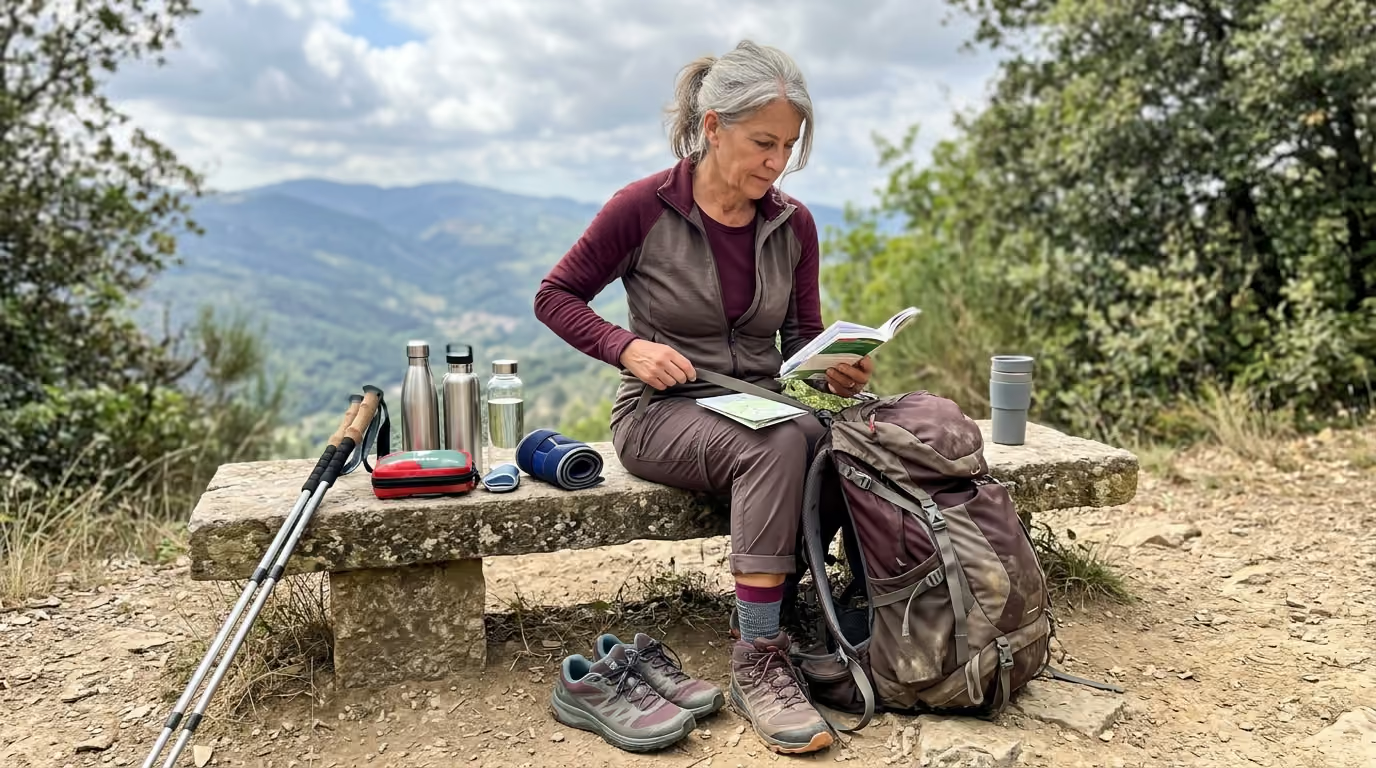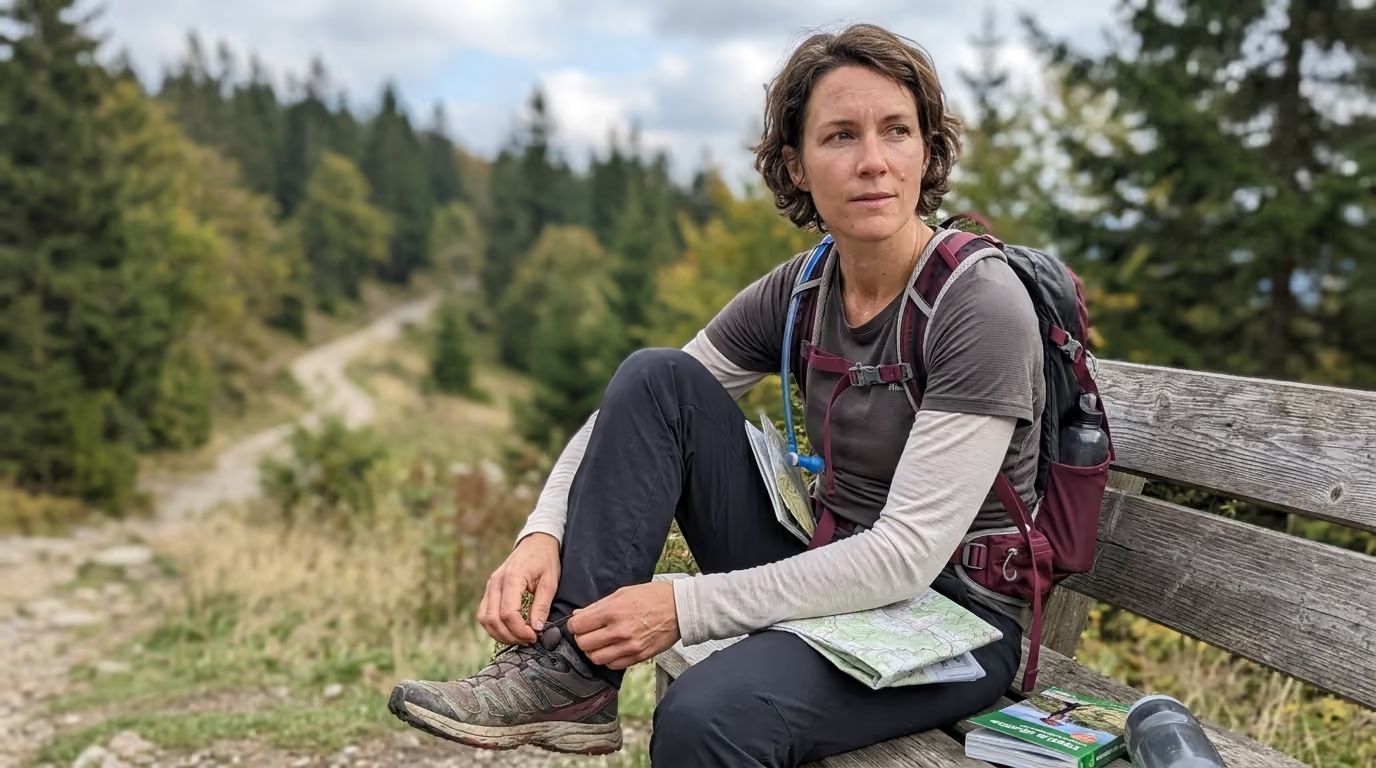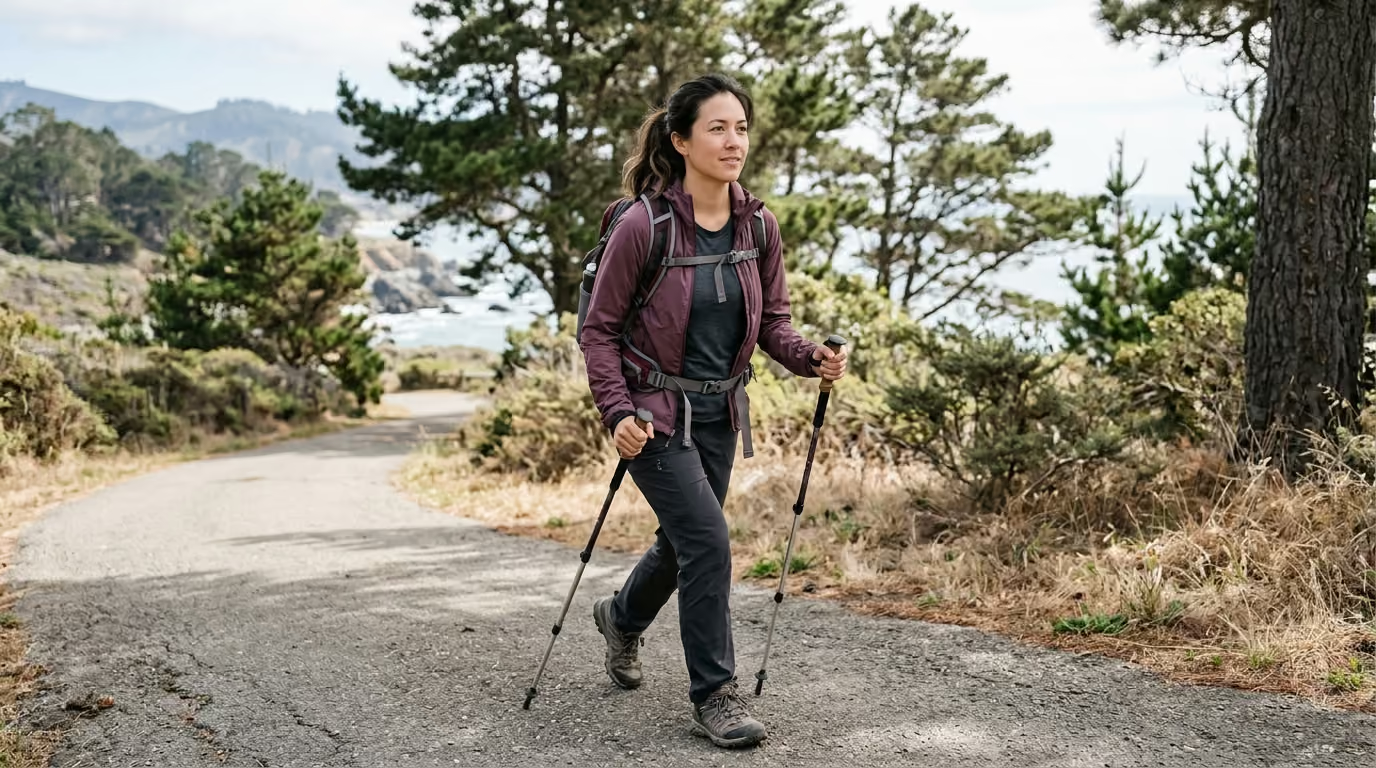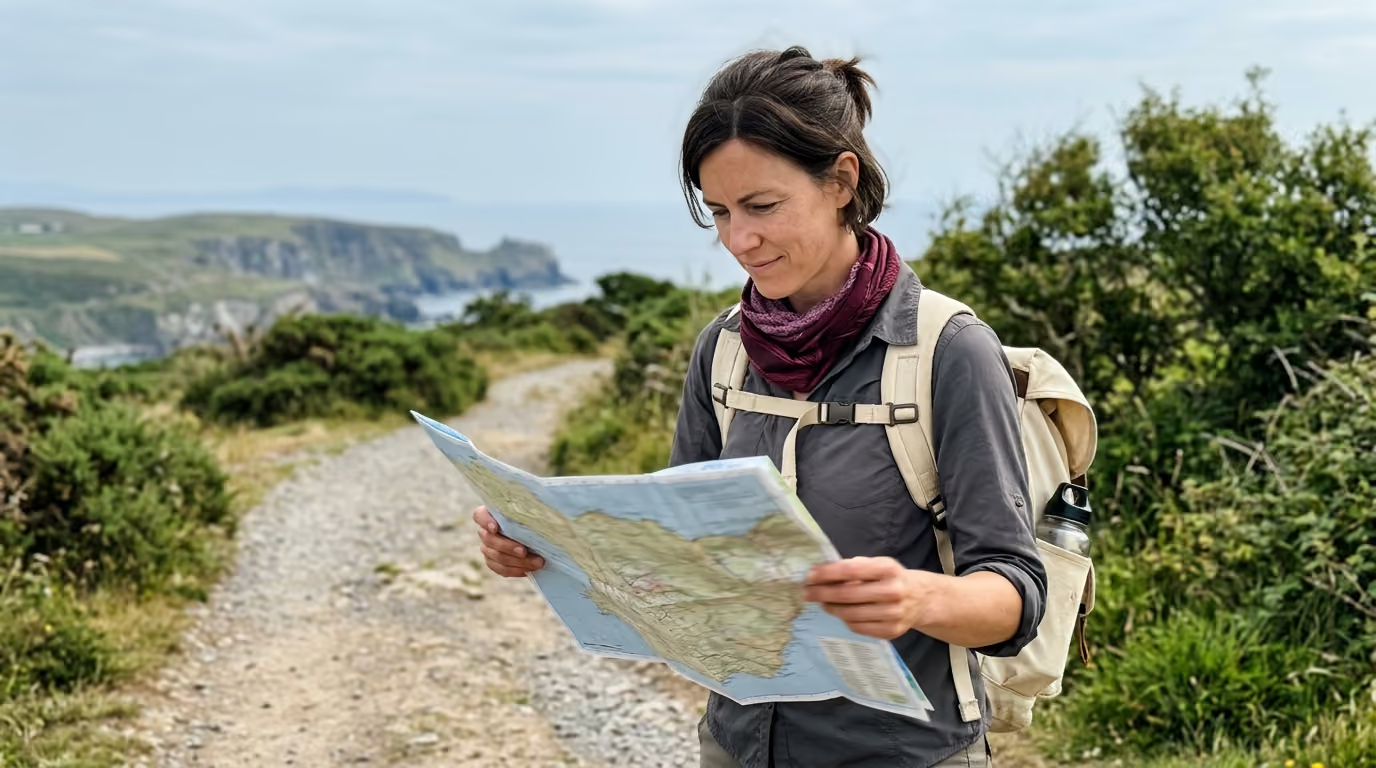

Six common active travel mistakes highlight how balancing physical exertion with structured recovery, proper fueling, and environmental adaptation prevents.





A sustainable adventure itinerary is not a test of how much physical exertion you can cram into a vacation. It is a structured operational plan that treats physiological recovery as an essential logistical requirement. When executed correctly, active travel balances physical exertion with deliberate periods of sleep, fueling, hydration, and environmental adaptation. This resource examines how to build multi-day itineraries that challenge your physical capacity while protecting your long-term health, joint integrity, and daily enjoyment.
Many active adults over forty mistakenly design trips using a spreadsheet model of fitness. They assume that if they can complete a four-hour hike at home, they can easily complete seven consecutive days of mountain trekking abroad. In reality, travel introduces non-exercise stressors that quickly compound. Long flights, unfamiliar beds, elevated temperatures, altitude, irregular meals, and heavy gear all draw from the same limited physiological reserve. By shifting your mindset from maximizing daily activity to managing total physical load, you can complete demanding journeys without finishing your holiday exhausted or injured.
A sustainable adventure itinerary is an intentional sequence of activity and recovery designed around human physiology. It is not an exercise in extreme endurance or total physical depletion. Instead, it is an itinerary where every challenging day is supported by adequate nutrition, sleep opportunity, and restorative pacing. The primary goal is to return home feeling energized, physically capable, and ready for your next destination rather than needing another vacation to recover from your trip.
The core principle behind this approach is simple. You must plan for how much physiological and psychological stress your body can absorb while still sleeping soundly, repairing tissue, and making sharp decisions. When you travel, your body does not differentiate between the physical strain of climbing a steep pass and the systemic stress of sleeping four hours on an overnight flight. Both deplete your nervous system and metabolic reserves.
Practical application requires shifting your focus from total miles covered to the quality of your daily adaptation. If you schedule your most demanding summit push after three nights of poor sleep and two days of rapid altitude gain, your risk of acute fatigue and injury multiplies. Conversely, inserting a dedicated recovery day before a peak effort allows your muscles to reload glycogen stores and your nervous system to reset. Sustainable trip design ensures that you experience the best moments of your journey with strength, mental clarity, and physical confidence.
You can learn more about balancing physical readiness and long-distance travel by reviewing our resources on healthy aging and performance strategies.
To design an itinerary that works, you must understand the difference between training load and total travel load. In sports science, training load refers strictly to the physical stress of an exercise session. It is calculated using duration, distance, pace, elevation change, and pack weight. When you train at home, this load exists within a controlled environment where you control your sleep, meals, and daily routine.
Total travel load includes exercise alongside every background stressor your body encounters away from home. The true physiological cost of an active trip is the sum of exercise stress, travel disruption, environmental stress, sleep deficit, nutritional irregularity, and the cognitive demands of navigating unfamiliar terrain. Two days with identical mileage can produce entirely different biological costs. A flat walk in cool weather after an eight-hour night of sleep requires minimal recovery. The same distance across loose talus at high altitude after an overnight flight creates massive systemic strain.
The International Olympic Committee describes acute workload as the short-term stress of the preceding week, while chronic workload represents your baseline training over the previous month. Injury risk often rises when travelers encounter a large familiarity gap. This occurs when your acute travel load suddenly spikes far beyond your chronic training base. A traveler accustomed to walking six thousand steps on flat pavement who suddenly attempts eighteen kilometers of steep mountain descent with a heavy pack creates an extreme acute load spike.
The body responds to physical stress through a cycle of depletion, recovery, and adaptation. When you hike, cycle, or paddle, you create microscopic muscle damage and deplete carbohydrate stores. If you supply protein, carbohydrates, hydration, and restful sleep, your tissues repair themselves and adapt to the workload. When you repeat strenuous exercise before this recovery process completes, you enter a state of short-term functional overload. This state is marked by heavy legs, poor coordination, irritability, disrupted sleep, and compromised decision-making in technical terrain.
To maintain long-term physical resilience across demanding excursions, explore our guide to strength and physical performance.
A well-structured itinerary uses a predictable rhythm of hard, moderate, and easy days to prevent fatigue from accumulating unchecked. You should never stack multiple maximum-effort days back to back simply because the destinations are geographically adjacent. Instead, you must separate your trip into distinct categories of activity and recovery.
Understanding the specific role of each day type is vital for sound planning:
A common pitfall is confusing a buffer day with a physiological rest day. If your scheduled rest day involves hauling luggage through three train stations, walking twenty thousand steps on concrete, and eating a rushed meal, it is an activity-free day, not a stress-free day. True physical recovery requires minimal physical loading and low mental stress.
When designing your route, always place your primary objective or hero day after a period of deliberate preparation. Your most demanding climb or longest ride should never occur on day one or day two of a trip. Place your hardest day after you have secured at least one full night of local sleep, confirmed that your digestive system is handling local food, and completed a moderate test outing. Furthermore, build geographic stability into your itinerary by booking at least two consecutive nights in the same lodging following your most demanding day. This eliminates the physical burden of packing and transferring luggage while your body is trying to repair tissue.
For a deeper look at organizing your physical schedules on the road, visit our dedicated section on travel and adventure planning.
Nutrition and hydration on active vacations often fail due to logistical friction rather than a lack of knowledge. When you spend six to eight hours moving through wilderness areas, you burn significantly more energy than you do during a normal workday. If you rely solely on spontaneous hunger cues, you will almost certainly underfuel.
The International Olympic Committee highlights that low energy availability can impair endurance, muscular power, concentration, and immune function. In multi-day travel, this manifests as sudden mid-afternoon energy crashes, poor balance on rocky trails, and a higher risk of catching respiratory infections. You can eat three restaurant meals a day and still remain in an energy deficit if your breakfasts are light, your trail snacks are minimal, and your dinners are delayed by several hours.
Fueling must be treated as an architectural component of your route logistics. Before starting any demanding morning activity, consume easily digestible carbohydrates such as oatmeal, fruit, toast, or rice dishes. During activity lasting longer than two hours, consume steady amounts of carbohydrates every sixty to ninety minutes rather than waiting for an empty stomach. Carry foods that survive temperature swings and mechanical pressure inside a backpack, such as dried fruit, nut butter packets, savory crackers, and energy bars. Always pack an emergency reserve of three to five hundred calories beyond your planned duration in case of unexpected route delays.
Post-activity nutrition requires immediate attention once you complete your daily route. Research from sports nutrition consensus panels recommends consuming fifteen to twenty-five grams of high-quality protein shortly after hard exercise to initiate muscle tissue repair. Combine this protein with carbohydrates to replenish depleted muscle glycogen stores before you unpack your bags or head out for evening sightseeing.
Hydration requires an equally structured approach. The American College of Sports Medicine advises active individuals to prevent excessive dehydration, defined as losing more than two percent of baseline body weight, while avoiding overhydration. Drinking massive volumes of plain water without electrolytes can dilute blood sodium levels and cause dangerous exercise-associated hyponatremia. When sweating heavily in hot or dry conditions for more than two hours, incorporate sodium into your fluids through electrolyte tablets, oral rehydration packets, or salty trail snacks.
To study the metabolic requirements of sustained physical activity, read our guides on nutrition and metabolism.
Many experienced adults make predictable mistakes when transitioning from their home fitness routine to a travel itinerary. Recognizing these errors before you book your flights can save your joints, energy, and overall travel experience.
Cardiovascular fitness increases the amount of work you can perform, but it does not make your joints or nervous system immune to fatigue. Fit individuals often accumulate hidden fatigue faster because their cardiovascular systems allow them to push past early physical warnings. Tendons, ligaments, and glycogen stores still require time to recover, regardless of your aerobic capacity.
Many travelers schedule a non-hiking day in a historic city and assume it serves as a rest day. Walking ten miles on hard stone pavements, standing in museum queues, and dealing with urban heat creates substantial muscular load and spinal fatigue. A true recovery day requires minimal time on your feet and comfortable, temperature-regulated environments.
Travelers often want to tackle their dream hike immediately while they feel mentally fresh. However, your body is at its most vulnerable during the first forty-eight hours of a trip due to disrupted circadian rhythms, travel dehydration, and unfamiliar food. Placing your peak physical challenge on day one drastically increases your risk of acute fatigue, poor balance, and early burnout.
Aerobic fitness does not speed up the physiological process of altitude acclimatization. An elite marathon runner who ascends too quickly will suffer from acute mountain sickness just as readily as an untrained individual. Altitude adaptation requires gradual sleeping-elevation gains and slow pacing, not cardiovascular grit.
Drinking double espressos to power through an intense hike after four hours of sleep masks subjective tiredness while leaving your reaction time and muscular coordination severely degraded. Research demonstrates that while caffeine increases short-term alertness, it cannot restore physical motor control or cellular recovery. Stimulants combined with physical exhaustion significantly elevate your risk of trips, falls, and joint sprains on technical trails.
The urge to complete every item on a pre-booked itinerary often overrides sound physical judgment. Continuing to push through sharp joint pain, severe lethargy, or gastrointestinal distress turns a temporary physical setback into a multi-week injury. A sustainable itinerary always incorporates the flexibility to shorten a route, take an alternative transport option, or swap a strenuous day for a quiet afternoon.
For deeper insights into the biological mechanics of physical restoration, review our resources on recovery and regeneration.
Environmental stressors alter your physiological workload. When you introduce high altitude or extreme heat, your heart rate and perceived exertion increase substantially for any given pace. If your itinerary does not account for these environmental barriers, your body will rapidly break down.
Ascending to high elevations lowers atmospheric pressure, reducing the amount of oxygen molecules per breath. The Centers for Disease Control and Prevention and the Wilderness Medical Society publish clear clinical parameters for safe altitude progression:
A sustainable mountain itinerary separates daytime excursion altitude from nighttime sleeping altitude. You can hike to a higher viewpoint during the day provided you descend to a lower, safer altitude to sleep. Never schedule the most demanding summit attempt of your trip on your first or second day in a mountainous region. Always establish a low-intensity baseline at your base lodge before pushing into higher alpine zones.
Heat adds an immense cardiovascular burden because your body must circulate blood to working muscles while simultaneously shunting blood to the skin for evaporative cooling. The National Institute for Occupational Safety and Health notes that full biological heat acclimatization requires seven to fourteen days of progressive exposure. During this window, your body gradually increases sweat rate, conserves sodium, and improves plasma volume.
Because most active holidays last less than two weeks, you cannot expect complete heat acclimatization during your trip. You must manage heat through strict itinerary scheduling rather than physiological adaptation:
To learn more about environmental management and performance science, explore our section on travel and human performance.
Sleep is the single most effective biological mechanism for physical tissue repair, immune function, and neurological restoration. Unfortunately, active travel often creates the exact conditions that sabotage sleep: time-zone shifts, early alarms, unfamiliar mattresses, ambient noise, and late-night travel logistics.
Sports medicine consensus statements identify seven to nine hours of nightly sleep as the standard baseline for healthy adults. When undertaking repeated days of strenuous physical activity, your sleep requirement often expands. Systematic reviews in athletic populations indicate that extending nightly sleep by forty-six to one hundred thirteen minutes substantially improves physical performance, reaction time, and daytime energy. Strategic daytime naps lasting twenty to ninety minutes can also restore physical coordination and alertness following a night of fragmented sleep.
Jet lag is a formal circadian disruption that occurs when your internal biological clock is desynchronized from the local solar cycle. Research shows that traveling eastward across multiple time zones produces significantly more severe circadian disruption, daytime fatigue, and loss of muscular power than traveling westward. These negative performance effects are particularly pronounced during the first seventy-two hours after arrival.
To protect your physical capacity across major time-zone crossings, structure your itinerary around sleep opportunity rather than optimistic assumptions:
For comprehensive guides on optimizing your circadian rhythm and nighttime rest, browse our articles on recovery and sleep.
You do not need complicated tracking software or laboratory equipment to build a safe, highly functional adventure itinerary. Applying a simple, repeatable planning method before you leave and each morning of your trip provides all the protection you need against overtraining and exhaustion.
Before finalizing your trip schedule, score each planned day from zero to two across five primary dimensions:
Add the scores for each day to generate a total daily score between zero and ten. Any day that scores eight or higher represents a heavy physiological stressor. As a rule, never place two high-stress days (scores of 8 to 10) consecutively. Always separate high-stress days with a low-stress day scoring four or lower.
Every morning of your journey, take three minutes before breakfast to assess your physical state using a simple traffic-light system:
This daily operational check ensures that your schedule adapts to real-world biological feedback rather than blindly following a static calendar.
Modern exercise science, sports medicine, and travel health organizations have established clear consensus principles regarding human load management. The broader scientific community agrees on several non-negotiable realities concerning physical stress, recovery, and environmental exposure:
Building an active itinerary around these evidence-based realities ensures that your physical capacity remains high from the first day of your trip to the last.
Adults over forty maintain excellent cardiovascular endurance but generally require slightly longer recovery windows for tendon remodeling, muscle protein synthesis, and joint lubrication. When planning trips, older adults should avoid scheduling consecutive high-impact downhill hiking days, which place high eccentric strain on knees and hips. Incorporating dedicated recovery days, staying multiple nights in each location, utilizing trekking poles to reduce lower-body impact forces, and maintaining consistent daily protein intake (1.2 to 1.6 grams per kilogram of body weight) will help preserve joint comfort and muscular power throughout the trip.
Solo travelers lack a companion to observe early signs of heat illness, cognitive confusion, altitude sickness, or deteriorating physical coordination. As a result, solo itineraries require larger safety buffers. Solo travelers should choose conservative route distances, establish firm daily turnaround times regardless of how close they are to a summit, carry two-way satellite communication devices, and leave detailed daily route plans with accommodation staff or family members. If an amber or red warning sign appears during a morning check, a solo traveler should immediately choose the conservative route alternative.
If you contract a respiratory infection or gastrointestinal bug during your trip, immediately pause all strenuous activity. Exercising with a systemic illness elevates your heart rate, accelerates dehydration, and can cause prolonged post-viral fatigue. Once acute symptoms such as fever, vomiting, or diarrhea resolve, restart your activity with a light test day at no more than forty percent of your planned volume. Do not attempt to make up for lost days by doubling up on hikes later in the week.
Technical activities such as scrambling, mountain biking, sea kayaking, or via ferrata require constant cognitive processing, balance, and fine motor control. This places heavy demands on your central nervous system, grip strength, and stabilizer muscles. Technical fatigue often manifests as loss of foot precision, slow reaction times, and mental hesitation long before your lungs or large leg muscles feel exhausted. Always place technical sessions early in your trip after restful sleep, and avoid technical terrain at the end of long, exhausting endurance days.
Stay connected for research and practical guidance on longevity, strength, recovery, energy and active living. New ideas to help you stay capable, curious and ready for more.


Explore practical guidance on strength, recovery, energy, travel and longevity for a life that stays active.
explore the Blog