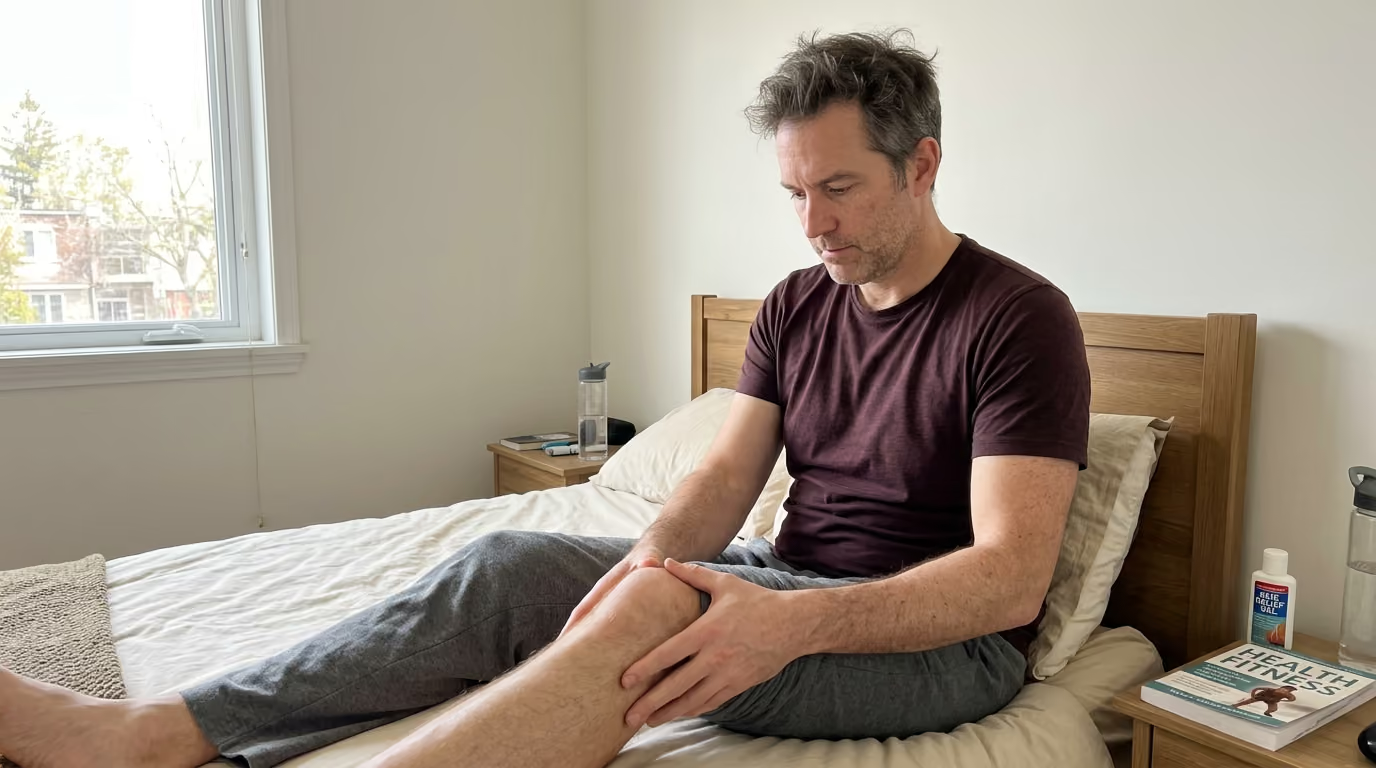

Expensive recovery tools promise rapid results, but true physiological adaptation requires strategically funding foundational sleep, nutrition.





Most people treat physical recovery like an impulse purchase at a checkout counter. When fatigue sets in or joints ache, the instinctive reaction is to buy a new device, book an exotic treatment, or purchase another supplement. This consumer approach creates a cluttered collection of gadgets and empty bottles rather than genuine physical restoration. Recovery is not a shopping problem. It is a capital allocation problem.
Every active adult operates with finite resources. You have a limited supply of time, money, cognitive energy, and physical tolerance. When you spend these resources haphazardly, you end up underfunding the foundational behaviors that drive genuine biological adaptation. You might spend two hours traveling to a specialized therapy session while routinely shortchanging your sleep by ninety minutes every night.
A personal recovery budget solves this imbalance by providing a structured decision-making system. It forces you to evaluate every intervention by its return on investment. You learn to prioritize high-impact biological essentials before directing capital toward specialized treatments, technology, or premium services. The goal is not to eliminate advanced recovery tools, but to purchase them in an order that actually enhances your physical capability.
When managed correctly, an effective recovery budget restores your vitality, safeguards your healthspan, and ensures you remain capable of pursuing demanding adventures for decades to come. By treating your physical restoration with the same rigor you apply to a financial portfolio, you eliminate wasted spending and protect your most valuable asset: your functional capacity.
To build an intelligent recovery plan, you must understand the critical difference between recovery capacity and recovery tools. Recovery capacity represents your body's internal biological ability to restore energy reserves, repair structural tissues, regulate systemic stress, and adapt to physical demands. This internal engine relies on fundamental physiological processes such as cellular autophagy, protein synthesis, mitochondrial biogenesis, and parasympathetic nervous system dominance.
Recovery tools are external interventions intended to support or accelerate those natural processes. These include massage guns, compression boots, ice baths, infrared saunas, wearable monitors, and specialty supplements. While these tools can alter subjective sensations or provide acute relief, they do not create biological recovery on their own. They merely facilitate or modulate the capacity that your lifestyle already supports.
A specialized tool cannot compensate for a severe deficit in sleep, calories, protein, or medical management. If your cellular energy is depleted and systemic inflammation is elevated from chronic exhaustion, sitting in a cold plunge will not repair the underlying deficit. You cannot purchase a device that replaces eight hours of quality sleep or a nutrient-dense meal. When resources are limited, investing in tools while neglecting capacity is the fastest route to burnout.
Viewing recovery through a biological lens clarifies where your investments should go. True restoration occurs when the parasympathetic nervous system takes over, lowering your heart rate, reducing cortisol, and directing blood flow to digestive and cellular repair processes. Interventions that support this state naturally produce the highest physiological return. If an expensive recovery modality increases your logistical stress or cuts into your resting time, it actively degrades your recovery capacity despite its marketing claims.
An effective recovery budget organizes investments into a clear hierarchy. You fund the lower foundational layers completely before allocating remaining capital to the higher tiers. This six-layer model guarantees that your basic biological needs are never compromised for the sake of novelty.
This layer represents the non-negotiable biological inputs required for human survival and physical adaptation. It includes adequate sleep opportunity, balanced energy intake, sufficient protein, appropriate hydration, and basic stress regulation. These behaviors cost very little money, but they require consistent time and personal discipline.
Adults require at least seven hours of sleep per night to maintain basic metabolic and cardiovascular health. According to data from the Centers for Disease Control and Prevention, approximately 30.5% of American adults fail to achieve this seven-hour minimum. Chronic sleep restriction contributes to insulin resistance, systemic inflammation, impaired muscle protein synthesis, and cognitive decline. If Layer 1 is underfunded, no intervention in the higher tiers will produce lasting results.
The second layer addresses the structural conditions that make foundational habits possible. Discipline is rarely enough if your physical environment works against you. This layer includes a dark, quiet, temperature-regulated bedroom that promotes uninterrupted sleep cycles. It also encompasses reliable access to high-quality groceries, basic cooking equipment, and dedicated time protected from professional demands.
Investing in your environment reduces the daily friction of making healthy choices. Upgrading your bedroom blackout shades or setting up a streamlined kitchen prep system yields far greater long-term recovery dividends than purchasing a high-tech gadget. When your surroundings support rest and nourishment effortlessly, your baseline recovery capacity increases without draining your willpower.
Recovery is dictated by the total volume of physical, mental, and environmental stress you absorb. Layer 3 focuses on managing this cumulative load. The World Health Organization recommends that adults accumulate 150 to 300 minutes of moderate aerobic activity, or 75 to 150 minutes of vigorous activity weekly, combined with muscle-strengthening exercises on two or more days.
Exceeding your current physical capacity without planned deload periods leads to accumulated fatigue and tissue breakdown. Workload management requires deliberate scheduling of easy movement days, structured rest periods, and realistic boundaries around occupational demands. Proper periodization in your training and work life costs nothing, yet it prevents the systemic exhaustion that expensive therapies attempt to treat. You can explore structured approaches to physical progression within our healthy aging and living well guides.
Once your habits, environment, and workloads are aligned, you can introduce accessible, self-directed recovery tools. This tier includes low-intensity walking, gentle mobility drills, self-myofascial release, hot baths, and brief daytime naps. These practices stimulate blood flow, ease muscular tension, and promote parasympathetic tone without requiring significant financial investment.
A twenty-minute walk in natural daylight helps regulate circadian rhythms and clears metabolic byproducts from hard training. A simple foam roller or lacrosse ball can relieve focal muscular stiffness before it alters your movement mechanics. These basic tools are highly effective because they can be used consistently at home without scheduling appointments or navigating commute times.
Layer 5 involves deploying financial capital for specialized human expertise. This category includes physical therapy, clinical nutrition counseling, licensed sports massage, sleep medicine evaluations, and strength coaching. These services provide immense value when directed at a specific, diagnosed constraint or movement limitation.
The key to spending wisely in Layer 5 is precision. Consulting a physical therapist to resolve an asymmetric hip restriction produces a measurable, lasting return. Conversely, booking weekly passive treatments without addressing the root cause of your movement dysfunction is an inefficient use of resources. Professional expertise should aim to restore your independent capacity, not create an ongoing financial dependency.
The final tier consists of specialized consumer recovery products and luxury wellness modalities. This includes pneumatic compression boots, commercial infrared saunas, cryotherapy chambers, cold plunge tubs, and wearable biometric trackers. These technologies offer convenience, acute comfort, and marginal performance advantages for individuals whose foundational layers are already optimized.
While these modalities can be enjoyable additions to an active lifestyle, they are luxury purchases rather than prerequisites for health. Investing heavily in Layer 6 while neglecting Layers 1 through 3 is a misallocation of capital. Premium technology should serve as the finishing polish on an already solid recovery foundation, never as a substitute for it.
When evaluating recovery options, most people look exclusively at the retail price tag. However, time and logistical friction are often the most scarce currencies for active professionals. A treatment that appears cost-effective on paper can easily become an expensive burden when you account for the total time commitment required to execute it.
Consider a sixty-minute specialty recovery session, such as a boutique contrast therapy circuit or an assisted stretching appointment. If that session requires twenty-five minutes of driving each way, ten minutes of parking, and fifteen minutes of check-in and shower time, your actual investment is two hours. You must evaluate whether those 120 minutes generate a higher physiological return than two additional hours of sleep, a relaxed home-cooked meal, or an unstructured evening with family.
Opportunity cost represents the valuable activities you must sacrifice to accommodate a recovery practice. If waking up early to sit in a cold plunge cuts your sleep duration down to six hours, that intervention carries a net-negative biological return. You are trading a primary physiological foundation for a secondary acute stimulus. Every entry in your recovery budget must be weighed against what it displaces.
Protected recovery time is an essential line item that costs no money but requires strict boundaries. It involves blocking out periods in your weekly calendar where no demanding physical or cognitive tasks are scheduled. Protecting an open Sunday morning or establishing a firm evening work cutoff creates the physiological space needed for autonomic nervous system balance. Time spent doing nothing demanding is often the highest-yielding recovery investment available.
Nutrition and movement form the twin metabolic pillars of your recovery capacity. Before spending money on boutique supplements or cellular optimization formulas, your budget must fully support fundamental macronutrient and energy requirements. Without adequate fuel, your body cannot repair damaged muscle tissue, synthesize neurotransmitters, or maintain hormonal equilibrium.
Energy availability is the foundation of structural repair. If you are training hard while chronically undereating, your body enters a catabolic state where bone density, immune function, and reproductive hormones are compromised. For active individuals engaged in regular exercise, the International Society of Sports Nutrition recommends a daily protein intake between 1.4 and 2.0 grams per kilogram of body weight. This level supports muscle protein synthesis, blunts delayed-onset muscle soreness, and protects lean mass as you age.
Meeting this protein target through whole foods such as wild fish, pasture-raised poultry, eggs, and legumes should be your primary dietary expenditure. Specialty amino acid blends, collagen shots, and meal replacement powders are secondary conveniences. If your grocery budget is constrained, allocate funds toward nutrient-dense whole foods before purchasing commercial workout supplements. You can explore targeted nutrition strategies in our dedicated nutrition and metabolism resources.
Hydration directly affects cardiovascular efficiency, nutrient transport, and joint lubrication. Dehydration thickens blood viscosity, forcing your heart to work harder to deliver oxygen to recovering tissues during and after exercise. However, an effective hydration budget does not require expensive bottled electrolyte formulas for everyday activities.
Your baseline hydration needs can be met with clean, mineral-rich water and a balanced whole-food diet containing natural sodium and potassium. Targeted electrolyte supplementation becomes valuable during prolonged endurance sessions, intense heat exposure, or extended air travel. Budget for specialized hydration products based on your specific environmental demands rather than consuming them habitually at a desk.
Exercise serves as the stimulus for physical adaptation, but the adaptation itself occurs during periods of rest. Pushing your training volume beyond your body's ability to recover results in chronic systemic inflammation, elevated resting heart rates, and degraded athletic performance. A sound recovery budget balances high-intensity work with dedicated low-intensity active recovery.
Active recovery sessions, such as zone 2 cycling, swimming, or easy hiking, promote circulation and metabolic clearance without adding structural fatigue. The World Health Organization emphasizes replacing prolonged sedentary periods with light activity throughout the day. Incorporating regular, low-load movement into your schedule preserves joint mobility and tissue health far more effectively than remaining completely sedentary between intense workouts. For structured training guidance, review our strength and physical performance frameworks.
Demanding travel environments expose the flaws in a poorly constructed recovery budget. Long-haul flights, shifting time zones, elevation changes, and unfamiliar hotel beds create substantial physical and cognitive stress. When preparing for an active trip, you must direct your recovery resources toward preserving functional capability rather than relying on heavy equipment you cannot transport.
Last winter in Chamonix, I noticed something striking. It was not the altitude that forced my peers into the lodge by noon, it was a lack of rotational strength and poor recovery from the flight. We spend so much time debating the perfect supplement stack, yet we neglect the basic foundational strength required to actually enjoy our travels. That trip changed how I approach fitness. I stopped training for aesthetics and started training exclusively for capability.
When traveling for alpine sports or backcountry adventures, your recovery budget must focus on mitigating environmental disruption. Prioritize circadian alignment upon arrival by securing immediate morning sunlight, maintaining adequate hydration on pressurized aircraft, and keeping your meal timing synchronized with your destination. A pair of lightweight resistance bands and a massage ball take up minimal luggage space while allowing you to address tissue stiffness in your hotel room.
Managing your recovery while exploring unfamiliar terrain also means protecting your energy reserves during the adventure itself. Pushing to exhaustion on the first day of an expedition jeopardizes the remainder of your itinerary. Allocating time for an afternoon rest, maintaining proper caloric intake on the trail, and adjusting your pacing ensures that you remain sharp, safe, and mobile throughout the journey. You can read more about managing travel demands in our travel and human performance section.
The commercial recovery market is filled with bold promises regarding rapid cellular repair, detoxification, and accelerated performance. As an educated consumer, you must look past aggressive marketing claims and evaluate what peer-reviewed research actually demonstrates. The following assessments outline the practical benefits, limitations, and appropriate budget allocation for popular recovery modalities.
Massage therapy is one of the most widely used recovery interventions worldwide. A systematic review published in Frontiers in Physiology evaluated various post-exercise recovery strategies and found that massage was among the most effective methods for reducing delayed-onset muscle soreness and lowering perceived fatigue. However, the evidence also indicates that while massage significantly improves subjective feelings of recovery, its impact on objective physiological markers and subsequent muscular strength is modest.
Cold-water immersion involves submerging the body in water temperatures between 10 and 15 degrees Celsius for 10 to 15 minutes. A study in the European Journal of Applied Physiology noted that cold-water immersion effectively blunts acute inflammation and reduces the sensation of muscle soreness following intense exertion. However, research also shows that regular post-exercise cold immersion can attenuate long-term muscle hypertrophy and strength adaptations by dampening natural inflammatory signaling cascades required for muscle remodeling.
Pneumatic compression boots use sequential dynamic inflation to apply pressure to the limbs, mimicking the natural muscle pump to assist venous return. Meta-analyses examining compression interventions indicate small to moderate reductions in delayed-onset muscle soreness and modest improvements in perceptual recovery. However, their effects on physiological markers of muscle damage, such as creatine kinase clearance, remain inconsistent across literature.
Consumer wearables provide continuous tracking of resting heart rate, heart rate variability, sleep duration, and activity levels. A comprehensive review published in the Journal of Medical Internet Research demonstrated that while consumer trackers exhibit high accuracy for measuring step counts and resting heart rate, their validity for estimating precise sleep stages and energy expenditure is considerably lower. Devices frequently misclassify sleep architecture and can overestimate or underestimate caloric burn by substantial margins.
The most efficient way to maximize your recovery budget is to find your minimal effective dose. This principle dictates that you apply the smallest intervention necessary to produce the desired physiological adaptation or symptom relief. Adding excessive layers of complexity to your routine creates logistical fatigue and obscures which behaviors are actually driving your progress.
To identify what works for your specific physiology, conduct structured N-of-1 personal experiments. Instead of changing multiple habits simultaneously or adopting an elaborate new protocol, test a single variable across a two-week testing block. This scientific approach keeps your spending focused and provides clear data on your personal return on investment.
This self-auditing method prevents wasted capital on ineffective treatments. A practice that delivers transformative results for another person might yield zero benefit for your physiology. By systematically testing individual interventions against your real-world performance, you build a lean, highly personalized recovery protocol that fits your life.
As your personal and professional circumstances evolve, your recovery budget must adapt. Applying a rigid, one-size-fits-all recovery formula across different decades or occupational demands leads to frustration and poor outcomes. Recognizing common financial and behavioral traps ensures your capital remains directed where it matters most.
A common mistake among active adults is attempting to cure chronic sleep onset issues exclusively through commercial sleep hygiene products. Sleep hygiene practices, such as blue-light blocking glasses, chamomile teas, and sound machines, are valuable for general comfort. However, clinical guidance from the American Academy of Sleep Medicine states that sleep hygiene alone is ineffective as a stand-alone treatment for chronic insomnia.
The American Academy of Sleep Medicine firmly recommends Cognitive Behavioral Therapy for Insomnia, known as CBT-I, as the first-line clinical intervention for chronic sleep disturbances. CBT-I addresses the underlying cognitive arousal, conditioned bed-related anxiety, and behavioral patterns that sustain insomnia. If you struggle with persistent sleep disruption lasting longer than three months, reallocate your capital away from sleep gadgets and consult a licensed behavioral sleep medicine specialist.
Another frequent pitfall is relying entirely on passive modalities to manage chronic joint or tendon discomfort. Receiving weekly soft-tissue treatments, applying therapeutic heat, or using localized vibration devices can temporarily desensitize irritated nerve endings. However, passive therapies do not rebuild tendon load capacity, improve joint stability, or correct underlying movement dysfunctions.
Tendon and joint remodeling requires progressive, structured mechanical loading under the guidance of a qualified physical therapist. Spending thousands of dollars on recurring passive treatments while avoiding progressive resistance exercise leaves tissues fragile and prone to reinjury. Direct your recovery budget toward active physical rehabilitation that builds true structural resilience. For additional reading on physical longevity, visit our recovery and regeneration resources.
Your recovery strategy must reflect your current life constraints:
Managing a disciplined recovery budget ensures that your physical capacity consistently matches your ambition, keeping you strong, resilient, and ready for whatever adventure comes next.
Stay connected for research and practical guidance on longevity, strength, recovery, energy and active living. New ideas to help you stay capable, curious and ready for more.


Explore practical guidance on strength, recovery, energy, travel and longevity for a life that stays active.
explore the Blog