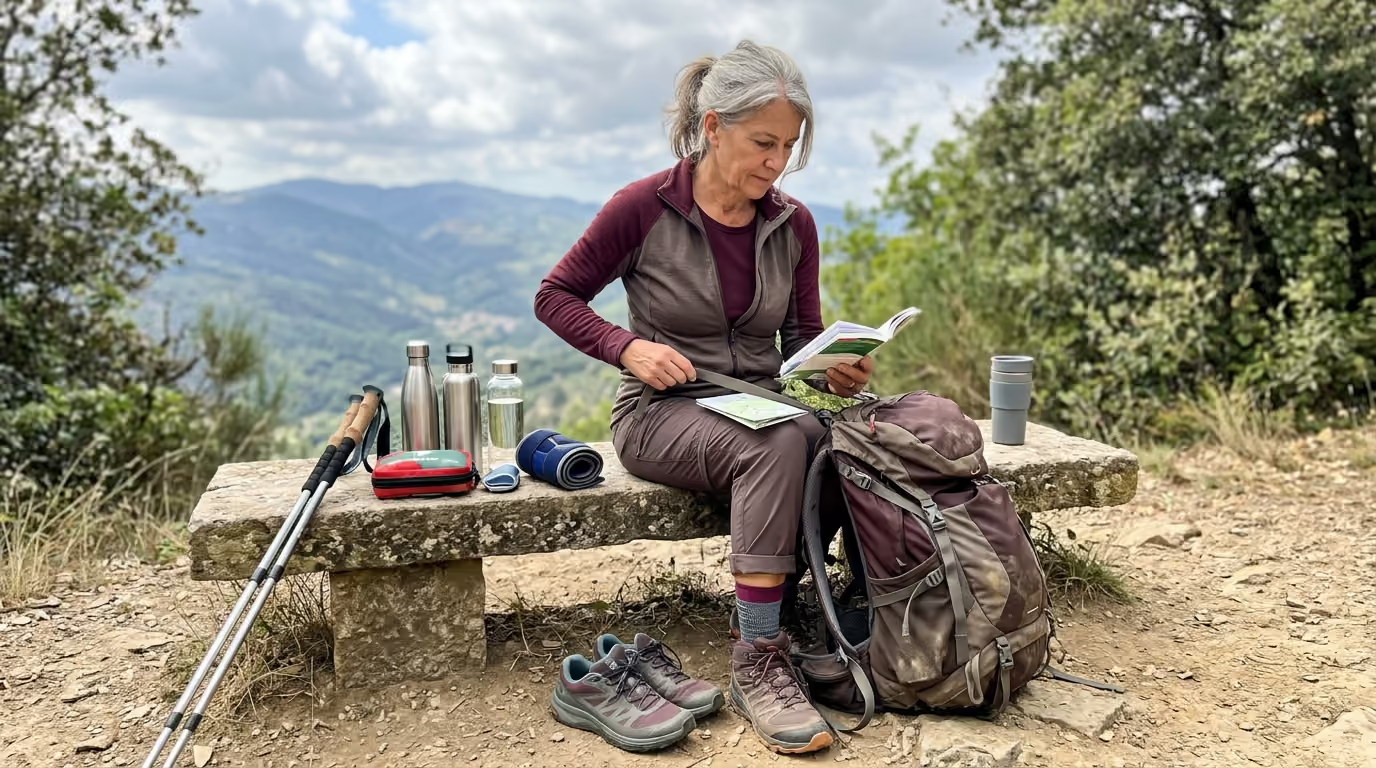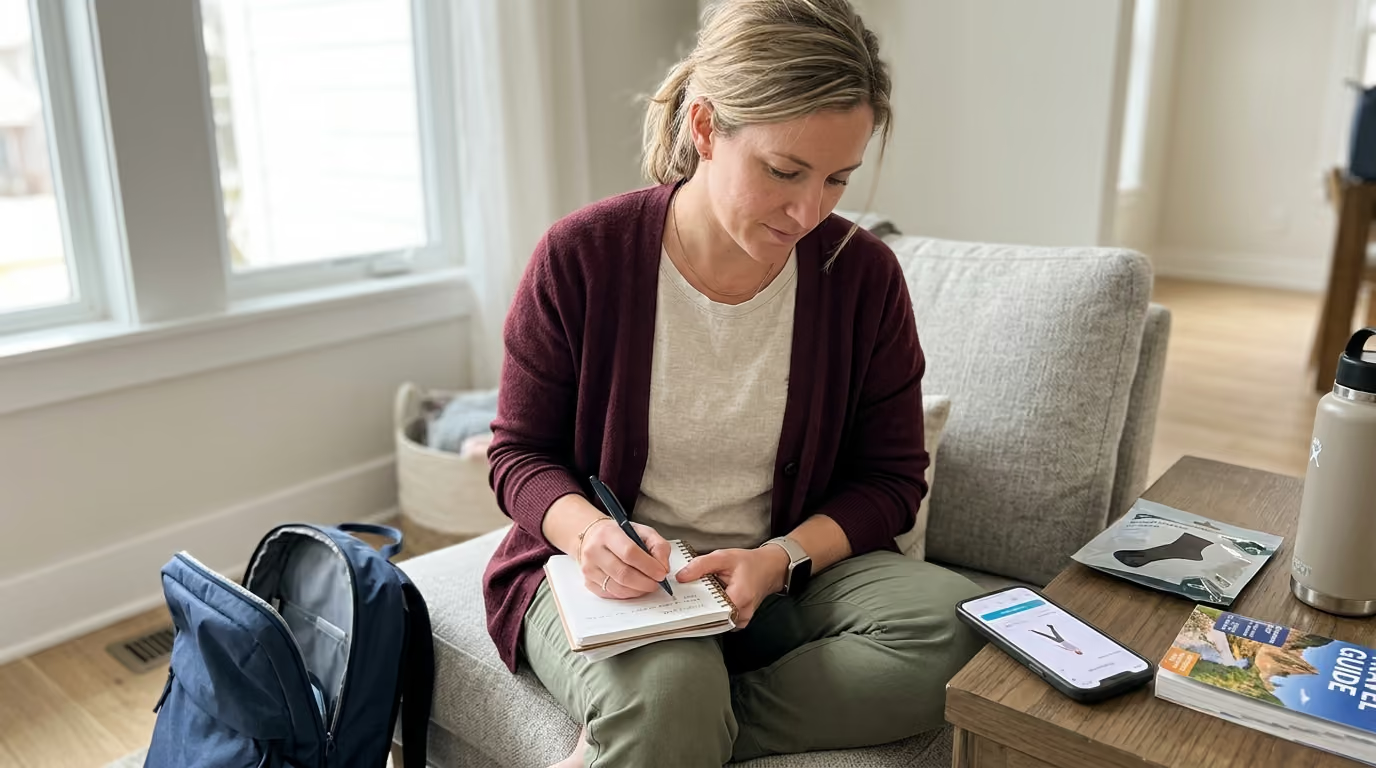

Complete physical resilience and reduced travel fatigue during extended journeys require smart movement habits, deliberate hydration, and strategic post-arrival recovery routines.





Long-distance travel preparation is not a collection of extreme fitness routines, rigid wellness fads, or passive endurance tests. It is an operational system designed to protect physical performance, joint health, and energy during extended transit. Whether crossing oceans by air, driving across continents, riding long-distance rail, or voyaging by sea, prolonged travel presents real physical demands. This playbook details how active adults can manage immobility, maintain circulation, protect sleep architecture, and arrive ready for adventure or business.
Physical travel readiness means anticipating the strains of transit and giving your body the baseline support it needs. It involves targeted movement, deliberate hydration habits, smart clothing choices, and structured post-arrival routines. By approaching travel as an athletic transition rather than dead time, you maintain physical independence and vitality across every leg of the journey.
Long-distance travel places the body in an unnatural physiological state. According to World Health Organization definitions, travel constitutes sedentary behavior characterized by low-energy expenditure while seated or reclining. The primary mechanical stressor is prolonged immobility, which restricts the natural range of motion of your hips, knees, and ankles. When you sit for extended periods, the hip flexors remain in a shortened position while the gluteal muscles remain inactive. This posture alters pelvic alignment, increases pressure on the lumbar spine, and causes general muscle stiffness.
The circulatory system experiences specific challenges during extended transit. In a normal active state, the calf muscles contract during walking, acting as a muscular pump that propels venous blood upward toward the heart. Prolonged sitting minimizes this calf muscle pump action, leading to venous stasis where blood pools in the lower extremities. Research from the Centers for Disease Control and Prevention indicates that long-distance transit lasting more than four hours increases the risk of venous thromboembolism, including deep-vein thrombosis and pulmonary embolism. While the absolute risk for healthy travelers remains low, the physiological strain of fluid accumulation and reduced venous velocity affects tissue oxygenation and post-travel comfort.
Dry transit environments compound physical fatigue. Modern commercial aircraft cabins maintain relative humidity levels between 10 percent and 20 percent, which is drier than most terrestrial deserts. This dry air increases insensible fluid loss through respiration and the skin, drying out mucous membranes in the upper respiratory tract. While dehydration alone does not directly cause blood clots, it increases susceptibility to headaches, eye irritation, voice strain, and lethargy. Understanding these physiological mechanisms allows you to choose sensible counter-strategies rather than relying on extreme or unproven methods.
Circadian disruption represents another major physiological stressor during international transit. Jet lag is distinct from simple travel fatigue or acute sleep loss. Travel fatigue arises from the logistical friction, noise exposure, continuous sitting, and cognitive strain of the journey itself. Jet lag occurs when crossing multiple time zones forces a desynchronization between your internal central circadian clock and local environmental time. This mismatch disrupts core body temperature fluctuations, digestive enzyme secretion, and nocturnal melatonin production, leaving you feeling mentally foggy and physically uncoordinated.
A systematic travel preparation plan begins with a clear assessment of your journey and personal baseline. Not all trips exert the same physical toll on the body. A twelve-hour rail journey with frequent station stops offers vastly different physical demands than a six-hour non-stop flight with restricted aisle access. Evaluating your trip through a structured lens ensures that your physical preparation matches the exact demands of the itinerary.
To assess your physical travel load, analyze your upcoming itinerary across five distinct variables:
Travelers over age 40 should assess individual risk factors that may require individualized medical guidance before departure. The CDC Yellow Book emphasizes that travel-associated venous thromboembolism risk rises significantly when situational immobility combines with underlying medical conditions. You should review your health profile and consult a qualified physician if specific risk factors apply.
Review whether you have a personal history of deep-vein thrombosis, pulmonary embolism, or known inherited clotting disorders. Recent major surgery, hospitalization, orthopedic injuries, or lower-limb immobilization within the previous six weeks warrant a medical discussion. Active cancer, ongoing cancer treatments, pregnancy, postpartum recovery, and the use of estrogen-containing hormone therapies also increase circulatory vulnerability. If you manage chronic cardiovascular, kidney, or pulmonary disorders, speak with your doctor to establish clear protocols for movement, medication schedules, and compression garments.
Travelers with no medical risk factors do not require aggressive medical interventions. For healthy individuals, the primary focus should be structured movement, smart hydration, and natural circadian alignment. You can find comprehensive longevity guidance across our healthy aging and living well resources to build a robust baseline before travel.
Preparation for long-distance travel should begin days before you pack your bags. Waiting until the morning of departure often leads to hurried packing, acute sleep loss, and unnecessary physical stress. A planned timeline helps active adults build physical resilience, align circadian rhythms, and avoid arriving at the terminal in a state of exhaustion.
During the week leading up to your trip, maintain your standard physical activity routines without introducing sudden training spikes. The World Health Organization recommends that adults accumulate 150 to 300 minutes of moderate-intensity physical activity weekly. Focus on familiar joint mobility exercises, steady cardiovascular conditioning, and adequate foundational sleep. Avoid heavy, unaccustomed resistance training that creates severe delayed-onset muscle soreness right before departure, as sitting for hours with inflamed, sore muscles makes transit miserable.
For eastward travel across more than three time zones, begin adjusting your sleep schedule three days before departure. The American Academy of Sleep Medicine suggests shifting your bedtime and wake time 30 to 60 minutes earlier each day. Pair this earlier schedule with bright morning light exposure upon waking to advance your internal circadian phase. For westward travel, shift your bedtime slightly later and seek afternoon or early evening light exposure to delay your circadian rhythm.
Two days before departure, shift your attention to hydration, lower-body mobility, and packing essentials. Ensure that your travel bag includes your essential sleep kit, necessary medications, comfortable transit clothing, and convenient mobility tools like a lacrosse ball or mini resistance band. Keep all prescription medications in their original packaging inside your carry-on luggage rather than checked bags.
In the final 24 hours, hydrate adequately without overcompensating. Eat balanced meals rich in lean proteins, complex carbohydrates, and micronutrients to support digestive comfort. Minimize excessive sodium and ultra-processed meals that encourage fluid retention. Complete a 15-minute lower-body mobility routine focusing on the hips, ankles, and thoracic spine to ensure your joints are loose before entering transit.
On travel day, engage in a brisk 20-minute walk or light bodyweight circuit before heading to the departure terminal. Physical activity before sitting helps stimulate venous circulation, activates the postural musculature, and expends excess energy. Dress in comfortable, layered clothing that permits unrestricted abdominal breathing and full hip flexion. Confirm that your travel day nutrition aligns with your transit schedule, and limit heavy caffeine consumption to early hours.
Movement during transit is the most reliable way to maintain circulation, reduce muscle stiffness, and support physical well-being. Because you cannot always walk freely down airplane aisles or train corridors, your movement strategy should operate on multiple levels. Combining seated micro-movements with periodic standing walks ensures continuous circulatory support throughout the longest journeys.
You can perform seated exercises discreetly in any passenger seat without disturbing your seatmates. These movements contract the lower leg muscles, activating the calf pump mechanism to support venous return. Perform a set of these exercises every 30 to 45 minutes while awake:
Seated exercises complement, but do not completely replace, standing and walking. CDC guidelines recommend standing and walking every two to three hours during long-distance transit. When flying, choose an aisle seat whenever possible to allow effortless standing without disturbing others. Use trips to the restroom as opportunities to stand tall, perform gentle calf raises, and stretch your hip flexors in the galley area.
For road trips, schedule mandatory physical stops every two to three hours rather than driving continuously to save time. Spend five to ten minutes walking briskly around the rest area, performing walking lunges, and opening your chest with gentle arm swings. When traveling on passenger trains, take advantage of wide aisles to walk between cars during smooth stretches of track.
Relying on memory to move often fails when you are engrossed in a movie, reading, or working. Build systematic movement habits by anchoring physical activity to specific environmental triggers. Stand and walk immediately after an in-flight meal service is cleared, or perform ankle pumps every time a film ends. On road trips, make it an absolute rule to walk 500 steps every time you stop for fuel or coffee.
These structured movement intervals maintain joint mobility and lower-body circulation without requiring intense exertion. For additional strategies on maintaining physical conditioning during travel, study our physical performance and strength guides to keep your body capable wherever you go.
Every mode of long-distance transportation imposes unique physical constraints on the human body. An experienced traveler adapts preparation strategies to match the specific physical realities of the transit vehicle. Understanding these operational differences ensures your body remains comfortable and protected across all environments.
Commercial air travel combines low atmospheric pressure, minimal cabin humidity, and restricted legroom. The reduced barometric pressure can cause mild gas expansion in the gastrointestinal tract, making tight waistbands uncomfortable. To combat these conditions, prioritize loose clothing with elastic waistbands, pack a dedicated hydration bottle, and use a saline nasal spray periodically to protect your mucous membranes.
When settling into an airline seat, place personal items in the overhead compartment rather than under the seat in front of you. Keeping the floor area clear allows you to extend your knees, move your feet, and perform regular ankle mobility exercises. Sleep on long flights should align with your destination time zone, utilizing an eye mask and noise-canceling headphones to block ambient cabin light and engine roar.
Road trips give you full control over your itinerary but introduce unique physical demands for the driver. Driving requires sustained mental vigilance, fixed grip mechanics, and a static seated posture that strains the neck, shoulders, and lower back. Road vibration also contributes to spinal fatigue over extended driving stints.
Drivers must prioritize posture by adjusting seat lumbar support, maintaining a slight recline, and positioning mirrors to encourage an upright spine. Share driving responsibilities every two hours when possible. Never perform lower-body stretches or foot exercises while operating the vehicle. Drivers must treat fatigue as a critical safety limit, pulling over for rest rather than relying on caffeine to compensate for dangerous sleep debt.
Long-distance train travel provides significant physical advantages over flying and driving. Modern passenger trains feature wider seats, generous legroom, and the freedom to walk through corridors during transit. However, train motion creates sudden lateral sway that demands balance and core stability.
Take advantage of train travel by walking through the passenger cars every hour or two when the train is moving smoothly. Always keep one hand in contact with seatbacks or grab rails to prevent loss of balance during track switches. Use station stops with extended dwell times to step onto the platform, breathe fresh air, and perform standing quad and hamstring mobility stretches.
Cruises and maritime voyages blend long seated periods during transit with bursts of walking across large ship decks or port excursions. Maritime travel introduces motion challenges that can trigger disequilibrium, nausea, and changes in digestive motility. The outdoor environment also exposes travelers to intense sun, wind, and heat.
Maintain physical stability on board by wearing supportive footwear with non-slip rubber outsoles, especially on wet deck surfaces. Use staircases between ship decks instead of elevators to accumulate daily physical activity naturally. If experiencing motion sensitivity, focus your gaze on the distant horizon, spend time in well-ventilated mid-ship areas, and maintain steady hydration. Balance daytime excursions with dedicated recovery periods so you do not accumulate excessive physical exhaustion early in the voyage.
The health and travel media frequently promotes generic advice that lacks scientific nuance or misrepresents clinical evidence. Active adults need accurate, evidence-based distinctions to avoid adopting unnecessary or potentially harmful practices during long-distance transit.
A widespread belief suggests that drinking gallons of water during a flight prevents travel-associated venous thromboembolism. Clinical reviews find no direct causal association between mild travel dehydration and deep-vein thrombosis formation. While staying hydrated prevents dry eyes, headaches, and physical lethargy, forcing excessive water intake does not thin the blood or replace muscle movement.
Drink fluids steadily in response to thirst and ambient conditions. Carry an insulated water bottle and sip water or electrolyte beverages periodically throughout your journey. Avoid overhydration that causes disruptive, frantic trips to the restroom, particularly if you have kidney or cardiovascular conditions that require monitored fluid intake.
Many travelers take a baby aspirin before a long flight, believing it serves as an effortless safeguard against blood clots. The CDC and the American College of Chest Physicians explicitly advise against taking routine aspirin or anticoagulants for travel-associated clot prevention in low-risk individuals. Aspirin targets arterial platelet aggregation rather than venous stasis, and self-prescribing blood thinners introduces risks of gastrointestinal irritation or bleeding.
Travelers should never begin taking aspirin or prescription anticoagulants for travel without direct clinical consultation. If your physician has already prescribed anticoagulant medication for an existing cardiovascular condition, adhere strictly to your established dosing schedule without making unapproved adjustments for time zones.
Graduated compression stockings apply controlled external pressure to the lower legs, with the highest pressure at the ankle decreasing up the calf. High-certainty research indicates that properly fitted compression stockings reduce the incidence of asymptomatic deep-vein thrombosis during flights exceeding four to six hours. However, compression garments do not eliminate the necessity of standing, walking, and performing seated muscle contractions.
For long journeys, travelers at increased risk of circulatory issues may benefit from below-knee graduated compression socks providing 15 to 30 mmHg of pressure. Ensure your garments are professionally measured and fitted to prevent uncomfortable bunching or restricted arterial flow. If you have peripheral artery disease, severe peripheral neuropathy, or active skin infections, consult your physician before using compression wear.
Some travelers perform intense, prolonged static stretching before boarding, hoping to prevent transit stiffness. Aggressive stretching of cold muscle tissues can create micro-trauma, leading to soreness and muscle guarding during long seated periods. The body responds far better to gentle, active range-of-motion drills, walking, and dynamic movement.
Focus on dynamic mobility routines that take your hips, spine, and ankles through full, active ranges of motion. Light bodyweight squats, walking lunges, and controlled joint rotations prepare your tissues for transit far more effectively than forced end-range stretching. You can explore structured recovery methods across our recovery and regeneration guides to keep your muscles supple and responsive.
Having a glass of wine or an alcoholic cocktail is a common ritual for nervous or weary travelers hoping to fall asleep easily. While alcohol acts as a central nervous system depressant that induces drowsiness, it degrades rapid-eye-movement sleep and fragments sleep architecture. Alcohol also worsens upper airway collapsibility, amplifies in-cabin dehydration, and impairs your ability to adjust to a new time zone.
Avoid using alcohol as an in-transit sedative, particularly on overnight flights when restorative sleep is essential. Instead, rely on non-pharmacological sleep supports like darkness, quiet, comfortable neck support, and natural sleep timing. If you consume alcohol during a trip, enjoy it in moderation with meals once you have arrived and settled at your destination.
The physical demands of travel do not end when your plane touches down or your vehicle enters the hotel driveway. The transition period immediately following arrival determines how quickly your body clears travel fatigue, resets its internal clock, and restores physical mobility. A structured post-arrival protocol ensures you make the most of your first 24 hours at your destination.
Resist the temptation to sit down immediately after arriving at your lodging. Spend your first 30 minutes standing tall, walking briskly, and restoring normal posture. Walking decompresses the spine, reactivates the gluteal muscles, and stimulates systemic circulation after hours of seated immobility.
Pay careful attention to body mechanics when handling heavy luggage. Lifting heavy bags from baggage carousels or vehicle trunks with a fatigued, stiff spine increases the risk of acute lower-back strain. Hinge at your hips, bend your knees, brace your core musculature, and keep luggage close to your center of gravity when lifting.
Your primary tool for resetting your central circadian clock is environmental light exposure. Upon arriving at a new destination, step outside into natural sunlight as early as possible. Sunlight stimulates retinal ganglion cells, signaling the suprachiasmatic nucleus in your brain to suppress melatonin and align daytime alertness with local time.
Align your meal schedule immediately with local meal hours. Eating a balanced meal containing protein and fiber signals your peripheral clocks in the liver and gastrointestinal tract that you have transitioned to the new time zone. If you experience overwhelming afternoon sleepiness, take a brief power nap limited to 20 or 30 minutes. Avoid long daytime naps exceeding an hour, as deep daytime sleep steals sleep pressure and makes nighttime rest difficult.
Create an optimal sleeping environment in your hotel room or cabin to support uninterrupted overnight recovery. Set the room thermostat between 65 and 68 degrees Fahrenheit, as a cool ambient temperature facilitates the natural drop in core body temperature required for deep sleep. Use blackout curtains, an eye mask, and earplugs to block unfamiliar light and noise.
Avoid consuming heavy stimulants or caffeine within six hours of your intended bedtime. If you choose to use short-term melatonin to assist with circadian alignment, consult your physician or pharmacist regarding proper low-dose timing and potential medication interactions. Maintain a quiet, device-free wind-down routine for 30 minutes before switching off the lights.
On your first full day at your destination, resume physical training with a conservative, moderate-intensity session. A brisk outdoor walk, a light bodyweight mobility circuit, or an easy swim prepares your cardiovascular system without inducing excessive fatigue. Avoid attempting maximal personal-record lifts or extreme endurance challenges on day one, as lingering travel fatigue impairs reaction times and tissue resilience.
Monitor how your body adapts to local conditions, including altitude, heat, and humidity. Once your sleep quality stabilizes and your energy levels feel consistent, you can confidently return to your normal training volume and adventure activities. For advanced insights into maintaining metabolic health across variable environments, consult our nutrition and metabolism performance articles.
While general muscle tightness, mild ankle puffiness, and temporary fatigue are common after long journeys, certain symptoms signal serious medical conditions that require immediate emergency evaluation. Active adults must know the distinguishing signs of medical emergencies and seek prompt professional care when warning flags appear.
A deep-vein thrombosis typically presents in one leg rather than both. Be vigilant for sudden, new swelling in a single calf or thigh, often accompanied by localized pain, tenderness, warmth, or noticeable skin redness. If a clot dislodges and travels to the lungs, it causes a life-threatening pulmonary embolism.
Seek immediate emergency medical care if you experience any of the following critical red flag symptoms:
Inform the attending emergency medical personnel immediately that you have completed long-distance travel within the past several weeks. Symptoms of travel-associated blood clots can develop days or even weeks after completing your journey.
Seek medical attention if you experience severe, persistent gastrointestinal distress accompanied by inability to retain fluids, high fever, or severe dehydration. Neurological symptoms such as sudden confusion, visual disturbances, severe localized headaches, or focal weakness require urgent clinical evaluation. Do not attempt to drive or push through severe physical deterioration after travel.
Knowing when to seek medical care gives you peace of mind while traveling. By combining sensible risk awareness with proactive movement, hydration, and sleep strategies, you protect your physical capacity and ensure every long-distance journey ends in vitality and capability. You can learn more about our operational philosophy and research standards by reading about our human performance mission.
The elevated risk of developing a travel-associated deep-vein thrombosis or pulmonary embolism does not disappear the moment you arrive at your destination. While the greatest vulnerability occurs during the initial days following long transit, medical research indicates that an elevated risk can persist for two to eight weeks after long-distance travel. If you experience unexplained unilateral leg pain, calf swelling, or sudden respiratory symptoms weeks after a long flight or road trip, seek prompt medical assessment and inform your clinician of your recent travel history.
Managing time-sensitive medications like insulin, anticoagulants, or cardiovascular drugs during international travel requires planning before departure. Do not improvise dosing schedules while in transit across multiple time zones. Schedule a consultation with your prescribing physician or pharmacist at least two weeks before departure to create a written medication schedule adjusted for your travel direction. Keep all medications in their original labeled containers in your carry-on luggage, and carry a physician letter detailing your medical conditions and prescriptions.
Compact travel comfort tools can be valuable if they support neutral spinal alignment without restricting movement. An inflatable neck pillow that prevents your head from dropping forward supports cervical spine alignment during seated sleep. A compact footrest or placing your feet flat on a bag can relieve lower-back pressure for shorter travelers whose feet do not comfortably rest on the cabin floor. Small mobility tools like a lacrosse ball are excellent for rolling out tight glutes, hamstrings, and feet in your hotel room, but avoid bulky equipment that complicates your luggage handling.
Pregnancy naturally increases venous pressure in the lower extremities and alters blood clotting factors, raising baseline circulatory vulnerability during long transit. Pregnant travelers should consult their obstetrician before undertaking long-distance travel, especially during the third trimester. Key adaptations include selecting an aisle seat, standing and walking every 60 to 90 minutes, performing seated foot circles, maintaining steady hydration, and wearing professionally fitted graduated compression stockings as recommended by their physician.
Stay connected for research and practical guidance on longevity, strength, recovery, energy and active living. New ideas to help you stay capable, curious and ready for more.


Explore practical guidance on strength, recovery, energy, travel and longevity for a life that stays active.
explore the Blog