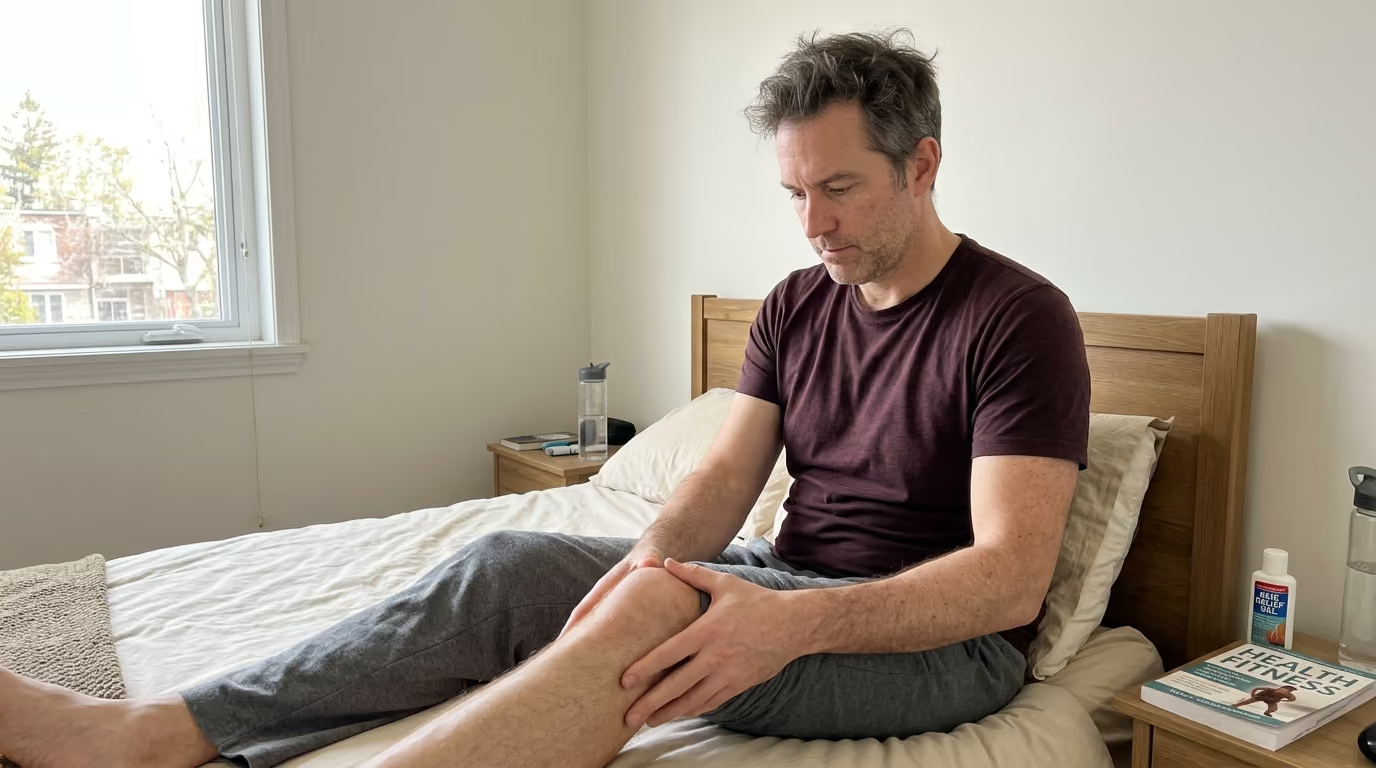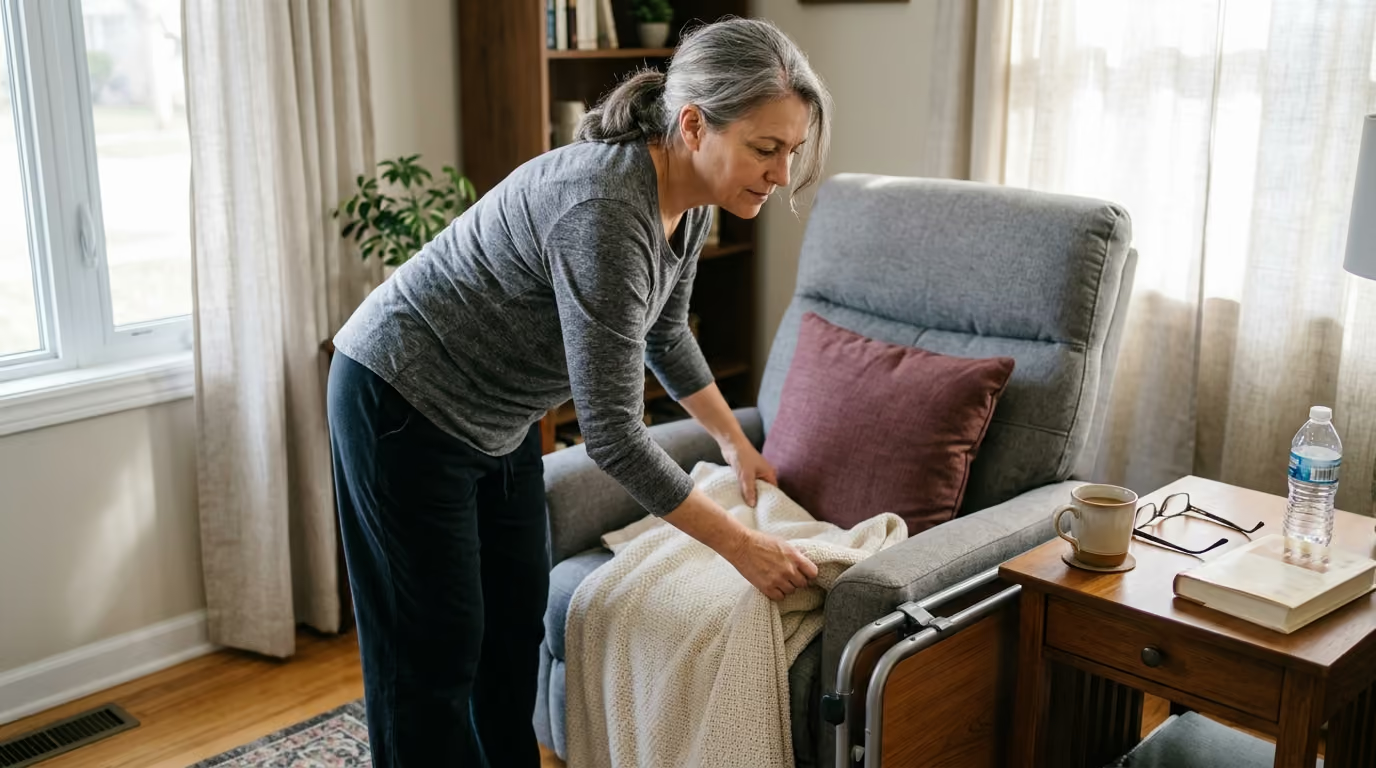

Five dedicated home recovery zones reduce physical friction, eliminate common fall hazards, and support rapid tissue regeneration after injury or surgery.





How do you set up a home for optimal physical recovery? Whether you are recovering from joint surgery, rehabbing a sports injury, or restoring energy after intense travel, your living space dictates your recovery speed. A poorly arranged home creates daily friction, increases fall risks, drains willpower, and delays physiological healing. This guide provides the definitive blueprint to turn your home into an efficient, restorative environment.
A home recovery environment is not just a comfortable room. It is an intentional system that reduces the physical, cognitive, and logistical effort required to heal. When your body is managing systemic inflammation, tissue repair, or neurological fatigue, every unnecessary physical effort subtracts from your recovery reserves.
The core operating principle of this guide is friction reduction. Friction represents any small obstacle that makes restorative behaviors difficult or makes hazardous movements likely. Placing essentials within arm's reach, removing floor hazards, and automating ambient lighting make restorative choices effortless.
Effective recovery spaces separate daily activities into dedicated physical zones. These include the sleep zone, mobility pathways, nutrition station, rehabilitation space, and ergonomic workstation. Each zone must support safe movement, deep rest, and targeted nutrition.
This framework applies to multiple recovery scenarios. It supports medical healing after surgery, functional rehabilitation after injury, and athletic restoration between demanding physical endeavors. Implementing these environmental adjustments ensures your home actively accelerates your return to full capability.
Human physiology responds directly to environmental signals. Temperature, light exposure, acoustic stress, and spatial layout influence autonomic nervous system tone, endocrine output, and cellular repair mechanisms. Understanding these biological pathways allows you to design a living space that supports rapid tissue healing.
Tissue regeneration, protein synthesis, and immune modulation occur predominantly during parasympathetic dominance. When your surroundings introduce continuous micro-stressors, your sympathetic nervous system remains chronically engaged. High ambient noise, cluttered pathways, and poor lighting elevate baseline cortisol and catecholamine levels.
Elevated cortisol suppresses fibroblast proliferation, delays collagen deposition, and interferes with immune cell signaling. By intentionally dampening sensory overstimulation, you signal safety to the central nervous system. This transition allows blood flow to shift away from defensive muscular tension and toward visceral organs, healing tissues, and deep sleep processes.
Every cell in the body contains peripheral molecular clocks synchronized by the master suprachiasmatic nucleus in the brain. Light exposure is the primary zeitgeber, or environmental cue, regulating these biological rhythms. Exposure to high-intensity, short-wavelength blue light in the evening suppresses natural melatonin synthesis.
Melatonin is not merely a sleep-inducing hormone. It serves as a potent endogenous antioxidant that scavenges free radicals, modulates inflammatory cascades, and accelerates mitochondrial recovery. Research syntheses on nighttime light exposure show strong associations between excessive evening indoor light and disrupted sleep architecture. A recovery space must provide bright, full-spectrum light during the day and warm, low-lux illumination after sunset.
Core body temperature must drop by approximately one to two degrees Fahrenheit to initiate and sustain deep, slow-wave sleep. Slow-wave sleep is the physiological window where the pituitary gland releases the majority of daily human growth hormone. Growth hormone stimulates amino acid uptake, accelerates muscle protein synthesis, and rebuilds injured connective tissue.
If ambient bedroom temperatures are too warm, the body struggles to shed heat through peripheral vasodilation. Research in community-dwelling adults demonstrates that sleep is most efficient between 20°C and 25°C (68°F to 77°F). Sleep efficiency drops by 5% to 10% as ambient temperatures rise toward 30°C (86°F). Maintaining a cool ambient environment directly supports the deeper sleep stages required for structural repair.
The bedroom is the central hub of any home recovery system. Designing an optimal sleep sanctuary requires controlling temperature, eliminating disruptive light, dampening erratic sound, and ensuring safe bed entry and exit. Structuring your bedroom around proven restorative sleep environments transforms simple rest into measurable physiological regeneration.
Maintaining stable ambient temperature prevents micro-arousals during the night. Guidelines from the National Institute for Occupational Safety and Health (NIOSH) and the Centers for Disease Control and Prevention (CDC) recommend maintaining a bedroom temperature between 60°F and 68°F. This range facilitates the natural drop in core body temperature required for continuous sleep cycles.
Avoid heating the entire room to compensate for localized chilliness. Instead, use layered bedding made from natural, breathable fibers like linen or long-staple cotton. Layering allows you to adjust thermal insulation quickly without getting out of bed. Keep a light wool blanket and warm socks beside the bed to accommodate body temperature fluctuations caused by medications or immune responses.
Airflow is equally essential for thermal comfort. A quiet ceiling fan or low-decibel air circulator prevents localized heat buildup around the mattress. If dry air causes respiratory irritation, use a clean evaporative humidifier, ensuring the unit is sanitized regularly to avoid dispersing airborne mold spores.
A completely blacked-out room is ideal for deep sleep, but it creates a serious fall hazard if you must stand up during the night. The solution is a layered lighting plan that separates absolute sleep darkness from safe navigation lighting.
Install blackout window coverings or use a fitted, contoured sleep mask to block external streetlights and early morning sun. Remove or cover all ambient light sources from electronics, including power strips, charging bricks, and digital alarm displays. Research demonstrates that even low-level indoor light exposure during sleep can impair glucose homeostasis and fragment sleep stages.
For nighttime navigation, install amber or red motion-activated nightlights along baseboards leading from the bed to the bathroom. Warm light with wavelengths above 600 nanometers illuminates pathways without suppressing melatonin or shocking the nervous system. Ensure these lights cast illumination downward toward the floor to prevent direct eye glare.
Unpredictable noise fragments sleep architecture by triggering sudden autonomic micro-arousals, even if you do not fully awaken. Traffic, barking dogs, and household activity elevate heart rate and interrupt restorative slow-wave sleep.
Distinguish between unpredictable background noise, continuous masking sound, and safety-critical alarms:
For individuals with hearing impairments, use visual strobe or vibrating alert systems for emergency notifications rather than relying solely on high-decibel acoustic alarms.
The physical transition in and out of bed requires stability, especially when managing hip, knee, or spinal limitations. A bed that is too low forces deep joint flexion, while a bed that is too high demands dangerous hopping or sliding.
Ensure the top of the mattress sits level with the back of your knees when standing, typically between 20 and 23 inches from the floor. This height allows your feet to rest flat on the ground while your hips remain slightly above your knees before standing.
Anchor a solid bedside table that will not tip if you lean on it for balance. Place essential items within comfortable reach: a spill-proof water flask, daily medications, a smartphone or medical alert device, and a lamp switch. Secure all charging cables to prevent reaching or bending over the edge of the mattress.
Environmental hazards turn minor physical limitations into serious secondary injuries. Fall prevention is not exclusive to frail populations; it is a foundational requirement for anyone recovering from musculoskeletal trauma, surgery, or systemic fatigue. Applying evidence-based healthy aging and physical independence principles protects your physical capacity when balance and coordination are temporarily compromised.
According to the World Health Organization (WHO) and the CDC STEADI initiative, environmental modifications significantly reduce fall incidents. Every primary transit route in the home must be evaluated for micro-hazards.
Conduct a systematic floor audit along your daily walking routes:
The bathroom presents the highest slip and fall risk due to smooth tile, standing moisture, and frequent physical transfers. Upgrading the bathroom environment prevents catastrophic joint stress and soft-tissue re-injury.
Install professional grab bars anchored directly into wall studs beside the toilet and inside the shower stall. Suction-cup grab bars are prone to sudden failure under full body weight and should be avoided. Place non-slip textured safety mats inside the tub and lay rubber-backed, high-absorption mats outside the shower door.
Use an adjustable shower chair or transfer bench if standing balance, systemic dizziness, or weight-bearing restrictions are present. Pair the seating with a handheld showerhead extension, allowing thorough bathing without sudden twisting or reaching. Position towels, gentle soaps, and clothing at waist height so you can dry and dress without bending down or balancing on one leg.
Stairways demand high metabolic energy, complex proprioception, and dynamic balance. During acute recovery phases, consolidate your daily living activities on a single floor to eliminate unnecessary stair climbs.
When stairs are unavoidable, ensure both sides of the staircase feature continuous, firmly anchored handrails that extend past the top and bottom steps. Illuminate the entire flight of stairs with switches located at both landings. Apply high-contrast, slip-resistant grip tape along the outer edge of each step to improve depth perception and edge detection. Keep stair treads completely free of any stored items, laundry, or shoes.
Walking barefoot, in loose slippers, or in smooth-soled socks significantly increases slip risks and compromises gait stability. The CDC STEADI guidelines emphasize that proper recovery footwear is an essential component of fall prevention.
Select a supportive indoor recovery shoe featuring a closed, structured heel counter and a firm, low-profile outsole with slip-resistant rubber tread. Avoid backless slip-ons, clogs, open-toed sandals, and memory-foam house slippers that lack torsional rigidity.
Ensure the shoe features a wide toe box to accommodate natural post-activity swelling, fluid retention, or protective surgical dressings. Use elastic no-tie laces or hook-and-loop straps to make putting on and removing shoes simple, preventing the need to bend deeply at the hip or spine.
Systemic tissue repair, bone remodeling, and muscle preservation demand substantial metabolic energy and macronutrient support. However, acute fatigue, limited mobility, and reduced appetite often lead to inadequate nutrition during recovery. Designing your kitchen layout and meal access around recovery and regeneration strategies ensures your body receives the fuel required for rapid healing.
Standing for long periods, bending into lower cabinets, and lifting heavy cookware drains physical reserves and places healing joints at risk. Reorganizing your kitchen layout reduces physical strain and simplifies meal preparation.
Store frequently used plates, glassware, cookware, and pantry items between waist and shoulder height. Place a sturdy, non-slip stool in the kitchen to allow seated meal preparation, vegetable chopping, and cooking. Keep lightweight, shatterproof dinnerware accessible to avoid handling heavy ceramic or cast-iron items.
Prepare or purchase nutrient-dense, pre-portioned meals before surgery or during intensive training blocks. Single-serving meals that reheat quickly in a countertop toaster oven or microwave eliminate the need for complex prep work, extensive standing, and difficult cleanup.
Protein is the critical substrate for rebuilding damaged muscle fibers, synthesizing collagen, and supporting immune cell proliferation. Inadequate protein intake during recovery leads to rapid loss of lean muscle mass, impaired wound healing, and prolonged rehabilitation timelines.
Guidelines from the European Society for Clinical Nutrition and Metabolism (ESPEN) recommend that older adults and recovering individuals consume between 1.2 and 1.5 grams of protein per kilogram of body weight daily. In cases of significant physical trauma, post-surgical wound repair, or severe catabolic stress, clinical needs can reach 2.0 grams per kilogram daily.
Always consult your physician or registered dietitian before increasing protein targets if you have underlying kidney disease, liver dysfunction, or metabolic conditions.
Distribute protein intake evenly across the day in doses of 25 to 40 grams per meal to maximize muscle protein synthesis. Ensure each protein dose contains adequate essential amino acids, particularly leucine, which acts as the molecular trigger for cellular repair.
Keep shelf-stable, high-quality protein options readily available, such as pasture-raised whey protein isolate, plant-based protein blends, canned wild sardines, or Greek yogurt. When systemic inflammation dampens your appetite, prioritize liquid protein shakes that deliver complete amino acid profiles without requiring prolonged chewing or digestion.
Cellular hydration is essential for nutrient transport, joint lubrication, waste removal, and maintaining healthy blood volume. Dehydration thickens blood viscosity, exacerbates physical fatigue, and increases the risk of orthostatic hypotension when standing up.
Place a large, insulated, spill-proof water flask at every primary recovery station, including the bedside table, desk, and living room armchair. Choose containers with integrated straw lids or one-touch openings to allow easy hydration without awkward neck extension.
Monitor daily hydration by observing urine color, aiming for a pale straw hue. Balance water intake with essential electrolytes, including sodium, potassium, and magnesium, particularly if you are managing post-operative fluid shifts or sweating during rehabilitation. Manage evening fluid timing carefully; consume the majority of your fluids earlier in the day to prevent frequent nighttime bathroom trips that disrupt deep sleep architecture.
Returning to professional work while managing physical rehabilitation requires an intentional workstation setup. A rigid, unadjusted desk setup strains recovering spinal discs, irritates healing tendons, and causes premature cognitive and physical exhaustion.
The Occupational Safety and Health Administration (OSHA) provides detailed guidelines for computer workstations aimed at maintaining neutral musculoskeletal posture. A neutral joint position minimizes static muscle loading, prevents circulatory compression, and shields healing structures from strain.
Adjust your desk and chair to achieve the following biomechanical alignments:
If you use progressive lenses or bifocals, lower the monitor by an additional two to three inches to prevent tilting your head backward to read.
Ergonomic design is not about maintaining one posture indefinitely. Static postures, no matter how well aligned, compress capillary beds, reduce local blood circulation, and cause postural muscle fatigue.
Implement a dynamic sit-stand routine using a motorized adjustable desk or a stable tabletop converter. Follow a structured movement ratio: spend 20 minutes sitting in supported neutral alignment, 8 minutes standing with weight distributed evenly across both feet, and 2 minutes engaging in gentle mobility or walking.
Use software prompts or subtle haptic timers to cue posture shifts before physical discomfort arises.
Working while recovering from illness or surgery can blur the lines between productive focus and restorative downtime. Working directly from your bed weakens the psychological association between the bedroom and deep sleep.
Establish a dedicated workspace physically isolated from your sleep sanctuary. When space constraints require your desk to share a room with your bed, implement a strict "close of business" ritual. Power down screens, store work materials in closed bins, and orient your seating away from the bed. This separation allows your nervous system to downshift into parasympathetic recovery mode at the end of the day.
The principles of environmental recovery design translate differently depending on your specific recovery phase, injury profile, and daily demands. These four operational patterns illustrate how to apply these systems in practice.
A 52-year-old executive is recovering from an elective ACL reconstruction and meniscus repair. Weight-bearing is restricted to partial load for four weeks, requiring crutches and a rigid knee brace.
A 46-year-old endurance athlete is recovering from a severe systemic viral illness complicated by post-viral fatigue, high resting heart rate, and loss of appetite.
A 48-year-old backcountry skier is managing a high-grade rotator cuff strain, requiring shoulder immobilization in a sling alongside progressive physical therapy.
A 58-year-old consultant is managing a lumbar disc herniation flare-up while maintaining a demanding professional advisory schedule.
Many well-intentioned recovery setups fail because they rely on common health myths rather than biomechanical and physiological realities. Correcting these mistakes prevents wasted investment and removes unnecessary hazards.
A common mistake during recovery is assuming that continuous, unmoving bed rest accelerates healing. While acute tissue trauma requires temporary protection, prolonged immobilization triggers rapid muscle atrophy, reduces cardiovascular stroke volume, causes bone demineralization, and increases deep vein thrombosis risks.
Except when strictly directed by a physician, the home environment should encourage safe, low-load movement. Design paths that make short, frequent walks comfortable and accessible. The objective is to make maintaining strength and physical performance safe and attainable within your medical precautions.
Another common error is purchasing unverified rehabilitation gadgets, complex vibrating platforms, and bulky exercise machinery. These devices often end up cluttering living areas, narrowing walking paths, and creating new trip hazards.
Prioritize a minimal, high-utility equipment setup. A clear floor space, stable support furniture, high-grade resistance bands, and properly fitted mobility aids outperform complex machines. Every item in your recovery space must serve an immediate, clinically supported purpose.
Many people assume that plush, soft house slippers are the ideal footwear for resting at home. In reality, loose, backless, or heavily cushioned slippers provide zero ankle stability, lack torsional stiffness, and significantly increase slip and fall risks on hardwood and tile.
Plush memory foam also impairs foot proprioception, making balance corrections slower and less effective. Recovery footwear requires a firm heel counter, a low, wide heel base, and a grippy rubber outsole. Reserve soft socks for resting in bed, and wear supportive indoor shoes whenever standing or walking.
Ergonomic advice often implies that there is a single, perfect seated posture that eliminates all physical strain. Attempting to hold a rigid, upright posture for hours places sustained isometric stress on the spinal erectors and compresses local tissue capillaries.
Optimal ergonomics relies on supported variability. Your workstation should allow you to move fluidly between supported neutral sitting, active perched standing, and brief movement breaks. The best posture is always your next posture.
Setting up an optimal home recovery environment does not require a complete architectural remodel. Focus on high-leverage modifications that deliver immediate safety, deeper sleep, and friction-free nutrition.
Begin with the sleep environment. Lower the thermostat to 65°F tonight, install functional blackout shades or wear a contoured sleep mask, and place an amber nightlight along the bathroom pathway. These simple changes immediately enhance sleep depth and reduce nighttime navigation hazards.
Next, address immediate walking hazards. Walk through your home and pick up every loose throw rug, secure trailing electrical cords to baseboards, and ensure all primary walking paths have at least 36 inches of clear clearance. Place a stable chair in your kitchen and bathroom to eliminate unnecessary standing fatigue.
Finally, set up your bedside and living room recovery stations. Place a large, insulated water flask, daily medications, and high-quality protein snacks within easy reach of your main resting spots. These targeted interventions take less than two hours to implement but provide the majority of environmental recovery benefits.
High-performing, active adults frequently balance physical recovery with demanding professional schedules and international expeditions. Long-haul travel introduces severe circadian disruption, dehydration, atmospheric pressure changes, and musculoskeletal stiffness that compound physical fatigue. Adapting environmental design principles to hotel rooms and transit hubs preserves your capacity for active travel and adventure.
After a grueling thirty-hour transit to Tokyo, our team realized that our old strategy of simply powering through was no longer working. We experienced persistent mental fog, digestive sluggishness, and poor physical performance for three full days.
We examined circadian biology and environmental timing protocols, discovering that aggressively managing light exposure, controlling ambient hotel temperatures, and fasting during transit completely transformed recovery timelines. We now never board an international flight without an intentional strategy for light management and nutritional timing. It makes the difference between losing the first week of an expedition and arriving fully capable.
When arriving at your destination, apply home recovery principles immediately to your hotel room. Use spring-loaded clothespins or binder clips to seal hotel blackout curtains completely. Set the room thermostat to 65°F to facilitate core temperature cooling, and unplug high-glare digital displays.
Seek out bright, natural sunlight for 20 to 30 minutes immediately upon waking to anchor your central circadian clock to the local time zone. Maintain a consistent hydration baseline by carrying a portable water bottle and electrolyte packets, countering the dehydrating effects of pressurized aircraft cabins. These portable adaptations ensure your physiological recovery systems function reliably anywhere in the world.
The design principles detailed throughout this guide are backed by established consensus standards across occupational ergonomics, clinical nutrition, physical rehabilitation, and sleep medicine.
Major public health agencies, including the CDC and NIOSH, emphasize that sleep quality depends on controlling environmental variables. Clinical guidance consistently identifies cool ambient temperatures (60°F to 68°F), optical darkness, and acoustic noise management as key to sustained sleep architecture. Research consistently demonstrates that minimizing artificial blue light in the evening is essential for natural melatonin production and metabolic health.
The World Health Organization and the CDC STEADI initiative have established that environmental modifications significantly lower fall-related hospitalizations. The clinical consensus prioritizes installing rigid grab bars, eliminating unanchored floor coverings, optimizing stairway illumination, and using structured, high-traction footwear. These environmental interventions provide a measurable return in physical safety.
The European Society for Clinical Nutrition and Metabolism (ESPEN) provides clear clinical consensus on protein requirements during acute recovery and healthy aging. While general population guidelines suggest a baseline of 0.8 grams per kilogram daily, ESPEN clinical guidelines recommend 1.2 to 1.5 grams per kilogram daily during illness, trauma, or rehabilitation. In cases of severe metabolic stress, requirements can reach 2.0 grams per kilogram daily, underscoring the need for accessible, protein-rich nutrition in the home setup.
OSHA and the European Agency for Safety and Health at Work (EU-OSHA) emphasize that workstation design must prioritize neutral joint mechanics and dynamic task variation. The clinical consensus confirms that maintaining a single static posture causes localized musculoskeletal strain, recommending regular transitions between neutral sitting and supported standing.
Use this operational checklist to systematically set up and verify your home recovery environment this week.
Stay connected for research and practical guidance on longevity, strength, recovery, energy and active living. New ideas to help you stay capable, curious and ready for more.


Explore practical guidance on strength, recovery, energy, travel and longevity for a life that stays active.
explore the Blog