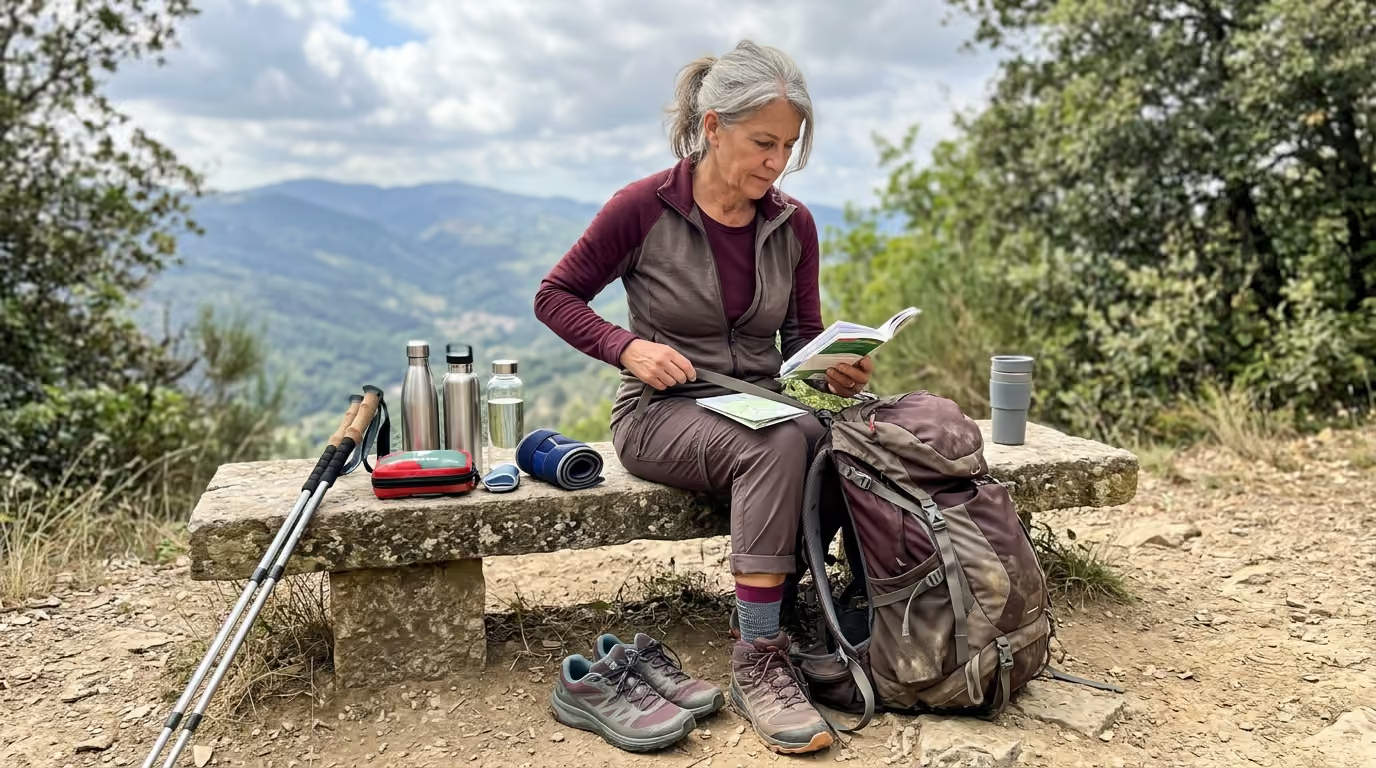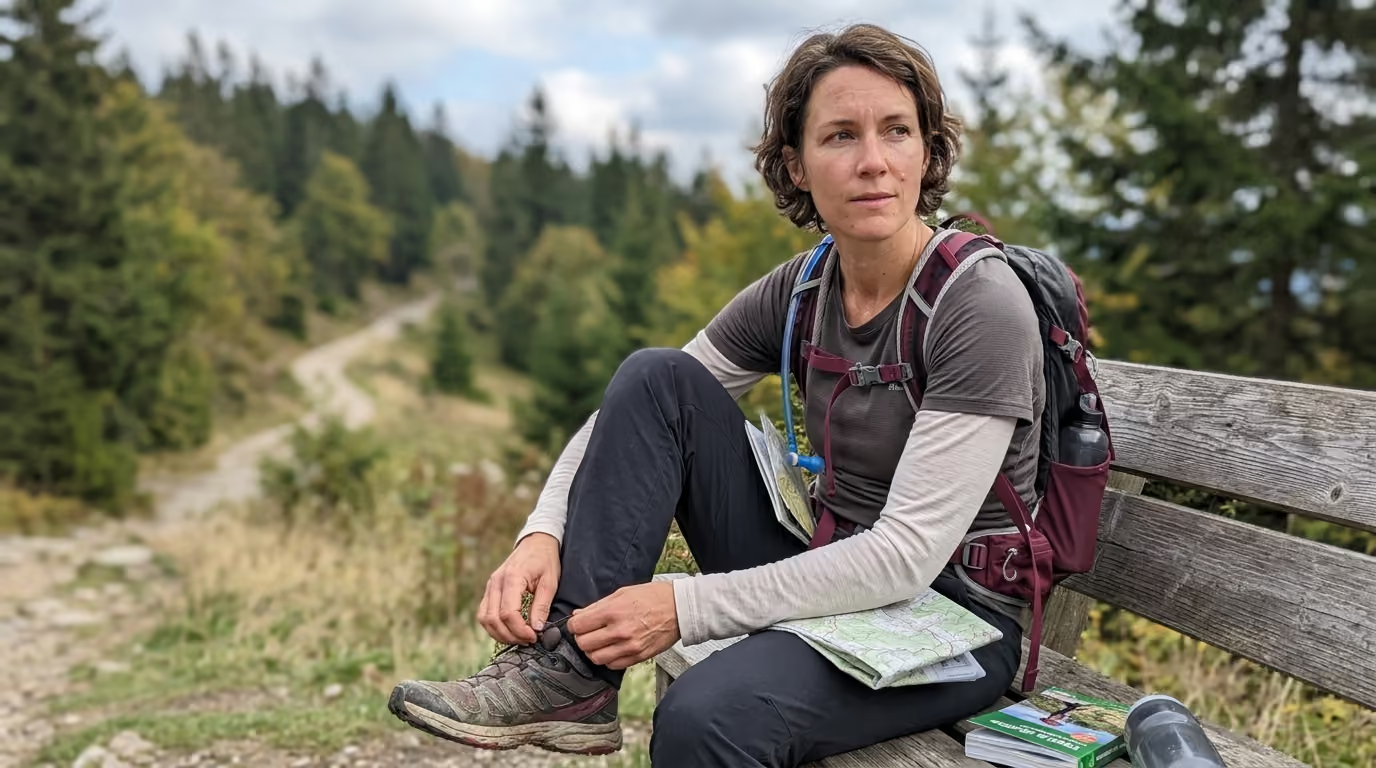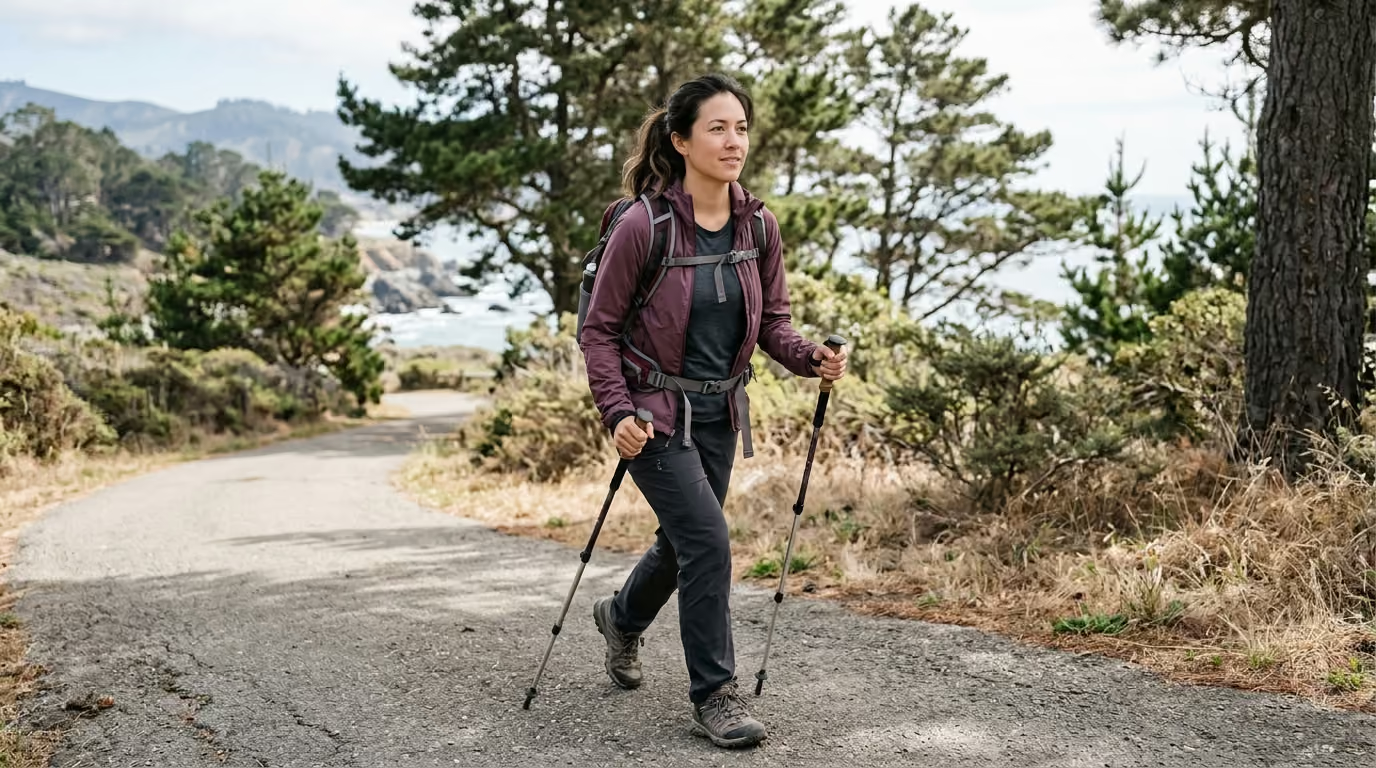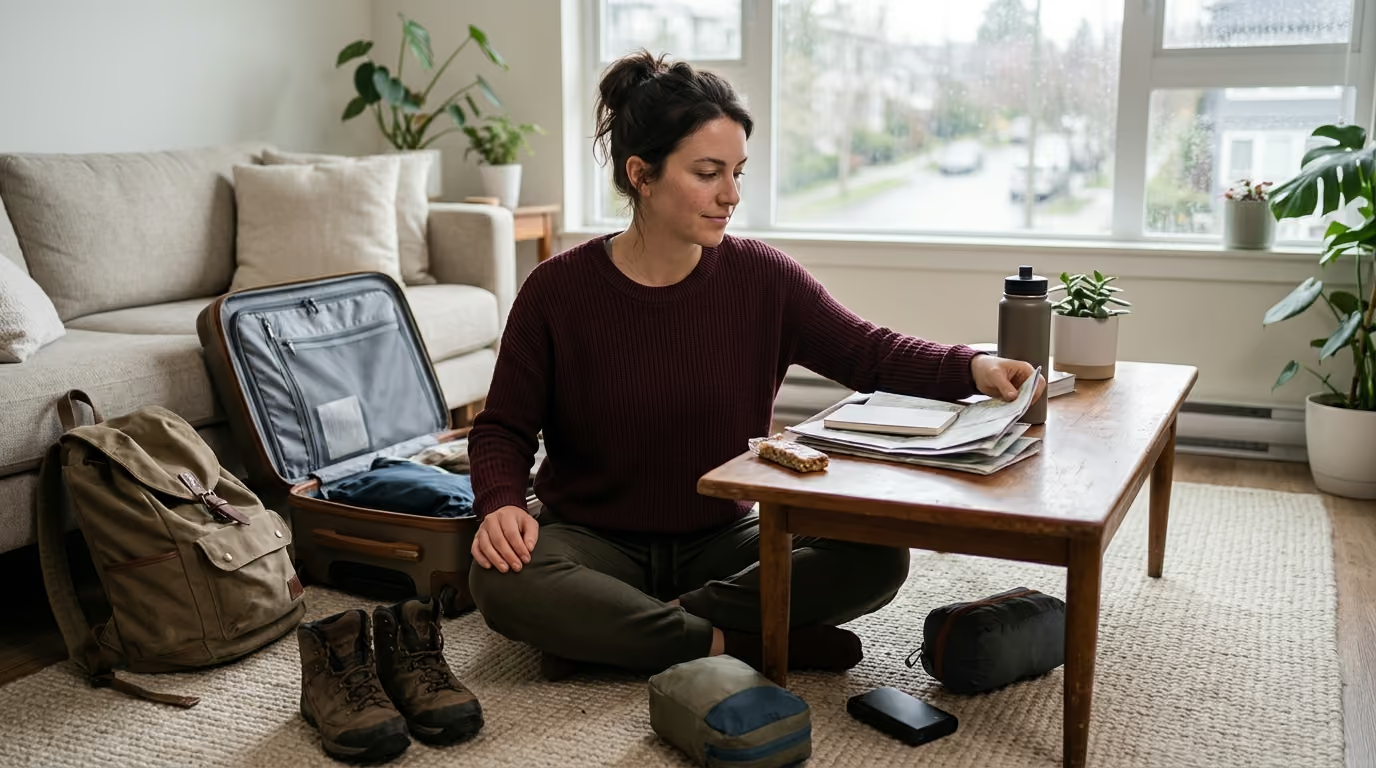

Four physiological layers of fatigue require targeted sleep protocols, circadian alignment, and structured physical recovery after demanding travel.





If you have ever typed "why am I still tired days after a trip" into a search bar, you are familiar with the frustration of a prolonged post-travel slump. You return from a multi-day hike, an overseas business intensive, or a demanding holiday expecting a quick transition back into your normal routine. Instead, you find yourself staring at your alarm clock at 3:00 a.m. nursing stiff joints, and struggling through ordinary workouts.
The standard advice to drink extra water and sleep in rarely solves the underlying problem. Returning to baseline requires a clear, systematic approach that addresses circadian timing, physical tissue repair, metabolic replenishment, and autonomic nervous system regulation. This guide provides a definitive framework to help you recover quickly, rebuild your physical capacity, and return to peak performance.
Post-travel recovery must be approached as a multi-system re-entry process rather than a simple sleep debt problem. When you travel, your physiology absorbs several distinct stressors simultaneously. Long transit windows force prolonged immobility, while dry cabin air and altered schedules challenge fluid balance.
Crossing time zones disconnects your central circadian pacemaker from local environmental cues. Active itineraries introduce eccentric muscle loading, joint wear, and irregular caloric timing. Furthermore, social obligations, high-stakes professional meetings, and unfamiliar environments keep your autonomic nervous system in a state of prolonged sympathetic arousal.
To recover efficiently, you must address your fatigue across four distinct layers:
This is the immediate physiological weariness resulting from transit itself. It encompasses the physical toll of sitting in confined seats, navigating noisy terminals, carrying heavy luggage, and experiencing sleep restriction. Travel fatigue occurs even when you do not cross a single time zone. It typically resolves within twenty-four to seventy-two hours when managed with adequate rest and low-intensity movement.
This occurs when your internal biological clocks desynchronize from the solar cycle at your destination or home base. Crossing more than three time zones forces your central circadian clock in the hypothalamus to adapt to new light signals. Meanwhile, peripheral clocks located in the liver, gut, and skeletal muscle adjust at different speeds to altered meal and activity times. This internal temporal mismatch disrupts hormone production, core body temperature curves, and digestive efficiency.
This layer reflects accumulated soft tissue damage, muscular soreness, and reduced mobility. High step counts on hard pavement, steep mountain descents, skiing, or carrying gear place substantial eccentric demands on unfamiliar muscle groups. This loading produces micro-trauma, local inflammation, and temporary reductions in force output that require targeted nutritional and mechanical support.
This represents the prolonged cognitive and sensory strain of travel. Navigating crowded airports, speaking to new audiences, managing complex itineraries, and adapting to novel environments keep your nervous system in a state of heightened vigilance. Recovery requires deliberate practices that downshift your system toward parasympathetic restoration.
A structured re-entry protocol follows a strict hierarchy of needs:
By treating these layers sequentially, you eliminate recovery bottlenecks and prevent lingering fatigue. For a deeper understanding of sustainable physical longevity, explore our travel and human performance resources.
Understanding the biological mechanisms of travel fatigue helps you select interventions that produce measurable physiological changes.
The primary regulator of your twenty-four-hour cycle is the master circadian pacemaker located in the suprachiasmatic nucleus of the hypothalamus. This master clock synchronizes hundreds of peripheral cellular clocks found throughout your body tissues. Environmental time signals, known as zeitgebers, keep these biological clocks aligned with your external environment.
Light is the most powerful zeitgeber. Specialized retinal ganglion cells detect environmental light and transmit signals directly to the suprachiasmatic nucleus. When light hits these cells, it suppresses melatonin secretion from the pineal gland and signals the body to increase daytime alertness.
The timing of light exposure determines the direction of your circadian adjustment. Morning light advances your internal clock, shifting your sleep-wake schedule earlier. Conversely, evening light delays your clock, pushing your natural sleep onset later.
Applying light at the wrong biological time can shift your circadian rhythm in the wrong direction, worsening your symptoms. The Centers for Disease Control and Prevention notes that diet, supplements, and fasting cannot rapidly shift your internal clock by themselves. Properly timed daylight exposure remains the essential primary tool for circadian resynchronization.
Travel also disrupts your autonomic balance. Normal daily functioning relies on fluid transitions between the sympathetic nervous system and the parasympathetic branch. Prolonged transit, noise, irregular schedules, and cognitive pressure keep sympathetic tone elevated.
This sustained arousal elevates circulating cortisol levels and alters your baseline heart rate variability. When your sympathetic system remains dominant into the evening, sleep architecture suffers. You spend less time in slow-wave deep sleep and rapid eye movement phases, impairing physical repair and cognitive processing.
Finally, prolonged immobility in pressurized cabins introduces unique physiological challenges. Commercial aircraft cabins are pressurized to the equivalent of six to eight thousand feet above sea level. This mild hypoxia, combined with cabin humidity levels often dropping below fifteen percent, increases respiratory fluid loss and thickens blood viscosity.
Sitting for extended hours slows lymphatic drainage and venous return in the lower extremities. The resulting fluid pooling causes ankle swelling, joint stiffness, and a heavy, lethargic physical sensation that can persist for several days after landing.
Every itinerary places a unique combination of demands on your body. Tailoring your recovery strategy to the specific nature of your trip prevents under-recovering or returning to full training volume too quickly.
Multi-day hiking, backcountry skiing, cycling tours, and adventure holidays generate significant eccentric muscular load. Downhill hiking and skiing force your quadriceps and calves to absorb repeated braking forces while lengthening under tension. This induces delayed-onset muscle soreness, micro-tears in muscle fibers, and connective tissue inflammation.
High altitude, sun exposure, and variable mountain weather also accelerate fluid and electrolyte depletion. Your recovery priority must focus on replenishing muscle glycogen, distributing high-quality protein across multiple meals, and utilizing low-load movement to restore joint range of motion. Heavy resistance training and high-impact intervals should be delayed until gait mechanics and local muscle tenderness normalize.
Corporate travel typically produces high nervous system strain alongside low physical movement variability. Long flights, late business dinners, screen exposure in hotel rooms, and early morning meetings disrupt normal sleep opportunities. Alcohol consumption at social dinners compromises slow-wave sleep and suppresses overnight growth hormone release.
Extended periods of sitting in conference rooms or aircraft seats leave hip flexors tight and spinal erectors fatigued. Here, the recovery emphasis shifts toward autonomic downshifting, strategic light exposure, and targeted hip and thoracic spine mobility. You must actively reduce sensory stimulation in the evenings and avoid jumping immediately into exhausting workouts before your sleep debt is cleared.
Conferences, trade shows, weddings, and multi-day celebrations combine long hours on your feet with high sensory stimulation and irregular nutrition. Standing on concrete or hard convention floors strains the plantar fascia, calves, and lower back.
Convenience foods often increase sodium and refined carbohydrate intake while reducing total micronutrient density and fiber. Large crowds also present substantial exposure to airborne pathogens.
Your re-entry plan should prioritize quiet environments, gentle walking to decompress the spine, home-cooked whole foods, and a temporary reduction in social commitments.
When crossing multiple time zones, you must separate simple travel fatigue from true circadian jet lag. If you cross three or fewer time zones, your fatigue is primarily physical weariness from transit rather than a profound biological desynchronization. In these cases, your symptoms will generally resolve within one to three days of normal sleep.
When you cross four or more time zones, your body requires approximately one day per time zone crossed to adjust fully. Traveling eastward requires advancing your circadian phase, which is physiologically more challenging than delaying it during westward travel. Research in athletic populations confirms that eastward long-haul travel causes greater reductions in total sleep time, lower sleep efficiency, and higher sustained fatigue.
If your stay abroad was forty-eight hours or less, scientific consensus suggests maintaining your home-base sleep-wake schedule rather than forcing a painful adaptation in both directions.
Restoring your sleep architecture is the single most important physiological task following travel. However, attempting to force sleep through sheer willpower or relying on pharmaceutical sedatives often backfires.
The objective is to create consistent sleep opportunity while providing your master circadian clock with unambiguous environmental signals. For comprehensive strategies on deep restorative rest, review our dedicated recovery and sleep protocols.
Light timing dictates how rapidly your circadian pacemaker synchronizes with local time. Use the following protocols based on your direction of travel:
When you return home from traveling east, your internal biological clock is running behind the local environment. You need to advance your circadian rhythm:
When returning home from traveling west, your internal biological clock is running ahead of local time. You need to delay your circadian rhythm:
Accumulated sleep debt cannot be completely wiped out in a single twelve-hour sleep session. Doing so disrupts your sleep drive for the following evening and perpetuates schedule irregularity.
A systematic review published in sports science literature shows that sleep extension over several consecutive nights is highly effective for restoring cognitive sharpness and physical performance. Aim to extend your normal time in bed by forty-five to ninety minutes for three to five consecutive nights following significant travel.
Napping is a valuable tool for managing daytime sleepiness, but it must be applied with precision. The CDC Travelers' Health guidance emphasizes using short naps to improve alertness without undermining nocturnal sleep drive:
Use this nap between 1:00 p.m. and 3:00 p.m. when experiencing acute afternoon lethargy. Set an alarm for twenty-five minutes to allow five minutes to fall asleep. This brief rest restores mental clarity without allowing you to enter deep slow-wave sleep, preventing post-nap grogginess.
Reserve this nap exclusively for situations involving severe acute sleep deprivation, such as an overnight red-eye flight. This duration allows you to complete a full sleep cycle, including slow-wave and rapid eye movement stages. Complete this nap before 2:00 p.m. so it does not interfere with your ability to fall asleep at bedtime.
Your sleeping environment must actively facilitate lower core body temperature and minimal sensory disruption. Set your bedroom thermostat between 65 and 68 degrees Fahrenheit (18 to 20 degrees Celsius). A cooler room encourages the natural peripheral vasodilation required for sleep onset.
Ensure complete darkness using blackout curtains or a comfortable, contoured eye mask. Eliminate ambient noise with silicone earplugs or a consistent white noise sound machine. These measures buffer against unfamiliar nocturnal sounds and awakenings caused by elevated baseline stress hormones.
Nutritional recovery after travel is often complicated by conflicting advice regarding restrictive detoxes and aggressive fasting. In reality, your digestive system and metabolic machinery require predictability, essential substrates, and adequate fluid volume to restore homeostasis. To explore how targeted nutrition enhances physical resilience, consult our nutrition and metabolism guidelines.
Post-travel dehydration results from a combination of dry cabin environments, altered drinking habits, elevated alcohol intake, and uncompensated sweat losses during physical excursions. The common recommendation to simply drink enormous volumes of plain water can dilute plasma electrolyte concentrations, leading to rapid urinary excretion rather than cellular rehydration.
The American College of Sports Medicine recommends replacing fluid losses at a rate of approximately 1.5 liters per kilogram of body mass lost during endurance demands. For general post-travel rehydration, assess your fluid needs through physical indicators:
A pinch of high-quality sea salt in your morning water or a lightly salted bone broth provides the necessary ionic balance to draw water into the intracellular compartment.
Muscular tissue repair requires a consistent supply of essential amino acids throughout the day. The International Society of Sports Nutrition recommends an intake of 1.4 to 2.0 grams of protein per kilogram of body weight daily for active individuals maintaining physical capacity.
Distribute your protein intake evenly across three or four meals rather than consuming the vast majority at dinner. Aim for thirty to forty grams of high-quality, bioavailable protein per meal from sources such as wild fish, pasture-raised poultry, lean meats, eggs, or clean plant-protein blends.
This regular feeding pattern stimulates muscle protein synthesis repeatedly across the day, accelerating recovery from strenuous hiking, skiing, or walking. For active adults with high physical recovery demands, consuming thirty grams of slow-digesting protein before bed can support overnight muscle tissue repair.
Aggressive carbohydrate restriction immediately following demanding travel is counterproductive. If your trip involved high daily step counts, mountain sports, or sustained physical excursions, your intramuscular glycogen reserves will be substantially depleted.
Incorporate moderate amounts of nutrient-dense carbohydrates into your meals, including sweet potatoes, root vegetables, quinoa, oats, and berries. These foods replenish muscle and liver glycogen while providing essential polyphenols and micronutrients to modulate systemic oxidative stress. If your travel was largely sedentary, keep your carbohydrate intake moderate and match it directly to your planned activity level.
Unfamiliar restaurant meals, processed travel snacks, irregular timing, and travel-related stress frequently disrupt normal gastrointestinal transit and microbiome stability. Rapidly shifting meal times also desynchronizes peripheral metabolic clocks in your liver and intestines.
Resume a predictable three-meal schedule immediately upon returning home. Favor easily digestible, familiar whole foods for the first forty-eight hours to give your digestive tract a predictable operational environment:
Returning home with sore muscles and stiff joints requires a balanced physical approach. Complete bed rest slows circulation and increases joint stiffness, while jumping immediately into intense training risks soft tissue injury. For broader programming models, review our recovery and regeneration strategies.
Before applying any physical recovery intervention, you must accurately categorize the discomfort in your body:
If your symptoms align with a structural injury, avoid aggressive movement and consult a qualified physical therapist or sports medicine physician.
Low-intensity active recovery is far superior to passive rest for resolving ordinary muscle soreness. Gentle muscular contractions act as a mechanical pump, increasing venous blood flow and capillary microcirculation to clearing metabolic byproducts without imposing additional training stress.
Incorporate twenty to thirty minutes of low-load movement on your first two days back:
Stretching is frequently prescribed as a guaranteed remedy for post-travel muscle soreness. However, a rigorous Cochrane systematic review concluded that post-exercise muscle stretching produces little to no clinically meaningful reduction in delayed-onset muscle soreness. Aggressive, static stretching of acutely damaged muscle fibers can actually cause additional micro-trauma.
Use gentle mobility and dynamic stretching solely for short-term comfort and maintaining comfortable joint range of motion.
Foam rolling and self-myofascial release offer valuable short-term benefits for perceived muscle tension and temporary range of motion. Use a moderate-density foam roller or massage ball to apply gentle pressure to stiff glutes, calves, and thoracic musculature.
Spend sixty to ninety seconds per area, breathing slowly through the diaphragm. Treat manual therapies as supportive tools for sensory relaxation rather than primary mechanisms of tissue repair.
Modern travel imposes a heavy sensory and psychological burden. The constant stream of schedule changes, navigation, background ambient noise, and social interactions maintains sustained tone in your sympathetic nervous system.
Nervous system downshifting refers to the intentional reduction of external arousal cues, allowing your physiology to transition back toward parasympathetic dominance.
Your first evening back establishes the neurological tone for the entire recovery week. Protect this window from unnecessary friction:
Specific breathing patterns directly influence autonomic tone by modulating vagal nerve activity. Controlled slow breathing increases heart rate variability and downshifts cardiovascular arousal.
Practice the following physiological sigh or extended-exhale breathing technique for five to ten minutes before sleep:
This extended exhalation pattern activates the parasympathetic branch of your nervous system, lowering heart rate and preparing your brain for deep sleep cycles.
Navigating recovery advice requires filtering out persistent fitness myths that can impede your progress:
Many travelers believe that sleeping until midday on Sunday will completely wipe out a week of poor travel sleep. While a single prolonged sleep reduces immediate sleepiness, it delays your natural circadian rhythm and destroys your sleep drive for Sunday night.
You wake up groggy from disrupted sleep architecture and find yourself unable to fall asleep at your normal hour, entering Monday morning with renewed jet lag. Stick to your target wake time, and make up sleep volume through earlier bedtimes and brief afternoon naps.
Social media influencers frequently claim that consuming extreme amounts of water or specialty electrolyte packets will instantly eliminate jet lag. Proper hydration is essential for cellular health and prevents dehydration from compounding your physical fatigue.
However, fluid intake cannot alter the transcriptional-translational feedback loops of the core circadian clock in your brain. Only appropriately timed photic input from daylight can shift your central pacemaker.
A common belief in fitness culture is that you should immediately perform an exhausting workout or sit in a hot sauna for an hour to "sweat out the flight."
High-intensity training on a body that is already dehydrated, sleep-deprived, and experiencing elevated baseline cortisol levels places massive stress on your cardiovascular and muscular systems. This approach increases injury risk, deepens central nervous system fatigue, and delays systemic recovery. Replace hard training with low-intensity movement until your baseline metrics normalize.
Proponents of time-restricted feeding often suggest twenty-four-hour fasts to reset your metabolism after travel. While meal timing acts as a secondary zeitgeber for peripheral organs, extended caloric deprivation during periods of high physical stress impairs muscle protein synthesis, elevates systemic cortisol, and hinders tissue repair.
Focus on consistent, nutrient-dense meals eaten during normal daylight hours rather than aggressive fasting regimens.
Resuming your structured strength, endurance, or sports training must be managed with a progressive, step-by-step approach. Feeling mentally motivated does not guarantee that your connective tissues, central nervous system, and cellular energy systems are fully restored.
To maintain lifelong physical capability and avoid overuse injuries, follow this structured four-stage re-entry model. You can pair this model with our performance and fitness routines once your baseline capacity returns.
The objective of this stage is to assess movement quality and promote circulation without adding physical fatigue:
Introduce familiar movement patterns at reduced volume and intensity to assess tissue readiness:
If you completed Stage 2 without lingering soreness, elevated resting heart rate, or disrupted sleep, begin rebuilding training volume:
Return to your full, unrestricted training program, including high-intensity intervals, heavy resistance work, and competitive sport demands. Proceed only when your sleep duration, morning resting heart rate, subjective energy levels, and movement quality have completely returned to your baseline.
Use this simple, non-clinical readiness screen each morning during your re-entry week to decide your daily training tier. Score each metric from 0 to 2:
Interpret your total score to determine your daily training plan:
Post-travel fatigue is normal, but travelers must remain vigilant for clinical signs that indicate medical complications rather than ordinary travel weariness.
Airports, airplanes, and large events expose you to high concentrations of viral and bacterial pathogens. If you develop a fever, productive cough, muscle chills, severe sore throat, vomiting, or persistent diarrhea, pause all exercise immediately.
Sports medicine guidelines from clinical consensus panels warn against exercising with systemic symptoms. Attempting to train through a systemic infection risks post-viral fatigue syndromes and cardiac complications, including myocarditis.
Return to physical activity only after systemic symptoms have fully cleared. Resume movement gradually, beginning with short walks, and discontinue exercise immediately if you experience abnormal shortness of breath, palpitations, chest tightness, or extreme lightheadedness.
Extended immobility on flights or long drives exceeding four hours increases the risk of deep vein thrombosis, particularly in individuals over forty. Deep vein thrombosis occurs when a blood clot forms in a deep vein, most commonly in the calf or thigh.
Seek immediate emergency medical evaluation if you notice:
If you are returning from high-altitude environments (over 8,000 feet), persistent headaches, nausea, unusual breathlessness, or peripheral swelling may indicate lingering altitude illness or severe dehydration.
Similarly, travelers returning from extreme heat environments who experience confusion, fainting, or an inability to regulate body temperature require prompt medical care rather than self-directed recovery.
For busy, active adults who cannot dedicate hours to complex recovery regimens, the following streamlined checklist provides the highest-yield interventions. Apply these practical steps this week to restore your performance quickly.
Stay connected for research and practical guidance on longevity, strength, recovery, energy and active living. New ideas to help you stay capable, curious and ready for more.


Explore practical guidance on strength, recovery, energy, travel and longevity for a life that stays active.
explore the Blog