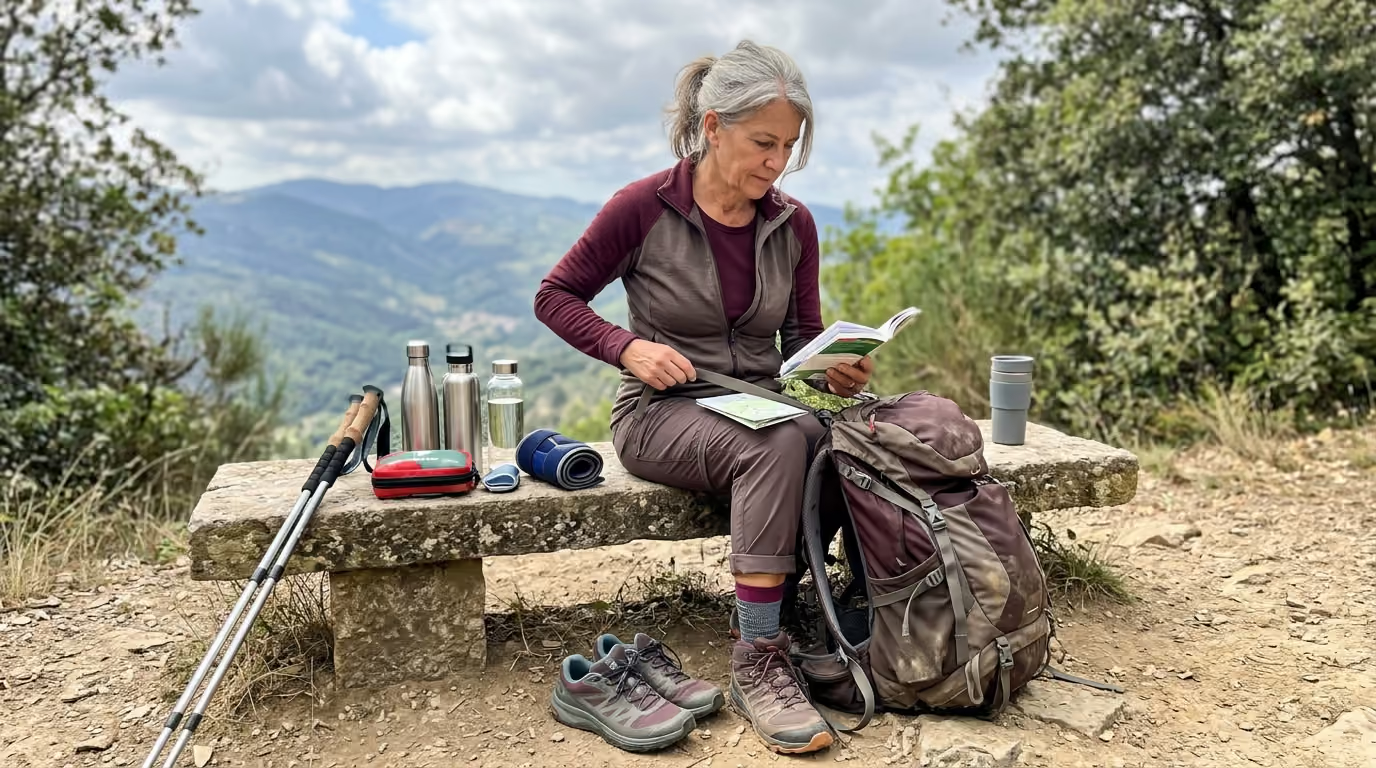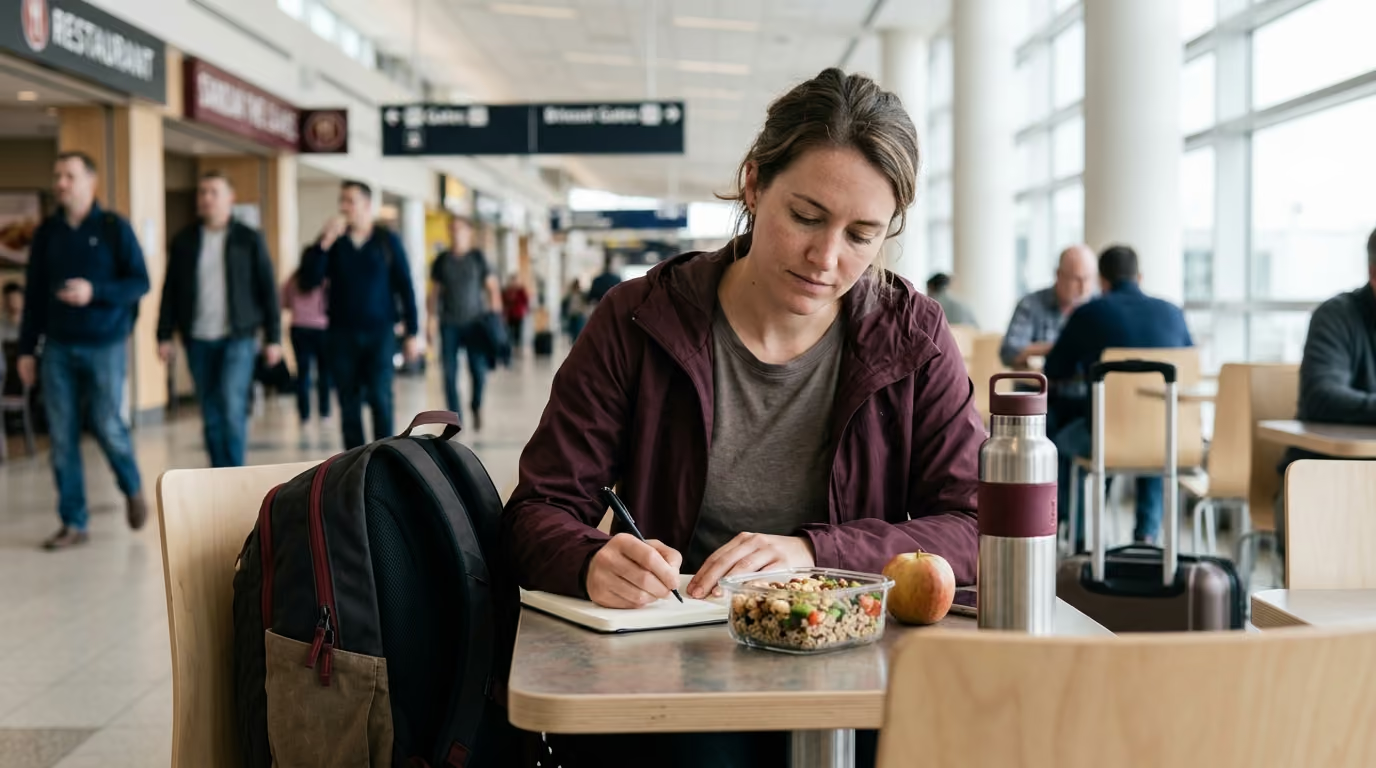

High energy travel demands consistent hydration and protein intake rather than strict dieting rules to maintain peak performance during long trips.





How do you eat for high energy, rapid recovery, and athletic performance while traveling without turning every trip into a stressful, restrictive diet? Active travelers frequently search for this answer after arriving at their destination bloated, exhausted, or underfueled. The standard advice often swings between unrealistic extremes: carry refrigerated prepped meals everywhere or completely abandon dietary structure until returning home.
Neither approach serves an active adult who values physical capability, adventurous travel, and cultural dining.
This guide delivers a definitive, research-backed framework for managing travel nutrition across airports, hotel buffets, remote destinations, and fine restaurants. You will learn how to maintain metabolic energy, protect muscle mass, preserve digestion, and enjoy local cuisine without rigid rules or obsessive tracking.
Travel nutrition succeeds through flexible priorities rather than rigid perfection. When you travel, normal meal schedules, food availability, and physical activity levels change constantly. Trying to follow an uncompromising meal plan often creates unnecessary stress and digestive distress.
Instead, high-performing travelers use a reliable hierarchy of needs. The primary goal is protecting the biological anchors that support real-world physical output. These anchors include food safety, gastrointestinal comfort, fluid and electrolyte balance, total daily energy, and consistent protein intake.
By anchoring your day around simple, repeatable nutritional habits, you protect your physical capacity. You can tackle a long mountain hike, a morning training session, or a demanding travel schedule while fully enjoying the culinary culture of your destination.
Travel places distinct biological stressors on the human body. Cabin air pressure in commercial aircraft is typically equivalent to an altitude of 6,000 to 8,000 feet. This dry, pressurized environment increases insensible fluid loss through respiration and skin evaporation. At the same time, prolonged seated immobility slows gastrointestinal motility.
When you combine altered air pressure with disrupted sleep schedules and irregular meal timing, normal metabolic rhythms shift. The digestive system operates on peripheral circadian clocks that take cues from when and what you eat. Disrupting these peripheral clocks through erratic eating can impair insulin sensitivity, reduce nutrient absorption, and alter hunger hormones like ghrelin and leptin.
Energy availability represents another major physiological challenge during travel. Energy availability refers to the amount of dietary energy remaining for physiological functions after accounting for the energy expended during exercise. When navigating large airport terminals, handling heavy luggage, and enduring schedule delays, energy expenditure rises. Appetite often drops due to fatigue, time zone shifts, and stress hormones.
This unintentional deficit compromises cellular repair, lowers immune defenses, and reduces muscle glycogen storage. According to sports nutrition research from the International Society of Sports Nutrition, chronic low energy availability rapidly degrades athletic capability, cognitive sharpness, and hormonal health.
Carbohydrate storage and muscle protein balance also face unique disruptions during transit. Glycogen reserves in the liver and skeletal muscles deplete when active adults go extended periods without complex carbohydrates. Furthermore, muscle protein synthesis requires a regular supply of essential amino acids throughout the day.
When travel forces long gaps between meals, the body shifts into a catabolic state where muscle breakdown exceeds muscle repair. Understanding these basic physiological mechanics allows you to make informed, targeted adjustments rather than guessing your way through travel days. You can explore additional approaches to preserving your physical capacity through dedicated physical strength and performance resources.
To navigate travel without cognitive fatigue, you need a clear operating hierarchy. A nutritionally pristine meal is worthless if it causes severe stomach cramps before a competition or leaves you starved of energy on a remote mountain trail. Your decisions should always flow from most critical to least critical.
Nothing ends performance faster than foodborne illness or acute digestive distress. Protecting your gut always sits at the absolute top of the hierarchy. If a food item appears improperly handled or kept at lukewarm temperatures, avoid it regardless of its macronutrient profile.
Fluid balance directly affects blood volume, cardiovascular strain, body temperature regulation, and cognitive focus. You must replace fluid losses consistently throughout your journey. Plain water is sufficient for normal transit, while sodium and key electrolytes become vital during high sweat rates, intense heat, or extended activity.
Securing sufficient total calories takes precedence over obsessive macronutrient ratios. An active adult who burns significant energy cannot perform well while in an unintentional, steep caloric deficit. Total energy intake sustains basal metabolic rate, immune function, and physical resilience.
Carbohydrates represent the primary, most efficient fuel for moderate to high-intensity physical exertion. Ensure adequate carbohydrate intake before, during, and after demanding workouts, trail runs, or sporting events. On quiet rest days, carbohydrate needs naturally decrease, allowing for a more balanced macronutrient spread.
Protein protects lean muscle tissue and supports recovery from physical exertion. Sports scientists generally recommend an intake of roughly 1.4 to 2.0 grams of protein per kilogram of body weight daily for active individuals. Distributing this intake into several feedings of 20 to 40 grams across the day ensures consistent muscle protein synthesis.
What and when you eat influences your sleep architecture. Large, greasy meals and late-day caffeine intake impair deep restorative sleep and delay circadian adaptation to new time zones. Aligning your food choices to support your evening rest accelerates recovery. You can learn more about managing your body during trips by exploring travel human performance strategies.
Consuming varied fruits, vegetables, and nutrient-dense whole foods supports cellular health and systemic recovery. While short-term micronutrient drops during travel will not derail performance, prioritizing produce when available maintains vitality and digestive regularity.
Travel is meant to be experienced. Sharing local meals and enjoying regional cuisine should never be sacrificed for rigid, clinical dietary protocols. Once your basic energy, hydration, and protein needs are met, enjoy your meals freely.
You do not need a complicated digital tracking application to maintain high performance while away from home. Relying on an overly complex protocol during transit often leads to total compliance failure. Instead, successful travelers use a minimal effective dose model built around four straightforward anchors.
First, secure a clear protein anchor at every major meal. Look for a palm-sized portion of high-quality protein delivering roughly 20 to 35 grams. Excellent choices include eggs, Greek yogurt, chicken breast, fish, tofu, or a quality protein powder. A position statement from the British Association of Sport and Exercise Sciences indicates that consuming 20 to 30 grams of high-quality protein per meal stimulates muscle protein synthesis effectively in active adults.
Second, establish a flexible carbohydrate anchor around your physical output. If you have an intense training session, long hike, or competition planned, place easy-to-digest carbohydrates before and after the event. Use oats, rice, fruit, potatoes, or quality bread to top off glycogen stores. On travel days with low physical activity, keep carbohydrate portions moderate.
Third, maintain a proactive fluid routine that starts before thirst becomes noticeable. Carry an empty reusable water bottle through airport security, fill it immediately at the gate, and sip regularly. Aim to keep your urine a pale straw color throughout the day without forcing extreme fluid intake.
Fourth, carry a dedicated backup food pack for unexpected delays, late arrivals, and flight cancellations. A compact pouch containing nuts, dried fruit, oat bars, and single-serve protein packets eliminates panic when airport restaurants close. This simple system ensures you never fall into an accidental carbohydrate or protein fast. For a broader perspective on sustainable health habits, browse our nutrition and metabolic health articles.
Navigating an international airport terminal without sabotaging your digestion or energy levels requires a clear system. Airport dining environments are designed around convenience and indulgence rather than physical performance. However, almost every modern terminal offers high-performance options if you know how to build a plate.
A reliable airport meal follows a straightforward four-part formula. It combines a lean protein source, a digestible carbohydrate, a fruit or vegetable if well tolerated, and a clean beverage.
Timing your meals relative to your flight departure prevents gastrointestinal discomfort at cruising altitude. If your flight departs within two hours, choose lighter, easily digestible meals with moderate fat and fiber. High-fat, heavily fried airport meals slow gastric emptying and often lead to gas expansion and acid reflux once the cabin pressure drops.
If you face an extended layover or unexpected gate delay, avoid the temptation to graze constantly on processed snack foods. Instead, find a quiet seated cafe and order a real meal containing recognizable ingredients. If time is short, rely on your portable snack pack rather than purchasing questionable grab-and-go items.
Hotel environments present a unique combination of unlimited breakfast buffets, late-night room service menus, and barren minibars. Establishing structured routines in your room and at the morning buffet sets a productive nutritional tone for the entire day.
A large hotel buffet can be an asset or a liability. The sheer variety often encourages overeating unfamiliar combinations of rich, buttery foods that cause morning lethargy. Approach the buffet with a structured plate architecture before picking up your tongs.
Start by filling one third of your plate with a solid protein anchor such as poached eggs, smoked salmon, Greek yogurt, or omelets with lean ham. Fill the next third with performance carbohydrates matched to your day's upcoming physical demands. Excellent choices include steel-cut oats, whole-grain toast, roasted potatoes, or fresh tropical fruit.
Use the remaining portion of your plate for cooked spinach, grilled tomatoes, or light produce. If you have an intense morning training session or mountain climb ahead, increase the carbohydrate portion with additional fruit, honey, or pancakes. If you face a quiet day of meetings or driving, keep the carbohydrates moderate and enjoy your coffee and protein.
When arriving at your hotel for a multi-day stay, take ten minutes to organize your immediate food environment. If your room features a mini refrigerator, empty out high-priced sodas and alcohol to create space for fresh essentials. Locate a nearby grocery store or specialty market to stock basic provisions.
High-value grocery items for an active traveler include:
If your room lacks a refrigerator, keep dry staples on your desk. Rolled oats can be prepared in a coffee mug using the in-room hot water kettle. Stirring a scoop of whey or plant protein and a handful of walnuts into instant oats creates an exceptional, balanced meal in under three minutes.
Dining out in local restaurants is one of the greatest pleasures of travel. Healthy aging and athletic longevity should expand your life, not make you fearful of restaurant menus. You can enjoy regional culinary specialties while fully supporting your recovery and physical readiness.
When opening a menu at a new restaurant, clarify the physiological purpose of the meal through three simple questions:
Different culinary traditions offer distinct advantages for active adults. Learning how to order within various cuisines makes dining out simple and effective.
Communicating politely with restaurant staff allows you to adjust meals easily. Asking for sauces on the side, requesting an extra portion of protein, or substituting roasted potatoes for french fries are routine requests that kitchens handle happily.
Maintaining fluid homeostasis during travel requires more nuance than simply drinking gallons of plain water. Overhydration without adequate electrolyte intake can dilute blood sodium levels, leading to headaches, lethargy, and increased bathroom trips that disrupt sleep.
The relative humidity in an aircraft cabin frequently drops below 20 percent, accelerating moisture loss from the respiratory tract. To counter this without overhydrating, consume approximately 250 to 500 milliliters of water for every two to three hours of flight time.
If your flight exceeds five hours, add an electrolyte tablet or a pinch of mineral salt to one of your water bottles. Sodium helps your vascular system retain fluids effectively, supporting blood volume and reducing physical fatigue upon landing. World Athletics hydration consensus statements emphasize that recovery hydration must replace both water and lost salts to restore normal physiological function.
Traveling to high-altitude destinations such as ski resorts or mountain hiking trails alters your metabolic demands. At elevations above 5,000 feet, your breathing rate increases automatically to compensate for lower oxygen pressure. This elevated ventilation rapidly expels water vapor, increasing your daily fluid needs.
Altitude also shifts fuel utilization toward a higher reliance on carbohydrates at rest and during movement. When operating in mountain environments, increase your daily carbohydrate intake through oats, rice, and fruit to maintain stamina. If you are training in hot, humid climates, calculate your sweat rates by checking your body weight before and after workouts. Replace every pound of lost sweat with roughly 16 to 24 ounces of fluid containing electrolytes.
Circadian biology plays a massive role in human performance and recovery. While meal timing alone cannot magically eliminate jet lag, coordinating your food intake with daylight exposure and physical activity accelerates your body's adaptation to new time zones. You can discover more strategies on this topic by reading about sleep quality and recovery.
Light is the primary master cue for your central circadian pacemaker in the brain. However, meal timing acts as a potent time cue for your liver, gut, and peripheral tissues. When traveling across three or more time zones, shift your meal schedule to match your destination time as soon as you board the aircraft.
If you arrive at your destination in the morning, consume a high-protein, nutrient-dense breakfast in bright natural sunlight. Protein-rich foods provide tyrosine and essential amino acids that support the synthesis of alerting neurotransmitters such as dopamine and norepinephrine. In the evening, choose a balanced dinner containing complex carbohydrates. Carbohydrates facilitate the entry of tryptophan into the brain, supporting the natural production of serotonin and melatonin for deep sleep.
Caffeine is a proven ergogenic aid that enhances endurance, strength, and cognitive alertness when dosed at 3 to 6 milligrams per kilogram of body mass. However, misusing caffeine during travel can severely disrupt sleep architecture and prolong circadian fatigue.
Use caffeine strategically in the morning of your destination time zone to promote alertness and reset your wakefulness rhythm. Avoid using excessive caffeine in the late afternoon or evening to mask underlying sleep deprivation. Keep a strict caffeine cutoff at least eight to nine hours before your planned bedtime, as caffeine has an average half-life of roughly five hours in healthy adults.
Enjoying a glass of wine with dinner is a wonderful part of cultural travel. However, using alcohol as a sleep aid during long-haul flights or late at night ruins sleep architecture. Alcohol severely suppresses rapid eye movement sleep, increases nighttime heart rate, reduces heart rate variability, and exacerbates travel-induced dehydration. To keep your recovery high, avoid alcohol during flights and drink plenty of water alongside any social drinks at your destination.
A sudden bout of foodborne illness or traveler's diarrhea will instantly destroy physical performance and halt adventure plans. The Centers for Disease Control and Prevention reports that travelers' diarrhea affects millions of international travelers each year. A proactive prevention protocol minimizes this risk substantially.
When traveling in developing regions or areas with uncertain municipal water sanitation, follow standard food safety principles strictly.
If you experience sudden traveler's diarrhea, shift your focus entirely toward hydration, electrolyte replenishment, and intestinal recovery. Do not attempt to power through intense physical training while dehydrated and acutely ill.
Begin drinking an oral rehydration solution immediately. Oral rehydration salts follow a precise ratio of glucose and sodium that leverages the sodium-glucose cotransporters in the small intestine, rapidly pulling water directly into your bloodstream. Mix one packet of oral rehydration salts into one liter of clean, boiled or bottled water and sip it continuously.
Avoid antimotility medications such as loperamide if you have a high fever or notice blood in your stool. These symptoms indicate an invasive bacterial infection that requires professional medical evaluation and targeted antimicrobial therapy.
Misinformation abounds regarding how active adults should eat while on the road. Correcting these common myths prevents unnecessary stress and dietary errors.
Some travel influencers recommend prolonged fasting on all flights to reset circadian clocks or avoid digestive issues. While fasting may suit sedentary travelers who prefer to sleep, it is often counterproductive for active adults. Fasting for 15 to 20 hours across long travel segments leaves you depleted of glycogen and amino acids right before your destination workouts begin. Eating light, balanced meals containing lean protein and digestible carbohydrates maintains steady energy without overloading your digestive tract.
Many dedicated fitness enthusiasts experience guilt when eating restaurant food or skipping a single planned macronutrient target. In reality, skeletal muscle tissue and metabolic conditioning do not degrade from a few days of varied eating. Performance declines come from chronic under-fueling, severe dehydration, poor sleep, and excessive alcohol, not from enjoying fresh pasta in Rome or a pastry in Paris.
The belief that you must consume protein within thirty minutes of finishing exercise or lose all training adaptations is scientifically inaccurate. Research published in the Journal of the International Society of Sports Nutrition confirms that total daily protein intake and consistent distribution matter far more than an urgent thirty-minute window. While having a recovery snack within an hour or two is helpful, you do not need to panic if travel logistics delay your post-workout meal.
Returning home after a week of travel often brings temporary fluid retention from restaurant sodium and long flights. Many adults respond with severe juice cleanses, extreme fasting, or punishing exercise sessions. This compensatory restriction harms metabolic health and increases fatigue. Returning directly to your standard baseline meals, steady hydration, structured strength training, and normal sleep allows your body to restore fluid balance naturally within forty-eight hours.
Leading international sports science and medical organizations share a consistent perspective on maintaining performance during travel. The consensus across the International Society of Sports Nutrition, World Athletics, and the American College of Sports Medicine highlights several core principles.
Foremost, research confirms that adequate energy availability represents the foundation of athletic capability and immune defense. Athletes and active adults must prioritize matching their caloric intake to their daily energy demands, particularly when travel logistics create unexpected delays.
Furthermore, sports nutrition bodies agree that daily protein intake should remain between 1.4 and 2.0 grams per kilogram of body weight, divided across multiple meals to optimize muscle protein synthesis.
Regarding hydration and environmental stress, international guidelines advise against excessive, forced fluid intake that leads to hyponatremia. The scientific consensus emphasizes drinking according to thirst, utilizing electrolytes during prolonged heat or heavy sweat losses, and treating hydration as a continuous daily habit rather than a sudden pre-flight panic.
Finally, clinical travel medicine authorities, including the Centers for Disease Control and Prevention, consistently reiterate that preventing gastrointestinal illness through strict food and water safety protocols is the single most important factor in preserving health abroad. To deepen your knowledge of evidence-based fitness and health protocols, explore our complete library of comprehensive performance resources.
Applying these principles transforms your travel experience from chaotic to effortless. Use this practical checklist to prepare your nutrition strategy for your next journey:
Stay connected for research and practical guidance on longevity, strength, recovery, energy and active living. New ideas to help you stay capable, curious and ready for more.


Explore practical guidance on strength, recovery, energy, travel and longevity for a life that stays active.
explore the Blog