
Long flights and unfamiliar food frequently disrupt digestion, but practical hydration strategies, food safety precautions.





Most travelers believe a ruined trip stems from an adventurous street cart or an unfamiliar spice. In reality, the most frequent disruptor of gut health abroad is the quiet breakdown of your normal daily rhythms. Long flights, delayed meals, dehydration, and prolonged sitting alter bowel function long before contaminated food ever enters the equation. Maintaining gastrointestinal comfort across different time zones and countries requires a coordinated approach rather than a single protective rule.
This guide provides a comprehensive system for protecting your digestive tract while maintaining an active travel schedule. You will learn the mechanics of travel-induced constipation, the precise criteria for managing travelers' diarrhea, and the practical steps to secure clean food and water. By focusing on fluid balance, routine preservation, and evidence-based remedies, you can pursue demanding itineraries without gastrointestinal distress.
Your gastrointestinal tract operates on an internal circadian schedule. The cells lining your stomach, intestines, and colon anticipate food intake based on habitual light exposure and meal timing. When you cross multiple time zones, this peripheral clock falls out of synchronization with the central clock in your brain. The result is altered gastric acid secretion, slower stomach emptying, and uncoordinated intestinal motility.
Prolonged transit creates a physical environment that naturally encourages constipation. Sitting in an airplane seat or car for hours reduces physical stimulation of the colon. The dry air in pressurized airplane cabins accelerates systemic fluid loss through respiration. When you restrict water intake to avoid public lavatories, the colon extracts excess water from stool to preserve systemic blood volume. This process leaves the stool dense, dry, and difficult to pass.
The enteric nervous system reacts directly to travel stress and disrupted sleep. Elevated cortisol and sympathetic nervous system activation alter mucosal blood flow and decrease gut barrier integrity. This state can make your digestive tract hypersensitive to normal gas production and mild dietary shifts. You can learn more about managing physical stress through our sleep and systemic recovery resources.
Changes in regional microflora also present an initial workload for your resident bacteria. Every geographic region possesses unique bacterial ecosystems in soil, water, and food supplies. When you consume local ingredients, your gut microbiome must rapidly adapt its metabolic output. Even without true pathogens, this rapid ecological transition can cause temporary bloating, loose stools, or mild cramping.
Effective digestive protection begins several weeks before you pack your bags. If you manage an underlying condition like irritable bowel syndrome or celiac disease, schedule a pre-travel review with your physician. Discuss destination-specific infectious risks, verify your routine prescriptions, and establish an emergency plan for symptom flare-ups. Travelers with pre-existing gastrointestinal conditions should carry documented medical notes detailing their diagnoses and necessary dietary accommodations.
Assemble a dedicated digestive medical kit tailored to your itinerary. Pack standard oral rehydration salts formulated according to World Health Organization guidelines. Include bismuth subsalicylate, loperamide for emergency transit situations, and alcohol-based hand sanitizer containing at least 60 percent alcohol. If you are traveling to remote regions or areas with high rates of bacterial dysentery, discuss a standby prescription antibiotic with your doctor.
Avoid initiating dramatic dietary changes right before a major journey. Do not start high-dose fiber supplements, novel probiotic formulas, or extreme fasting regimens within two weeks of departure. If a new supplement causes cramping or diarrhea at home, you will not be able to distinguish supplement side effects from a travel-acquired infection abroad. Establish baseline digestive stability well before your travel date.
Plan for bowel regularity by mapping out your transit days in advance. Identify when you normally experience a morning gastrocolic reflex, which is the natural wave of colonic contractions following breakfast. Build extra time into your morning schedule to sit quietly without rushing. Suppressing the natural urge to defecate due to time pressure is the fastest path to acute travel constipation.
Preventing infectious diarrhea requires understanding contamination pathways rather than avoiding entire local cuisines. The World Health Organization outlines clear principles for food safety: keep hands and surfaces clean, separate raw and cooked foods, cook foods thoroughly, maintain safe holding temperatures, and use safe water. Pathogens enter food through contaminated wash water, improper storage temperatures, unwashed hands, and cross-contamination on cutting surfaces.
You can evaluate any meal quickly using a four-question safety framework. First, was the dish cooked thoroughly at high heat? Second, is it being served steaming hot right now? Third, could it have been recontaminated by flies, unwashed hands, or dirty utensils after cooking? Fourth, was untreated local water used in raw garnishes, dressings, or side salads?
Bottled water provides safety only when the container is authentic and intact. In some destinations, empty brand-name bottles are refilled with municipal tap water and glued shut. Inspect the plastic neck seal and listen for the distinct mechanical snap when breaking the cap. If you visit regions with compromised municipal infrastructure, use sealed bottled water or thoroughly boiled water for brushing your teeth.
Street food is not inherently more dangerous than hotel dining rooms. A busy street stall with high customer turnover, roaring burners, and visible preparation often poses less risk than a quiet luxury buffet where food sits warm for hours. Focus on the temperature and turnover of the food rather than the prestige of the venue. You can find more advice on nutritional strategy in our nutrition and metabolic health guides.
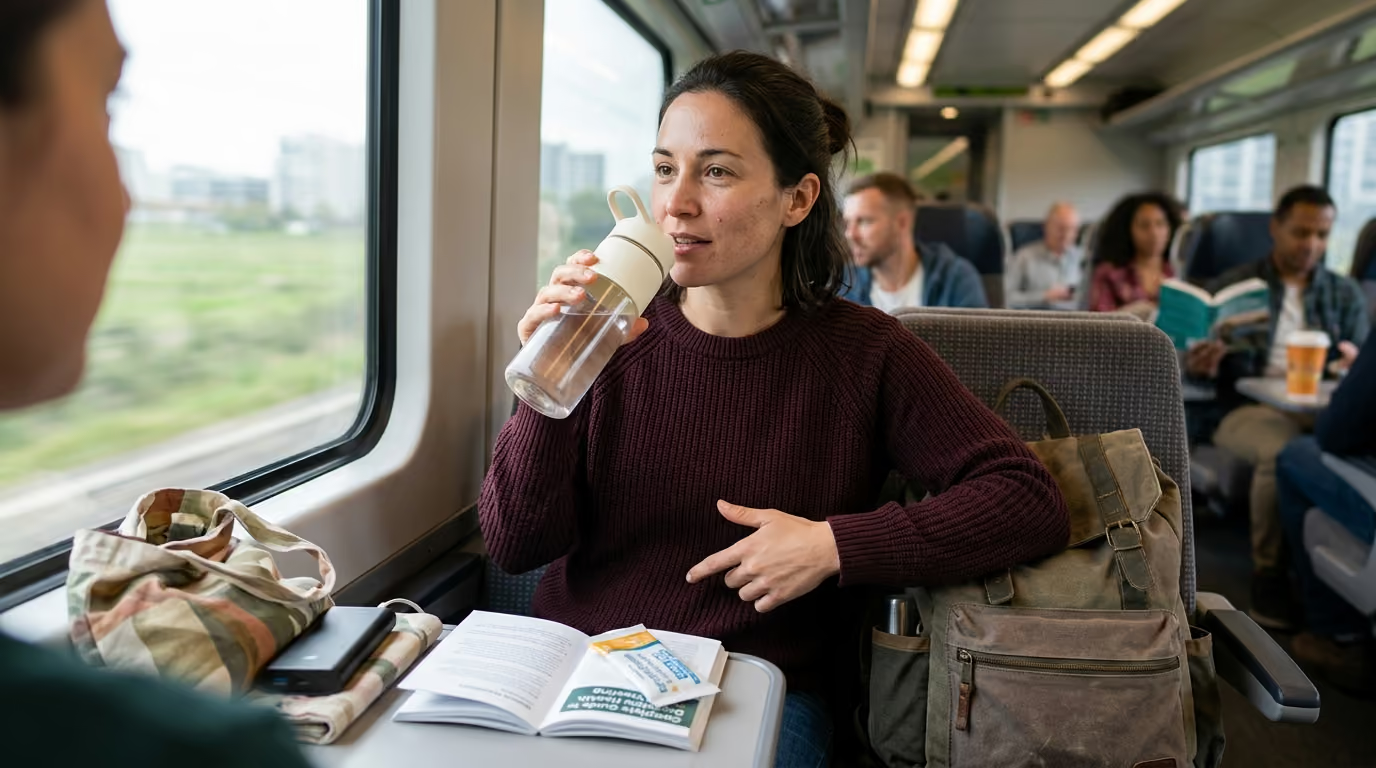
Fluid needs increase dramatically during travel due to climate shifts, strenuous walking, and dry aircraft environments. Relying on thirst alone often leads to chronic under-hydration. Monitor the color of your urine as a practical baseline indicator. Aim for a pale straw color throughout the day, and increase fluid intake immediately if your urine becomes dark or output drops significantly.
Fiber maintains stool bulk and supports healthy gut motility, but it must be managed carefully away from home. If you abruptly increase your fiber intake with unfamiliar raw grains or legumes, you risk severe bloating and gas. Rely on familiar, easily digested soluble fiber sources like oatmeal, bananas, peeled apples, and well-cooked root vegetables. When adding supplemental fiber on the road, always pair it with an extra glass of clean water.
Alcohol acts as a potent gastrointestinal irritant that accelerates fluid loss. Alcohol stimulates gastric acid production, relaxes the lower esophageal sphincter, and can induce rapid colonic transit. Drinking wine or spirits on a flight worsens dehydration caused by low cabin humidity. If you enjoy local wines or cocktails, consume them alongside a meal and match each alcoholic drink with an equal volume of safe water.
Shifting your meal schedules suddenly creates digestive distress and upper abdominal fullness. When flying across time zones, transition your meal times toward your destination's local schedule as soon as you board the aircraft. If you arrive late at night, avoid heavy, high-fat meals right before sleep. A light protein-and-carbohydrate snack will satisfy hunger without triggering nighttime acid reflux or disrupting restorative sleep.
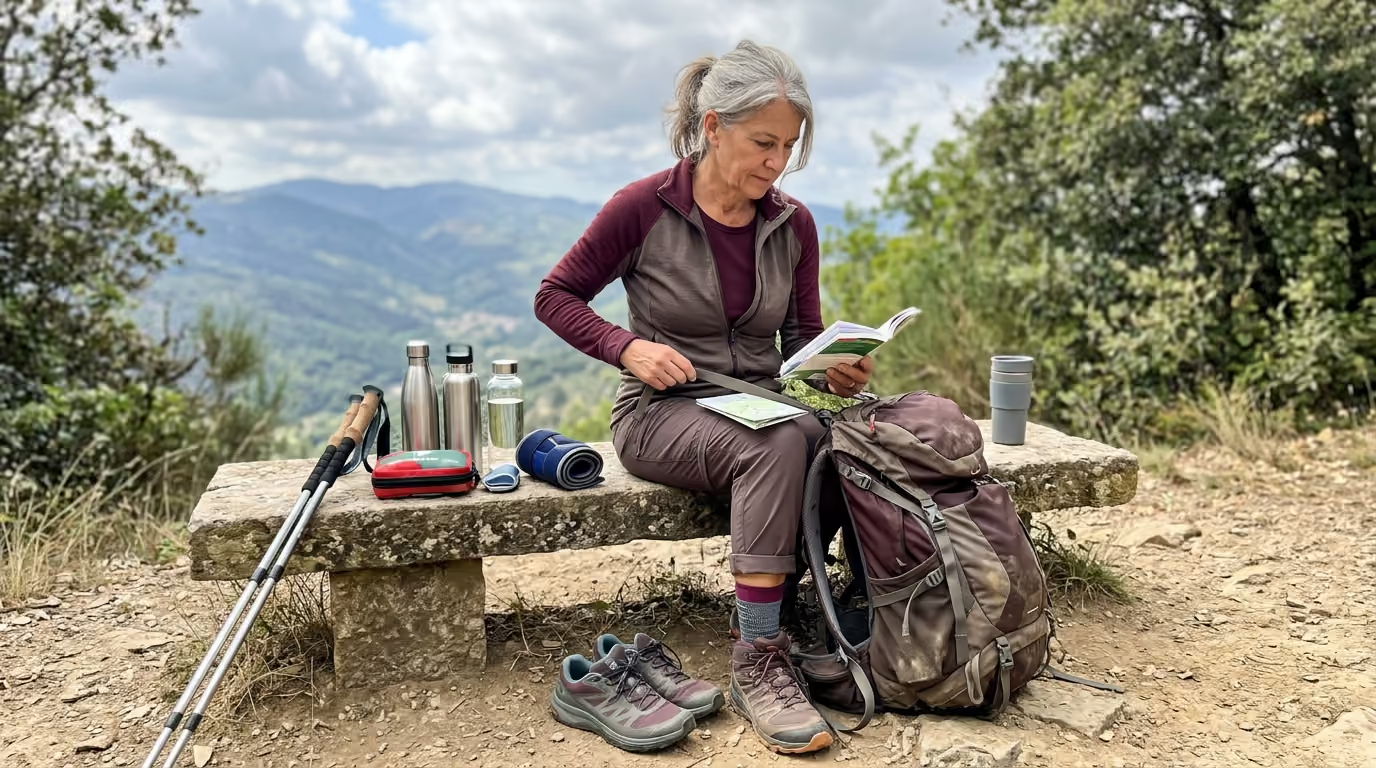
Demanding active trips present unique digestive hurdles that require targeted strategies. High-altitude trekking in environments like the Peruvian Andes or the European Alps reduces atmospheric pressure and oxygen saturation. This hypoxic stress naturally slows gastric emptying and increases intestinal gas expansion by up to thirty percent. Mountain trekkers should eat smaller, frequent carbohydrate-rich meals and avoid excessive dietary fats that take longer to digest.
Multi-day safari tours and remote road expeditions frequently lack reliable bathroom facilities. Many travelers intentionally stop drinking fluids to avoid roadside stops, which almost guarantees acute constipation within forty-eight hours. Carry your own personal sanitation kit with biodegradable toilet tissue, wet wipes, and hand sanitizer. Staying hydrated and responding promptly to natural bowel signals prevents severe physical discomfort later in the journey.
Cruise ships and organized group lodges present concentrated risks for norovirus outbreaks. Norovirus is extremely hardy, highly contagious, and resistant to many alcohol-based hand rubs. Washing your hands with friction, warm water, and plain soap for twenty seconds remains the most effective defense. Avoid shared serving tongs at open buffet lines, and request freshly prepared dishes whenever possible. Explore more strategies for maintaining physical capability in our travel and human performance collection.
A widespread myth claims that drinking high-proof spirits after an unsafe meal sterilizes bacteria in the stomach. Medical research shows that alcohol concentrations consumed socially do not disinfect gastrointestinal contents. In reality, alcohol irritates the protective stomach lining and can worsen intestinal cramping and diarrhea. Relying on alcohol as a safety measure creates a false sense of security.
Another common belief is that taking over-the-counter probiotic capsules guarantees protection against travel infections. While specific probiotic strains show modest benefits in research trials, major medical travel organizations do not recommend them as primary prevention. Probiotics cannot overcome significant exposure to pathogenic bacteria like Campylobacter, Salmonella, or enterotoxigenic E. coli. Consistent food and water hygiene remains your primary shield.
Many travelers reach for antibiotics at the first sign of a loose bowel movement. Research from the Centers for Disease Control and Prevention confirms that mild diarrhea should never be treated with antibiotics. Overusing antibiotics exposes you to drug side effects, disrupts your native microbiome, and fosters antimicrobial resistance. Reserve standby antibiotics strictly for severe, incapacitating illness or dysentery as directed by your physician.
Relying on commercial sports drinks for severe fluid loss is another frequent error. Standard sports beverages are engineered for sweating athletes and contain high concentrations of simple sugars with minimal sodium and potassium. When you suffer from active secretory diarrhea, high sugar concentrations can draw additional water into the bowel lumen, worsening diarrhea. Pack true clinical oral rehydration salts formulated to optimize the sodium-glucose cotransport mechanism in the small intestine.
Maintaining digestive health abroad does not require an obsessive, exhausting routine. Applying four practical, high-impact habits will deliver the vast majority of your gut protection. You can enjoy local cuisine and cultural experiences while keeping your risk exceptionally low.
First, practice meticulous hand hygiene immediately before eating any food. If running water and soap are unavailable, apply a generous amount of alcohol hand sanitizer and let it dry completely. Second, stick to the rule of heat: choose meals that are freshly prepared, thoroughly cooked, and served steaming hot.
Third, drink a large glass of safe water immediately upon waking to stimulate your morning gastrocolic reflex. Pair this with fifteen minutes of quiet movement or walking to encourage natural bowel motility. Fourth, keep two packets of oral rehydration salts in your daypack wherever you go. Having clinical rehydration instantly available prevents mild dehydration from escalating into a trip-ending emergency.
Digestive disruptions during travel fall into three functional categories defined by the Centers for Disease Control and Prevention: mild, moderate, and severe. Mild diarrhea is tolerable, causing minimal disruption to planned activities. Moderate diarrhea interferes with your daily itinerary, while severe diarrhea is completely incapacitating or accompanied by dysentery, which is visible blood in the stool.
For mild watery diarrhea, the correct response is supportive hydration and temporary dietary simplification. Drink clean water, broths, and oral rehydration solutions while avoiding dairy, alcohol, and high-fat foods. Bismuth subsalicylate can reduce stool frequency and ease abdominal cramping. Loperamide may be used judiciously if you must board a flight or train, provided there is no fever or blood in your stool.
Travel-related constipation requires a gentle, non-stimulant approach. Do not jump immediately to harsh chemical stimulant laxatives, which can cause painful cramping and rebound irregularity. Increase your intake of warm, safe fluids, walk briskly for twenty minutes after breakfast, and consider a mild osmotic laxative like polyethylene glycol if travel constipation persists past three days. For broader wellness strategies, review our evidence-based health resources.
If symptoms continue after you return home, seek professional medical evaluation. Persistent diarrhea lasting more than two weeks often points to protozoan parasites like Giardia or Cryptosporidium, which require specialized stool antigen testing and targeted antimicrobial medications. Never dismiss post-travel digestive changes as a simple lingering sensitive stomach.
Maintaining gut health on the road is entirely achievable when you protect your baseline daily habits, respect local exposure risks, and respond promptly to early warning signs.
Stay connected for research and practical guidance on longevity, strength, recovery, energy and active living. New ideas to help you stay capable, curious and ready for more.


Explore practical guidance on strength, recovery, energy, travel and longevity for a life that stays active.
explore the Blog