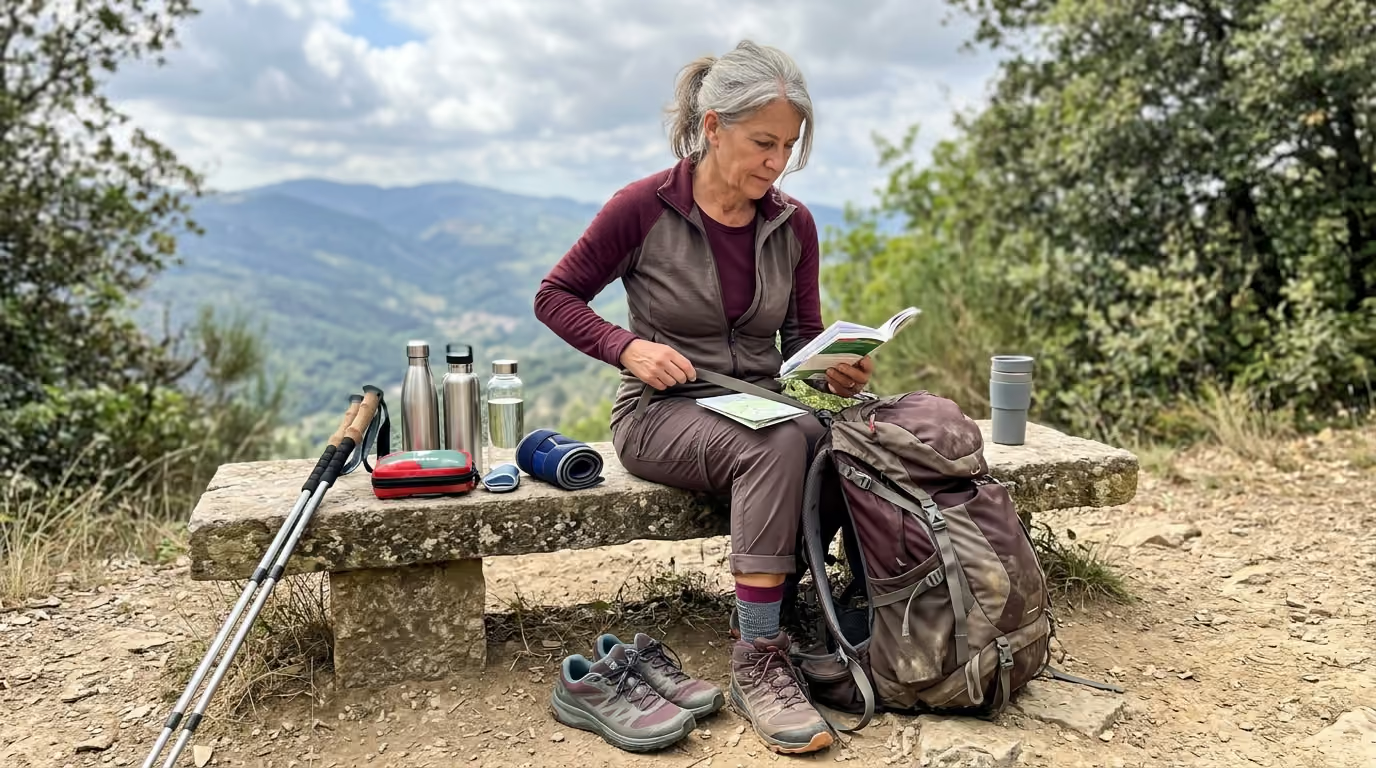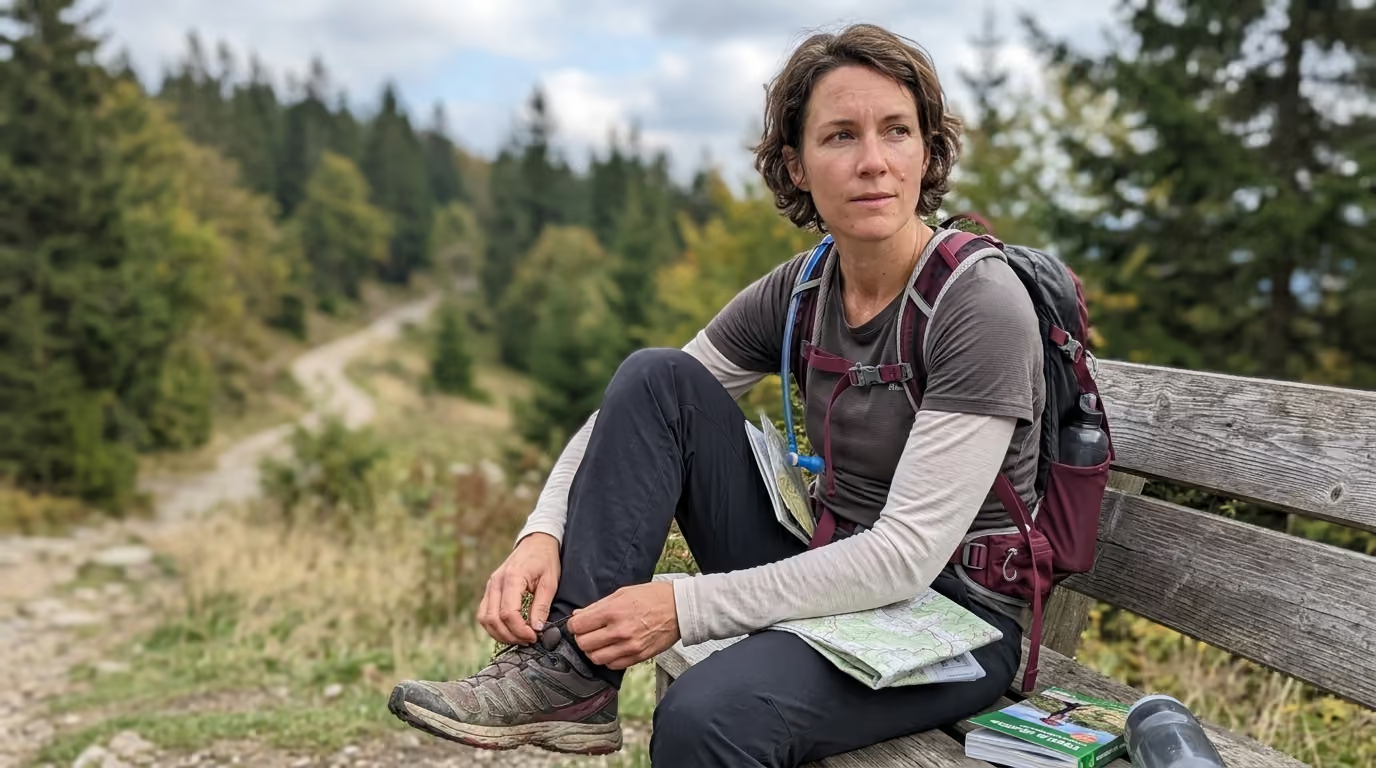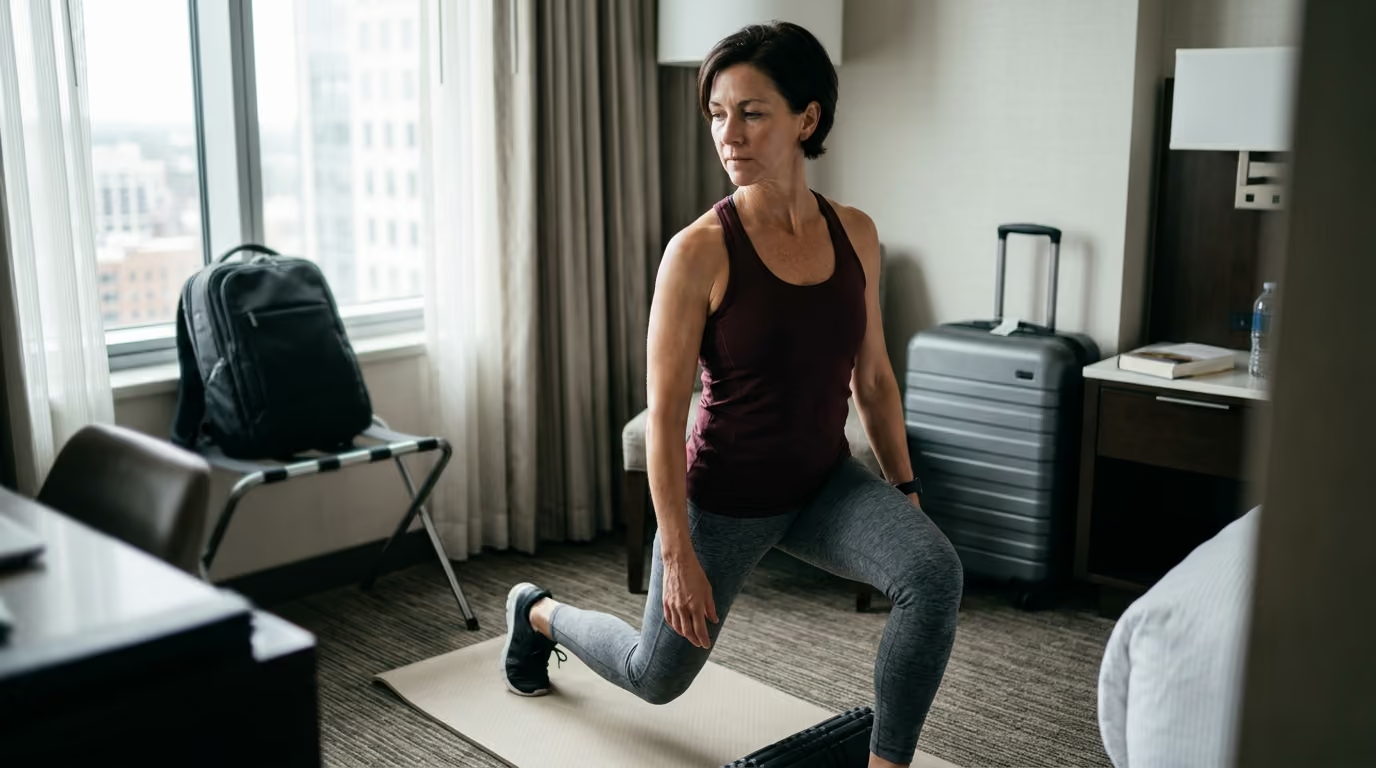

Four essential pillars of travel performance help frequent flyers protect strength and maintain energy through hectic work trips.





You have likely typed variations of the same query into your phone at odd hours: how to maintain fitness while traveling for work without exhausting yourself. Business travel introduces a chaotic mix of early flights, unpredictable client dinners, fragmented sleep, and sparse hotel gyms. The standard advice, which tells you to wake up at 5:00 AM for an intense workout regardless of when your flight landed, often leads to burnout and injury.
Here is the definitive guide to managing your physical capacity, circadian health, and nutritional stability on the road. By shifting your focus from unsustainable perfection to strategic continuity, you can protect your strength and return home ready for your next athletic pursuit.
Business travel places compound physical stress on the human body. Time-zone changes, long periods of sitting, dehydration, work demands, and late dinners with alcohol all drain your physiological reserves. Research shows that frequent business travel correlates with poorer self-rated health and higher body mass index. This risk rises significantly for individuals spending more than twenty nights away from home each month.
Treating physical fitness on the road as an all-or-nothing effort is a losing strategy. When you view training as a rigid ninety-minute gym workout, a delayed flight or a morning client meeting ruins your entire schedule. This mindset creates multi-week gaps in your physical activity.
A resilient travel framework relies on system management across four distinct areas:
The goal of this playbook is not to set personal records in a different city every week. The objective is to apply strategic travel performance resources that maintain your physical foundation. When you protect your baseline on the road, you avoid the painful process of rebuilding lost conditioning every time you return to your home gym.
Understanding why travel drains your energy helps you make smarter decisions in airports and hotels. Travel fatigue is not simply psychological stress from meetings. It is a predictable biological response to environmental displacement.
Your body operates on an internal master clock located in the suprachiasmatic nucleus of the brain. This central pacemaker coordinates daily variations in core temperature, hormone production, digestive enzyme secretion, and cognitive sharpness. Peripheral clocks also reside inside your muscle tissue, liver, and gut.
When you cross multiple time zones, your central clock remains anchored to your departure city. Exposure to light, meal timing, and physical movement serve as primary time-givers, or zeitgebers. When these cues arrive out of sync with your internal rhythms, your systems fall out of phase. Your digestive tract may receive food when enzyme production is low. Your brain may attempt to sleep when core body temperature is naturally elevated.
Eastward travel forces you to advance your internal clock to an earlier hour. This shift is biologically harder than westward travel, which requires delaying your rhythms. An unmanaged circadian shift causes daytime drowsiness, nighttime awakenings, and compromised gastrointestinal comfort.
It is essential to distinguish between sleep opportunity and circadian adaptation. Sleep opportunity refers to the total time you spend in bed. Circadian adaptation describes the actual alignment of your biological rhythms with the local clock.
You can spend eight hours lying in a quiet hotel bed and still wake up unrefreshed. If your internal clock thinks it is midday, your sleep architecture changes. You experience less slow-wave sleep and more frequent micro-awakenings.
Public health guidelines state that adults need at least seven hours of sleep per night. When traveling, seven hours of restless sleep does not fully offset sleep debt. You must manage both the duration of your rest and the biological timing that drives deep recovery.
Airplane cabins feature low humidity and reduced air pressure. This environment accelerates fluid loss through respiration and dry skin. Dehydration thickens blood viscosity and impairs nutrient transport.
Extended sitting compresses the popliteal veins behind the knees, slowing blood return to the heart. Prolonged stillness reduces cellular glucose uptake and triggers muscular stiffness across the lower back, hips, and calves. Extended inactivity without movement also increases the risk of deep vein thrombosis. This vascular issue requires careful awareness among travelers with specific risk profiles.
When your calendar changes rapidly, a clear decision-making hierarchy eliminates guesswork. Use this five-layer system to prioritize your choices every day.
Sleep serves as your primary recovery mechanism. If you must choose between a difficult resistance workout and an extra hour of sleep after a long flight, prioritize sleep. A high-intensity workout performed on four hours of sleep increases injury risk and drives up stress hormones. Secure a cool, dark room and protect your sleep window before organizing other activities.
Do not rely solely on formal gym sessions to stay active. Physical activity of any intensity delivers health and metabolic benefits. Walk through airport terminals, take the stairs, and stand during phone calls. Small movement choices maintain circulation and energy levels throughout the workday.
Strength preserves lean tissue, supports metabolic rate, and keeps your joints resilient. Aim for two brief full-body resistance training sessions each week. This minimal stimulus maintains functional capacity without overwhelming your recovery systems. When time is tight, you can review maintaining functional strength to adapt routines for smaller spaces.
Aerobic work keeps your cardiovascular system healthy and promotes blood flow. Once your sleep and strength training are on track, add low-impact conditioning. A brisk walk outdoors, twenty minutes on a hotel stationary bike, or an incline treadmill walk will suffice. Keep the intensity moderate to avoid creating extra recovery debt.
Advanced recovery methods, such as cold plunges, saunas, and specialized supplements, belong at the top of the pyramid. Never prioritize complex recovery protocols over the fundamentals of sleep, whole foods, and regular movement. Get the basics right first.
You do not need a luxury gym to complete an effective workout. You only need to stimulate your major movement patterns with sufficient effort.
Most hotel fitness centers offer adjustable benches, light dumbbells, and a basic cable system. You can build an effective full-body workout around four key movement patterns:
Perform this routine as a circuit. Complete eight to twelve repetitions per exercise, resting sixty seconds between stations. Move through three total rounds. Choose weights that leave two to three repetitions in reserve on every set.
When back-to-back meetings leave you trapped in your room, complete this bodyweight routine. Perform each movement with control for forty seconds, followed by twenty seconds of rest:
Rest two minutes, then complete a second round. This ten-minute routine increases circulation, engages major muscle groups, and resets posture after hours of sitting.
Do not abandon your training program simply because the hotel lacks barbells. Substitute movements based on functional patterns rather than specific equipment:
These substitutions challenge the same muscle groups through similar joint angles while accommodating whatever equipment is on hand.
An exercise snack is a brief bout of physical activity, lasting one to five minutes, performed throughout the day. These mini-sessions break up long stretches of sitting.
Meta-analyses show that regular exercise snacks improve cardiorespiratory fitness, blood pressure, fasting glucose, and cholesterol profiles. When you have a full day of meetings, perform thirty air squats or sixty seconds of calf raises every two hours. These short bursts maintain insulin sensitivity and keep you alert.
Eating in restaurants and airport lounges makes nutritional consistency difficult. Success comes down to setting a repeatable meal structure rather than attempting a restrictive diet.
Build every meal around a straightforward five-step framework:
This approach gives you the flexibility to dine anywhere without derailing your physical health. Learn more about balanced fueling strategies through metabolic nutrition principles.
The International Society of Sports Nutrition recommends that active adults consume 1.4 to 2.0 grams of protein per kilogram of body weight each day. A 180-pound traveler should target roughly 115 to 160 grams of protein daily to preserve muscle mass.
Distribute this intake evenly by aiming for 20 to 40 grams of high-quality protein every three to four hours. When traveling, carry portable options to hit these numbers:
Having protein-rich snacks in your briefcase keeps you from relying on low-nutrient conference snacks.
Business dinners often focus on rich foods and free-flowing alcohol. You can support professional relationships while still protecting your recovery.
Alcohol helps you fall asleep faster, but it disrupts sleep architecture, suppresses REM sleep, and increases nighttime awakenings. It also causes mild dehydration, which worsens the effects of jet lag.
Use these practical strategies at evening dinners:
These deliberate choices let you enjoy the meal without feeling sluggish the next morning.
Overcoming jet lag requires coordinating your light exposure, sleep schedule, and caffeine timing. Follow these steps to adjust your internal clock efficiently.
Traveling east requires advancing your body clock. If you fly from New York to London, your body needs to sleep and wake several hours earlier than normal:
Traveling west requires delaying your body clock. Flying from London to Los Angeles means staying awake later:
If your trip lasts less than forty-eight hours and spans three time zones or fewer, do not force a full circadian shift. Shifting your biological clock takes roughly one day per time zone crossed. Adapting for a two-day trip only to shift back immediately causes unnecessary fatigue.
Keep your home sleep schedule as much as possible. Sleep slightly later in local time, schedule important meetings during your biological daytime, and return home without a second round of jet lag.
Misinformation around travel fitness often causes well-intentioned executives to overtrain or under-recover. Here are the common myths to avoid.
Pushing through an intense interval session on three hours of sleep creates unnecessary physical stress. It spikes cortisol levels, increases injury risk, and compromises your immune system. If you are sleep-deprived, switch to a brisk outdoor walk, light mobility work, or an early bedtime.
While alcohol causes sedation, it degrades overall sleep quality. It increases heart rate variability stress, elevates resting heart rate, and prevents restorative deep sleep cycles. Avoid using nightcaps to fall asleep in unfamiliar hotel rooms.
Drinking coffee late in the afternoon masks tiredness by blocking adenosine receptors in the brain, but it does not remove biological fatigue. Late caffeine consumption fragments your sleep, creating a cycle where you wake up exhausted and reach for more caffeine. Stop caffeine intake early in the day.
A sixty-minute gym session cannot fully undo ten continuous hours of sitting in airplanes and conference rooms. You need regular movement spread throughout the day. Combine brief exercise snacks with short walks to keep your circulation and metabolism active.
Melatonin is a chronobiotic hormone that shifts circadian timing, not a standard sedative. Taking it at the wrong biological time can shift your clock in the wrong direction, making jet lag worse. If you use melatonin, match the timing to your target destination bedtime.
Maintaining physical capacity does not require long daily gym sessions. You can maintain strength, muscle mass, and metabolic health with straightforward, focused inputs.
This baseline preserves your physical adaptations during travel without consuming all your free time. Review our guides on recovery and sleep strategies to help optimize your rest when traveling across regions.
Every trip presents unique scheduling and environmental challenges. Use these tailored blueprints for your specific itinerary.
Major health and exercise physiology organizations share clear guidance on maintaining health while traveling:
When you apply these principles, business travel shifts from an exhausting ordeal into a manageable part of your active lifestyle.
Apply this checklist to your next trip to protect your energy and strength:
Stay connected for research and practical guidance on longevity, strength, recovery, energy and active living. New ideas to help you stay capable, curious and ready for more.


Explore practical guidance on strength, recovery, energy, travel and longevity for a life that stays active.
explore the Blog