
Long flights and hotel stays before a major competition disrupt your sleep and recovery unless you manage travel as part of your performance plan.





You step off a nine-hour transatlantic flight with your bike box in tow, feeling stiff, slightly dehydrated, and mentally dull. Your target race takes place in three days, and the training block behind you was flawless. Yet how you manage the next seventy-two hours will determine whether that fitness shows up on the course or evaporates in transit. Traveling for an athletic event introduces physical and psychological strain that can quietly undermine months of preparation. Treating travel as an active component of your performance strategy ensures your body arrives at the start line ready to compete.
Many athletes view travel as neutral logistics. They plan their workouts, nutrition, and taper down to the hour, but treat flights, rental cars, and hotel stays as passive background noise. In reality, long-distance transit acts as a genuine physiological stressor that alters sleep architecture, autonomic balance, fluid retention, and cellular energy levels.
A structured travel campaign breaks the journey down into six distinct phases. First is preparation, which encompasses your taper, sleep accumulation, packing, and nutritional logistics. Second is transit, where you actively protect sleep, manage fluid intake, and reduce physical stiffness. Third is arrival and resynchronization, focusing on local time alignment, gear checks, and light movement.
Fourth comes environmental adaptation, where you accommodate local heat, humidity, or altitude. Fifth is race execution, relying entirely on rehearsed pacing, nutrition, and hydration strategies. Finally, the post-event recovery and return phase restores your physical baseline before the journey home. Approaching event travel through this six-stage framework replaces last-minute panic with methodical preparation, allowing you to perform at your peak regardless of destination.
To manage travel effectively, you must distinguish between travel fatigue and circadian jet lag. Travel fatigue is the acute physical and mental exhaustion resulting from the trip itself. It stems from prolonged sitting, disrupted daily routines, dry cabin air, delayed meals, carrying heavy luggage, and general cognitive strain. This fatigue accumulates even during trips within a single time zone, and the primary remedy is maximizing sleep opportunity and restoring basic hydration.
Jet lag is a distinct circadian disruption caused by crossing multiple time zones at speed. The human body operates on an internal circadian timing system governed by the suprachiasmatic nucleus in the brain. This master clock regulates hormone secretion, core body temperature, gastrointestinal motility, and muscle strength. When you cross time zones quickly, your internal biological clocks desynchronize from local environmental cues, causing sleep fragmentation, gastrointestinal distress, and impaired physical capacity.
Research shows that rapid transmeridian travel can temporarily disrupt hormonal balance, autonomic nervous system tone, and athletic performance. Eastward travel is generally more disruptive than westward travel because the human circadian cycle naturally runs slightly longer than twenty-four hours. Lengthening your day by traveling west is easier for the brain than shortening your day by traveling east.
Managing jet lag requires deliberately shifting your circadian phase using external time givers known as zeitgebers. The most powerful zeitgeber is natural light, followed by meal timing, physical movement, and exogenous melatonin when appropriate. Indiscriminate exposure to bright light at the wrong biological time can shift your clock in the wrong direction. Understanding how to schedule light exposure and darkness allows you to accelerate synchronization and minimize performance decrements at your destination.
A successful competition trip begins weeks before departure with a properly constructed taper. The primary objective of a taper is to dissipate accumulated physiological fatigue while preserving fitness, power, and movement efficiency. A comprehensive meta-analysis revealed that a two-week taper featuring a training volume reduction of 41 to 60 percent, while maintaining training intensity and frequency, provides the optimal framework for endurance performance.
Athletes frequently report feeling flat, sluggish, or less fit during a taper. This psychological phenomenon occurs because total training volume has dropped, which alters resting muscle tension and perceived readiness. Scientific evidence demonstrates that an effective taper improves time-trial capacity and time to exhaustion without necessarily increasing maximal oxygen uptake. Recognizing that this sluggish sensation is a normal biological response prevents the urge to schedule hard workouts during travel week.
Planning your travel schedule backward from the start line ensures you avoid unnecessary logistical friction. A practical preparation schedule uses four distinct milestones:
During this initial window, collect all critical logistical and technical details about your target event:
This period marks the beginning of your formal training taper and environmental planning:
The final week requires finalizing operational details and building travel contingencies:
Arriving at your destination two to three days before competition gives you time to assemble equipment, purchase groceries, and complete diagnostic movement sessions. When planning your journey, consult our travel and human performance resources to integrate structured transit routines that protect your baseline physical readiness.
Earlier arrival is especially valuable when dealing with large time-zone changes, extreme heat, or technical terrain. However, staying at a race venue too long can sometimes introduce unwanted boredom, poor sleep in unfamiliar hotel beds, and excessive time on your feet. Match your arrival window directly to the environmental demands of the course.
Protecting your sleep baseline before you depart is far more effective than attempting to fix severe sleep deficits on the road. The consensus among sports sleep researchers is that sleep needs are highly individual. Applying a rigid, generic sleep duration to every athlete overlooks personal physiological variation.
Sleep banking is an evidence-backed strategy where you intentionally extend your nightly sleep opportunity in the week leading up to a demanding trip. Research indicates that accumulating extra sleep before periods of travel helps maintain athletic motor performance and reduces daytime sleepiness during subsequent sleep restriction. Treat sleep as a physical reserve to build before you step onto an airplane.
When crossing time zones, your directional strategy determines how you adjust your schedule. Westward travel requires delaying your circadian clock, which you can support by seeking evening light and staying awake slightly later before departure. Eastward travel requires advancing your clock, which is assisted by seeking bright morning light and advancing your bedtime. You can learn more about managing physical restoration on the road through our recovery and sleep strategies.
Onboard transit management requires active intervention to protect your physical state:
Relying on prescription sleeping pills or sedative-hypnotics during travel carries significant risks for athletes. These medications can cause lingering grogginess, impaired motor coordination, and reduced reaction time. If sedatives are used, clinical guidelines recommend ensuring a full eight-hour sleep opportunity before undertaking any demanding physical activity. Non-pharmacological sleep hygiene practices should always serve as your primary strategy.
Your arrival day sets the tone for your competitive readiness. Upon landing, prioritize spending twenty to thirty minutes outdoors in natural sunlight to anchor your circadian rhythm to the local time zone. Complete a light mobility routine or an easy twenty-minute walk to flush out fluid accumulation from sitting. Keep naps under thirty minutes to avoid disrupting your ability to fall asleep at a normal local bedtime.
Competing in an unfamiliar environment requires distinct physiological adaptations. Attempting to match your domestic race pace in high heat, thin air, or freezing conditions without prior preparation will quickly derail your performance.
Exercising in high ambient temperatures elevates your core body temperature, accelerates glycogen depletion, and increases cardiovascular strain. Heat acclimation stimulates vital physiological adaptations, including an expanded plasma volume, a lower resting core temperature, an earlier onset of sweating, and a lower sweat sodium concentration.
Sports medicine consensus statements indicate that optimal heat acclimatization requires ten to fourteen days of repeated heat exposure. A minimum protocol involves at least seven consecutive days of exercise in the heat, with daily sessions lasting sixty to ninety minutes. If traveling to a hot venue without prior acclimation, lower your race-day pace targets early, wear light, breathable clothing, and adopt an aggressive pre-cooling and fluid strategy.
High-altitude environments present lower barometric pressure, which reduces the partial pressure of oxygen in the air you breathe. This hypoxia reduces maximal oxygen uptake, elevates resting and exercise heart rates, and increases ventilation rates.
When preparing for an event at moderate altitude, arriving approximately two weeks before competition allows your body to adjust ventilation and resting plasma volume. If a two-week stay is impossible, an alternative approach is arriving within eighteen to twenty-four hours of the start line. This immediate strategy allows you to race before acute altitude fatigue and sleep disruption fully accumulate. When racing at elevation, expect a lower power output or slower pace, and avoid interpreting an elevated heart rate as a sudden loss of fitness.
Cold conditions impair peripheral blood flow, reduce finger dexterity, and alter muscle contraction dynamics. In open-water swimming, cold shock can trigger hyperventilation and elevated heart rates upon entry.
When racing in cold environments, pack multiple moisture-wicking layers, windproof outer shells, and thermal headwear. For cold-water swims, wear two swim caps, use silicone earplugs to prevent cold-water dizziness, and test your wetsuit fit beforehand. Plan your post-finish routine carefully by having dry, warm thermal layers and hot fluids immediately accessible to prevent post-race hypothermia.
The most demanding athletic events combine multiple environmental challenges at once. A mountain marathon may feature high altitude, freezing morning temperatures, and intense midday heat. When stressors compound, the physiological cost rises non-linearly. In these scenarios, conservative pacing, meticulous clothing changes, and flexible race goals are necessary to reach the finish line safely.
Travel presents constant obstacles to maintaining consistent athletic nutrition. Airport schedules, flight delays, unfamiliar restaurant menus, and hotel facilities can easily disrupt your caloric intake. Maintaining adequate energy availability is essential for preserving immune function, muscle glycogen stores, and cognitive focus.
In the forty-eight hours leading up to an endurance event, increase your daily carbohydrate intake to support muscle glycogen loading. For prolonged endurance events, consuming five to eight grams of carbohydrate per kilogram of body weight per day provides sufficient fuel without overloading your digestive system. Stick strictly to familiar, low-fiber carbohydrate sources such as white rice, oats, bread, bananas, and sports drinks. For broader strategies on fueling athletic longevity, see our nutrition and metabolism guidance.
During prolonged exercise lasting longer than sixty minutes, aim for thirty to sixty grams of carbohydrate per hour using a six to eight percent carbohydrate-electrolyte solution. In ultra-endurance events, athletes may require higher intakes, often combining liquid carbohydrates, energy gels, and easily chewable solids. Always practice gut training in your domestic preparation by consuming these exact carbohydrate volumes during hard training sessions. Never introduce a new gel brand, energy bar, or concentrated sports drink during race week.
Hydration requires an individualized approach based on your personal sweat rate, the ambient temperature, and the event duration. Endurance athletes generally consume between 450 and 750 milliliters of fluid per hour. Drinking excessive amounts of plain water without adequate sodium replacement can cause exercise-associated hyponatremia, a potentially life-threatening drop in blood sodium levels. Ensure your race-day fluids contain balanced electrolytes, especially when competing in hot conditions.
Gastrointestinal infections can instantly ruin months of rigorous training. International travel carries risks from contaminated water, unwashed raw produce, and poorly stored food. Follow these essential food and water safety rules while traveling:
Post-race recovery nutrition begins the moment you cross the finish line. If you are participating in a multi-day event or need rapid restoration, consume 1.0 to 1.2 grams of carbohydrate per kilogram of body weight per hour for the first four hours after finishing. Pair this carbohydrate with approximately 0.25 to 0.4 grams of high-quality protein per kilogram to stimulate muscle protein synthesis and accelerate glycogen replenishment. Rehydrate with sodium-containing fluids until your body weight returns to its pre-race baseline.
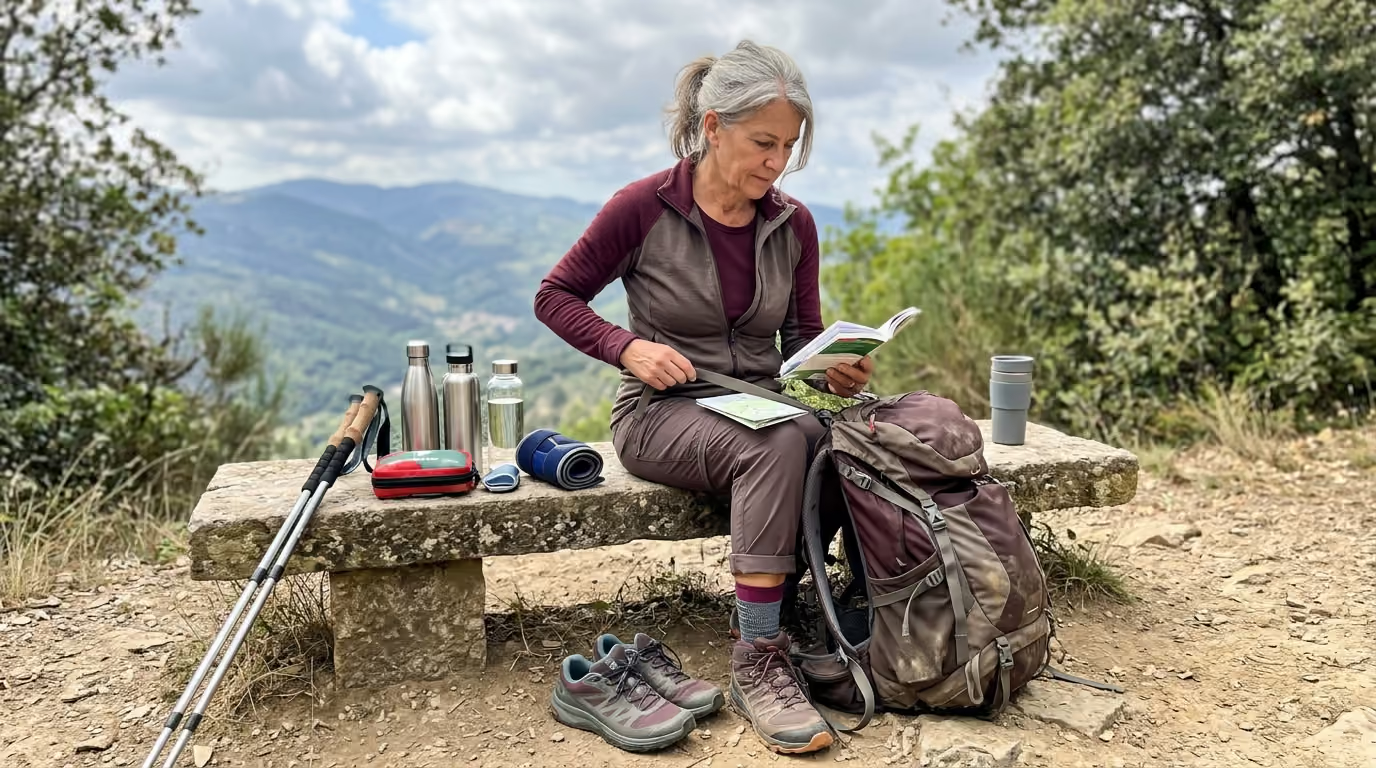
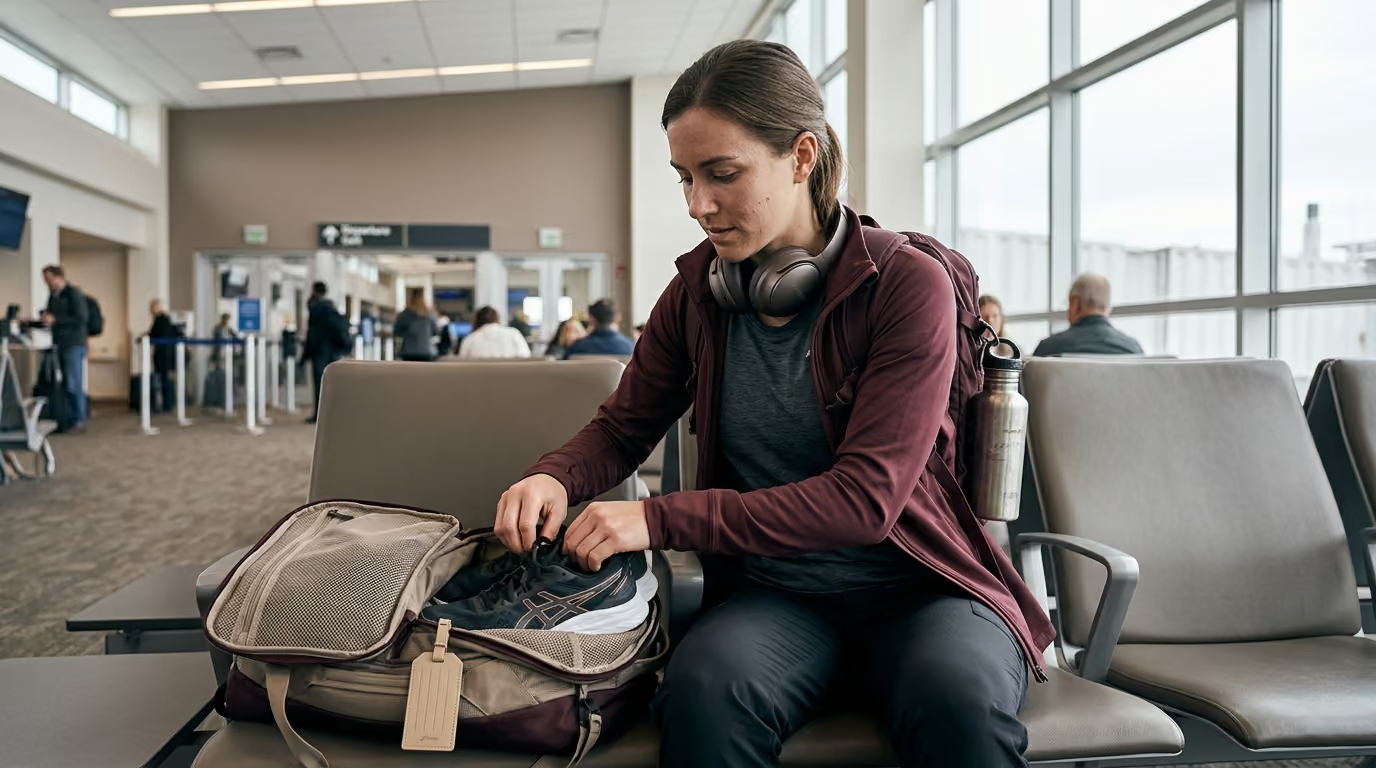
Equipment failures on the road create intense stress that drains mental and physical energy. Organizing your gear into a clear functional hierarchy protects you against lost luggage and transit damage.
Adopt the principle of "one race, one day, one delay." Pack your gear into three distinct categories:
These items must remain in your carry-on luggage at all times:
These items can be checked if necessary, but should be distributed carefully across bags:
These convenience items can be checked or purchased locally if lost:
Different athletic disciplines require specialized travel logistics to ensure competitive readiness:
When traveling with a bicycle, photograph the bike thoroughly during disassembly to document its condition. Pack critical frame tubes with closed-cell foam, use dedicated axle spacers to prevent fork crushing, and carry a calibrated torque wrench in your luggage. Upon arrival, reassemble the bike and perform a brief ten-minute diagnostic test ride. This ride is not a fitness workout; it serves to verify shifting precision, brake clearance, tire seating, saddle height, and power-meter calibration.
Open-water venues present variable currents, water clarity, and temperatures. Pack two pairs of goggles, including one tinted pair for sunny conditions and one clear pair for overcast skies. Apply anti-chafing balm around your neck and armpits before slipping into your wetsuit. Check out our comprehensive performance and fitness resources for additional ways to structure your seasonal racing calendar.
Alpine racing requires meticulous protection against extreme cold and gear wear. Cold temperatures drain lithium batteries rapidly, so store your headlamps, GPS units, and electronic shifting batteries in internal clothing pockets close to your body heat. Inspect ski edges, base structures, and touring skins before departure, and confirm that your safety gear meets current race regulations.
Multi-day stage events require rigorous organization and mental discipline. Vacuum-seal your daily nutrition rations into individual, labeled waterproof bags. Pack a small, dedicated foot-care kit containing blister dressings, alcohol wipes, and adhesive tape in your main pack. Establish a systematic routine for cleaning gear, drying footwear, and repacking bags immediately upon reaching camp each evening.
Navigating event travel successfully requires separating proven sports science from popular athletic myths. Avoiding these common errors will preserve your physical readiness.
One of the most damaging travel mistakes is attempting a hard workout upon arrival to make up for missed sessions during transit. Travel fatigue is real physiological fatigue. The purpose of your arrival workout is purely diagnostic and neuromuscular, consisting of light movement and short strides or spins to loosen tight joints.
Many athletes overconsume plain water during flights and race week out of an irrational fear of dehydration. Excessive water consumption without adequate sodium intake dilutes blood electrolyte levels, increasing the risk of hyponatremia and gastrointestinal discomfort. Drink according to thirst and use balanced electrolyte solutions rather than forcing excessive fluid intake.
Assuming race organizers will supply your preferred nutrition brands or flavors is a risky gamble. Aid stations can run out of supplies, serve incorrectly mixed sports drinks, or provide products that upset your stomach. Always carry enough tested personal nutrition to cover your race plan from start to finish.
Hotel breakfast buffets rarely open early enough for pre-dawn race starts, and their offerings are often high in fat and low in easily digestible carbohydrates. Never rely on an unfamiliar hotel kitchen for your pre-race meal. Carry instant oatmeal packets, white bread, nut butter, bananas, and a portable electric kettle to prepare your own tested breakfast in your room.
Sedative medications induce unconsciousness, but they do not shift your underlying circadian rhythm. They can leave you with lingering cognitive sluggishness, reduced muscular power, and slower reaction times on race morning. Rely instead on light exposure, meal timing, and behavioral sleep strategies to realign your internal clock.
A taper is a reduction in training volume, not total physical rest. Stopping all movement causes muscle tone to drop, leaving you feeling sluggish, tight, and disconnected from your pacing rhythm. Maintain your normal training frequency and include brief bursts of race-pace intensity while slashing total workout duration.
Dietary supplements purchased off the shelf can contain unlisted, contaminated, or banned substances. Under international anti-doping regulations, athletes operate under strict liability for any substance found in their body. Only use supplements that carry third-party batch testing certifications from recognized organizations like NSF Certified for Sport or Informed Sport.
You do not need a complex, stressful optimization protocol to execute a successful competition trip. Focusing on four high-yield actions delivers the vast majority of performance benefits without overwhelming your travel schedule:
Executing these four straightforward fundamentals consistently will eliminate the primary causes of travel-related performance loss.
The broader sports medicine and exercise science communities agree on several foundational principles regarding athletic travel:
Applying these validated scientific principles gives you a durable, repeatable foundation for competing anywhere in the world. When planning your broader athletic calendar, review our longevity and living well insights to build sustainable athletic performance over the long term.
Revisit this guide four to eight weeks before any major travel-based athletic competition or multi-day challenge. Review the packing hierarchies, transit sleep schedules, and environmental timelines to structure your journey with precision.
Treating event travel as an active discipline transforms long-distance transit from an unpredictable obstacle into a reliable competitive advantage.
Stay connected for research and practical guidance on longevity, strength, recovery, energy and active living. New ideas to help you stay capable, curious and ready for more.


Explore practical guidance on strength, recovery, energy, travel and longevity for a life that stays active.
explore the Blog