
High mountain trails and open water expose active travelers to intense ultraviolet radiation, requiring technical apparel, smart scheduling.





You stand on a wind-swept ridgeline in the Dolomites at mid-morning. The mountain air feels cool, crisp, and deceptively mild against your skin. You feel energized, yet your skin and eyes are absorbing an intense dose of ultraviolet radiation reflected from rock and snow. By late afternoon, a subtle headache sets in, accompanied by hot skin and deep physical fatigue. Most active travelers mistake this state for simple exertion, but it is actually the compound effect of solar radiation, invisible fluid loss, and heat strain.
Outdoor performance over forty requires a smarter approach to environmental exposure. Real sun protection is never just a bottle of lotion tossed into a daypack. It is a systematic, layered approach to environmental risk management. When you master UV defenses, thermoregulation, ocular care, and strategic hydration, you protect your physical capacity and stay out on the trail longer.
Sun protection during demanding outdoor travel is an integrated hierarchy. Sunscreen is your final line of defense, not your first. The primary goal is managing direct solar exposure at the source, shielding the body with physical barriers, and keeping internal body temperature within a safe operational range.
Relying on topical creams to justify six continuous hours under direct overhead sun is a flawed strategy. Research from global health bodies emphasizes that shade, timing, and textiles offer far superior protection against cellular damage. Topical products exist solely to protect the skin you cannot reasonably cover.
At the same time, solar radiation and ambient heat present distinct physiological challenges that frequently overlap. A high-altitude glacier can present extreme ultraviolet exposure while the ambient temperature remains well below freezing. Conversely, a humid jungle trek or urban walk can trigger severe heat exhaustion even under heavy, overcast skies.
Active travelers need an adaptable, low-friction framework. By combining thoughtful route timing, high-performance apparel, disciplined hydration, and targeted topical protection, you maintain peak physical readiness across any terrain. You can explore our extensive collection of travel and human performance strategies to help build resilience for your next journey.
To protect your body effectively, you must understand the invisible energy acting upon your cells. Solar radiation reaches the Earth in distinct wavelengths, each interacting with human tissue in unique ways.
Ultraviolet A (UVA) rays have longer wavelengths that penetrate deep into the dermis. These rays account for the vast majority of UV radiation reaching the ground. UVA generates reactive oxygen species, degrades collagen fibers, and causes structural photoaging. It passes effortlessly through cloud cover and untreated window glass.
Ultraviolet B (UVB) rays have shorter wavelengths that primarily affect the epidermis, the outer layer of skin. UVB energy directly damages cellular DNA and is the primary driver of sunburn and redness. Both UVA and UVB exposure contribute directly to skin cancers. The International Agency for Research on Cancer notes that over 80 percent of cutaneous melanoma cases worldwide are directly attributable to solar radiation.
The global impact of solar radiation is extensive. World Health Organization data shows that excessive UV exposure causes roughly 1.2 million new non-melanoma skin cancers and over 320,000 melanomas annually. These risks accumulate silently across decades of outdoor recreation, mountain trekking, sailing, and trail running. A severe burn in your twenties or continuous unshaded exposure in your fifties both contribute to cumulative cellular stress.
Your eyes are equally vulnerable to solar radiation. Unprotected ocular exposure to UV rays increases the long-term risk of cataracts and macular changes. In high-glare environments like snowfields or open water, intense UVB can cause photokeratitis, which is essentially a painful sunburn on the corneal surface. Proper filtering preserves visual acuity and prevents eye fatigue over long days outdoors.
A professional approach to sun safety uses physical engineering before chemical application. When you construct multiple physical barriers between the sun and your skin, you eliminate the risk of user error, sweating off protection, or missed application spots.
The simplest way to reduce solar stress is to plan your movement around the sun's daily arc. The UV Index (UVI) provides a standardized forecast of erythemally effective radiation on a scale from 0 to 11 and above.
When the UVI is between 0 and 2, environmental risk is low. When the UVI reaches 3 to 7, skin damage occurs rapidly, requiring active shade and clothing protection. A UVI of 8 or higher demands aggressive exposure control and avoidance of direct overhead sun.
Peak UV intensity occurs between 10 a.m. and 4 p.m. when the sun sits highest in the sky. During desert crossings or tropical expeditions, schedule your high-output miles around dawn. Take a midday rest in shaded or indoor environments, and resume movement in the late afternoon. This cadence protects your skin while preventing dangerous core temperature spikes.
Shade is a functional shield that actively reduces both radiant heat load and direct UV exposure. Deep tree canopies, canyon walls, covered porticos, and transport shelters should serve as planned waypoints.
When trekking across barren terrain, carrying an ultralight, reflective trekking umbrella creates portable micro-shade. This simple tool can lower the radiant temperature felt on your head and upper body by several degrees.
Fabrics provide reliable, continuous protection that does not degrade with sweat or physical exertion. Look for garments rated with an Ultraviolet Protection Factor (UPF). A UPF 50 garment allows only one-fiftieth of available UV radiation to pass through, blocking 98 percent of rays.
Select tightly woven, lightweight synthetic fabrics or specialized merino blends. Loose-fitting long-sleeve shirts and full-length trousers allow air circulation while shielding the arms and legs. Keep in mind that when regular cotton fabrics get wet or stretch tightly across shoulders, their UV-blocking capacity drops significantly.
A standard baseball cap leaves your ears, temples, and the back of your neck exposed to direct radiation. These peripheral zones are among the most common sites for long-term sun damage.
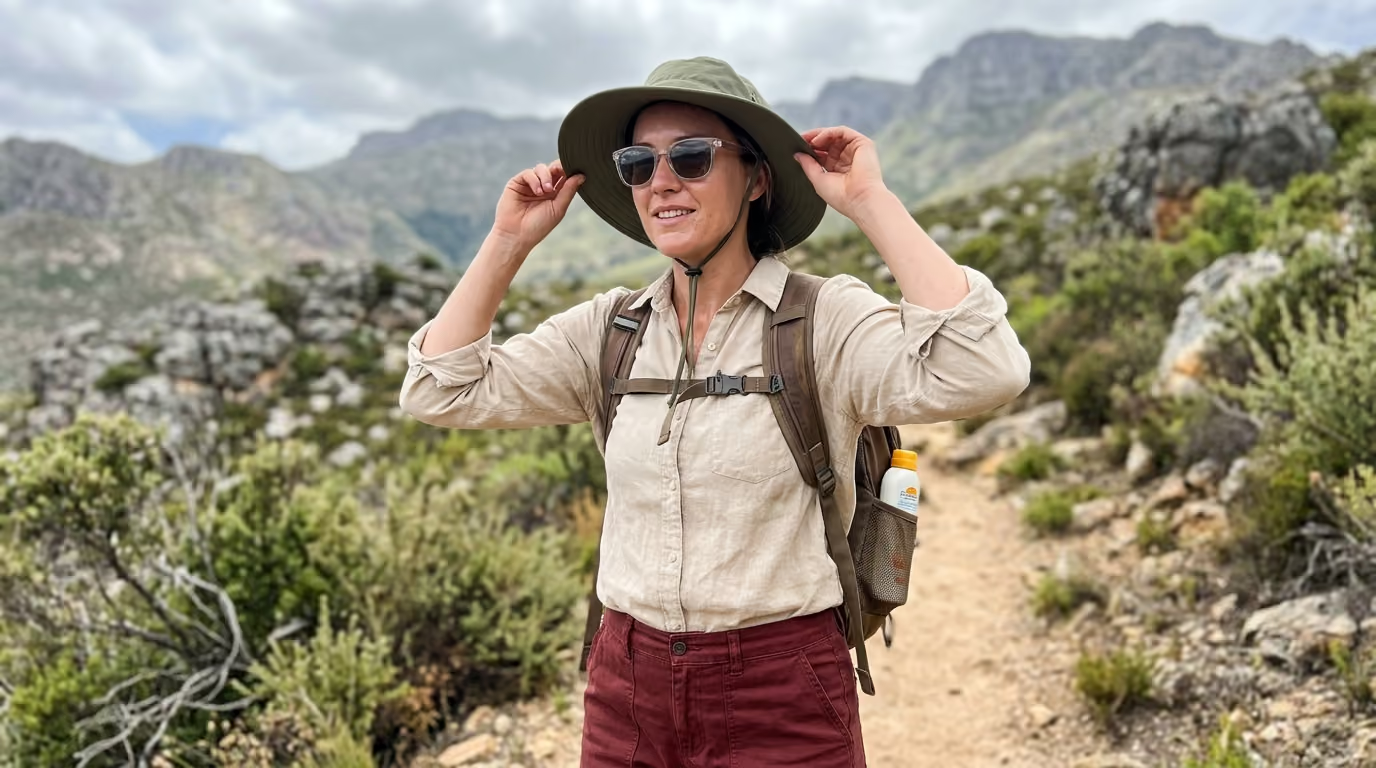
Choose a broad-brimmed hat with a circumference of at least three inches, or use a technical trail cap with an integrated neck drape. Ensure the underside of the brim is dark to absorb reflected glare from water or pale rock. For activities requiring helmets, such as climbing or cycling, pair your headwear with a lightweight neck gaiter.
Never rely on dark fashion lenses that lack certified UV filtering. Dark lenses cause your pupils to dilate, and if the lens lacks UV protection, it allows more harmful radiation to flood your retina.
Invest in wraparound performance sunglasses that block 100 percent of UVA and UVB rays. Wraparound frames block peripheral light leaking in from the sides, which is critical near snow and open water. Polarized lenses are exceptional for cutting surface glare, reducing ocular strain, and improving terrain clarity.
Topical sunscreen serves as your tactical backup for uncovered skin, including the face, hands, wrists, and ankles. To get real protection in demanding outdoor conditions, you must apply the correct formulations in sufficient quantities.
Sun Protection Factor (SPF) measures how well a product shields skin from UVB rays, the primary cause of sunburn. An SPF 30 product filters roughly 97 percent of UVB rays, while SPF 50 filters about 98 percent under standard lab conditions.
SPF does not indicate how many hours you can safely remain under direct sunlight. Furthermore, SPF ratings do not measure UVA protection. Always choose products explicitly labeled as broad spectrum, which confirms the lotion protects against UVA and UVB rays simultaneously.
Mineral formulations containing zinc oxide or titanium dioxide sit on the skin surface to reflect and scatter light. Chemical filters absorb UV rays and convert them into harmless heat. Mineral options are ideal for sensitive skin and work immediately upon application, while modern chemical formulas offer transparent coverage during high-sweat endurance activities.
Most travelers apply less than half the required amount of sunscreen, cutting the actual protective factor by more than fifty percent. An average adult needs approximately one ounce, or two tablespoons, to cover exposed skin adequately.
Apply sunscreen liberally fifteen to twenty minutes before stepping outside. Pay strict attention to commonly neglected areas:
Sunscreen washes away with heavy perspiration, water immersion, and backpack strap friction. Reapply your broad-spectrum lotion every two hours without exception. If you are swimming or sweating heavily, reapply every 40 to 80 minutes based on the product water resistance rating.
Solar exposure rarely occurs in a vacuum. Radiant heat from the sun combines with internal metabolic heat from physical exertion, testing your cardiovascular and thermoregulatory systems. Maintaining high physical capability requires active heat dissipation.
Your body regulates internal temperature primarily through sweat evaporation and peripheral vasodilation. When ambient temperatures rise, your heart pumps more blood to the skin surface to release heat. Sweat glands release moisture, which cools the blood as it evaporates into the surrounding air.
This process becomes strained in humid environments because moisture cannot easily evaporate into saturated air. In dry, arid climates, sweat evaporates instantly, which cools effectively but rapidly depletes blood volume without obvious signs of wetness.
When your body cannot shed heat efficiently, core temperature climbs, leading to reduced athletic performance, cardiovascular strain, and eventual heat illness.
You cannot land in a tropical or desert environment and expect your body to handle peak physical exertion immediately. Cardiovascular acclimatization requires progressive exposure.
According to guidance from public health authorities, full physiological adaptation takes several days of moderate activity in warm environments. During acclimatization, your plasma volume expands, your sweat rate increases, and your sweat becomes more dilute, conserving precious sodium.
When arriving in a hotter climate, keep your initial days light. Schedule shorter excursions, walk at a measured pace, and avoid high-intensity efforts during the afternoon. If you are training for a specific trekking trip, you can read our guide on building physical strength and conditioning to prepare your cardiovascular base well before departure.
Every active traveler must know the clear boundaries between mild thermal fatigue and life-threatening heat illness. Recognizing early symptoms allows you to intervene before a medical crisis develops.
Heat cramps are painful, involuntary muscle spasms occurring during or after strenuous activity in the heat. They stem from localized muscle fatigue combined with fluid and sodium deficits. Treat them by resting in the shade, gently stretching, and drinking a balanced electrolyte solution.
Heat exhaustion occurs when fluid loss and cardiovascular strain prevent adequate thermal regulation. Common symptoms include:
If heat exhaustion appears, stop all movement immediately. Move the person to deep shade or an air-conditioned room. Loosen tight clothing, elevate the feet slightly, and apply cool, wet cloths to the neck and torso. Provide cool water or electrolyte drinks if the individual is fully alert and not nauseated.
Heat stroke is a severe medical emergency. The thermoregulatory system fails entirely, and internal core temperature rises rapidly. The classic signs include:
Call emergency services or initiate immediate field evacuation. Begin aggressive, continuous cooling immediately without waiting for transport. Submerge the individual in cool water if safe, or douse their body with cold water while fanning them vigorously. Place ice packs or cold wet wraps against the neck, armpits, and groin. Never force fluids into a confused or semi-conscious individual.
Hydration is a precise balancing act between fluid intake, electrolyte retention, and renal clearance. Drinking gallons of plain water without replacing sodium can be just as dangerous as acute dehydration.
During intense hiking or cycling in warm weather, sweat rates easily range from 0.5 to 1.5 liters per hour. Fluid deficits as low as two percent of body weight noticeably degrade aerobic capacity, concentration, and motor control.
Active travelers should consume fluids steadily rather than chugging massive volumes at long intervals. Aim for roughly 400 to 800 milliliters of fluid per hour of active movement, adjusting upward for intense heat or heavy pack weight. Drink according to thirst, but do not rely on thirst alone during sustained, multi-hour excursions.
Sweat consists of water and essential minerals, primarily sodium and chloride, with smaller amounts of potassium and magnesium. Drinking large volumes of pure water during extended sweating dilutes serum sodium levels. This can trigger exercise-associated hyponatremia, a dangerous condition that causes brain swelling, confusion, and severe weakness.
The American College of Sports Medicine suggests that for prolonged physical exertion lasting beyond an hour, consuming fluids with 0.5 to 0.7 grams of sodium per liter supports fluid retention and muscular function. Carry quality electrolyte powders or electrolyte tablets on long backcountry days. You can also review our practical framework for nutrition and metabolic resilience to fine-tune your fueling strategies on the trail.
Monitor your hydration state by observing your urine color. Aim for a pale straw color throughout the day. Dark, concentrated urine indicates under-hydration, while completely clear, frequent urination suggests you are drinking plain water faster than your body can absorb it.
Different environments present unique combinations of UV radiation, ambient temperature, humidity, and reflection. Adjust your sun and heat strategies to match the terrain.
Ultraviolet radiation increases by roughly 10 to 12 percent for every 1,000 meters of elevation gained. At high altitudes, the thinner atmosphere absorbs fewer UV rays. Fresh snow reflects up to 80 percent of incoming radiation, hitting your face and eyes from below.
Wear Category 3 or Category 4 glacier glasses with side shields to prevent peripheral light leakage. Use a broad-spectrum, zinc-based lip balm and zinc cream on your nose and cheeks. Even if temperatures remain freezing, cover your neck and face with a technical balaclava or buff. Drink fluids regularly, as dry mountain air accelerates respiratory moisture loss.
Water reflects solar radiation directly upward, doubling your effective exposure. Sea spray and wind create a cooling sensation that often masks severe, ongoing sunburn.
Wear a dedicated UPF 50+ long-sleeve rash guard or sun hoodie with thumb loops to cover the backs of your hands. Choose water-resistant mineral sunscreens, applying them thickly to your face, ears, and lower legs. Secure your sunglasses with a floating retention strap, and carry extra fluids to compensate for wind-driven dehydration.
Desert environments deliver intense radiant heat from exposed rock and sand, along with extremely low relative humidity. Sweat evaporates instantly, giving a false impression of minimal fluid loss.
Start your movement well before dawn and aim to finish the bulk of your mileage before 10 a.m. Wear loose-fitting, ultralight woven long-sleeve shirts and pants to create an insulating barrier against hot air. Carry at least one liter of fluid per planned hour of mid-day travel, enriched with electrolytes, and always map confirmed water refill locations before departure.
Tropical environments combine high UV indexes with extreme humidity, drastically limiting your body's ability to cool itself through sweat evaporation. Dense canopy shade provides relief from direct sunlight, but river crossings and open clearings expose you to sudden, intense radiation.
Choose loose, highly breathable clothing that dries quickly and does not trap body heat. Use lightweight chemical or fluid mineral sunscreens that will not clog sweat pores in high humidity. Schedule frequent rest breaks in shaded, well-ventilated clearings to let your core temperature stabilize.
Paved streets, concrete buildings, and vehicle traffic create urban heat islands that trap thermal energy and reflect UV radiation. Long days spent touring ancient ruins or city centers often involve hours of static standing on hot surfaces.
Wear breathable linen or technical merino apparel, comfortable walking shoes with cushioned insoles, and a packable fedora or sun hat. Carry a reusable insulated water bottle, and plan museum visits or indoor dining during the peak heat window between noon and 3 p.m. Reapply sunscreen to your hands, face, and forearms after mid-day meals.
Misinformation regarding sun protection and heat illness causes avoidable mistakes in the field. Let us correct several common misconceptions.
A cosmetic tan is not a healthy defense against solar radiation. Melanin production is an emergency response by skin cells attempting to shield their DNA from cellular damage. A base tan offers an estimated protection factor equivalent to an SPF of roughly 2 to 4, which is utterly inadequate for preventing deep tissue photoaging or reducing skin cancer risk.
Clouds filter visible light and reduce ambient temperature, but they block very little ultraviolet radiation. Up to 80 percent of UV rays pass straight through light or broken cloud cover. Many of the most severe travel sunburns occur on overcast days when travelers leave their hats and sunscreen in their hotel rooms.
The tint of a lens merely dims visible brightness. If dark lenses lack certified 100 percent UVA and UVB filtering, they cause your pupils to dilate, allowing more harmful radiation to reach deep ocular tissues. Always verify the manufacturer UV rating before purchasing outdoor eyewear.
An outdated assumption suggests that heat stroke only occurs when an individual stops sweating entirely. In reality, exertional heat stroke frequently presents with hot, damp, or profusely sweating skin. Waiting for a companion's skin to become dry before taking emergency cooling action is a dangerous mistake.
SPF indicates the percentage of UVB rays filtered under controlled lab settings, not an open-ended time extension. An SPF 50 sunscreen does not allow you to stay outdoors twice as long as an SPF 25 lotion. Sweat, friction, water, and natural skin oils degrade the protective film at identical rates regardless of the SPF rating.
You do not need a complicated, forty-minute skincare routine to protect your body effectively during travel. The minimal effective dose is a simple five-minute daily protocol that delivers ninety percent of total protection.
Before leaving your accommodation each morning, execute these streamlined steps:
During your mid-day break, complete a sixty-second refresh. Wash your hands, splash cool water on your face, reapply a nickel-sized amount of sunscreen to your nose, cheeks, and neck, and drink 300 milliliters of electrolyte fluid. This simple habit keeps your physical protection fully intact for the remainder of the day.
Environmental resilience is tied directly to internal recovery. When you travel across multiple time zones, circadian disruption and poor sleep impair your thermoregulation, reduce sweat efficiency, and alter your perception of physical effort.
After a grueling thirty hour transit to Tokyo, I realized my old strategy of just powering through was no longer working. I felt foggy for three days. I started digging into circadian biology and realized that timing my light exposure and fasting during the flight could completely shift my recovery. Now, I never board a long haul flight without a precise schedule for when to eat and when to put on an eye mask. It is the difference between losing a week of your trip and hitting the ground running.
When crossing time zones, use natural morning sunlight to anchor your central circadian clock in the new location. Take a brisk thirty-minute walk outside before 9 a.m. without sunglasses to let light hit your retinal ganglion cells. This early light exposure suppresses melatonin production, boosts morning cortisol naturally, and resets your sleep rhythm.
Once the sun climbs higher and the UV Index rises above 3, put your sunglasses and hat back on to prevent ocular strain. Avoid alcohol consumption on long transit days and in high-heat environments. Alcohol inhibits antidiuretic hormone, accelerating dehydration and making it harder for your body to cool itself.
Prioritizing your sleep during travel improves your physical tolerance for heat and exertion. For more recovery techniques, explore our practical guide on managing sleep and physical recovery during demanding journeys.
Major public health and dermatological institutions share clear consensus regarding solar radiation and environmental heat:
Taking care of your body in the outdoors allows you to pursue adventure with confidence. When you combine rigorous sun protection with intelligent pacing, you build physical resilience that lasts for decades of travel. For additional practical strategies on living an active life, read our full collection of healthy aging and vitality resources.
Revisit this guide whenever you plan an international journey involving significant climate transitions, high-altitude trekking, open water expeditions, or extended desert travel. Review the hydration formulas, acclimatization timelines, and sunscreen checklists before packing your gear.
Mastering environmental protection keeps you capable, healthy, and ready for whatever adventure lies over the next horizon.
Stay connected for research and practical guidance on longevity, strength, recovery, energy and active living. New ideas to help you stay capable, curious and ready for more.


Explore practical guidance on strength, recovery, energy, travel and longevity for a life that stays active.
explore the Blog