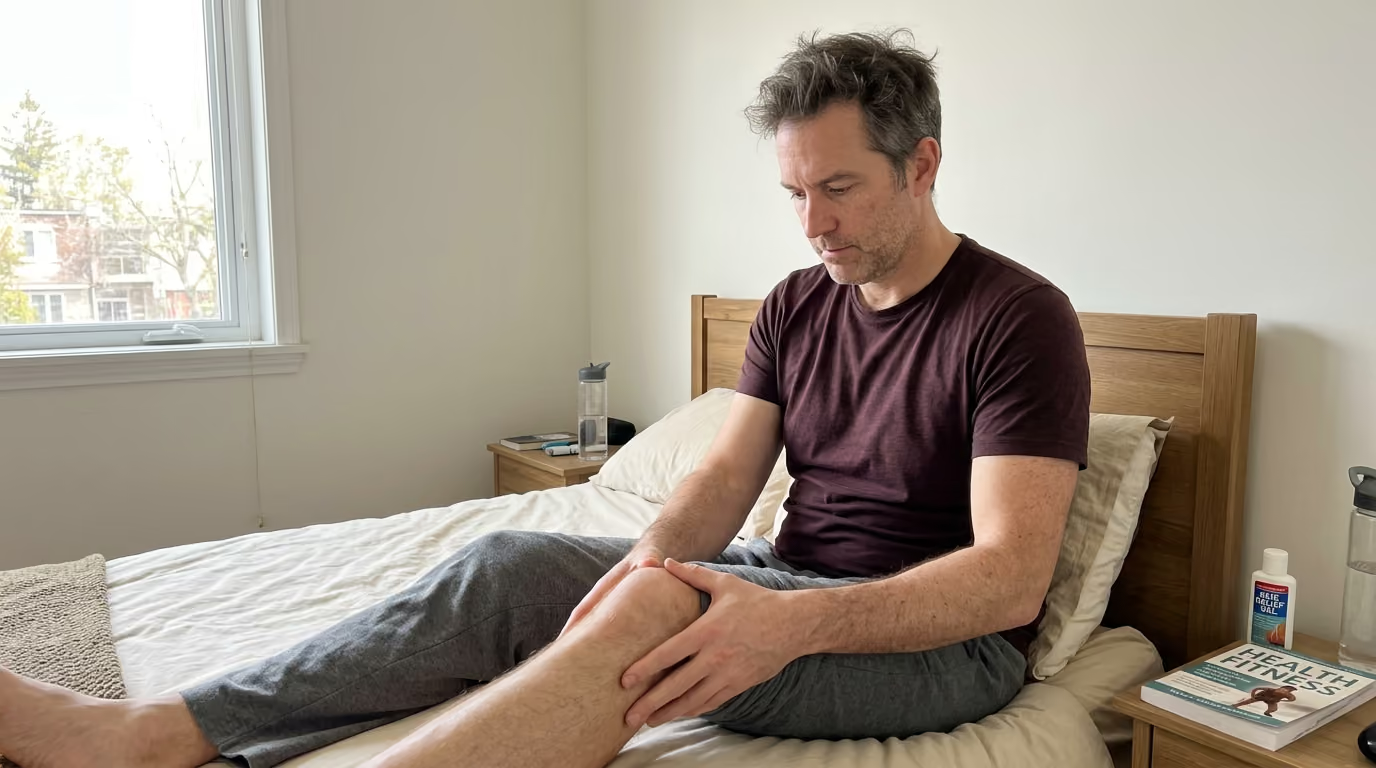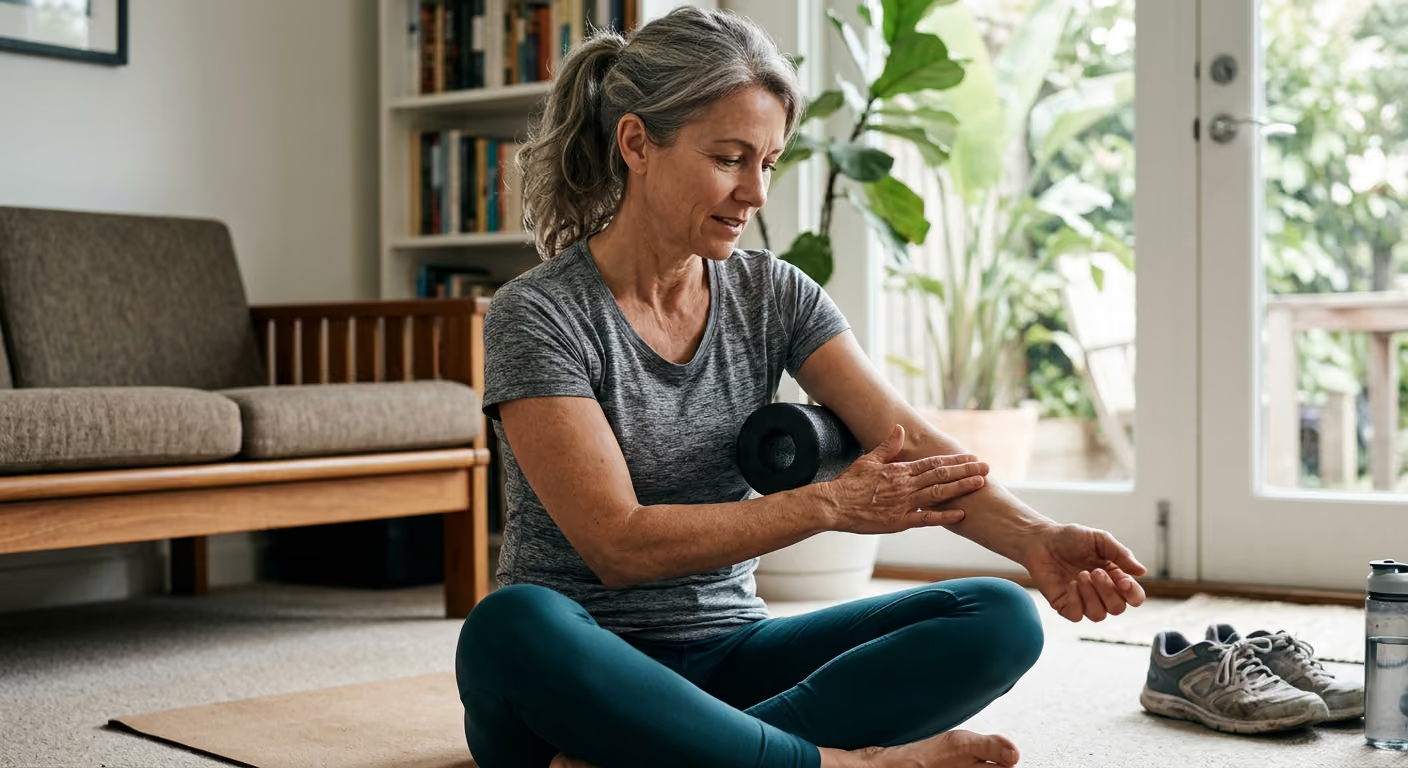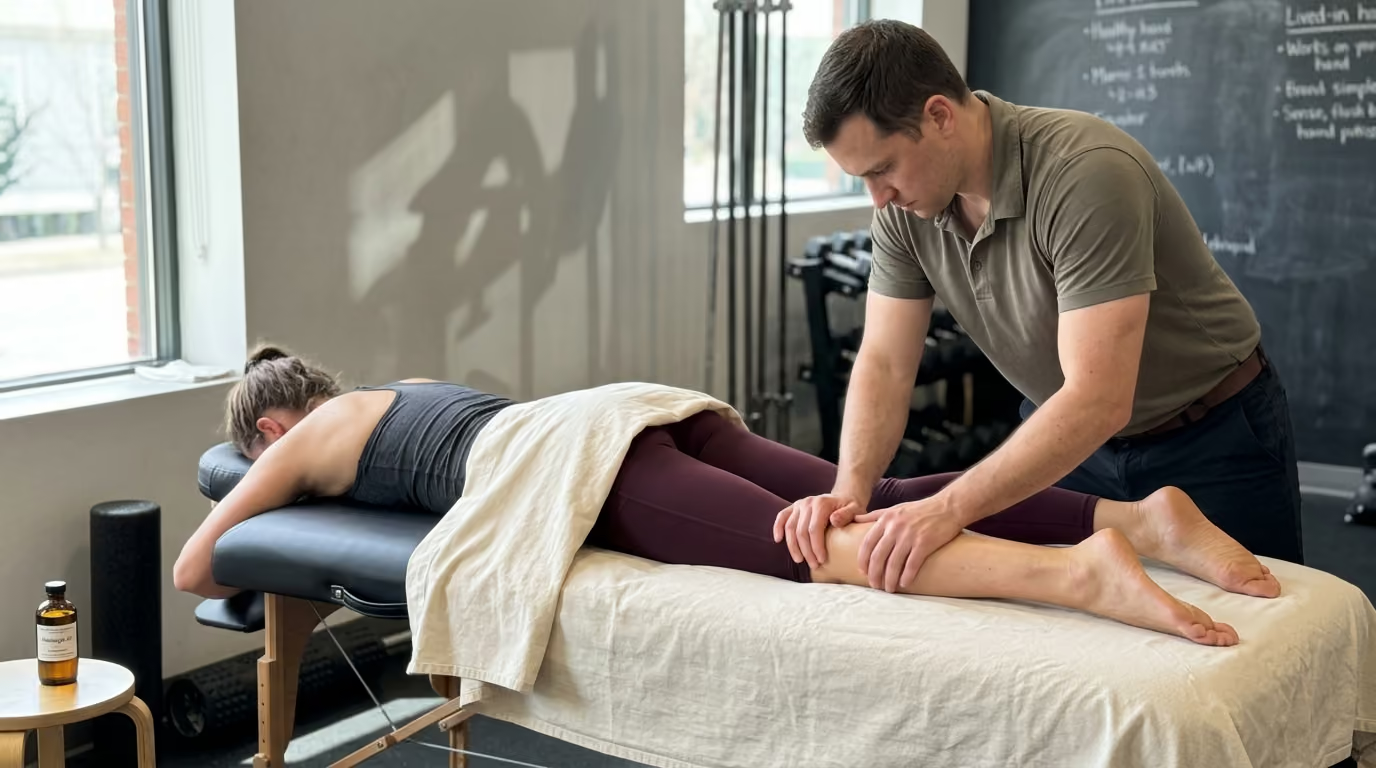

Five distinct recovery dimensions explain how sports massage effectively modulates pain, regulates the nervous system, and improves mobility.





Many athletes schedule deep-tissue massage under the assumption that aggressive pressure speeds up muscle repair and flushes metabolic waste. Research in sports medicine reveals a very different reality. Massage does not accelerate structural muscle healing, nor does it reliably improve muscular power, endurance, or sprint performance.
Instead, its true value lies in modulating pain perception, downregulating central nervous system arousal, and improving short-term movement comfort. For active adults over 40 who demand high physical capability, understanding this distinction is essential. It transforms massage from a passive, misunderstood treatment into a precise recovery tool.
Athletic recovery is not a single biological state. It is a multidimensional process that spans distinct psychological, neurological, and physiological systems. When evaluating how bodywork influences your body, you must separate how you feel from what your tissues can mechanically produce.
A systematic review published in BMJ Open Sport & Exercise Medicine analyzed 29 randomized trials covering 1,012 participants. The researchers found no evidence that sports massage improved maximal strength, jump height, sprint speed, endurance, or fatigue resistance. However, the analysis identified statistically significant improvements in flexibility and delayed-onset muscle soreness.
To use massage effectively, divide recovery into five distinct categories:
Perceived recovery reflects your subjective sense of readiness, energy, and physical ease. Massage consistently scores high in this domain by reducing feelings of full-body fatigue.
This category represents the reduction of muscle soreness, joint stiffness, and localized tenderness. Targeted soft tissue work alters pain signaling, providing meaningful relief 24 to 72 hours after hard training.
Functional recovery measures the objective return of physical capacity, including peak force, rate of force development, balance, and cardiovascular output. The scientific literature demonstrates that massage does not accelerate the return of maximal power output.
This represents the biological resolution of microtrauma, muscle fiber micro-tears, local edema, and exercise-induced inflammation. Massage does not mechanically stitch muscle fibers together or accelerate cellular protein synthesis.
Psychological recovery involves the reduction of systemic stress, anxiety, and mental fatigue. Manual therapy excels here by shifting the autonomic nervous system toward a parasympathetic, restorative state.
Understanding these distinctions prevents a common training mistake. Feeling completely pain-free after a post-workout massage does not mean your musculoskeletal system is ready for heavy eccentric loading. Integrating smart recovery and regeneration strategies requires respecting the gap between subjective comfort and structural tissue capacity.
To evaluate massage objectively, you must look past commercial marketing and examine the underlying physiology. For decades, athletes were told that massage works by mechanically forcing fresh, oxygenated blood into compressed muscle tissue. Modern exercise physiology paints a far more nuanced picture focused on neurosensory signaling and autonomic regulation.
The primary mechanism behind post-massage relief is neurological rather than purely mechanical. When a therapist applies pressure, friction, or kneading to your skin and muscles, they stimulate low-threshold mechanoreceptors. These include Merkel discs, Meissner corpuscles, and Ruffini endings.
These sensory receptors send high-speed signals along large-diameter nerve fibers into the dorsal horn of the spinal cord. These signals effectively close the neural gate against slower pain signals carried by small-diameter nociceptive fibers.
This sensory competition temporarily dampens the pain messages reaching your brain. You experience an immediate reduction in muscle tightness and soreness. This relief occurs without altering the structural architecture of the muscle fibers.
Intense physical exertion drives the sympathetic nervous system, raising heart rate, elevating cortisol, and keeping muscle tone elevated. Restoring physical capacity requires shifting into a parasympathetic state. This state lowers systemic vascular resistance, slows the heart rate, and supports digestion and tissue repair.
Research examining manual therapy and thermal applications demonstrates that gentle to moderate soft tissue manipulation increases vagal nerve activity. This shift lowers psychological stress and reduces perceived fatigue. For the master athlete balancing demanding professional schedules with intense training, this neurological reset may be the most valuable biological effect of regular bodywork.
A persistent claim in athletic culture is that manual massage dramatically increases intramuscular blood flow. Comprehensive physiological reviews indicate that manual massage does not elevate deep arterial muscle blood flow in any meaningful way.
Light, active movement such as easy cycling or brisk walking produces a far greater increase in local muscular hyperemia than passive massage. Soft tissue manipulation does increase superficial skin blood flow and local cutaneous temperature. However, it should not be relied upon as a primary tool for driving deep vascular circulation.
Intense physical training causes transient increases in intramuscular proteins leaking into the bloodstream, most notably creatine kinase. It also triggers inflammatory cytokines such as interleukin-6 and systemic markers like C-reactive protein.
Meta-analyses evaluating recovery interventions show that massage can produce modest reductions in circulating creatine kinase and inflammatory markers compared to passive rest. A lower concentration of circulating creatine kinase indicates reduced cell membrane permeability or altered lymphatic clearance. It does not prove that muscle fibers have regained their full mechanical contractile strength.
Biomarker reductions explain why muscles feel less irritated and swollen after treatment. They do not indicate that you can bypass normal training progression.
The term massage encompasses vastly different techniques, pressure levels, and physiological goals. Applying the wrong modality at the wrong time can impair your performance or aggravate an acute issue. Selecting the right modality requires understanding the mechanical and neurological profile of each technique.
Sports massage blends broad gliding strokes, rhythmic kneading, localized friction, and assisted joint movement. Its design focuses on athletes preparing for or recovering from specific sporting events.
Therapists adjust the pace, depth, and rhythm based on your immediate training schedule. Fast, superficial strokes stimulate the nervous system prior to exertion. Slower, broader strokes encourage relaxation and ease muscle tension after a demanding event. Sports massage remains an effective way to improve movement tolerance and reduce post-exercise stiffness.
Therapeutic massage targets specific movement restrictions, persistent myofascial trigger points, or chronic musculoskeletal complaints. Rather than offering a full-body routine, the therapist isolates particular kinetic chains, such as the hip flexors, rotator cuff, or plantar fascia.
Clinical massage is valuable when integrated into a structured plan for strength and physical performance. It helps restore joint range of motion and desensitizes painful movement patterns.
However, therapeutic massage does not replace an orthopedic diagnosis. Persistent, focal joint pain or progressive weakness requires clinical imaging and assessment rather than endless soft tissue work.
Deep-tissue massage uses slow, high-pressure strokes across or along the grain of muscle tissue, often incorporating elbows and forearms. Proponents claim it breaks up adhesions and realigns deep fascial layers.
The mechanical force required to permanently deform human fascia exceeds what human hands can safely deliver without damaging adjacent tissue. The intense discomfort of aggressive deep-tissue work can trigger a protective muscular contraction and spike sympathetic nervous system activity.
Targeted pressure is useful for modulating pain, but excessive, bruising pressure is counterproductive. Painful treatments should never be viewed as a prerequisite for athletic recovery.
Manual Lymphatic Drainage, or MLD, is a gentle, rhythmic technique designed to stimulate the flow of lymphatic fluid. It uses light skin-stretching strokes that follow the anatomical pathways of the lymphatic system.
Systematic reviews in sports medicine show that MLD has measurable clinical value for reducing swelling after acute injuries, such as ankle sprains or wrist fractures. It helps clear local fluid accumulation and reduce secondary inflammatory pressure.
However, an uninjured athlete with normal circulation does not need routine lymphatic drainage after ordinary workouts. The body clears ordinary metabolic byproducts efficiently through natural cardiovascular circulation and basic hydration.
Handheld percussion devices deliver rapid, repetitive mechanical strikes into soft tissue. These tools have gained widespread popularity because they allow self-administered recovery at home or during travel.
A randomized clinical trial comparing percussion therapy to static stretching found that percussion devices reduced delayed-onset muscle soreness and improved short-term range of motion. In that study, longer application protocols produced superior comfort compared to brief exposures.
Percussion guns function through the same neurosensory gate mechanism as manual massage. They provide a quick, accessible way to reduce stiffness, but they lack the sensory feedback and precise tissue palpation of an experienced human therapist.
Timing determines how your body responds to soft tissue work. A technique that restores comfort during a rest day can undermine your power output if used right before competition. Structuring your bodywork around your training cycle maximizes benefits while eliminating performance risks.
Applying light to moderate massage immediately after strenuous training serves one primary purpose: nervous system down-regulation.
Following a grueling track session, heavy lifting, or an endurance event, your body remains in an elevated sympathetic state. Gentle, broad gliding strokes soothe the nervous system, lower resting muscle tension, and kickstart psychological relaxation.
Aggressive, painful deep-tissue work should be avoided during this window. Your muscle fibers already contain microtrauma and structural strain. Adding mechanical shearing forces to vulnerable tissue can increase localized inflammation and delay actual tissue repair.
Delayed-onset muscle soreness typically peaks between 48 and 72 hours after unfamiliar, intense, or highly eccentric exercise. This is the optimal window for targeted symptom relief.
Meta-analyses evaluating post-exercise massage show the largest reductions in soreness ratings during this 48 to 72 hour period. A standardized mean difference of minus 1.51 at 48 hours demonstrates a clear, clinically meaningful reduction in perceived pain compared to passive rest.
During this window, focus on moderate kneading, broad compressions, and light active range-of-motion work. The goal is restoring normal movement mechanics so you can walk, stretch, and perform low-intensity recovery workouts without pain-altered gait mechanics.
Rest days present an ideal opportunity for full-body therapeutic work. With no training scheduled for the following 24 hours, you can tolerate slightly deeper localized pressure and passive stretching.
Use rest-day bodywork to address non-acute movement restrictions, reduce systemic stress, and support deep sleep. Combining a 60-minute massage with healthy sleep and recovery habits creates an optimal physiological environment for systemic regeneration.
Using deep or lengthy massage immediately before an athletic event is a mistake. Prolonged, deep soft tissue work reduces resting muscle tone, alters tendon stiffness, and temporarily dulls neural drive.
Research examining pre-performance massage indicates that lengthy applications do not improve sprinting, jumping, or maximal strength. In some cases, extensive manual therapy temporarily decreases explosive force production by dampening the stretch-reflex response.
If you enjoy bodywork before competing, keep the session short, light, and stimulating. Limit it to five to ten minutes of brisk friction, light shaking, and dynamic movement. Never schedule a long, deep-tissue massage within 48 hours of an important athletic event.
Soft tissue therapy has accumulated many persistent fitness myths. Believing these misconceptions leads athletes to make poor training choices, ignore real injuries, and waste time on ineffective treatments. Clearing away these myths allows you to focus on what massage actually delivers.
This is the most common myth in athletic bodywork, yet it has been disproven by modern exercise physiology. Lactate is not a toxic waste product that sits trapped in your muscle fibers like sludge. It is a valuable fuel source that your heart, liver, and resting muscle fibers clear rapidly after exercise.
Natural blood circulation clears blood lactate back to baseline levels within 30 to 60 minutes after exercise, even with complete rest. Light active cool-downs, such as easy spinning on a stationary bike, clear lactate significantly faster than passive massage. Massage has no meaningful impact on the clearance rate of metabolic lactate.
Many active adults believe that if a massage does not hurt, it was not effective. Some therapists reinforce this belief by digging aggressively into sensitive tissue with knuckles and elbows, leaving clients bruised and sore for days.
Post-treatment bruising is not a sign of healing. It indicates mechanical trauma to delicate capillary beds and localized soft tissue. Experiencing severe pain on the massage table causes your body to brace, triggering a stress response that spikes sympathetic tone. Effective therapeutic work stays within a tolerable comfort range that allows your muscles to relax.
Receiving regular massage is often marketed as an insurance policy against sports injuries. The scientific literature does not support this claim. A comprehensive meta-analysis found no direct evidence that sports massage reduces the incidence of athletic injuries.
Injury risk is determined by training load management, movement mechanics, tissue capacity, previous injury history, nutrition, and sleep. Massage improves short-term joint range of motion and relieves soreness, which may make movement feel smoother. However, it cannot compensate for excessive training volume, poor lifting technique, or inadequate sleep.
When a massage therapist works on a stiff hamstring or tight hip flexor, the muscle often moves through a greater range of motion immediately afterward. This improvement leads people to believe that the muscle was physically lengthened or that scar tissue was broken down.
The true mechanism is an increase in stretch tolerance driven by the central nervous system. The manual pressure desensitizes local muscle spindles and alters sensory feedback, allowing your brain to permit greater joint excursion. The muscle did not permanently grow longer. It simply gained temporary neural permission to access a wider range of movement.
Active adults over 40 frequently combine athletic performance with international travel and rugged adventure. Demanding pursuits, such as backcountry skiing, multi-day alpine trekking, or cycling tours, place severe eccentric stress on your musculoskeletal system. Combining these physical demands with long-haul flights creates a unique recovery challenge.
Downhill movement in the mountains places extreme eccentric demands on the quadriceps, patellar tendons, and calves. As you descend steep terrain, your muscles act as brakes, absorbing several times your body weight with every step. This loading causes substantial microtrauma, resulting in severe delayed-onset soreness 48 hours later.
When undertaking multi-day mountain adventures, avoid deep, aggressive bodywork at the end of the first day. Your tissues are inflamed and mechanically vulnerable. Deep friction can aggravate localized irritation and increase quadriceps weakness for the next morning's trek.
Instead, use a conservative recovery routine each evening:
Applying these principles supports your physical capacity during demanding travel and human performance adventures.
Long-haul flights present distinct physical stressors that impair athletic readiness. Extended sitting in dry, pressurized cabins leads to sluggish venous blood flow, fluid pooling in the lower extremities, and spinal stiffness.
Upon landing at your destination, use soft tissue strategies to reset your physical baseline:
Strategic bodywork turns stressful travel days into a productive transition toward your next adventure travel pursuit.
You do not need daily professional therapy to maintain excellent mobility and stay pain-free. A focused, minimal-dose routine delivers the primary neurological benefits of soft tissue work while saving time and resources. Consistency and sensible application always outperform sporadic, aggressive interventions.
For daily recovery, a simple targeted routine using a foam roller, a firm massage ball, or a percussion device is sufficient. Perform this protocol three to four evenings per week, ideally before your evening wind-down.
Spend two minutes on each of the following areas:
Keep the pressure moderate, rating the intensity at roughly a 5 or 6 out of 10. You should be able to breathe slowly and maintain complete facial relaxation throughout the session.
For active adults maintaining a consistent training volume of four to six sessions per week, a professional 60-minute massage every two to four weeks represents an ideal cadence.
Use this professional session to target areas you cannot effectively reach on your own, such as the upper back, posterior shoulders, and deep hip rotators. Treat the session as a tool for systemic downregulation and movement assessment rather than an aggressive physical correction.
To determine whether your soft tissue routine is actually working, evaluate these three simple metrics before and after each intervention:
While soft tissue manipulation is broadly safe when applied correctly, it is not appropriate for every situation. Clinical organizations, including the New York State Office of the Professions, provide clear guidelines on safety precautions and absolute contraindications. Understanding when to avoid massage protects you from compounding serious medical or orthopedic issues.
Massage therapy must be completely avoided or cleared by a physician in the presence of specific clinical red flags:
Active adults over 40 must account for specific personal health factors when receiving manual therapy:
Many athletes turn to massage when they should be consulting a sports medicine physician or physical therapist. Schedule a clinical medical evaluation if you experience:
Massage is a valuable supportive practice, but it cannot replace proper orthopedic diagnostics, progressive rehabilitation, or sound training design.
Use massage intentionally as a reliable method for managing soreness and regulating stress, and you will maintain the physical freedom, mobility, and confidence required for a lifetime of athletic adventure.
Stay connected for research and practical guidance on longevity, strength, recovery, energy and active living. New ideas to help you stay capable, curious and ready for more.


Explore practical guidance on strength, recovery, energy, travel and longevity for a life that stays active.
explore the Blog