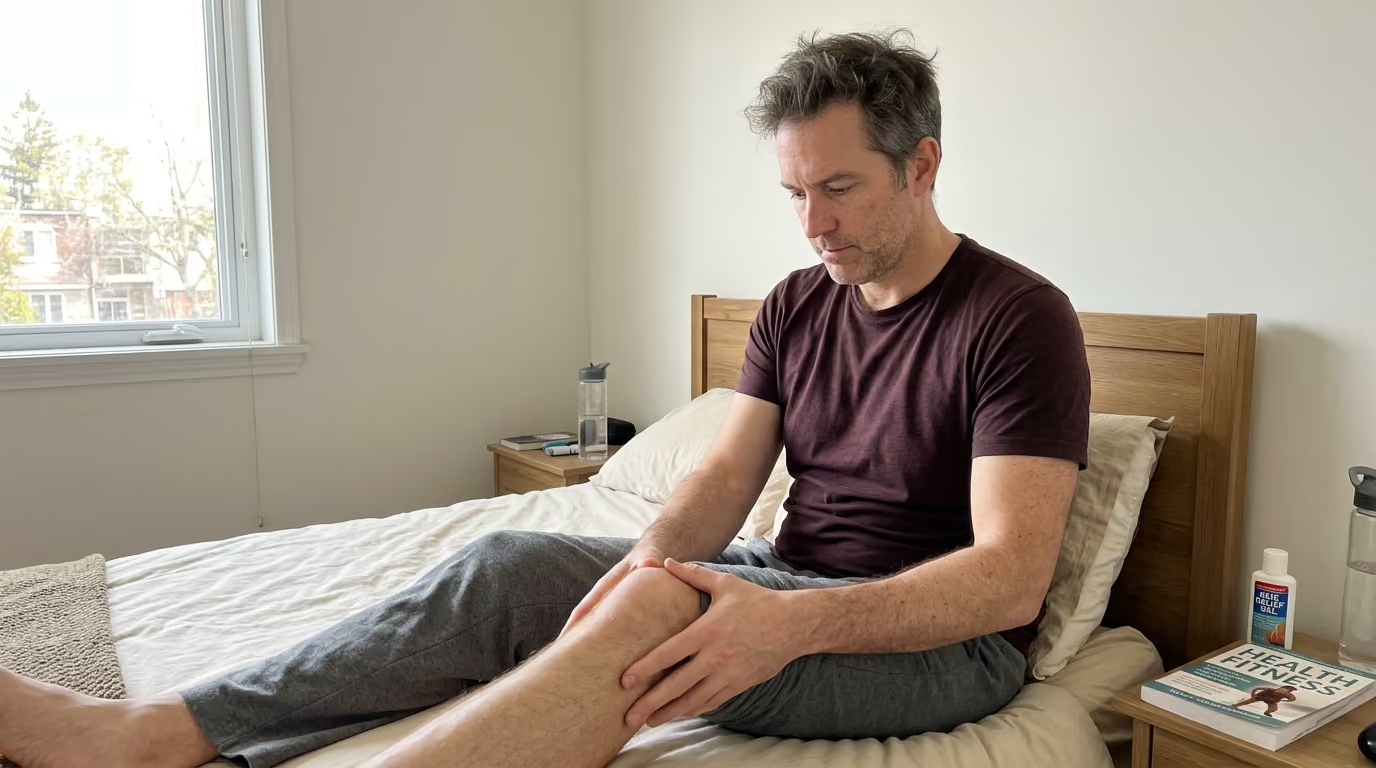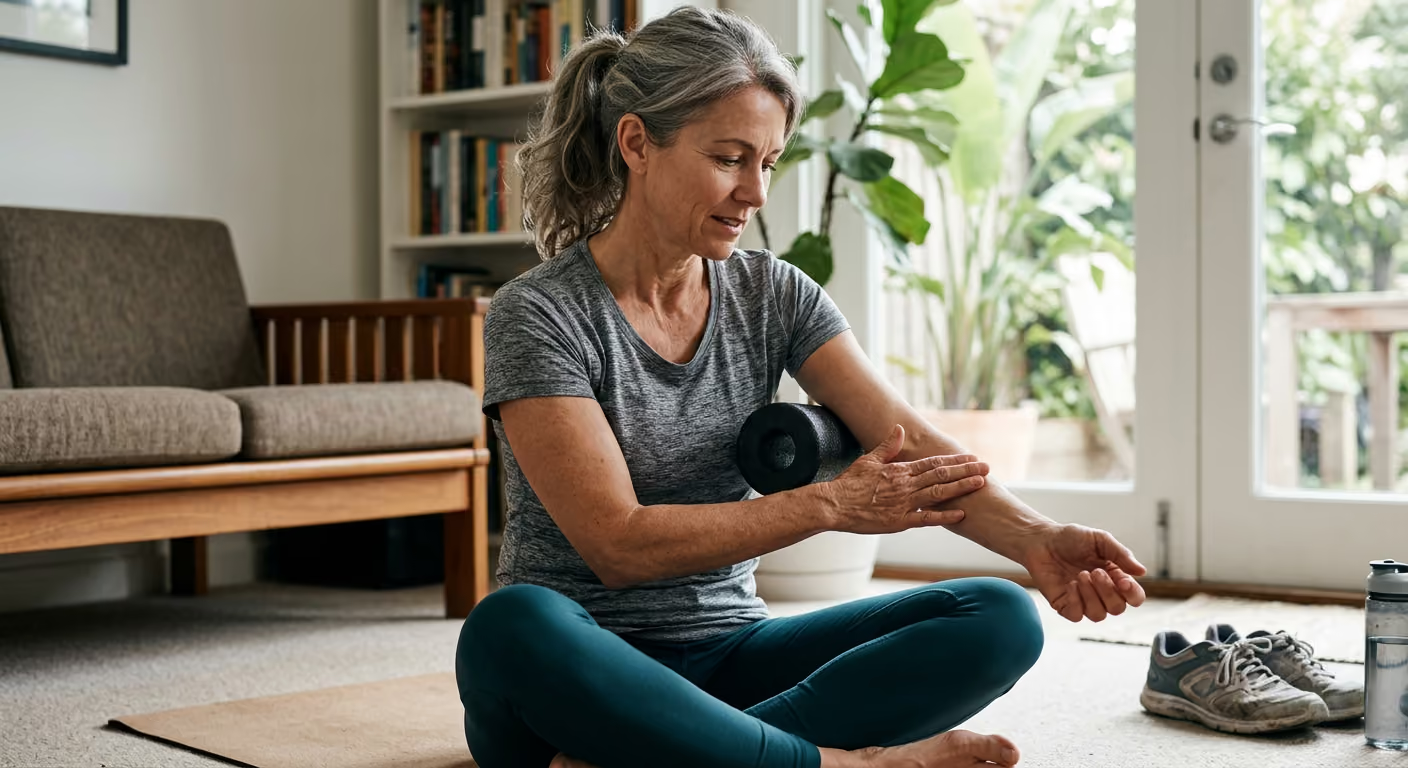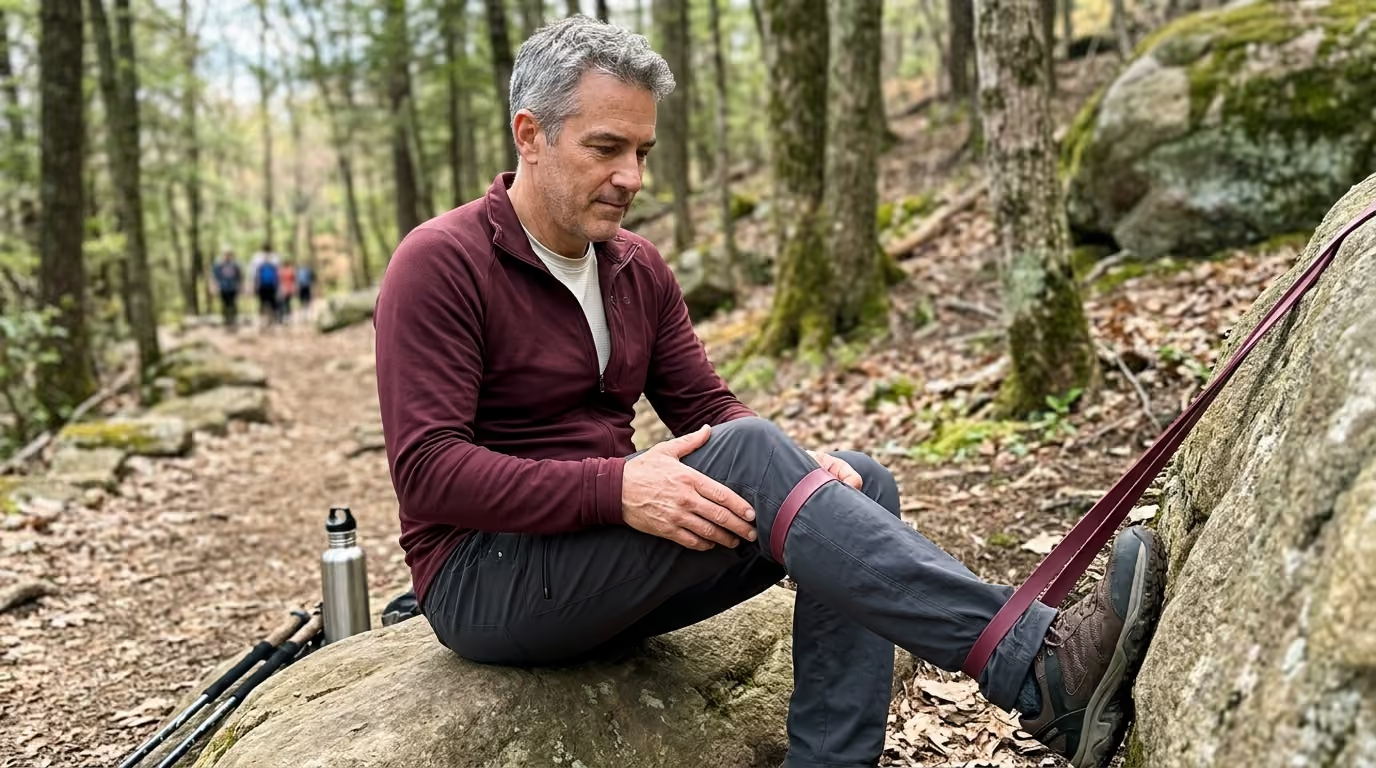

Joint recovery relies on progressive movement rather than complete rest to rebuild strength and maintain cartilage health in active adults.





You are three miles into a steep descent through the Dolomites, or perhaps walking down the stairs after a demanding morning run, when an unmistakable ache catches in your knee. For many active adults over forty, this moment brings a familiar sense of frustration and unease. The immediate impulse is often to choose between two bad options: push through the discomfort aggressively, or stop moving entirely until the joint feels quiet.
Neither approach serves your long-term independence or athletic goals. Real joint recovery is an active process of rebuilding tolerance, restoring strength, and expanding your movement capacity.
Understanding how to manage joint discomfort allows you to stay capable in the mountains, on the tennis court, and in daily life. With the right framework, joint sensitivity becomes a problem you can systematically solve rather than an inevitable barrier to an adventurous life.
Joint recovery is not the same as passive rest. While resting an irritated joint can lower acute pain, prolonged inactivity degrades muscle strength, reduces cartilage nutrition, and lowers your physical tolerance. The primary objective is to find a manageable entry point for movement, then progressively increase the joint's capacity to absorb force.
According to data from the Centers for Disease Control and Prevention (CDC), approximately 21.3 percent of United States adults live with diagnosed arthritis. Osteoarthritis accounts for the vast majority of these cases, affecting roughly 12 percent of adults, while rheumatoid arthritis affects about 4.1 percent. These conditions do not mean an active lifestyle is over.
Clinical guidelines from the American College of Rheumatology, the Arthritis Foundation, and the National Institute for Health and Care Excellence (NICE) consistently identify exercise as a core intervention. Movement supports cartilage health, maintains range of motion, and strengthens the muscular shock absorbers that protect your skeleton.
A sustainable recovery strategy follows a clear sequence:
By shifting your mindset from total rest to intelligent load management, you can protect your joint health while continuing to pursue demanding outdoor pursuits. Exploring dedicated recovery and regeneration strategies provides a solid foundation for sustaining this active rhythm across decades.
To resolve joint irritation, you must understand the relationship between tissue capacity and mechanical demand. Symptoms rarely appear without a reason. They almost always emerge when the physical demand placed on a joint exceeds its current capacity to tolerate that load.
Joint cartilage does not contain its own direct blood supply. Instead, it relies on movement to stay nourished. When you compress and release a joint during walking, cycling, or lifting, synovial fluid flows through the joint capsule.
This fluid delivers essential nutrients to the cartilage and removes metabolic waste products. When you stop moving because of minor aches, you deprive the cartilage of this vital mechanical pumping action. This can leave the joint stiffer and more sensitive over time.
Osteoarthritis is frequently described as simple wear and tear, but this description is outdated and misleading. Modern joint research views osteoarthritis as an active biological process involving structural changes, low-grade inflammation, and tissue remodeling.
Importantly, structural changes on an X-ray or MRI do not reliably predict how much pain you will feel. Many adults with significant joint wear on imaging experience no pain at all, while others with minimal structural changes experience noticeable discomfort. Rehabilitation must focus on real-world function, strength, and movement tolerance rather than an image on a screen.
Joint load refers to the cumulative mechanical forces transmitted through your bones and connective tissues. Every physical activity introduces specific loads influenced by several key factors:
Capacity represents the maximum load your musculoskeletal system can handle without breaking down or flaring up. It is built from muscular force, tendon stiffness, aerobic endurance, balance, movement confidence, and recovery quality.
When you suddenly increase your running mileage, hike down a steep peak with a heavy pack, or return to tennis after months away, demand spikes rapidly. If your capacity has not been prepared for that specific stress, the joint tissues become irritated. The solution is not to permanently avoid the activity, but to temporarily reduce the demand and systematically build your capacity back up.
Complete rest reduces pain in the short term because it removes mechanical stress. However, prolonged rest actively lowers your baseline capacity. Muscles atrophy quickly, tendons lose their elastic stiffness, and neuromuscular coordination declines.
When you finally attempt to resume your favorite sport, your physical capacity is lower than when you stopped. This creates a frustrating cycle where even minor activity triggers a new flare-up. Active recovery breaks this cycle by maintaining physical conditioning while calming tissue sensitivity.
While most joint aches can be managed through smart training adjustments, certain symptoms require immediate medical evaluation. You should never attempt to train through acute joint trauma, unexplained systemic signs, or severe structural instability.
Seek urgent medical care if you experience any of the following warning signs:
Septic arthritis is an infection within the joint space that requires emergency treatment to prevent rapid cartilage destruction and systemic complications. Gout and other acute inflammatory conditions can also cause sudden, severe pain and redness that must be differentiated from mechanical joint strain.
If your symptoms are not an emergency but remain persistent, a consultation with a physical therapist, sports medicine physician, or rheumatologist is highly valuable. Professional guidance is recommended when you notice:
Working with a skilled clinician helps you rule out underlying pathology, optimize medical management, and build a targeted rehabilitation program tailored to your physical goals.
Building resilient joints requires a structured, progressive progression. Rather than guessing what to do each day, you can apply a five-step framework designed to calm irritation, rebuild physical capacity, and return you to high-demand activities.
The first priority during any joint flare is to stabilize the tissue without immobilizing the entire body. Identify the specific movement variables that provoke sharp pain and temporarily scale them back.
If running downhill causes sharp knee pain, switch to flat ground walking, stationary cycling, or pool exercise. If heavy overhead pressing irritates your shoulder, modify the movement to an incline press or neutral-grip floor press.
The goal is to keep moving within a tolerable comfort range while avoiding movements that leave you limping or swollen the following morning. Maintaining your aerobic fitness through non-aggravating exercises keeps blood flowing and preserves systemic conditioning.
Before you can progress your loading, you need an accurate measure of your current daily capacity. Track your movement responses using simple, objective metrics:
A reliable baseline provides clarity. If a specific workout creates noticeable swelling or pain that lasts into the next afternoon, that session exceeded your current capacity. Use this information to calibrate your next training session without panic.
Restoring range of motion creates the mechanical space needed for smooth joint movement. When a joint is stiff, surrounding tissues absorb force unevenly, increasing localized stress.
Begin with controlled, non-loaded joint rotations and gentle active mobility exercises:
Perform mobility work smoothly and without bouncing. Never force a joint into sharp pain. Pair mobility exercises with gentle muscular contractions to teach your nervous system to control the newly available range.
Muscles act as your primary shock absorbers. When your quadriceps, glutes, hamstrings, and calves are strong, they decelerate your body and disperse impact forces before those forces reach your cartilage and ligaments. Pursuing progressive strength and physical performance is the single most effective long-term strategy for preserving joint durability.
Structure your strengthening progression across three distinct phases:
Train your major muscle groups two to three times per week. Select resistances that challenge the muscles while keeping joint discomfort at a mild, stable level that resolves quickly.
Once you can perform basic strength and mobility exercises without next-day symptoms, begin reintroducing higher-velocity movements and impact forces. Joint tissues adapt to dynamic loads when exposure is increased gradually.
Use a structured impact progression:
Change only one variable at a time. If you increase your running duration, do not add hills or speed intervals during the same week. Give your joints forty-eight hours to demonstrate how they adapt to each new physical challenge.
Translating joint capacity into real-world performance requires thoughtful execution in the field. Outdoor environments introduce variable terrain, steep elevation changes, and fatigue that test your joint mechanics.
Downhill hiking imposes massive eccentric braking forces on the knees and hips. Each step down can transmit forces equal to three to four times your body weight through the front of the knee.
To protect your joints on steep descents:
Practicing step-downs in the gym on a six-inch box builds the specific eccentric quadriceps strength needed for long mountain descents.
Sports like tennis, pickleball, and squash demand sudden accelerations, hard braking, and rapid changes of direction. These movements place rotational and shearing demands on the ankles, knees, and hips.
Prepare your joints for court demands by integrating lateral strength and deceleration training into your weekly routine:
Ensure your footwear provides adequate lateral support and traction suited specifically to the court surface you play on.
Upper-body joint health is equally vital for active adults who enjoy kayaking, open-water swimming, or rowing. Overhead and repetitive pulling motions require optimal scapular control and rotator cuff endurance.
To maintain shoulder resilience:
Building balanced upper-body strength keeps the humerus centered in the glenoid socket, preventing impingement and tendon irritation during long paddling sessions.
Equipment choices should support your biomechanics and provide comfort without becoming permanent crutches. The right footwear and support gear can make physical activity far more accessible while you rebuild internal joint capacity.
Your shoes serve as the mechanical interface between your body and the terrain. A well-fitted shoe attenuates shock and provides a stable platform for movement.
When selecting footwear:
Do not expect a pair of shoes to solve fundamental strength deficits. Shoes are a supportive tool that works alongside your physical training.
Knee sleeves, unloader braces, and ankle supports can be valuable tools for managing symptoms and enhancing stability during demanding tasks.
Compressive sleeves provide mild warmth and enhanced proprioceptive feedback, helping your nervous system track joint position more accurately. For individuals with moderate to severe unicompartmental knee osteoarthritis, specialized unloader braces can physically shift mechanical stress away from the affected side of the joint, making walking and hiking significantly more comfortable.
Use braces purposefully:
If you are unsure which brace fits your specific joint mechanics, consult a physical therapist or orthotist for an individualized fitting.
The relationship between body weight and joint health is often oversimplified. Managing body mass can significantly reduce joint stress and systemic inflammation, but it must be approached constructively and without extreme restrictions that compromise muscle mass.
Every extra pound of body weight multiplies the mechanical force experienced by your lower-limb joints during movement. When walking on flat ground, each pound of body weight translates to approximately three to four pounds of compressive force across the knee joint. During stair climbing or running, that force multiplier increases significantly.
The landmark Intensive Diet and Exercise for Arthritis (IDEA) randomized clinical trial studied overweight and obese adults with knee osteoarthritis over eighteen months. The researchers found that participants who achieved intentional weight loss combined with exercise experienced dramatic reductions in knee compressive forces alongside substantial improvements in pain and mobility.
According to clinical practice guidelines from the American College of Rheumatology and the Arthritis Foundation, losing just five percent of body weight can produce measurable improvements in clinical symptoms and joint function. Greater benefits are observed at weight reductions of ten percent or more.
Excess body fat is not merely inert mechanical weight. Adipose tissue functions as an active endocrine organ that releases pro-inflammatory cytokines, including interleukin-6 (IL-6) and tumor necrosis factor-alpha.
These systemic inflammatory molecules circulate through the bloodstream and can accelerate cartilage degradation and heighten pain sensitivity in joints throughout the body, including non-weight-bearing joints like the hands.
The IDEA trial demonstrated that participants in the diet and exercise groups experienced significant reductions in circulating IL-6 levels. Lowering systemic inflammation helps calm joint tissues from the inside out, making movement feel smoother and less provocative.
If weight reduction is an appropriate goal for you, it must be executed without sacrificing skeletal muscle. Extreme, low-protein crash diets cause substantial muscle loss, which weakens the very muscular shock absorbers your joints rely on for protection.
A balanced approach to body composition includes:
Maintaining muscle while managing body fat creates a light, powerful, and durable physical structure that protects your joints for life. For more insights on sustaining physical vitality, explore these comprehensive guides on long-term health and living well.
Active travel and adventure place unique stresses on your joints. Long-haul flights, prolonged sitting, carrying heavy luggage, and walking miles over historic cobblestones can provoke joint stiffness and flare-ups if not managed proactively. Integrating principles from active travel and adventure ensures your body remains ready for every itinerary.
Prolonged immobilization in cramped airplane seats or vehicles restricts circulation and allows joint capsule tissues to tighten up.
To keep your joints comfortable during long transit days:
When handling luggage, use rolling bags with four multi-directional spinner wheels. When lifting heavy bags into overhead bins, keep the load close to your chest and use your legs and hips to power the lift rather than bending and twisting through your spine and shoulders.
Walking ten to fifteen miles a day across uneven stone streets places high demands on the small stabilizing muscles of your feet, ankles, and knees.
Prepare for urban exploration with these practical habits:
Proactive travel management allows you to arrive at your destination refreshed, capable, and ready for adventure.
Navigating joint discomfort can be confusing when surrounded by conflicting fitness advice and outdated medical myths. Avoiding these common pitfalls will save you time and prevent unnecessary setbacks.
Pain is a complex protective signal generated by the nervous system, not a direct measurement of structural tissue damage. Poor sleep, high emotional stress, systemic fatigue, and fear of movement can amplify pain signals even when joint tissues are entirely safe.
While you should respect sharp, escalating pain, experiencing mild discomfort during rehabilitation is normal and safe. Learning to differentiate between productive training discomfort and harmful irritation gives you the confidence to keep moving forward.
Massage, ice packs, heating pads, and acupuncture can provide temporary symptom relief during an acute flare. However, passive therapies do not build muscular strength, enhance tendon stiffness, or improve aerobic capacity.
Treat passive modalities as short-term comfort measures that create a window of opportunity for active exercise. Long-term joint resilience is built through movement, progressive resistance, and physical adaptation.
Many active adults fall into the trap of doing nothing all week, then attempting an aggressive ten-mile hike or three hours of intense tennis on the weekend. This boom-and-bust pattern repeatedly overloads unprepared tissues, leading to chronic flare-ups and frustration.
Consistency is far more effective than sporadic heroics. Distribute your physical activity evenly across the week, maintaining a steady baseline of strength, mobility, and cardiovascular work that prepares your body for weekend adventures.
Receiving an X-ray or MRI report detailing degenerative changes, bone spurs, or cartilage thinning can be psychologically discouraging. Many people immediately stop doing the activities they love out of fear of making things worse.
Remember that structural joint changes are a natural part of aging, much like developing gray hair or skin wrinkles. Focus on your real-world functional capacity, strength gains, and symptom trends rather than fixating on radiographic findings.
You do not need a complicated, multi-hour daily routine to maintain durable, pain-free joints. A minimalist, highly efficient weekly template provides maximum physical return while fitting smoothly into a busy, adventurous life.
Aim to incorporate these foundational elements across each seven-day training cycle:
This balanced routine covers every physical requirement for joint durability without overwhelming your schedule. For additional structured movement guidance, explore our library of practical health resources.
When evaluating joint health and rehabilitation literature, major global medical organizations and research trials share a clear, evidence-based consensus:
By aligning your daily habits with this scientific consensus, you can protect your joint health and maintain your physical freedom for decades of adventure ahead.
Revisit this practical guide whenever you experience a sudden shift in your training routine, prepare for a demanding multi-day trekking holiday, or notice a recurring joint ache beginning to limit your daily activities. Use the screening framework to check for red flags, reset your baseline movement capacity, and adjust your weekly loading variables systematically.
With consistent strength training, smart pacing, and an active approach to recovery, your joints can remain strong, adaptable, and fully capable of supporting the active life you love.
Stay connected for research and practical guidance on longevity, strength, recovery, energy and active living. New ideas to help you stay capable, curious and ready for more.


Explore practical guidance on strength, recovery, energy, travel and longevity for a life that stays active.
explore the Blog