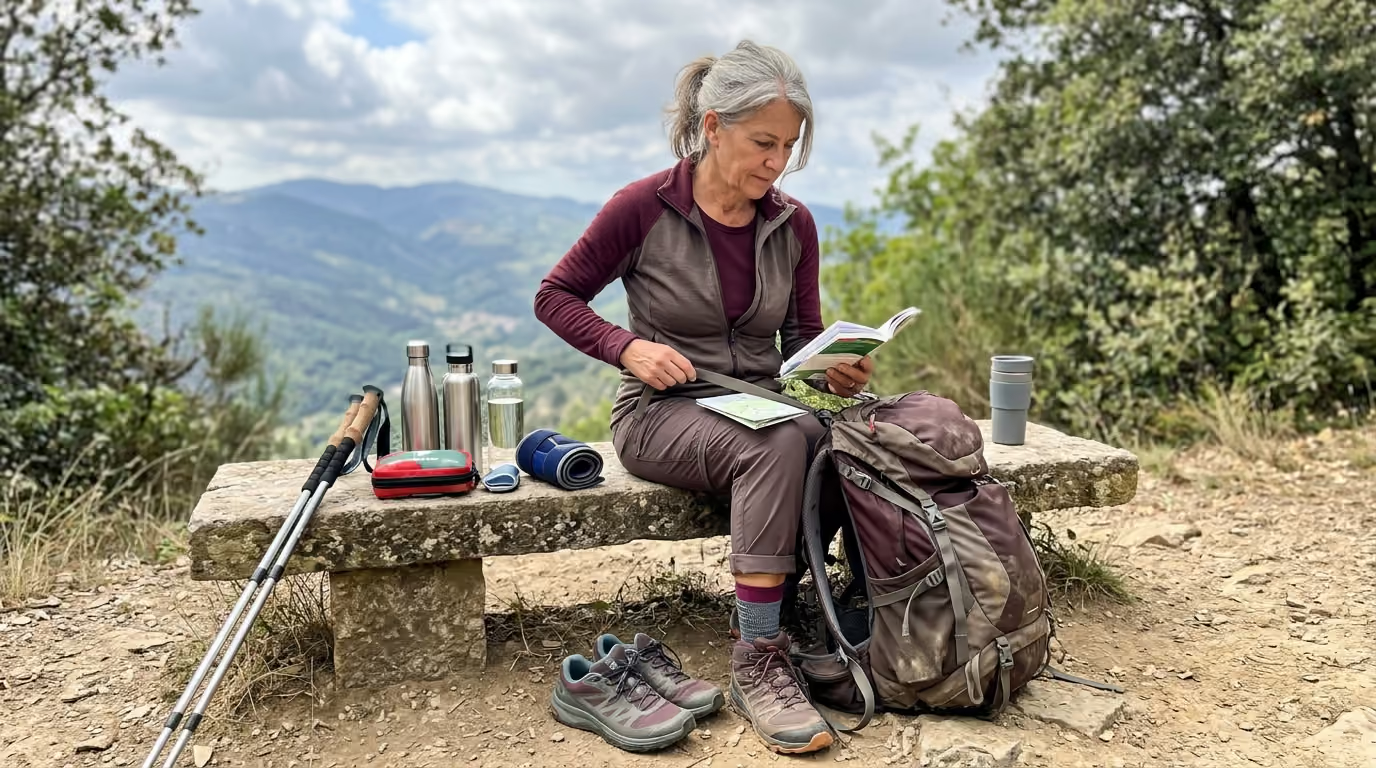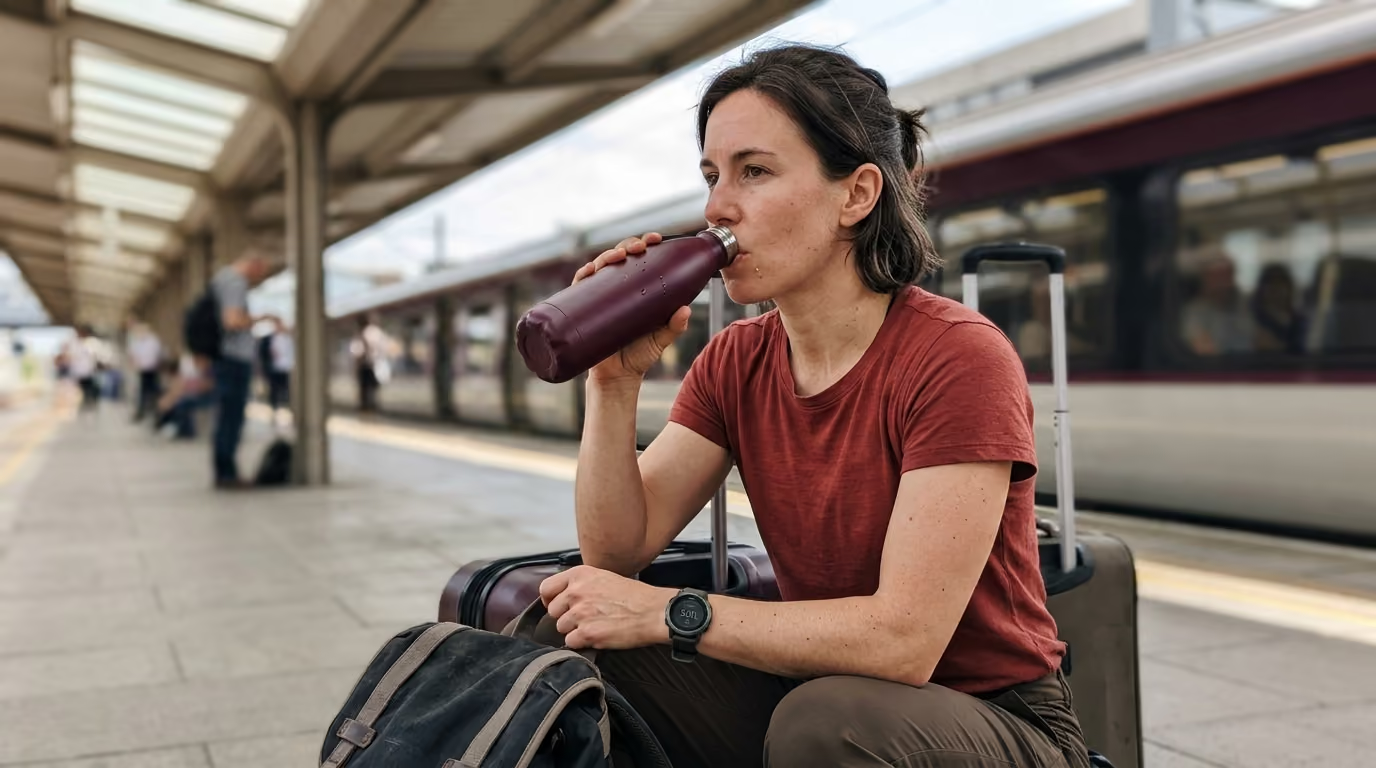

Long flights and intense mountain treks demand balanced fluid and electrolyte strategies to sustain physical endurance and prevent dangerous hyponatremia.





You have likely typed some version of the same question into a search engine: why do you feel exhausted, sluggish, and parched after a cross-country flight or a long day in the mountains? Many travelers assume the solution is simple. They buy a massive bottle of water at the airport terminal and drink as much as possible. Yet hours later, they still experience a dull headache, heavy legs, and disrupted sleep.
Fluid balance is not simply a matter of forcing down as much plain water as you can carry. Proper hydration is a dynamic physiological process. It requires matching water and electrolyte intake to your body size, climate, exertion, and metabolic demands. In this comprehensive resource on travel and human performance, we examine the scientific mechanisms governing fluid balance. You will learn how to navigate airplane cabins, manage intense heat, adjust to high altitude, and support physical endurance without falling into common overhydration traps.
Effective hydration is context dependent. Your body is not a static container that needs to be filled to the brim. Instead, it is an active regulatory system that manages water through thirst, kidneys, hormones, and blood osmolality.
The primary goal of any hydration strategy is to maintain normal physiological function without triggering fluid deficits or dilutional overhydration. Starting an activity in a reasonably hydrated state is the foundation. From there, you estimate your upcoming workload and environmental losses, matching fluid and sodium intake accordingly.
Drinking plain water in massive volumes does not guarantee cellular hydration. In fact, overdrinking during endurance events or long journeys can dangerously dilute blood sodium levels. True performance hydration focuses on balance. It combines regular fluid intake with dietary minerals, sensible pacing, and objective monitoring of body mass, urine color, and thirst signals.
To optimize performance, you must understand the basic terms that researchers and sports physiologists use. A normal, balanced body-water state is termed euhydration. When you have an existing fluid deficit prior to an event, you are in a state of hypohydration. The dynamic process of losing body water during an outing is known as dehydration.
Rehydration refers to the deliberate process of restoring fluid and electrolyte balance after physical loss. Conversely, overhydration happens when you consume water at a rate that exceeds your kidneys' ability to excrete it. This can lead to exercise-associated hyponatremia, a condition defined by the National Athletic Trainers' Association as a serum sodium concentration below 135 mmol/L.
Fluid regulation inside the body is governed by plasma osmolality. When you sweat, you lose both water and electrolytes from your extracellular fluid. As water leaves the bloodstream, the concentration of dissolved particles in your plasma rises. This shift triggers the release of antidiuretic hormone from the pituitary gland. Antidiuretic hormone signals the kidneys to conserve water, while your brain generates a conscious sensation of thirst.
Sodium is the principal extracellular electrolyte responsible for maintaining fluid volume in blood vessels and tissues. Sweat contains meaningful amounts of sodium, although individual concentrations vary widely. If you replace high-sweat fluid losses with plain water alone, you dilute your plasma sodium. This drops your osmolality and causes your kidneys to excrete water, even if your total body tissues remain dehydrated.
Tracking acute changes in body mass provides an accurate field measurement of fluid loss. The American College of Sports Medicine notes that measuring body weight immediately before and after exercise reflects sweat and respiratory losses. If an active adult weighing 70 kilograms loses 1.4 kilograms during a strenuous outing, that represents a 2% body mass deficit. Limiting acute fluid deficits to less than 2% of baseline body mass is a recognized standard for preserving physical endurance and cognitive clarity.
Many people rely on arbitrary rules, such as drinking eight glasses of water every day. These rigid targets fail because they ignore body size, dietary composition, environmental humidity, and activity levels. A one-size-fits-all target treats a sedentary office worker the same as an adult hiking through arid terrain.
The National Academies of Sciences, Engineering, and Medicine provide a more nuanced baseline. Their Dietary Reference Intakes establish an adequate intake of approximately 3.7 liters of total water per day for adult men and 2.7 liters per day for adult women under temperate conditions. Crucially, these figures represent total water intake, not pure drinking water from a tap.
In typical diets, roughly 20% of daily fluid comes from food. Fresh fruits, leafy vegetables, broths, yogurt, and cooked grains all supply substantial moisture. For an adult female, the 2.7-liter baseline translates to roughly 2.2 liters of fluids from beverages, with the remainder supplied by regular meals. For adult males, roughly 3.0 liters comes from drinking fluids, with the balance derived from whole foods.
Building a solid foundation for nutrition and metabolism requires responding to thirst and pairing fluids with balanced meals. Eating mineral-rich foods provides the potassium, magnesium, and sodium necessary to keep fluids within cellular compartments. Rigidly forcing yourself to drink liters of plain water outside of exercise creates unnecessary renal load and frequent nighttime awakenings without improving tissue health.
Air travel presents a unique set of physiological challenges. Modern commercial aircraft cruise at altitudes between 30,000 and 40,000 feet. Cabin pressurization systems maintain an effective cabin altitude between 6,000 and 8,000 feet above sea level. This environment introduces two distinct factors: low atmospheric pressure and dry air.
Aircraft cabin air is drawn from the cold upper atmosphere, where moisture content is low. As a result, relative humidity in passenger cabins typically hovers between 10% and 20%. In comparison, indoor home and office environments generally maintain 40% to 50% relative humidity. This dry air rapidly evaporates moisture from the eyes, nasal passages, lips, and upper respiratory tract.
Many travelers mistake this surface dryness for severe whole-body dehydration. However, research from the UK Civil Aviation Authority indicates that the additional insensible fluid loss during an eight-hour flight is only about 150 milliliters. The study showed no significant changes in systemic plasma osmolality during standard commercial flights. While your mouth and contact lenses may feel parched, your internal organs are not experiencing an acute fluid emergency.
Forcing down multiple liters of water during a flight often leads to nothing more than frequent trips down the aisle. A sensible in-flight strategy is measured and steady:
Alcohol consumption during long-haul flights introduces complications beyond basic fluid loss. While a small amount of alcohol exerts a mild diuretic effect, this action is blunted if your body is already conserving water. The greater concern is the interaction between alcohol, sleep architecture, and cabin pressure.
A clinical trial published in Thorax evaluated the physiological impact of combining alcohol with simulated aircraft cabin altitude during sleep. The researchers found that moderate alcohol consumption under cabin conditions caused median blood oxygen saturation to drop to 85.32%. Simultaneously, median heart rate increased to 87.73 beats per minute as the cardiovascular system compensated for hypobaric hypoxia.
Participants experienced extended periods with blood oxygen levels below 90%. This combination disrupts deep restorative sleep, increases resting cardiovascular strain, and exacerbates travel fatigue. Avoiding or strictly moderating alcohol during flights is essential for arriving at your destination with sharp mental clarity and physical energy.
When you step off a plane into a hot, humid climate, your thermoregulatory system must adapt immediately. Sweating is your body's primary physiological mechanism for dissipating heat. As sweat evaporates from your skin, it pulls thermal energy away from your core, keeping internal temperatures within safe biological limits.
High humidity impedes this cooling process. When ambient air is saturated with moisture, sweat cannot evaporate efficiently. Instead, it drips uselessly off the skin, draining your fluid reserves without providing significant cooling. This increases cardiovascular strain, as your heart must pump more blood to the skin surface while maintaining arterial pressure.
To manage heat safely, you must distinguish between simple heat exposure and genuine physiological acclimatization. Heat exposure is simply being in a hot environment. Acclimatization is the gradual biological adaptation that occurs after repeated daily exposures over 7 to 14 days.
During acclimatization, your body increases plasma volume, starts sweating earlier at lower core temperatures, and reduces the sodium concentration of its sweat. Until these adaptations take place, unacclimatized travelers lose significantly more sodium in their sweat and face a higher risk of heat exhaustion.
The American College of Sports Medicine recommends consuming sodium at a concentration of approximately 0.5 to 0.7 grams per liter of water during physical activity lasting longer than one hour. This replacement strategy is particularly vital during your first few days in a hot climate, when sweat sodium losses are elevated. Incorporating light electrolytes or salting meals helps maintain plasma volume and stimulates voluntary fluid intake.
Understanding the spectrum of heat-related illness is critical for any active traveler:
If an individual displays neurological symptoms, confusion, or collapse, do not attempt to force large volumes of oral fluids. Suspected heat stroke or severe hyponatremia requires emergency medical services and professional clinical stabilization.
Mountain travel presents a distinct physiological environment. As you ascend, barometric pressure decreases, meaning every breath delivers fewer oxygen molecules to your bloodstream. To compensate for this hypoxia, your breathing rate increases automatically, even while resting.
This elevated ventilation rate accelerates respiratory water loss. Mountain air is typically cold and exceptionally dry, which pulls moisture from your lungs with every exhalation. Furthermore, exposure to high altitude triggers altitude-induced diuresis. Your kidneys shed bicarbonate and fluid to balance blood pH as you hyperventilate.
Cold temperatures further complicate matters by blunting the brain's thirst mechanism. Peripheral blood vessels constrict in cold air to preserve core body heat. This shifts blood toward your central organs, tricking the brain into sensing that fluid volume is higher than it actually is. As a result, you may not feel thirsty even as your body water steadily declines.
Expert sports nutrition reviews indicate that athletes training or competing at altitude may require 4 to 5 liters of total daily fluid to maintain balance. During active mountain sports, such as trekking or skiing, a fluid intake of 400 to 800 milliliters per hour with 0.5 to 1.0 grams of sodium per liter serves as a practical baseline.
However, high water intake must not be used as an aggressive strategy to prevent Acute Mountain Sickness (AMS). Headaches, fatigue, and nausea at altitude are primarily driven by low oxygen availability and brain swelling, not by simple dehydration.
Overdrinking plain water at altitude can trigger hyponatremia, which causes symptoms identical to AMS, including severe headache, vomiting, and cerebral edema. Match your fluid intake to your actual exertion, consume balanced carbohydrate and mineral meals, and allow your body to acclimatize gradually to the elevation.
For sustained athletic performance, hydration strategies must shift based on the duration and intensity of the activity. A casual morning jog does not require the same planning as a multi-hour mountain bike ride or a marathon.
For short activities lasting under 60 to 90 minutes in mild weather, drinking to thirst is generally sufficient. Your body contains ample endogenous water and mineral stores to handle brief deficits. Forcing fluids during short workouts provides little physiological benefit and can lead to gastrointestinal sloshing.
When exercise extends beyond 90 minutes, planned drinking becomes increasingly important to support performance and fitness. A starting intake of 400 to 800 milliliters of fluid per hour is widely recommended by endurance exercise guidelines. Lighter individuals working at lower intensities in cool weather will sit at the lower end of this spectrum, while larger individuals sweating heavily in the heat will require the upper range.
For prolonged endurance outings, consuming fluids containing 4% to 8% carbohydrates alongside electrolytes helps sustain blood glucose and speeds gastric emptying. Carbohydrates provide readily available fuel for working muscles, while sodium facilitates intestinal water absorption via sodium-glucose cotransporters.
Not all packaged electrolyte products are equal. Reading nutrition labels is vital for understanding what you are consuming:
Post-exercise rehydration requires a systematic approach. If you finish an event with a significant fluid deficit, you cannot simply drink the exact amount of weight lost. The body continues to produce urine as fluid is consumed.
Research synthesized by the ACSM suggests consuming approximately 125% to 150% of your total body mass loss over the two to four hours following exercise. If you finish a hard run 1.0 kilogram lighter than your starting weight, you should consume 1.25 to 1.5 liters of fluid. Pairing this fluid with sodium-containing whole foods ensures the kidneys retain the water rather than excreting it as dilute urine.
In recent decades, widespread public messaging encouraged athletes and active adults to drink as much water as possible. This well-intentioned advice created a substantial rise in exercise-associated hyponatremia (EAH).
EAH occurs when the concentration of sodium in your blood drops below 135 mmol/L. When extracellular sodium is diluted, water moves down the osmotic gradient into your cells, causing them to swell. In most tissues, this swelling is manageable. In the rigid confines of the skull, however, brain swelling can lead to catastrophic neurological complications.
The Wilderness Medical Society emphasizes that gaining weight during an endurance event is a definitive warning sign of fluid excess. You should never finish a run, hike, or race heavier than when you started. A weight gain indicates that you have consumed more water than your kidneys and sweat glands could process.
The early symptoms of hyponatremia are notoriously deceptive because they mimic the symptoms of dehydration:
As hyponatremia worsens, severe neurological signs appear. These include persistent vomiting, slurred speech, confusion, agitation, seizures, and loss of consciousness.
If an athlete collapses or shows altered mental status after a long event where they consumed heavy fluids, do not give them more water or standard sports drinks. National Athletic Trainers' Association protocols state that fluids must be withheld immediately until a physician evaluates the patient. In a clinical setting, severe EAH is treated with intravenous hypertonic saline (3% sodium chloride) to rapidly draw water out of swollen brain tissue.
Preventing EAH requires simple discipline. Never force fluids past your comfort level, do not drink purely to satisfy arbitrary time targets, and include salty snacks or electrolyte beverages during long, high-sweat excursions.
You do not need expensive laboratory equipment or continuous monitoring sensors to gauge your hydration status. Active adults can assess their fluid balance using three practical, field-tested metrics: body mass changes, urine characteristics, and thirst sensations.
Pre- and post-activity body weight provides the most accurate measurement of fluid losses. Weighing yourself without clothing immediately before and after exercise gives you an objective snapshot of net sweat and respiratory water loss.
Urine color and frequency serve as helpful secondary indicators. Consumer guidance from athletic training authorities describes pale yellow or lemonade-colored urine as consistent with adequate hydration. Dark, concentrated urine resembling iced tea suggests that your kidneys are conserving fluid in response to a deficit.
However, urine color must be interpreted with context. Consuming B-vitamin supplements will turn urine bright fluorescent yellow regardless of hydration. Furthermore, producing completely clear, water-like urine all day is not a sign of superior health. Persistently clear urine accompanied by constant urination indicates that you are overdrinking and flushing minerals from your system.
Thirst is a reliable biological signal for daily life and light physical activity. In healthy adults, the thirst threshold activates when plasma osmolality increases by just 1% to 2%. While extreme cold, high altitude, or high-intensity competition can temporarily blunt thirst perception, your natural urge to drink remains a primary guide for baseline health.
Tracking subjective performance cues can also alert you to subtle fluid deficits. An unexpected elevation in resting heart rate, a sudden spike in perceived exertion at familiar running paces, orthostatic lightheadedness when standing up, or persistent dry mouth indicate that your fluid and electrolyte balance requires attention.
Pervasive myths about hydration continue to circulate among fitness enthusiasts and frequent travelers. Addressing these misconceptions ensures your approach remains grounded in physiology.
As established by the National Academies, fluid needs vary dramatically based on body surface area, climate, diet, and exercise intensity. Furthermore, total fluid intake includes moisture from whole foods, tea, coffee, and mineral broths. Forcing a rigid volume of plain water every day is unnecessary and counterproductive.
Clear urine simply means your kidneys are rapidly excreting excess water. Aiming for crystal-clear urine throughout the day leads to frequent bathroom visits and risks diluting serum electrolytes. A pale, straw-like yellow color is the physiological standard for healthy euhydration.
Commercial sports drinks are specifically formulated for high-intensity, continuous exercise lasting longer than an hour. Drinking sugary electrolyte beverages during sedentary travel or short gym workouts adds unnecessary refined sugars and calories without offering performance advantages over plain water and whole food meals.
While sodium helps maintain plasma volume, muscle cramps during exercise are multifactorial. Neuromuscular fatigue, unaccustomed pacing, and local muscle strain contribute heavily to cramping. Taking massive doses of salt tablets without adequate water can cause acute gastrointestinal distress, nausea, and osmotic diarrhea.
Cabin air is dry, but actual whole-body fluid loss over an eight-hour flight amounts to only about 150 milliliters extra. The sensation of dehydration on planes is largely localized dryness of the eyes, mouth, and nasal mucosa. Treat the surface symptoms with eye drops and saline spray rather than forcing excess liters of water.
Alcohol does inhibit antidiuretic hormone, but its diuretic effect is not absolute. In individuals who already have a mild fluid deficit, the body blunts alcohol-induced urination to protect blood volume. The true danger of alcohol during travel lies in disrupted sleep architecture, elevated heart rate, and impaired recovery, especially when combined with high altitude or cabin environments.
Achieving optimal fluid balance does not require complex spreadsheets, fluid-tracking applications, or invasive monitoring gadgets. For the active traveler, a streamlined, minimal effective dose protocol provides maximum physiological benefits with minimal friction.
Focus on three reliable daily habits to support healthy aging and living well:
When embarking on strenuous travel or high-output mountain adventures, expand this foundation using the duration rules outlined earlier. Carry portable electrolyte packets containing 300 to 500 milligrams of sodium for long hikes or hot runs, but let your physiological feedback dictate consumption.
Major medical, sports, and aerospace organizations share a consistent perspective regarding human fluid dynamics. The consensus across leading institutions reinforces several key themes:
The American College of Sports Medicine, the National Athletic Trainers' Association, and the Wilderness Medical Society agree that universal, fixed drinking prescriptions are fundamentally flawed. Hydration during physical exertion must be tailored to individual sweat rates, environmental temperature, clothing, and exercise duration.
These organizations unanimously warn against the dangers of overhydration. Exercise-associated hyponatremia is recognized as a serious, preventable condition caused primarily by consuming fluid volumes in excess of sweat and urinary losses. Clinical guidance emphasizes that maintaining euhydration is about preserving physiological equilibrium, not achieving maximal water throughput.
By grounding your hydration habits in scientific principles, you ensure your body remains resilient, capable, and ready for any travel adventure.
To translate these physiological concepts into your daily routine, apply this practical checklist over the next seven days:
Stay connected for research and practical guidance on longevity, strength, recovery, energy and active living. New ideas to help you stay capable, curious and ready for more.


Explore practical guidance on strength, recovery, energy, travel and longevity for a life that stays active.
explore the Blog