
Frequent flights and tight hotel schedules do not have to erode cardiovascular fitness when using targeted minimal-dose training sessions.





Most endurance athletes believe that missing several days of normal training causes an immediate loss of hard-earned aerobic conditioning. This belief is physiologically incorrect. Research consistently demonstrates that cardiovascular fitness and muscular power remain remarkably resilient during periods of reduced training.
The real danger during travel is not that your aerobic capacity will vanish overnight. The actual risk comes from attempting to force an uncompromised home training routine into a demanding travel itinerary. When you combine long flights, disrupted sleep, unfamiliar nutrition, and business meetings or family obligations, forcing high-mileage workouts creates systemic fatigue. This accumulated stress compromises your immune system, increases injury risk, and degrades recovery.
Preserving endurance on the road requires a shift in mindset. You are not trying to build new fitness or replicate your standard weekly mileage. Instead, your objective is to preserve key physiological signals while ruthlessly cutting logistical complexity. By understanding how the body maintains aerobic adaptations, you can design a sustainable routine that protects your performance and lets you enjoy your destination.
For active adults who prioritize long-term capability, mastering this balance is an essential skill. Navigating travel effectively ensures that your hard work at home is never wasted. Explore our comprehensive library on travel and human performance to understand how targeted movement strategies protect your physiological capacity anywhere in the world.
To train effectively while traveling, you must first understand what happens inside the body when normal training volume drops. Endurance adaptations consist of central cardiovascular factors, such as stroke volume and blood plasma volume, and peripheral muscular factors, such as capillary density and mitochondrial enzyme activity. These components decay at very different rates.
When training stops completely, blood plasma volume begins to decline within a few days. This rapid decrease reduces total blood volume and lowers ventricular filling pressure, which decreases maximal stroke volume during exercise. A two-week period of total bed rest or complete sedentary detraining in endurance runners results in measurable drops in maximal oxygen uptake, known as VO2 max, alongside reductions in maximal cardiac output and knee-extensor strength. However, local muscular endurance and capillary networks remain largely intact over this short window.
Crucially, reduced training is entirely different from complete physical inactivity. When you reduce overall mileage but keep moving, the physiological story changes completely. Research on reduced training protocols shows that maximal aerobic performance measures can remain stable for 10 to 28 days even when weekly training volume drops by 70 to 80 percent.
A comprehensive review of minimal-dose training demonstrated that short-term endurance and VO2 max can be maintained for up to 15 weeks with volume reductions between 33 and 66 percent, provided that exercise frequency and training intensity are preserved. This finding applies across broad athletic populations. While it does not mean an elite athlete can prepare for an international championship on a fraction of their normal mileage, it provides clear reassurance for the traveling amateur.
Your aerobic engine is far more durable than you think. You do not need two-hour daily sessions to keep your cardiovascular adaptations intact. A compact, well-structured stimulus provides enough cellular signaling to prevent plasma volume loss, maintain stroke volume, and preserve neuromuscular efficiency until you return home.
Maintaining physical conditioning during travel relies on the concept of the minimal effective dose. This principle identifies the smallest amount of targeted physical work needed to produce or retain a specific biological adaptation. Anything beyond this dose during a travel window adds unnecessary fatigue without providing additional protective value.
To apply this concept, you must follow a clear physiological hierarchy:
The practical expression of this hierarchy is the three-component travel week. Rather than tracking arbitrary weekly mileage, organize your itinerary around three distinct movement sessions:
The quality session delivers the primary physiological signal required to maintain VO2 max, cardiac output, and neuromuscular recruitment. This workout is brief but purposeful. It can take the form of short hill repeats, controlled threshold intervals, or short tempo efforts. The entire session, including a brief warm-up and cool-down, rarely needs to exceed 30 to 45 minutes.
Perform one or two short aerobic sessions throughout the week. These workouts are purely regenerative and maintenance-focused. They last between 20 and 35 minutes and should be performed at a comfortable, conversational effort. These sessions preserve capillary blood flow, sustain movement rhythm, and promote mental clarity without generating muscular damage.
If your travel itinerary allows, include one longer aerobic exposure. This does not need to equal your traditional weekend long run or three-hour cycling route. A compressed 60 to 75-minute run, a two-hour easy ride, a continuous swim, or a brisk mountain hike serves this purpose well. This session maintains fat oxidation pathways and tissue tolerance while fitting naturally into your destination schedule.
Effective travel training begins long before you pack your bags. Before designing individual workouts, assess your trip against five core operational variables. This systematic assessment prevents unrealistic planning and eliminates the frustration of unfulfilled expectations.
The length of your stay dictates the structure of your physical maintenance:
Short-term volume reductions carry almost no risk of fitness loss if managed correctly. Long-term travel requires a more sustainable and structured training baseline.
Travel burden encompasses the physical strain of transit. It includes hours spent sitting in pressurized airplane cabins, navigating airport terminals, carrying luggage, and coping with disrupted meal schedules. High travel burden drains your central nervous system. When the travel burden is heavy, schedule light, restorative movement on arrival rather than demanding interval sessions.
Environmental factors dramatically alter the cardiovascular cost of exercise. High ambient heat, heavy humidity, high altitude, freezing temperatures, and poor air quality all increase physiological strain at any given workload. You must adjust your training targets immediately when entering these conditions.
Classify your destination facilities into one of four practical tiers:
If you are traveling several months away from your target event, maintaining general aerobic fitness and functional movement is your sole priority. If you are traveling within three to four weeks of a race, preserving sport-specific movement patterns, pacing rhythm, and nutritional fueling strategies becomes critical. You can learn more about balancing functional capacity with athletic longevity in our guide to strength and physical performance.
Each endurance discipline presents unique mechanical demands and logistical hurdles during travel. Tailoring your minimal effective dose to your specific sport ensures you protect the exact movement patterns you need most.
Running is the most portable endurance sport, but it carries the highest mechanical impact. When traveling, unfamiliar paved surfaces, cambered roads, and cumulative walking fatigue can increase the risk of tendon and joint irritation.
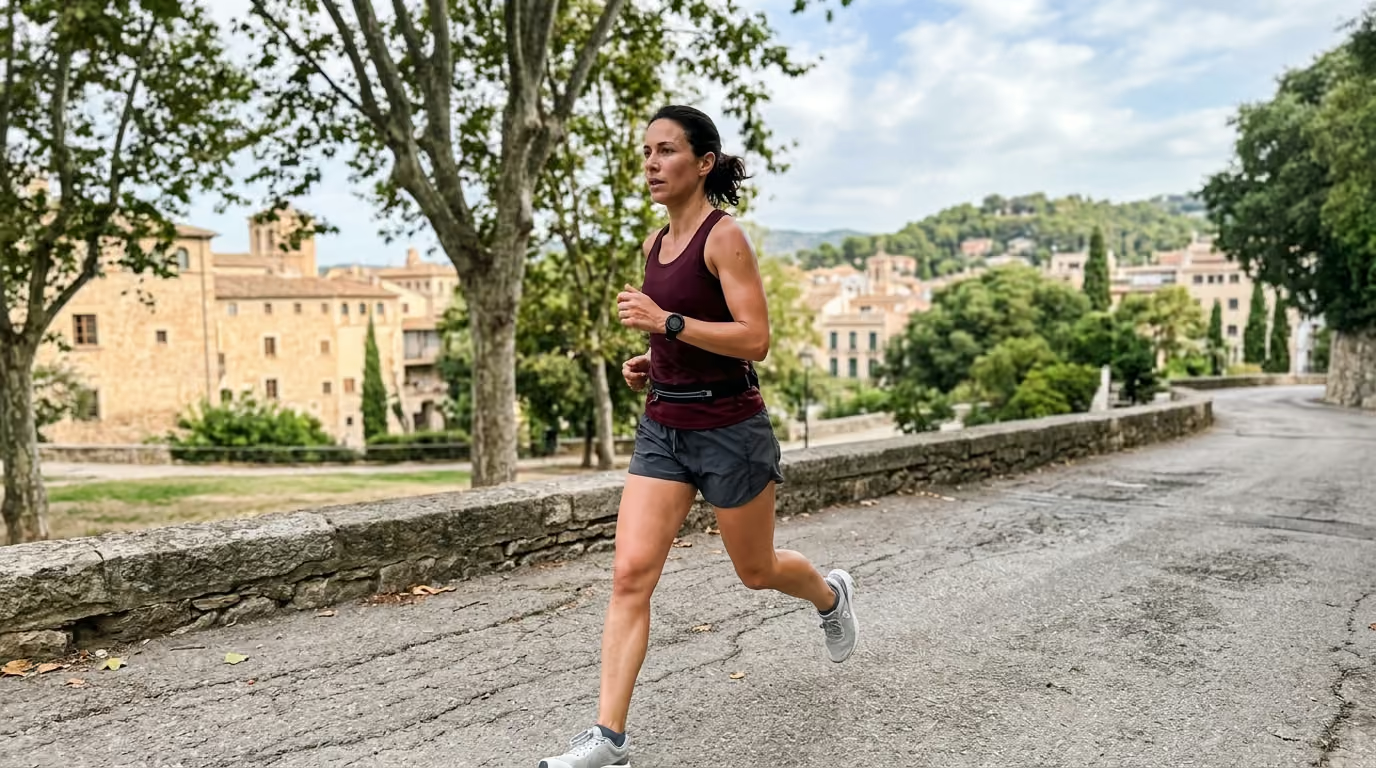
When running outdoors in a new city, focus on perceived effort rather than strict GPS pace. Heat, humidity, hills, and navigation will alter your standard speed. A compact outdoor session might involve 10 minutes of easy jogging, followed by four to six 30-second uphill strides with easy walking recoveries, concluding with 10 minutes of easy running. This workout delivers a potent neuromuscular and cardiac stimulus with minimal joint impact.
If outdoor conditions are poor or unsafe, use the hotel treadmill. The treadmill is an exceptional tool for controlled training. You can eliminate traffic stops and manage your exact incline. A practical 30-minute treadmill session includes a 5-minute warm-up, followed by 15 minutes of controlled tempo work at a steady, sustainable effort, finishing with 10 minutes of easy running.
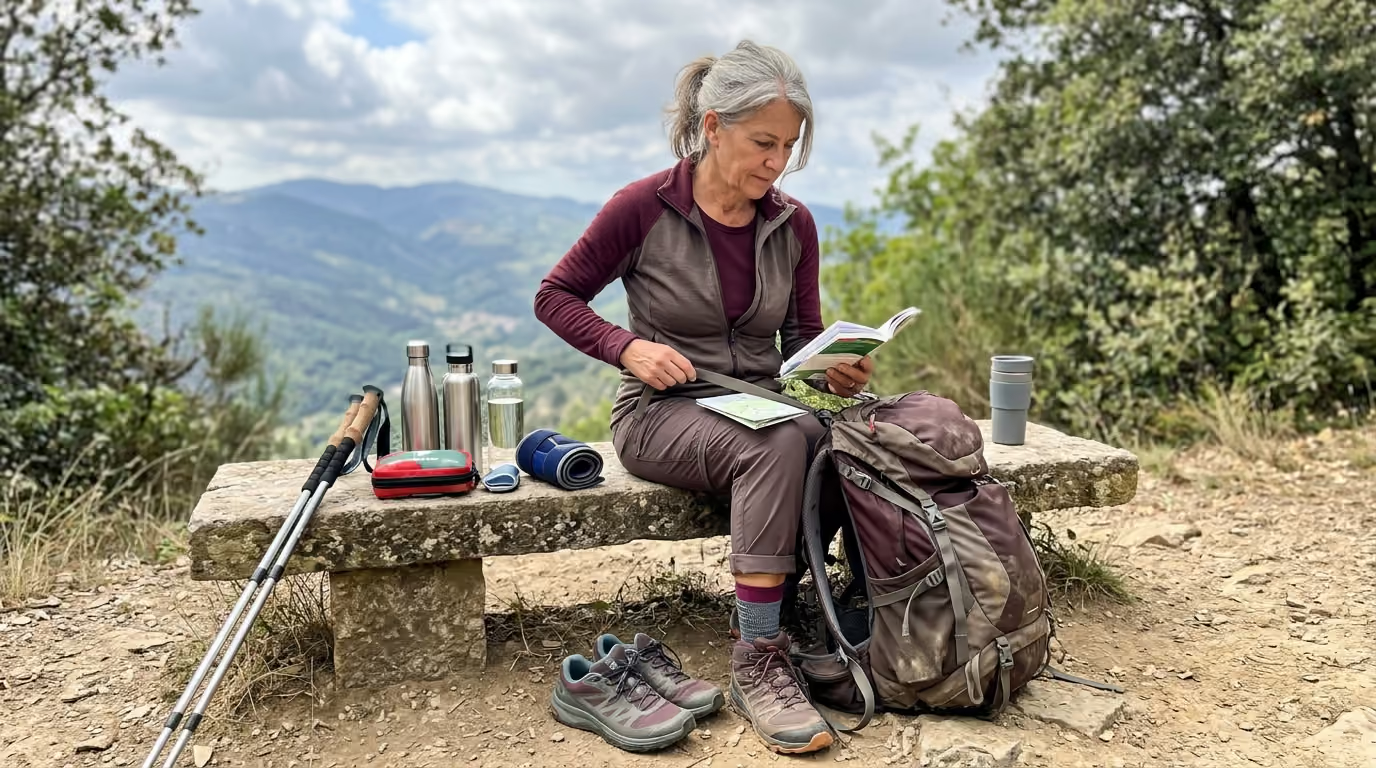
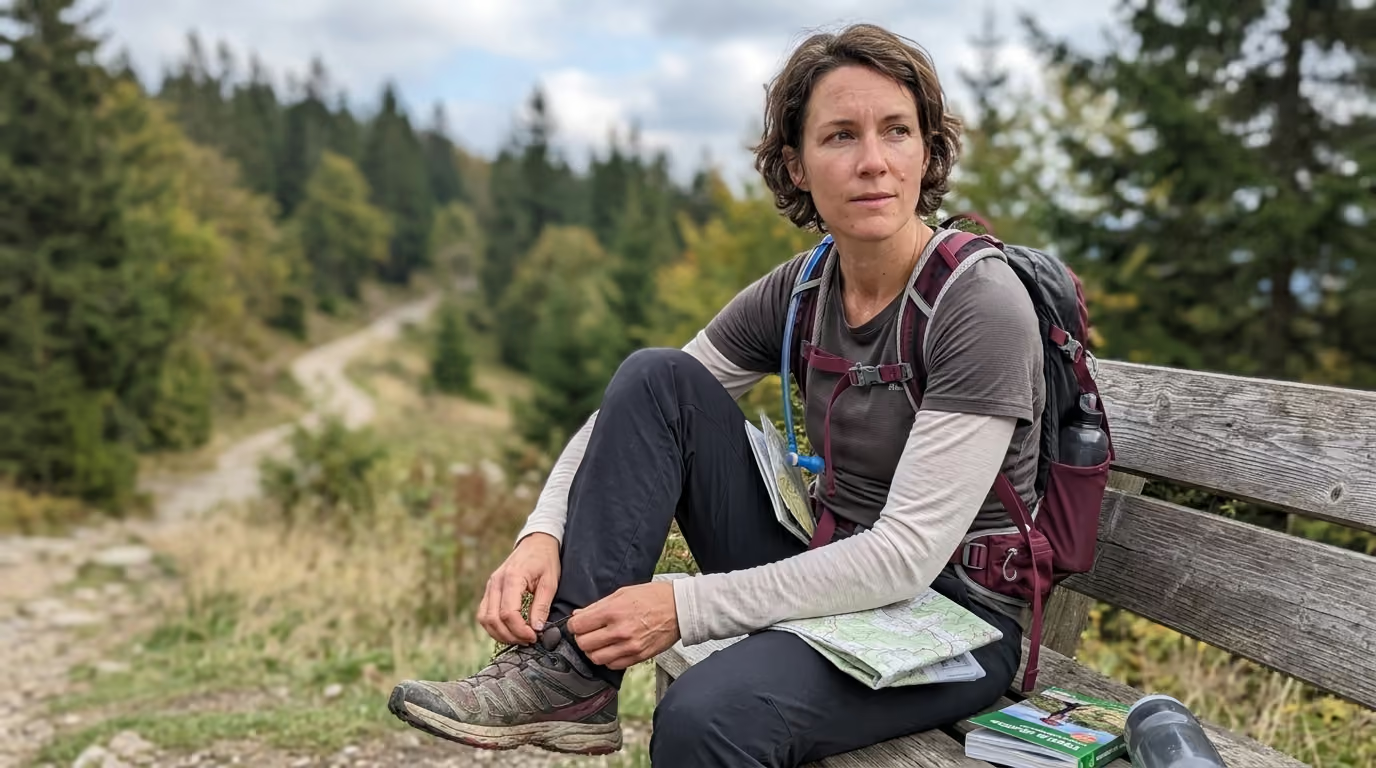
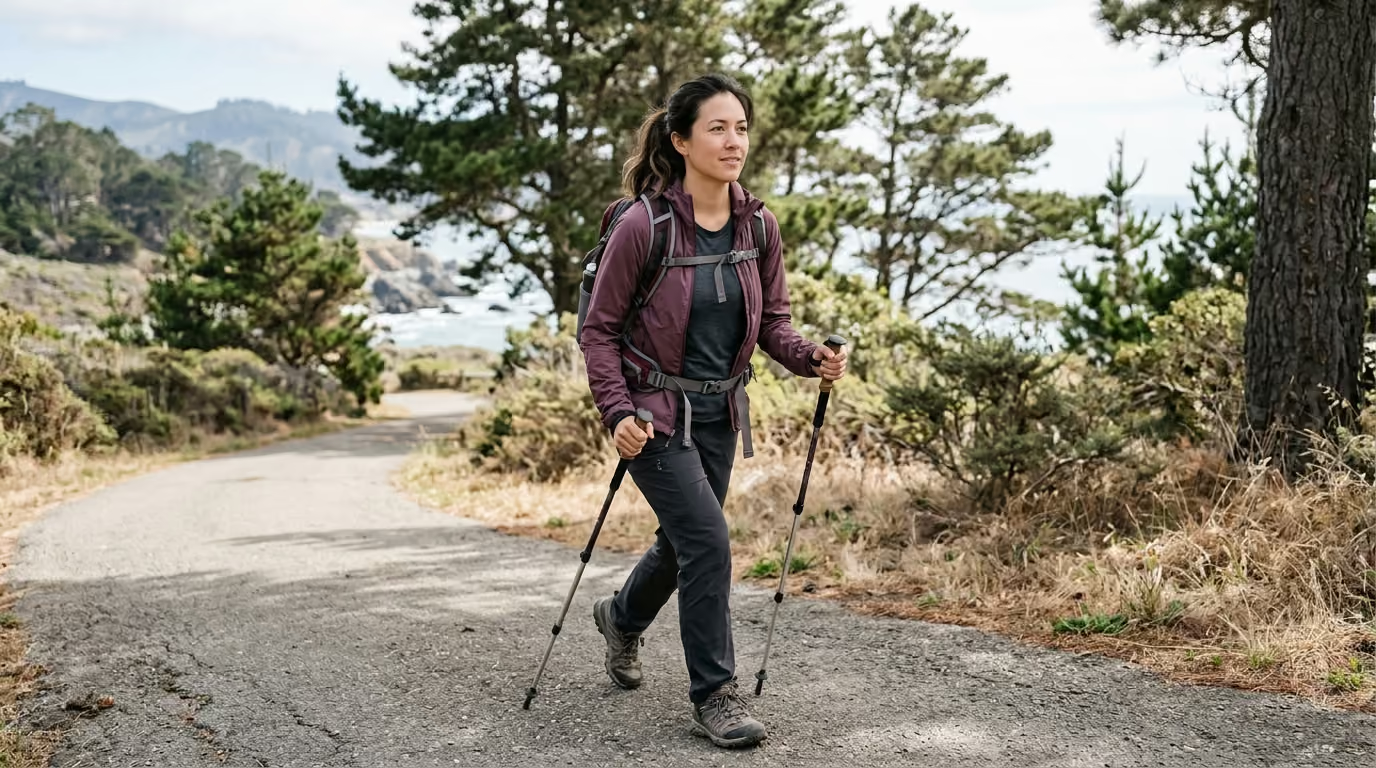
Hiking provides an outstanding low-impact aerobic alternative when outdoor running is impractical. A steep two-hour hike delivers significant cardiovascular and muscular stimulation. However, hiking involves different stride mechanics and less eccentric load than running. Treat hiking as excellent general aerobic conditioning rather than a pure replacement for high-speed running economy.
Cyclists face the challenge of transporting bulky equipment or relying on stationary gym bikes. Fortunately, stationary bikes are available in almost every hotel fitness center, making cycling one of the easiest disciplines to maintain indoors.
Stationary indoor trainers and upright exercise bikes allow you to complete high-quality cardiovascular workouts without navigating local traffic or dangerous roads. A standard 40-minute hotel bike session can be structured as follows:
Evaluate your indoor cycling sessions using heart rate, cadence, and perceived exertion rather than arbitrary resistance levels or displayed speeds. Indoor stationary bikes do not perfectly replicate outdoor handling, road vibration, or prolonged saddle posture. However, they preserve your aerobic capacity, lactate clearance, and pedaling power with exceptional efficiency.
Swimming is the most logistically constrained discipline because it depends entirely on pool access. Water feel and stroke timing degrade faster than cycling or running mechanics, making frequent, short water exposures highly valuable.
When pool access is available, prioritize movement quality and stroke rhythm over high volume. A 20-minute swim consisting of 200 meters of easy warm-up, eight 50-meter repeats at a brisk pace with short rest, and 100 meters of easy cool-down is sufficient to maintain your feel for the water.
If you do not have access to a pool, follow this practical fallback hierarchy:
Dry-land band routines preserve muscular endurance in the upper body, but they cannot replicate fluid propulsion or breathing mechanics. Accept that dry-land work is a temporary bridge until you can access a pool again.
Triathletes and multisport athletes often feel overwhelmed trying to schedule three disciplines across a compressed travel itinerary. Attempting to balance swim, bike, and run sessions during a busy trip leads to severe time stress and poor recovery.
Simplify your schedule by focusing on two disciplines during short trips. Maintain your primary or weakest discipline, and support it with low-impact cardiovascular cross-training. For instance, you can preserve running economy with short, high-frequency treadmill runs while maintaining pure aerobic capacity through indoor cycling. This approach spares your joints from excessive impact while keeping your cardiovascular system fully primed.
Athletes frequently confuse travel fatigue with jet lag. While both conditions impair physical performance and mental alertness, they are governed by completely different biological mechanisms and require distinct management strategies.
Travel fatigue is the acute physiological exhaustion caused by the logistical disruption of travel. It stems from prolonged sitting, poor air circulation, dehydration, carrying heavy luggage, schedule compression, and irregular meals. Travel fatigue accumulates regardless of whether you cross time zones. A three-hour regional flight with long security delays can induce significant travel fatigue without disrupting your circadian rhythm.
Jet lag, by contrast, is a circadian desynchronization disorder. It occurs when rapid travel across multiple time zones creates a mismatch between your internal biological clock and the external local time. Your circadian system regulates hormone secretion, core body temperature, digestive enzyme production, blood pressure, and sleep architecture. When your internal clock is out of phase with local daylight, you experience insomnia, daytime lethargy, gastrointestinal distress, and impaired physical coordination.
To review advanced recovery tools that support cellular health during demanding transit periods, read our complete analysis of recovery and sleep.
Managing jet lag requires adjusting your central circadian pacemaker, located in the suprachiasmatic nucleus of the brain. The most powerful tool for resetting this internal clock is timed exposure to natural sunlight.
Follow this systematic framework when crossing more than three time zones:
Consensus scientific reviews in sports medicine note that direct empirical evidence linking jet lag to severe athletic injury is sparse. The primary risk is poor decision-making caused by sleep deprivation. If you arrive feeling exhausted, keep your first session short, simple, and light.
Traveling often introduces sudden environmental shifts that challenge your cardiovascular system. Entering a hot, humid environment or ascending to high altitude alters how your body responds to exercise. Treating these environments like your home training conditions will quickly derail your performance.
When you exercise in hot and humid conditions, your body must redirect a large portion of cardiac output away from working skeletal muscles toward the skin surface for evaporative cooling. This cutaneous vasodilation reduces central blood volume, lowers stroke volume, and causes heart rate to rise significantly at any given running pace or cycling wattage.
Heat training stimulates physiological adaptations, primarily through the expansion of blood plasma volume. However, a casual holiday or business trip should never be treated as an elite heat acclimation camp. High temperatures combined with travel fatigue and irregular sleep create substantial systemic stress.
Follow these rules when exercising in hot destinations:
The American College of Sports Medicine recommends individualized fluid replacement strategies designed to prevent dehydration exceeding 2 percent of total body mass. You can estimate your fluid needs by weighing yourself without clothing before and after a one-hour workout in the destination climate. Every kilogram of weight lost represents approximately one liter of fluid deficit that must be replenished.
For sessions lasting longer than 60 minutes in hot conditions, fluid intake should range between 0.4 and 0.8 liters per hour, adjusted for body mass and sweat rate. The American College of Sports Medicine also recommends consuming sodium in the range of 0.5 to 0.7 grams per liter of water during prolonged endurance exercise to maintain osmotic balance and prevent hyponatremia. To optimize your fueling and metabolic efficiency across all training conditions, explore our resources on nutrition and metabolism.
Ascending to high altitude presents an entirely different physiological challenge. The fraction of oxygen in the air remains constant, but the barometric pressure drops, reducing the partial pressure of inspired oxygen. This causes arterial oxygen saturation to fall, forcing your cardiovascular and respiratory systems to work harder during physical exertion.
Altitude acclimatization increases red blood cell mass and oxygen-carrying capacity over several weeks. However, the acute response during the first 48 hours is characterized by hyperventilation, elevated resting heart rate, disrupted sleep, and increased fluid loss through respiration.
Authoritative guidance from the Centers for Disease Control and Prevention provides clear safety recommendations for high-altitude travel:
When running or cycling at altitude, reduce your interval durations and extend your recovery intervals between efforts. Never attempt to force sea-level pace targets on mountain roads during a short visit.
Physical training load does not exist in a vacuum. Your body interprets all physical, environmental, emotional, and cognitive challenges as cumulative biological stress. Long meetings, disrupted sleep, travel delays, dehydration, and unfamiliar food contribute directly to your total systemic load.
The International Olympic Committee consensus on training load and injury risk emphasizes that rapid, unmanaged spikes in cumulative load significantly increase illness and injury rates in athletes. When travel stressors are high, your physical training capacity decreases.
Use this simple Red, Amber, Green decision framework to evaluate your readiness each morning:
Your physical readiness is optimal when:
Action: Complete your planned quality session or standard aerobic maintenance workout without modifications.
Your system is carrying elevated fatigue when:
Action: Modify your planned session. Cut your total workout volume in half, remove high-intensity intervals, and convert the session into a short, regenerative aerobic spin or light jog.
Your body requires immediate rest when:
Action: Cancel all training immediately. Prioritize deep hydration, nutrient-dense meals, gentle walking, and restorative sleep. Seek medical evaluation if systemic symptoms or altitude complications persist.
Athletes often fall victim to flawed training dogmas that lead to overtraining, injury, or burnout on the road. Correcting these common misconceptions will keep your training safe, sustainable, and effective.
The most damaging misconception among endurance athletes is the belief that every missed workout must be made up. When an athlete misses two days of running due to travel delays, they often attempt to squeeze all their missed miles into the final three days of their trip.
This compensatory behavior creates a severe training load spike on top of an already fatigued musculoskeletal system. International Olympic Committee load guidelines clearly show that rapid load spikes represent a primary cause of soft tissue injury and immune suppression. When you miss a workout during transit, let it go. Resume your structured plan without looking backward.
Many athletes assume that if they cannot log their usual weekly volume, they should make every short hotel gym workout as hard as possible. They turn every 20-minute treadmill session or stationary bike ride into an exhaustive, maximal interval test.
While preserving selected high-intensity stimuli is important, performing repeated all-out efforts under conditions of poor sleep, jet lag, and dehydration generates excessive central fatigue and raises injury risk. High-intensity training should be selective, controlled, and performed only when you are adequately rested.
A stationary exercise bike preserves cardiovascular conditioning and pedaling power, and a hotel treadmill maintains running exposure. However, neither tool fully replicates the specific physical demands of outdoor sport.
Stationary bikes do not replicate outdoor bike handling, wind resistance, cornering, or prolonged aerodynamic positioning. Treadmills reduce the eccentric hamstring loading required for outdoor propulsion because the moving belt assists leg turnover. Dry-land resistance cords can condition your shoulder muscles, but they cannot replicate the hydrodynamic propulsion and breathing rhythm of swimming in open water.
Recognize indoor hotel gym sessions for what they are: highly efficient, practical tools for maintaining physiological capacity, not identical replacements for outdoor sport. For inspiring destinations and strategies that combine movement with worldly discovery, visit our dedicated portal on travel and adventure.
Applying these principles to real-world itineraries helps turn scientific research into actionable training routines. Here are six practical case patterns designed for active adults balancing travel with endurance maintenance.
Context: A recreational runner travels for a three-day corporate conference with no major time-zone changes. Normal routine is five runs per week, totaling 35 miles.
Result: The athlete preserves running frequency and neuromuscular power without disrupting business commitments or accumulating fatigue.
Context: A road cyclist from a cool climate travels to a sunny coastal resort for a family vacation. High heat, daytime sightseeing, and family dinners are expected.
Result: The cyclist maintains cardiovascular power and enjoys the local environment without spending long hours away from family.
Context: A sea-level marathoner travels to a mountain resort at 8,500 feet (2,600 meters) for a long weekend.
Result: The runner avoids acute altitude illness, supports natural acclimatization, and protects baseline aerobic fitness safely.
Context: A competitive master swimmer travels across six time zones for an extended international business and leisure trip.
Result: The swimmer preserves neuromuscular stroke mechanics and aerobic capacity without searching for pools daily.
Context: A trail runner embarks on a five-day self-supported hiking and camping trip in a remote national park with no gym access or flat running routes.
Result: The athlete builds substantial structural strength and aerobic durability through hiking while protecting joints from overuse.
Context: An amateur triathlete faces a demanding four-day itinerary involving back-to-back client meetings and limited free time.
Result: The triathlete touches multiple energy systems and movement patterns with minimal equipment and zero time stress.
Maintaining your physical peak on the road is not about rigid adherence to a standard training calendar, but about executing a smart, minimal dose of work that keeps you strong, capable, and ready for whatever adventure comes next.
Stay connected for research and practical guidance on longevity, strength, recovery, energy and active living. New ideas to help you stay capable, curious and ready for more.


Explore practical guidance on strength, recovery, energy, travel and longevity for a life that stays active.
explore the Blog