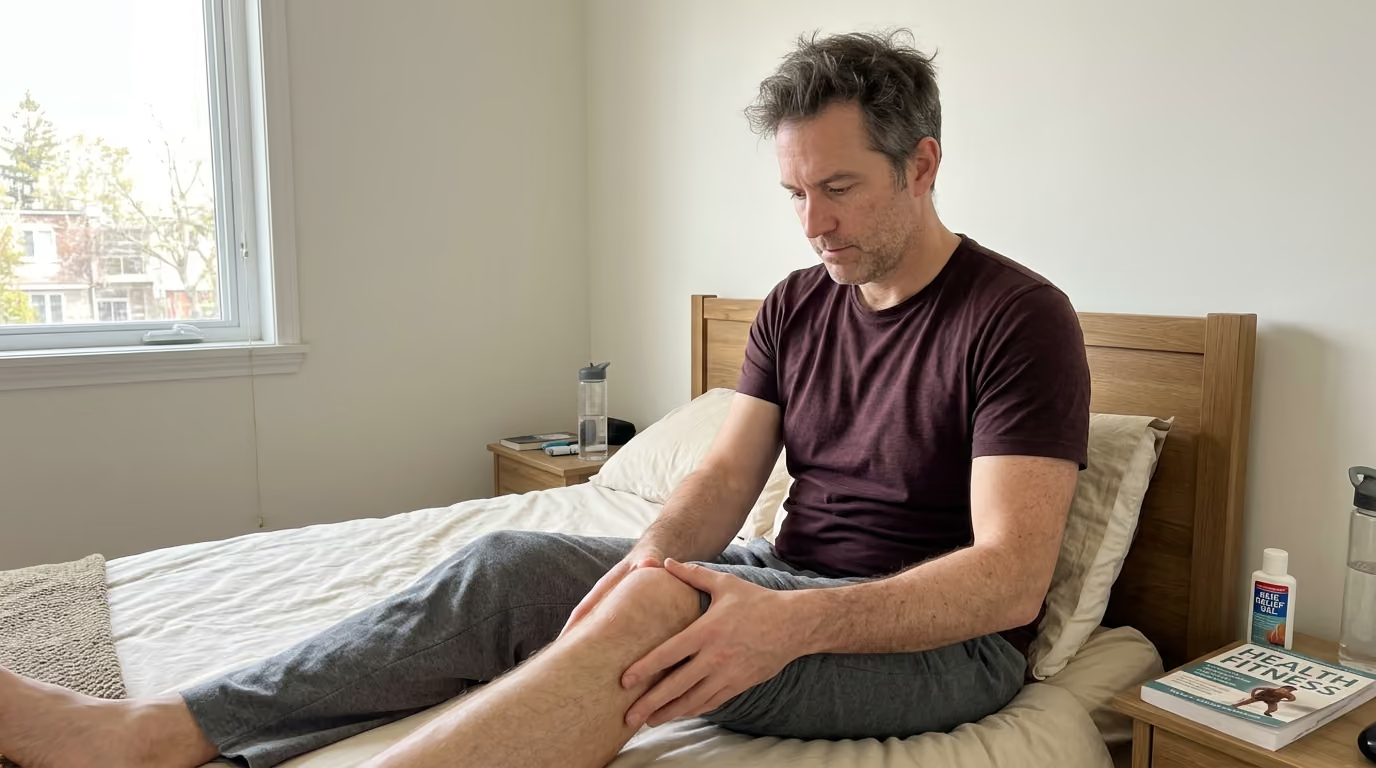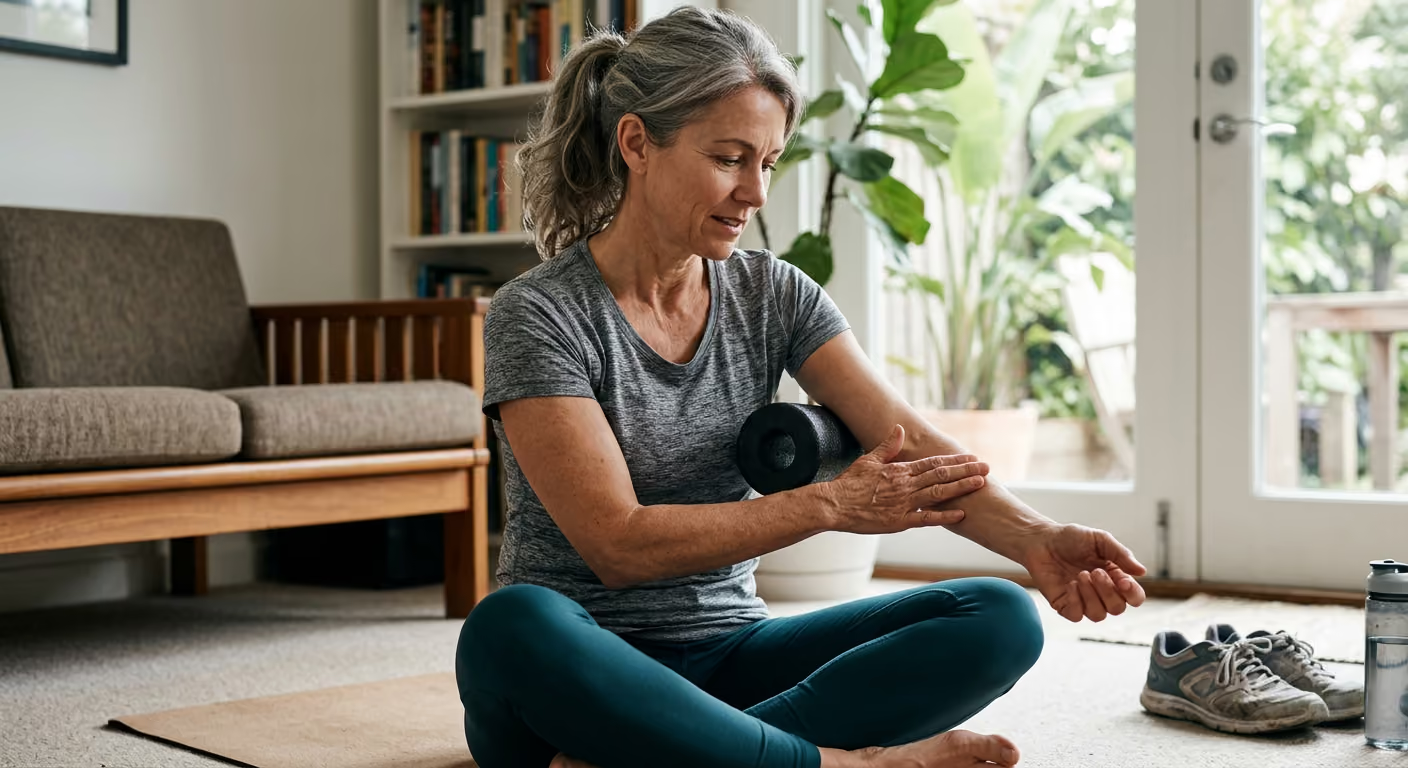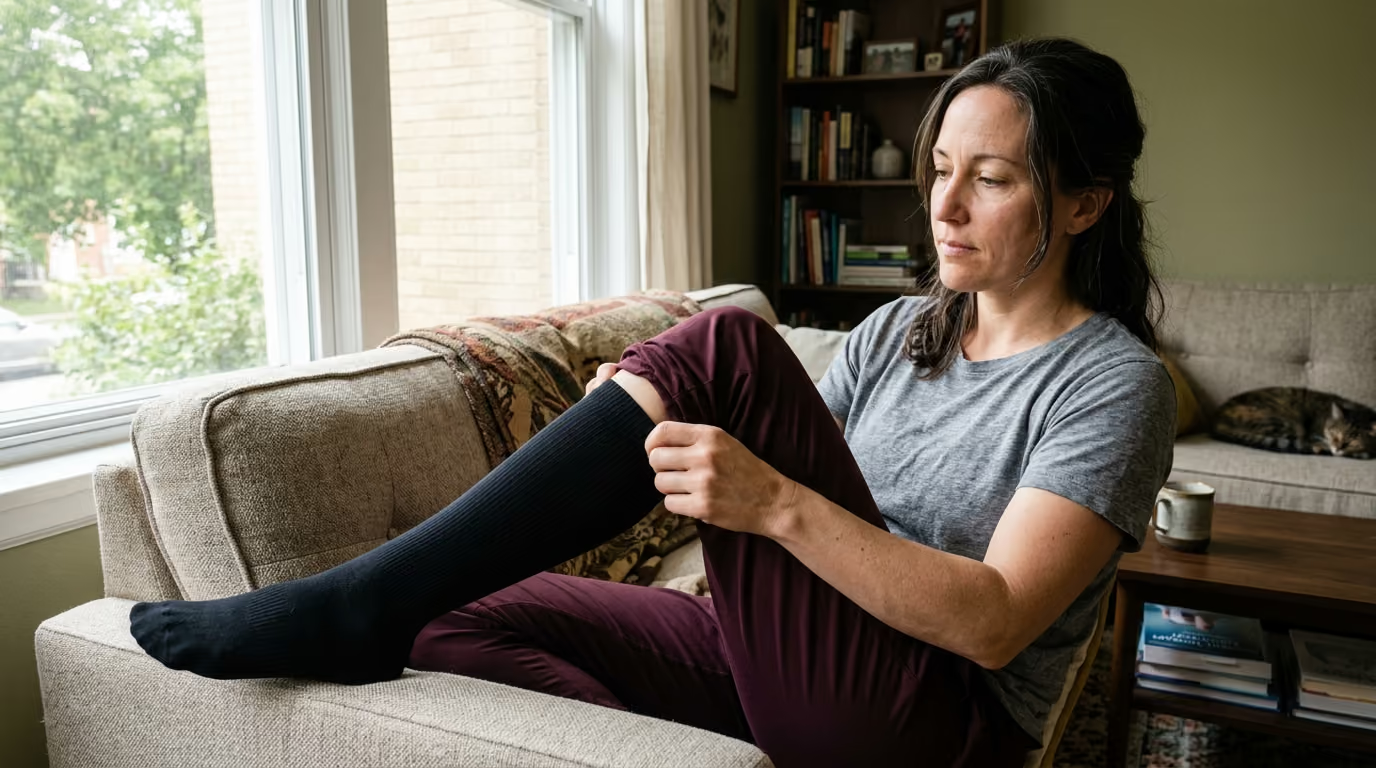

Faster post-workout relief and reduced muscle soreness become achievable through evidence-based compression methods that support natural fluid movement after hard training sessions.





The modern wellness marketplace often treats external pressure as a total biological reset. Inflatable leg sleeves, medical stockings, and compressive tights are sold as effortless ways to flush waste products and speed up tissue repair.
The physiological reality is more nuanced. Wrapping a tired limb in an elastic sleeve or pneumatic cuff changes fluid movement and alters sensory feedback. It does not magically erase cellular microtrauma, nor does it immediately rebuild muscle fibers broken down by hard training.
Understanding what compression can and cannot do allows active adults to use these tools intelligently. When applied correctly, compression therapy provides meaningful symptom relief, manages fluid retention, and improves comfort after demanding physical efforts or long flights.
Compression therapy is a family of distinct mechanical interventions rather than a single modality. It includes continuous elastic garments, graduated medical stockings, localized joint sleeves, and intermittent pneumatic compression boots. Each option delivers a different pressure profile, requires a distinct application method, and serves a specific physiological purpose.
The most important distinction in sports science is the difference between symptom management and biological tissue recovery. External pressure reliably reduces the sensation of muscle soreness, eases heaviness, and prevents dependent swelling after strenuous activity. However, scientific evidence demonstrating that compression accelerates structural muscle repair, restores maximal power output, or removes metabolic byproducts remains inconsistent.
A comprehensive view of recovery requires separating subjective perception from objective performance metrics. Feeling refreshed after a compression session is genuinely valuable for an active adult preparing for the next day of activity. Yet, confusing that soothing sensation with accelerated muscular remodeling can lead to poor training decisions.
Compression belongs in a well-designed recovery and regeneration plan as a supportive comfort tool. It works best alongside proper nutrition, consistent sleep, and progressive training rather than as a substitute for foundational health habits.
To understand why compression works, you must look at how fluids move through the vascular and lymphatic systems. When you stand, walk, or run, gravity pulls blood and interstitial fluid toward your feet and lower legs. The body relies on muscular contractions in the calves to pump venous blood back toward the heart against gravity.
When physical activity stops, this muscular pump ceases to operate actively. If you spend hours sitting in a chair, standing on hard surfaces, or resting after a heavy workout, fluid can pool in the interstitial spaces of the lower extremities. This accumulation increases localized pressure, stretches surrounding tissues, and contributes to the heavy, aching sensation familiar to endurance athletes and frequent travelers.
External compression increases interstitial hydrostatic pressure. By applying calibrated force to the skin, compression garments counterbalance the internal pressure that drives fluid out of capillaries and into surrounding tissues. This mechanical support assists venous return, limits fluid pooling, and facilitates lymphatic drainage back toward the central circulation.
A secondary mechanism involves mechanical containment and sensory modulation. Compressive wear dampens the oscillation of soft tissues during movement, which may reduce minor muscle vibration and transient mechanical strain. Furthermore, constant cutaneous pressure stimulates mechanoreceptors in the skin, which can alter how the central nervous system processes pain signals. This neurological gating effect explains why tight garments often make sore legs feel immediately more supported and comfortable.
Not all compression tools function the same way. Choosing the wrong tool for a specific goal often leads to disappointment or physical discomfort.
Graduated stockings exert the highest pressure at the ankle and gradually decrease pressure as they move up the calf and thigh. This pressure gradient is specifically engineered to counteract gravity and promote upward venous blood flow.
Clinical standards categorize compression hosiery into several distinct pressure tiers measured in millimeters of mercury:
Because manufacturing labels such as mild or firm vary across brands, you should always check the actual numerical pressure rating on the packaging.
Sports tights, shorts, and tops designed for athletic performance generally provide uniform or non-graduated pressure. These garments rarely match the strict pressure gradients found in medical hosiery. Instead, they focus on muscular containment, temperature regulation, and overall skin comfort during or after exercise.
Localized sleeves cover isolated anatomical zones, such as the calf, forearm, or knee. They offer convenience and targeted support during alpine hiking or track sessions where a full-length tight might feel restrictive. However, an isolated calf sleeve does not cover the foot or ankle, which can occasionally lead to localized fluid pooling around the lower seam if worn for extended sedentary periods.
Intermittent pneumatic compression, often referred to as IPC, uses multi-chambered inflatable boots connected to an electronic air pump. Unlike the continuous, static squeeze of elastic garments, pneumatic systems deliver dynamic cycles of inflation and deflation.
Chambers inflate sequentially from the foot upward, creating a rhythmic wave of pressure that mechanically pushes fluid out of the limb before releasing completely. In sports recovery studies, typical protocols use pressures around 80 mmHg applied for 20 to 30 minutes. IPC provides a passive, massage-like sensation that many athletes find relaxing, but its dynamic nature makes it an entirely different stimulus than a static elastic stocking.
Marketing materials frequently claim that compression garments restore athletic performance overnight. An objective review of sports science literature reveals a more measured reality.
The strongest athletic evidence for compression lies in the reduction of perceived delayed onset muscle soreness, known as DOMS. Meta-analyses examining post-exercise recovery have shown that wearing compression garments for 24 to 48 hours after strenuous exercise consistently reduces subjective pain ratings.
Athletes report feeling less stiff and more capable when moving around the day after unaccustomed physical exertion. However, recent systematic reviews caution that study participants cannot be effectively blinded to the sensation of wearing tight clothing. Expectation bias likely plays a meaningful role in these positive subjective scores. Compression makes people feel better, which is practical and useful, but that comfort does not necessarily signal underlying cellular repair.
Evidence regarding the rapid restoration of maximal strength, vertical jump height, and sprint capacity is far less conclusive. Earlier sports performance reviews suggested moderate benefits for functional recovery after damaging eccentric exercise. Subsequent systematic reviews and meta-analyses have found much smaller, often statistically uncertain effects.
When researchers assess objective force production 24 or 48 hours after fatiguing protocols, athletes wearing compression garments often perform similarly to control groups wearing regular clothing. Modest improvements in power output appear occasionally in pooled data, but the effect sizes are small. Active adults focused on strength and physical performance should view compression as a way to ease post-workout stiffness rather than a guarantee of higher lifting numbers the following morning.
Studies evaluating endurance capacity in subsequent sessions show minimal objective advantage from wearing compression during recovery. Running economy, time-trial completion times, and total work capacity remain largely unchanged in controlled trials.
Similarly, measurements of blood markers such as creatine kinase, a common indicator of muscle cell membrane disruption, show conflicting responses. Some trials report slightly lower circulating levels of muscle enzymes when compression is worn, while others find no difference compared to passive rest. Compression does not prevent underlying mechanical damage caused by strenuous downhill running or heavy resistance training.
Commercial recovery marketing often relies on scientific-sounding phrases that do not withstand physiological scrutiny. Recognizing these exaggerations prevents wasted time and unreasonable expectations.
The claim that compression garments or pneumatic boots flush lactic acid out of working muscles is biologically inaccurate. Lactate produced during intense anaerobic exercise is not a toxic waste product that lingers in muscle tissue for days.
The body rapidly metabolizes lactate, converting it back into usable energy within 30 to 60 minutes after exercise ceases. Delayed muscle soreness occurring two days after a strenuous mountain trek is caused by structural microtrauma, localized inflammation, and fluid accumulation, not residual lactate. Compression cannot flush a substance that your body has already cleared through normal metabolic pathways.
Many users assume that if a moderate squeeze feels good, an extremely tight garment must work twice as fast. Excessive pressure can restrict capillary blood flow, irritate sensitive peripheral nerves, and cause skin shearing.
Using excessive pressure or wearing improperly sized garments creates focal constriction points that impede venous return rather than supporting it. Compression should feel firm, supportive, and completely uniform, never painful, throbbing, or restrictive.
Sitting in pneumatic compression boots at the end of a long day feels pleasant and relieves leg heaviness. That sensory relief is a legitimate wellness outcome, but it should not be confused with cellular regeneration.
True physiological adaptation requires adequate protein intake, sufficient total calories, micronutrients, and deep restorative sleep. No mechanical device can replace the systemic tissue repair that occurs when you maintain a healthy nutritional baseline and achieve consistent sleep cycles.
Translating compression science into daily life requires matching the right tool to the physical demands of your environment. Active adults engaging in mountain sports, endurance events, or international travel face distinct physiological challenges that benefit from targeted external support.
Downhill skiing and steep mountain descents place immense eccentric loads on the quadriceps and calves. The repeated braking forces cause micro-tears in muscle fibers and induce localized swelling, leading to severe stiffness the following morning.
Wearing full-length compression tights or graduated calf sleeves under your ski layers can reduce soft tissue oscillation during rough descents. After coming off the mountain, changing into clean, dry graduated recovery socks rated at 15 to 20 mmHg helps control lower-leg fluid accumulation while you walk around the village or relax in the evening. This simple habit keeps your ankles and calves mobile for subsequent days on the slopes.
Preparing for road marathons, gravel cycling events, or multi-day athletic challenges involves stacking strenuous training sessions close together. When you must train on tired legs, managing perceived stiffness is critical for maintaining consistency.
Following a challenging long run or heavy interval session, shower and put on medium-pressure graduated socks or tights rated at 20 to 30 mmHg. Keep them on for two to four hours while resting, working at your desk, or preparing meals. If you own pneumatic compression boots, a 20-minute session at 70 to 80 mmHg immediately post-workout can provide soothing relief that makes your afternoon more comfortable.
Prolonged seated immobility in pressurized airline cabins creates an ideal environment for venous pooling and lower-extremity edema. Gravity and lack of calf muscle contractions cause fluid to collect in the feet, leaving shoes feeling tight upon landing.
A comprehensive Cochrane systematic review examining twelve randomized clinical trials with nearly 3,000 participants evaluated the impact of graduated compression stockings during flights lasting seven hours or longer. The data showed that wearing compression stockings produced a substantial reduction in symptomless deep vein thrombosis and significantly limited lower-leg edema compared to traveling without compression.
For travelers who value travel and human performance, wearing 15 to 20 mmHg graduated knee-high stockings during long flights ensures you arrive at your destination with light, comfortable legs ready for walking and adventure.
While compression therapy is safe for most healthy, active adults, external pressure introduces real risks for individuals with underlying vascular or neurological conditions. Safety screening must always precede use.
Sustained medical-grade compression should never be applied without formal clinical guidance if you have any of the following conditions:
A compression garment can have the correct manufacturer rating but still cause harm if it fits poorly. Human limbs vary widely in length, calf circumference, and ankle diameter.
When putting on stockings or sleeves, ensure the material is spread evenly without wrinkles or folds. Never allow the top band of a knee-high stocking to roll downward, as rolled elastic forms a tight constriction band that acts like a tourniquet. If you experience numbness, tingling, cold toes, skin discoloration, or increasing pain, remove the garment immediately.
You do not need an elaborate, hours-long recovery protocol to experience the real benefits of compression therapy. Adopting a minimal effective dose approach keeps your routine practical, sustainable, and effective.
Determine why you are reaching for compression before selecting a tool. If your goal is managing ankle swelling on a long flight, simple over-the-counter graduated socks are the ideal choice. If your goal is soothing quadriceps soreness after heavy squats or trail descents, full-length sports tights or a session in pneumatic boots offer broader coverage.
Match the pressure to your comfort and health profile:
Avoid exceeding these ranges unless specifically directed by a healthcare professional for a diagnosed medical condition.
Timing matters more than duration. Applying compression garments within an hour after concluding intense exercise provides the greatest benefit for fluid control and initial comfort.
Wearing garments for two to four hours post-workout is generally sufficient to achieve their full symptomatic effect. You do not need to sleep in tight compression clothing overnight unless you find it exceptionally comfortable. For travel, put your stockings on before boarding your flight and remove them shortly after reaching your hotel.
Establish a simple personal baseline to evaluate whether compression is delivering real value for your body. Notice your morning joint stiffness, walking comfort, calf circumference after long days, and overall sleep quality. If you find that wearing compression consistently improves your daily comfort and keeps your training on schedule, maintain the habit as part of your broader longevity and living well strategy.
The consensus across vascular medicine, physical therapy, and exercise physiology is straightforward and consistent. Compression therapy is a proven, non-invasive method for managing dependent edema, supporting venous hemodynamics, and reducing the perceived discomfort of muscular fatigue.
It is equally clear what compression cannot accomplish. It does not replace active movement, proper hydration, nutrient-dense meals, or restorative sleep. It will not accelerate structural cellular repair beyond the body's natural biological timelines, nor does it guarantee superior athletic performance in next-day competition.
For the active adult navigating busy travel schedules, demanding outdoor adventures, and regular strength training, compression is a reliable ally. When used with realistic expectations, correct sizing, and appropriate pressure, it keeps your legs feeling capable, light, and ready for whatever challenge lies ahead.
Treat compression as a practical tool for physical comfort, wear it when fluid management is genuinely needed, and let your body handle the natural biological process of rebuilding strength over time.
Stay connected for research and practical guidance on longevity, strength, recovery, energy and active living. New ideas to help you stay capable, curious and ready for more.


Explore practical guidance on strength, recovery, energy, travel and longevity for a life that stays active.
explore the Blog