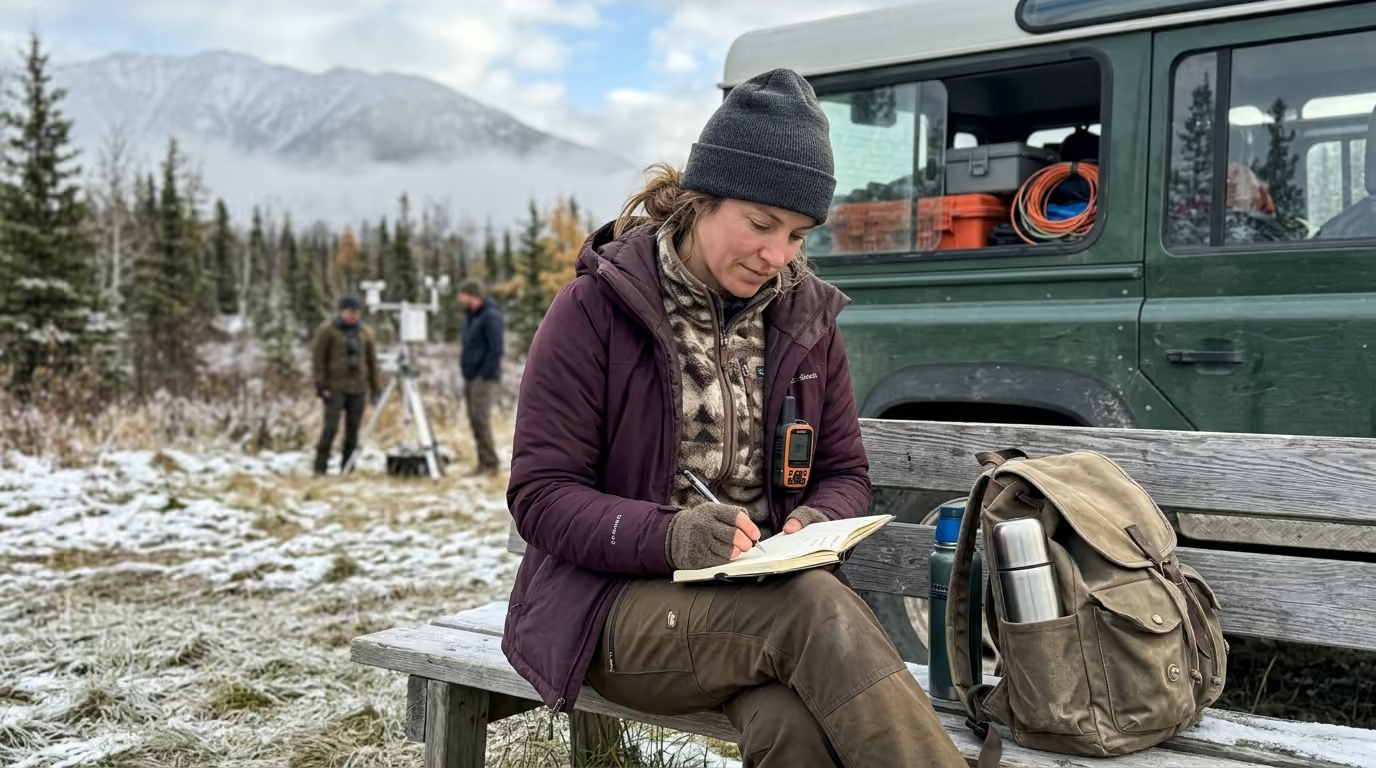

Skinning up an icy mountain ridge in sub-zero wind demands deliberate moisture control, consistent fueling, and active thermal management to keep muscles working efficiently.





Cold-weather performance is not a test of stoic endurance, nor is it simply a matter of putting on heavier garments. True cold capability is an active management system that balances metabolic heat production, environmental heat loss, peripheral blood flow, moisture transfer, fuel availability, and cognitive clarity. When you step into sub-zero air, your physiology changes immediately. Blood shifts toward the core, muscle contraction speeds decline, and breathing dry air increases fluid loss. Navigating these demands requires a structured operational routine rather than brute force.
This manual outlines the physiological principles and field practices required to maintain high physical capacity in freezing environments. Whether you are skinning up an alpine ridge, crossing a windswept plateau, or running along frozen trails, the underlying rules remain identical. You must regulate your microclimate before you begin to sweat, fuel your body before energy reserves drop, and protect peripheral blood flow before numbness sets in. By mastering these principles, active adults can sustain physical sharpness, preserve joint mechanics, and travel safely through demanding winter environments.
The central goal of cold-weather management is maintaining thermal equilibrium while executing technical physical skills. Success rests on seven core steps. First, forecast the environmental conditions, factoring in wind chill alongside ambient temperature. Second, gauge your anticipated physical work rate to anticipate sweat production. Third, defend your core temperature without compromising blood flow to your extremities. Fourth, manage moisture continuously, venting heat before sweat saturates your clothing. Fifth, consume carbohydrates and fluids on a strict schedule rather than waiting for hunger or thirst. Sixth, monitor your partners and yourself for subtle changes in speech, dexterity, or mood. Seventh, treat early numbness or sluggish coordination as urgent medical signals that require immediate adjustment.
Human heat balance relies on four physical mechanisms: conduction, convection, radiation, and evaporation. Conduction is the direct transfer of heat to cold surfaces such as snow, ice, wet rocks, or frozen equipment. Convection occurs when moving air or water sweeps away the thin boundary layer of warm air surrounding your skin. Radiation is the continuous emission of infrared heat from exposed surfaces to cold surroundings. Evaporation occurs when sweat or respiratory moisture changes into vapor, carrying substantial thermal energy away from your body. During winter travel, these four pathways constantly draw heat outward, requiring your metabolism to compensate through physical work or involuntary shivering.
Inside the muscle tissue, cooling creates significant mechanical changes. When muscle temperature drops even a few degrees, muscle fibers contract more slowly and produce less peak force. Nerve conduction velocity declines, which impairs balance, reaction time, and fine motor control. As a result, submaximal tasks such as planting a ski pole or edging on hard snow require greater muscle activation and burn more energy. Maintaining muscular output requires progressive movement patterns that sustain internal tissue warmth without creating excessive surface moisture. You can study broader conditioning principles for mountain travel within our foundational strength and physical performance resources.
The cardiovascular system manages this thermal challenge by balancing core temperature against skin temperature. Your core temperature reflects the internal heat of your brain, heart, and abdominal organs. Skin and extremity temperatures reflect local exposure and peripheral blood supply. When cold thermoreceptors detect chilling, sympathetic pathways trigger peripheral vasoconstriction. This process narrows blood vessels in the hands, feet, ears, and nose to keep warm blood centered around vital organs. However, prolonged vasoconstriction leaves extremities vulnerable to cold injury, even while your torso remains comfortable.
Cold, dry air also creates distinct challenges for the respiratory tract. When you inhale freezing air during heavy exertion, your airways must rapidly warm and humidify that air before it reaches the lungs. This continuous thermal and moisture transfer can dry out mucosal linings and trigger exercise-induced bronchoconstriction. Athletes often experience coughing, chest tightness, or reduced breathing capacity after high-output winter efforts. Wearing a breathable neck gaiter or a heat-and-moisture exchanger helps condition the air, while a progressive warm-up can trigger a protective refractory period in reactive airways.
Cognitive function is closely tied to thermal balance. Cold stress, physical fatigue, low blood glucose, and mild dehydration combine to slow mental processing and cloud decision-making. As the brain diverts energy toward thermal maintenance, complex thinking, hazard evaluation, and navigation become degraded. Individuals often fail to recognize that their judgment is slipping, leading to delayed clothing adjustments or neglected nutrition. In extreme environments, a change in personality, quiet apathy, or unusual irritation is an early physiological warning sign rather than a simple mood swing.
A functional clothing system acts as an adjustable microclimate rather than passive insulation. The traditional three-layer architecture remains the gold standard when implemented dynamically. The base layer sits against the skin with the primary goal of moisture management. It must transport sweat away from the body to keep the skin dry. Synthetic fibers and fine merino wool excel here, whereas cotton absorbs moisture and collapses its insulating structure. A damp base layer can accelerate conductive heat loss by up to twenty-five times compared to dry skin.
The mid layer provides thermal insulation by trapping dead air within its structure. Fleece, high-loft synthetic batting, and down are the most common insulating materials. Down offers the highest warmth-to-weight ratio and compresses tightly, making it ideal for dry, freezing alpine conditions. However, down loses its loft and insulating capability if it becomes wet from precipitation or heavy perspiration. Synthetic insulations retain functional loft when damp, making them better suited for high-output ascents or humid, near-freezing weather.
The outer layer, or shell, protects the insulating layers from wind, rain, and snow. By blocking wind, the shell stops convective heat loss and preserves the warm microclimate underneath. Shell garments range from highly breathable softshells for dry, high-output climbs to waterproof hardshells designed for wet snow and howling winds. Breathable membranes allow internal moisture vapor to escape, but they have physical limits during heavy physical exertion. Relying solely on fabric breathability without using mechanical vents, such as underarm zippers, will saturate your inner layers with sweat.
The most critical field skill is adjusting your layers before your thermal state changes. The standard rule for winter travel is to begin physical movement feeling slightly cool. Within ten minutes of active movement, metabolic heat will warm your clothing system to a comfortable level. If you start your ascent wearing heavy insulation, you will begin sweating within minutes, compromising your clothing for the rest of the day. As soon as you stop for a break, transition your gear, or reach an exposed ridge, immediately put on a heavy outer layer before you cool down.
Extremity protection requires careful management of fit and materials. Hands and feet have high surface area relative to their volume, making them prone to rapid heat loss. Tight boots or restrictive gloves compress blood vessels and reduce blood flow, speeding up numbness and tissue freezing. Choose boots with sufficient room to wiggle your toes while wearing appropriate wool socks. Use a modular hand system consisting of lightweight liner gloves for dexterity, insulated gloves for moderate tasks, and windproof outer mittens for extreme exposure.
Head, neck, and face protection prevent substantial heat loss and shield vulnerable skin from frostbite. Uncovered skin on the cheeks, nose, and ears cools rapidly when exposed to headwind. A versatile headwear setup includes a low-profile beanie that fits under a helmet, a balaclava or neck gaiter, and high-coverage goggles. Goggles should seat cleanly against your helmet or hat to eliminate exposed skin gaps. Always carry a dry spare beanie and extra gloves in a waterproof bag inside your pack.
Sustaining high physical output in the cold requires significantly more energy than identical efforts in mild weather. Your metabolism must fuel muscular contractions while supporting thermogenesis and involuntary shivering. Shivering relies primarily on muscle glycogen, which rapidly depletes stored carbohydrates. If blood glucose drops, shivering efficiency declines and physical performance drops sharply. Maintaining continuous fuel intake is a critical defensive measure against systemic hypothermia.
During prolonged, continuous cold-weather exertion, target 30 to 60 grams of carbohydrate per hour. This intake maintains stable blood glucose levels and preserves muscle glycogen for technical maneuvers. Select foods that remain chewable at sub-zero temperatures. High-fat bars, dense nut butters, and certain energy chews freeze solid in cold packs, creating dental hazards and discouraging consistent eating. Opt for carbohydrate drink mixes, soft fruit purées, dried fruits, savory pastries, or bite-sized snacks stored in inside pockets close to body heat.
Hydration is frequently neglected during winter travel because cold air blunts the body's natural thirst sensation. However, fluid losses remain high through heavy breathing in dry air and sweating under insulated layers. Cold-induced diuresis also prompts the kidneys to produce more urine as vasoconstriction elevates central blood pressure. Aim to consume approximately 0.4 to 0.8 liters of fluid per hour of intense activity, adjusting for body size, workload, and ambient humidity. Drinking cold water lowers internal temperature, so carrying warm liquids in insulated flasks is both a thermal and physiological advantage.
Preventing hydration systems from freezing requires specific gear routines. Standard hydration bladders with exposed hoses freeze rapidly in sub-zero winds, even when wrapped in neoprene sleeves. Wide-mouth insulated bottles are the most reliable option for cold expeditions. Store your bottles upside down inside your backpack or insulated sleeves. Because ice forms from the top down, keeping the container inverted ensures the cap remains free of ice when you open it.
Electrolyte balance is just as important in the winter as it is in the heat. Sweating under heavy layers removes essential sodium, potassium, and magnesium. Consuming large volumes of un-supplemented snowmelt water without electrolytes can dilute blood sodium, leading to hyponatremia, muscle cramps, and cognitive confusion. Mix electrolytes and carbohydrates into your warm fluids to support rapid fluid absorption and sustained physical drive. For deeper insights into managing systemic energy demands across variable climates, review our guide to endurance nutrition and metabolism.
Different winter pursuits present distinct combinations of metabolic heat output, static exposure, and wind resistance. Ski touring alternates between sustained, high-output climbs and rapid, wind-chilled descents. During the skin track ascent, strip down to a thin base layer or light wind shirt to avoid sweating. When you reach the summit or ridge transition, put on a thick synthetic or down jacket before stepping out of your bindings. Keep transition times under three minutes to prevent your body temperature from dropping before the descent.
Alpine and ice climbing introduce prolonged, stationary periods at belay stations directly after intense physical pitches. While climbing, exertion is high and requires maximum finger dexterity and visual focus. At the belay, physical movement drops to zero while convective heat loss from wind increases. Climbers rely on a dedicated belay jacket, which is an oversized, heavily insulated park layer worn directly over all other clothing, including the harness. Belay jackets should have two-way front zippers to allow quick access to belay devices while keeping the torso fully covered.
Winter trail running involves continuous, high-output movement with minimal equipment carried on the body. The primary risk is not starting too cold, but accumulating sweat and then suffering an unexpected stop due to injury, exhaustion, or route-finding delays. Runners must carry a lightweight, windproof emergency shell, a spare pair of dry gloves, a thermal hat, and a compact space blanket. Choose breathable softshell running tights and wind-blocking gloves that protect your fingers without trapping sweat inside the palms. Establish a strict turn-around time based on daylight and temperature drops.
Polar expeditions and multiday winter treks represent the extreme end of the environmental spectrum. Here, equipment redundancy and moisture management dictate long-term safety. In sustained deep freezes, moisture from sweat and respiration can freeze inside the insulation of sleeping bags, causing them to lose loft over several days. Expedition travelers use vapor barrier liners next to the skin or inside sleeping bags to stop moisture from entering the insulation. Routine maintenance includes brushing frost off tents, drying boot liners each evening, and regularly inspecting team members for cold injuries.
Cross-country skiing and snowshoeing require balanced pacing to avoid early exhaustion. These aerobic activities engage large muscle groups and generate massive internal heat. Beginners often dress too warmly, soak their garments, and then become dangerously cold during flat rest sections or downhill glides. Use zippered ventilation along the thighs and chest, and wear wind-blocking briefs or pants to protect pelvic blood flow from cold headwinds. Dynamic pacing keeps heart rates within a steady zone, preventing the heavy breathing that accelerates respiratory dehydration.
Cold-weather injuries fall into two categories: localized freezing or nonfreezing tissue injuries, and systemic drops in core temperature. Frostnip is the mildest, fully reversible cold injury. It affects superficial skin layers and presents as localized numbness, blanching, and cold skin, without structural freezing. Rewarming frostnip by placing a warm, bare hand over the area or tucking fingers into an armpit restores normal color and sensation without permanent tissue loss.
Frostbite involves the actual freezing of skin and underlying tissue fluids. As ice crystals form in the extracellular space, cells dehydrate, cell membranes tear, and microvascular blood flow stops. Superficial frostbite affects the skin and subcutaneous tissue, presenting as white or waxy skin that feels firm on the surface but remains soft and pliable underneath. Deep frostbite extends into deep fascia, muscle, tendon, and bone. Deeply frozen tissue feels hard, wooden, and completely immobile, with total loss of sensation.
Wind chill accelerates tissue freezing by removing the insulating air layer next to exposed skin. Data from Environment and Climate Change Canada shows that frostbite risk rises sharply when wind chill values drop below minus 27 degrees Celsius. At wind chills between minus 28 and minus 39 degrees Celsius, exposed skin can freeze in 10 to 30 minutes. When wind chill reaches minus 40 degrees Celsius, tissue freezing can occur in under 10 minutes. Monitoring local wind chill and covering all exposed skin is essential when operating in open mountain terrain.
Nonfreezing cold injuries, such as trench foot or immersion foot, occur when tissue is exposed to wet, cold conditions above freezing for extended periods. Wet socks, sweaty boot liners, and tight footwear constrict circulation and cause neurovascular damage over hours or days. The affected foot becomes swollen, numb, pale, and intensely painful during rewarming. Prevention requires keeping feet clean and dry, changing socks daily, and loosening boots during breaks to allow blood flow.
Field management of frostbite follows clear medical rules. If tissue is frozen, never rub the area or apply snow, as ice crystals will tear delicate cellular structures. Do not attempt to thaw a frozen foot or hand in the field if there is any chance the tissue might refreeze before reaching hospital care. Walking on a thawed, refrozen foot causes catastrophic tissue loss, whereas walking on a frozen foot to reach shelter is sometimes necessary for survival. If you have reached a safe, heated shelter and definitive medical transport is hours away, rapidly rewarm the frozen part in clean water maintained strictly between 37 and 39 degrees Celsius for about 30 minutes until the tissue softens.
Hypothermia is a progressive systemic drop in core body temperature below 35 degrees Celsius. Wilderness Medical Society guidelines classify hypothermia into three clinical stages:
Field treatment for an alert, mildly hypothermic traveler focuses on stopping heat loss and providing calories. Remove wet clothing immediately and place the person in a dry sleeping bag insulated from the snow with thick foam pads. Provide warm, high-carbohydrate drinks and easily digestible foods only if they are alert, sitting upright, and able to swallow safely. For moderate to severe cases, handle the patient gently, keep them horizontal, apply active external heat packs to the armpits and chest, and arrange immediate emergency medical evacuation.
A dangerous assumption in winter sports is that sweating heavily proves you are warm and safe. Sweating during cold-weather movement is actually an operational error. Heavy perspiration saturates base layers, collapses clothing insulation, and creates massive evaporative cooling the moment your pace slows. Experienced mountain travelers constantly adjust zippers, roll up sleeves, or remove hats to stay cool and dry while moving. Keep your internal thermostat stable rather than fluctuating between overheating and shivering.
Another widespread myth is that physical exercise alone will prevent frostbite. While active exercise elevates cardiac output and core temperature, it does not guarantee adequate peripheral blood flow to your fingers and toes. If your boots are too tight, your gloves are wet, or wind chill is stripping surface heat, extremity tissue can freeze while your heart rate is high. Relying solely on movement for thermal protection leads to exhaustion, at which point core heat production collapses and frostbite accelerates.
Many people believe that feeling pain in the fingers or toes means frostbite is actively occurring. In reality, severe pain is typical of cold-induced vasoconstriction and normal rewarming. The true clinical danger sign is the sudden disappearance of pain, replaced by total numbness and a wooden sensation. When an extremity goes numb and loses fine touch sensation, tissue freezing may already be underway. Treat numbness as an immediate signal to stop, find shelter, and inspect the skin.
Rubbing frozen skin with snow or massaging cold hands is an old myth that causes severe mechanical damage. Frozen tissues contain sharp microscopic ice crystals that lacerate surrounding cell membranes when rubbed. Similarly, holding numb hands directly over an open camp stove or fire can cause severe burns because desensitized nerves cannot detect dangerous surface heat. Rewarming must always be controlled, gentle, and protected from direct flame.
Alcohol is frequently viewed as a traditional winter warmer, but its physiological effects are counterproductive. Alcohol induces peripheral vasodilation, sending warm core blood to the surface of the skin. This creates a temporary sensation of warmth while rapidly dumping core heat to the cold environment. Furthermore, alcohol blunts shivering responses, impairs physical coordination, and degrades the cognitive judgment needed to manage winter hazards. Keep all alcohol consumption strictly for warm indoor environments after the expedition is complete.
A hot drink is often treated as a primary cure for hypothermia, but its heat contribution is biologically minor. A mug of hot water provides very few physical calories to raise core temperature. The true value of a drink lies in its dissolved carbohydrate content, which fuels metabolic heat production through shivering and cellular metabolism. Providing a warm, sugary electrolyte beverage helps an alert patient generate their own heat from within.
Starting an intense physical activity with cold muscles increases the risk of muscle strains, joint stiffness, and connective tissue injuries. Cold synovial fluid inside the joints is more viscous, creating resistance to smooth movement. A structured, progressive warm-up raises intramuscular temperature, improves neuromuscular firing rates, and prepares the cardiovascular system without causing heavy sweating.
Execute your warm-up indoors or inside a wind-protected shelter whenever possible. Spend 10 to 15 minutes moving through progressive dynamic exercises that target large muscle groups. Begin with low-intensity multi-joint movements such as bodyweight squats, walking lunges, torso rotations, and arm circles. Progress gradually to activity-specific movement drills, such as high knees, lateral bounds, and light ankle mobility work. For athletes prone to cold-induced airway constriction, this moderate 10 to 15 minute effort helps induce a protective refractory period that minimizes breathing difficulties during the main session.
Time your clothing changes to align with the final minutes of your warm-up. Keep your heavy outer layers on during the initial indoor mobility movements to trap warmth quickly. Just before stepping outside into the cold environment, remove your heavy insulating layer and step into your breathable shell or active mid layer. Begin the first five to ten minutes of outdoor travel at an easy, conversational pace. This allows your cardiovascular system and microclimate to equilibrate naturally before you increase your workload.
Implement a structured buddy-check protocol every time your team stops or transitions. Cold stress and mental fatigue often blind individuals to their own declining condition. At every break, run through a standardized mutual check:
High altitude amplifies every physiological challenge of cold weather. As barometric pressure falls, the partial pressure of oxygen decreases, leading to systemic hypoxia. Hypoxia limits your body's maximum work capacity, slowing metabolic heat production. Furthermore, hypoxia impairs cognitive performance, sleep quality, and peripheral circulation, raising the risk of both hypothermia and frostbite. Wilderness Medical Society guidelines recommend considering supplemental oxygen at extreme altitudes above 7,500 meters partly to maintain peripheral blood flow and prevent severe cold injuries.
Separating cold-related symptoms from high-altitude illness requires close attention. Acute mountain sickness presents with headache, fatigue, nausea, and dizziness. Severe hypothermia presents with confusion, slurred speech, and ataxia. Because these symptoms overlap, field leaders must evaluate environmental exposure alongside elevation gain. Never assume an uncoordinated climber is simply tired or altitude-sick when they may also be hypothermic.
Sleep systems on extended winter expeditions require careful planning. When you lie on frozen ground or snow, conductive heat loss through the floor can exceed convective heat loss to the surrounding air. An insulated sleeping pad with an appropriate thermal resistance rating is essential. Combine a closed-cell foam pad next to the snow with an insulated inflatable pad on top to block conductive cooling. Keep your head warm with a dedicated dry beanie, and place warm water bottles inside the foot of your sleeping bag to maintain foot perfusion throughout the night.
Proper post-exercise recovery is essential for multi-day performance. As soon as you set up camp or finish your daily push, change out of damp base layers immediately. Put on dry, loose-fitting thermal layers and insulated footwear to allow unrestricted blood flow. Consume a recovery meal containing carbohydrates and high-quality protein to support muscle repair and restore glycogen stores before sleep. For comprehensive post-exertion recovery protocols across demanding travel itineraries, consult our guide to recovery and sleep strategies.
Expedition success over weeks of cold exposure depends on daily equipment maintenance. Frost from breath must be swept out of the tent before it melts onto sleeping bags. Boot liners must be removed and placed inside the sleeping bag to prevent them from freezing solid overnight. Zippers, stove pumps, and binding mechanisms must be cleared of snow and ice before evening temperatures drop. By establishing structured daily routines, travelers can stay safe, healthy, and physically capable across remote, cold landscapes.
Achieving sustained performance in freezing environments is an active, calculated practice. Maintaining peak physical capacity across winter disciplines rests on five core principles:
First, control moisture aggressively. Perspiration is a serious thermal hazard in freezing weather. Vent layers, adjust your pace, and change out of damp garments before sweat compromises your insulation.
Second, protect peripheral blood flow. Keep your core warm, avoid restrictive footwear and gloves, and inspect your hands, feet, and face for numbness regularly.
Third, maintain consistent fueling and hydration. Target 30 to 60 grams of carbohydrates per hour and drink warm, electrolyte-rich fluids on a schedule, even when cold blunts your appetite and thirst.
Fourth, adjust clothing systems continuously. Layering is a dynamic control process. Put on insulation before you stop, and strip down to active layers before you begin climbing.
Fifth, treat behavioral changes as physiological warnings. Confusion, apathy, slurred speech, and clumsiness indicate cold stress or dropping blood glucose. Stop, seek shelter, rewarm, and fuel immediately.
By applying these evidence-based principles, you can take on challenging winter environments with confidence. Cold-weather travel demands respect, planning, and self-awareness, allowing you to sustain your athletic capacity, protect your health, and travel through remote winter landscapes safely.
Stop physical activity and find shelter from the wind immediately. Place your bare hands directly against warm skin on your body, such as inside your armpits, against your abdomen, or along your neck. Do not rub your fingers together or hold them over an open flame. Once feeling and color return, put on a dry pair of windproof mittens and adjust your core insulation to ensure warm blood flows freely to your extremities.
Use wide-mouth, vacuum-insulated stainless steel flasks or insulated bottle parkas rather than exposed hydration bladders. Fill your bottles with hot water or warm electrolyte mixes before leaving shelter. Carry your bottles inverted inside your backpack so that any surface ice forms at the base of the bottle rather than freezing the cap shut. Keep a compact, backup thermal flask stored close to your body inside your outer jacket.
You should avoid placing chemical warmers inside tight boots. Chemical warmers require oxygen to generate heat, and the confined space inside a boot often starves them of air. More importantly, adding a warmer into a fitted boot compresses the top of the foot, restricting blood flow and accelerating cold injury. Use properly fitted boots, quality wool socks, and windproof outer overboots instead of cramming warmers inside footwear.
Normal shivering is a temporary, controllable reaction to minor cold that stops when you put on a jacket or start moving vigorously. Mild hypothermia features intense, continuous shivering accompanied by minor physical clumsiness, apathy, and slowed thinking. In moderate hypothermia, shivering becomes violent and then stops entirely, while confusion, slurred speech, and loss of balance take over. If shivering is accompanied by mental sluggishness or poor coordination, treat it as a medical priority immediately.
Stay connected for research and practical guidance on longevity, strength, recovery, energy and active living. New ideas to help you stay capable, curious and ready for more.


Explore practical guidance on strength, recovery, energy, travel and longevity for a life that stays active.
explore the Blog