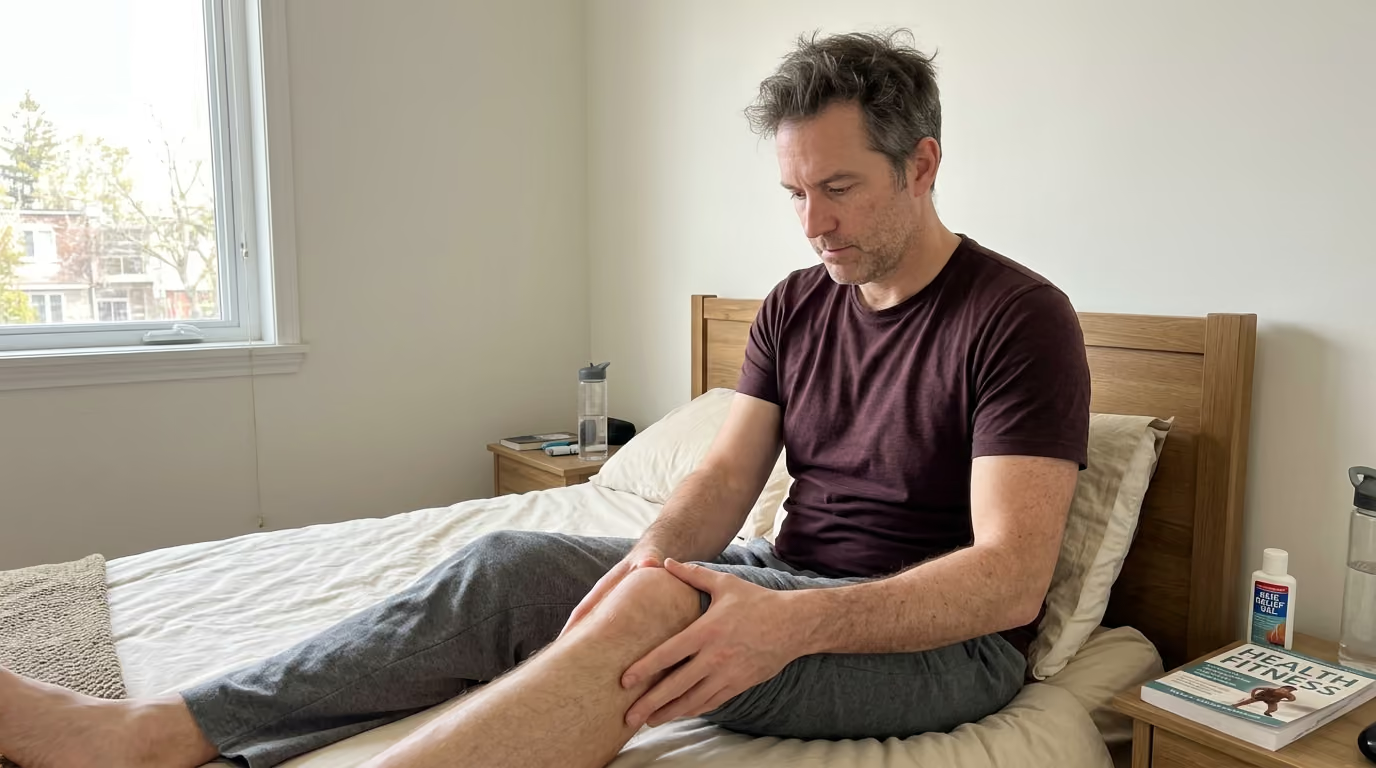

Six practical active recovery modalities help adults over 40 relieve muscle soreness, protect aging joints, and optimize restorative rest between workouts.





Most modern training advice treats sitting still as a failure of discipline. Active adults are frequently told that every rest day requires structured movement to clear waste products, restore tissue, and maintain momentum. Yet for adults over 40, turning every non-training day into an active session often prolongs fatigue rather than relieving it.
Light movement can support circulation, maintain joint range of motion, and settle the nervous system after hard exertion. However, active recovery only succeeds when its mechanical and metabolic cost remains exceptionally low. If a light session adds fresh joint strain or depletes energy stores, it ceases to be restorative and becomes extra training.
Understanding which methods genuinely assist recovery requires examining the physiological differences between walking, mobility work, cycling, swimming, breathwork, and yoga. It also requires recognizing when total rest is the superior choice.
This guide compares these modalities to help you choose the right recovery tool based on your preceding workouts, joint health, and daily schedule.
Active recovery refers to low-intensity movement performed between strenuous sessions to encourage circulation and ease stiffness without introducing new fatigue. The central goal is preserving physical readiness while allowing the muscular, nervous, and connective tissue systems to rebuild.
The most important distinction in post-exercise management is not simply choosing between movement and rest. It is ensuring that the overall physiological cost of the activity remains low enough to permit deep biological repair.
When you complete a challenging workout, your body experiences multiple forms of fatigue. Delayed-onset muscle soreness, or DOMS, represents micro-damage to muscle fibers along with localized inflammation, which is common after unfamiliar movements or heavy eccentric loading.
At the same time, your central nervous system may experience decreased motor drive. Your energy systems also require time to restore glycogen and clear metabolic byproducts.
Research examining recovery methods after high-intensity training shows that light exercise and complete passive rest often produce comparable physiological outcomes. Active recovery does not magically accelerate muscular repair compared to quiet rest.
Instead, its primary value lies in subjective comfort, gentle joint lubrication, psychological down-regulation, and the maintenance of daily activity habits. You can learn more about building sustainable routines through practical recovery and regeneration strategies.
For adults over 40, recovery management must account for joint tolerance, sleep quality, occupational stress, and cumulative training load. Connective tissues adapt and heal more slowly than muscular tissue.
If an active recovery session creates additional impact or joint friction, it impedes progress. Recovery should always leave you feeling refreshed or unchanged, never drained or depleted.
Different forms of movement place distinct demands on your cardiovascular, muscular, and skeletal systems. Selecting the right method requires understanding the unique benefits and limitations of each modality.
Walking serves as the most accessible recovery tool for active adults. It requires no specialized equipment, allows immediate pace adjustments, and provides gentle, rhythmic circulation throughout the lower body.
A flat, conversational walk encourages venous blood return without creating substantial eccentric muscle damage. It is particularly effective after heavy upper-body strength sessions, demanding mental workdays, or moderate total-body resistance workouts.
Walking also helps break up prolonged sedentary time, which public health guidelines identify as vital for long-term health. Incorporating daily light walking supports the broad aerobic targets recommended by the World Health Organization without compromising energy reserves.
However, walking can easily become counterproductive if you walk on steep inclines or walk for too long after exhausting leg workouts. If your gait changes due to extreme soreness, walking will reinforce compensatory movement patterns and irritate the knees or hips.
To keep walking restorative, limit sessions to 15 to 30 minutes on flat, predictable terrain. Keep your pace strictly conversational, where speaking full sentences requires no gasping or pauses.
Mobility training involves taking joints actively through their comfortable, available range of motion. Unlike static stretching, mobility work emphasizes controlled dynamic movements such as hip rotations, thoracic spine openers, ankle rocks, and unloaded bodyweight hinges.
This modality is ideal after prolonged sitting, extensive air travel, or strength workouts that leave you feeling tight and guarded. Gentle mobility drills improve synovial fluid distribution within joints and reduce protective muscular tension.
They also serve as an effective daily screen to assess joint symmetry and readiness before your next demanding training session.
Despite its benefits, mobility work will backfire if you attempt to force range of motion. Aggressive end-range stretching on inflamed or micro-damaged muscle fibers can increase tissue irritation.
Systematic reviews on post-exercise stretching show that prolonged static stretching does not meaningfully reduce muscle soreness or restore force production. Keep mobility sessions short, fluid, and pain-free, focusing on ease of motion rather than extreme flexibility.
Low-resistance indoor or flat-road cycling provides rhythmic, non-impact lower-body movement. Because cycling eliminates ground impact forces, it is often easier on sensitive knees, ankles, and feet than walking or jogging.
A study comparing moderate-intensity cycling and running after exercise-induced muscle damage showed that cycling produced superior recovery outcomes. The lack of an eccentric landing phase makes cycling an excellent choice following high-impact activities like running, jumping, or court sports.
It is equally effective after upper-body lifting sessions, because it circulates blood through the legs while sparing the shoulders and upper back.
The primary risk with cycling is unintentional intensity creep. Active adults frequently add too much magnetic resistance, climb hills, or push their cadence, turning a recovery spin into a secondary cardiovascular workout.
To use cycling effectively for regeneration, keep resistance minimal and maintain a relaxed, fluid cadence between 75 and 85 revolutions per minute. Limit the session to 15 to 25 minutes, keeping breathing easy throughout.
Water provides natural buoyancy that unloads body weight, reducing compressive stress on the spine, hips, and knees. Water pressure also assists peripheral circulation, making aquatic movement soothing for achy joints.
Gentle swimming, shallow-water walking, and submerged mobility exercises suit individuals managing osteoarthritis or recovering from demanding land-based endurance sessions. Aquatic movement was highlighted in systematic reviews as an effective active recovery modality for reducing soreness.
It allows you to move your entire body through broad planes of motion without mechanical impact.
However, conventional lap swimming can be deceptively demanding. Swimming requires continuous breathing control, high core engagement, and significant rotational stress on the shoulders.
If you have shoulder impingement or limited swimming technique, a standard swim workout will add substantial muscular fatigue. To keep aquatic sessions restorative, stick to gentle breaststroke, relaxed backstroke, or simple pool walking rather than aggressive interval sets.
Breathwork uses deliberate, slow breathing patterns to modulate autonomic nervous system activity. Techniques like extended exhalations, box breathing, and diaphragmatic nasal breathing encourage a shift toward parasympathetic tone.
This method requires zero mechanical energy, making it suitable when you are physically exhausted, sleep-deprived, or overstimulated. A systematic review evaluating single sessions of breathwork and meditation found that over 70 percent of studies showed reductions in acute physiological stress markers.
Breathwork supports recovery by lowering resting heart rate, relaxing skeletal muscle tone, and preparing the brain for restorative sleep. Integrating deep breathing into structured recovery and sleep habits creates an optimal environment for systemic repair.
Breathwork cannot repair structural tissue damage on its own, but it removes systemic stress barriers that delay recovery. A simple five- to ten-minute practice lying on your back with your legs elevated can settle your system after an intense workout.
Restorative yoga relies on supported postures, long holds using bolsters or pillows, and relaxed diaphragmatic breathing. It differs fundamentally from power yoga, hot yoga, or fast vinyasa flows, which represent demanding training sessions.
This practice is ideal after mentally taxing days, travel, or moderate cardiovascular workouts. Supported poses gently open the hips, spine, and chest without requiring muscular stabilization.
Research indicates that gentle yoga practices can improve subjective feelings of relaxation and decrease circulating stress hormones.
The danger arises when practitioners confuse athletic yoga with restorative recovery. Holding deep, unsupported poses or pushing into sharp joint sensations creates additional tissue strain.
Keep your yoga practice entirely passive on recovery days. Use props to support your body completely so that your muscles can relax without active effort.
The effectiveness of any recovery session depends directly on what you did in the previous workout. A recovery method must offset the specific stress of the prior session rather than duplicating it.
Heavy squats, lunges, and deadlifts cause substantial mechanical tension, eccentric muscle damage, and joint loading throughout the hips, knees, and spine. Your nervous system is also heavily taxed.
The best recovery approach is 10 to 20 minutes of flat, easy walking, very light spin cycling, or gentle breathwork. These options maintain lower-body circulation without adding mechanical damage.
Avoid hill walking, high-resistance cycling, deep loaded stretches, or vigorous yoga flows. If your legs feel heavy and your gait is compromised, choose complete passive rest over forced movement to support progressive strength and physical performance.
Demanding presses, rows, and overhead work generate local fatigue in the shoulders, arms, chest, and upper back, while leaving your legs fresh.
In this scenario, a 20- to 30-minute conversational outdoor walk or an easy spin on an upright bike is ideal. These activities elevate total-body circulation without placing demands on your tired upper-body musculature.
Avoid lap swimming, rowing machines, or yoga postures that require significant upper-body weight-bearing, such as planks and downward dogs. These movements will re-stress your recovering shoulder girdles.
Running, trail jogging, and court sports create repetitive ground impact forces that stress tendons, bones, and lower-leg muscles.
The ideal recovery choice is non-impact movement. An easy spin on an indoor bike, pool walking, or gentle aquatic movement allows your lower limbs to move rhythmically without joint impact.
Avoid long walks on hard pavement, additional jogging, or aggressive calf stretching. Give your connective tissues and joints time to settle without repetitive shock.
Sustained cycling or rowing produces significant metabolic fatigue and local muscular tightness, often accompanied by long periods of seated spinal flexion.
The best recovery intervention is gentle mobility work focused on hip extension and thoracic spine rotation, combined with an easy, upright walk. Walking opens the hip flexors and extends the spine, counteracting the hunched riding position.
Avoid additional cycling, even at low intensity. Repeating identical movement patterns prolongs repetitive-strain risks and delays local muscular recovery.
When professional demands, emotional stress, or fragmented sleep drain your energy, your systemic reserve is compromised even without physical training.
In this state, breathwork, passive restorative yoga, and quiet outdoor walking in nature are your most effective tools. These methods lower sympathetic nervous system drive and reduce systemic inflammation without demanding physical output.
Avoid using intense exercise to blow off steam when exhausted. Forcing your body through hard intervals during periods of high stress increases injury risk and deepens chronic fatigue.
Misinformation surrounding recovery often leads active adults to adopt habits that hinder progress. Clarifying these points ensures your efforts support genuine restoration.
Many dedicated adults believe that taking a full day off is unproductive. However, controlled studies comparing low-intensity active recovery to complete passive rest after demanding functional training demonstrate broadly similar recovery rates.
When your muscles are severely damaged or your central nervous system is fatigued, complete rest is often more effective than active movement. Active recovery should only be used when it improves comfort and energy, not out of a fear of resting.
A persistent belief in fitness culture is that static stretching after exercise prevents or cures delayed-onset muscle soreness. Large-scale systematic reviews and meta-analyses show that post-exercise stretching has no significant effect on muscle soreness at 24, 48, or 72 hours.
Stretching also does not accelerate the return of muscle strength. While gentle stretching can feel pleasant and maintain normal joint range, it should not be viewed as a tool for repairing muscle damage.
Many people still believe that next-day muscle soreness is caused by lactic acid trapped in the tissues. In reality, lactate is cleared from your blood and muscles within minutes to an hour following exercise.
Delayed-onset soreness is caused by microscopic structural disruptions in muscle fibers and the subsequent localized inflammatory response. Active recovery helps by stimulating blood flow and modulating pain pathways, not by clearing non-existent lactic acid pools.
Some individuals feel that an active recovery session is only worthwhile if it elevates their heart rate and produces sweat. This mindset turns a restorative session into an extra aerobic workout.
Sweating and elevated heart rates indicate that your body is generating metabolic heat and working under stress. True recovery movement should feel remarkably easy, requiring no struggle and producing minimal sweat.
Yoga studios offer many styles, but vigorous flows, heated rooms, and challenging balance postures are demanding workouts. They place substantial loads on your nervous system, joints, and muscular stabilizers.
Treating a 60-minute power yoga class as active recovery after a hard week of training often leads to overuse injuries. If you use yoga for recovery, select gentle restorative formats that utilize extensive floor support and zero strenuous holds.
Recovery methods should follow the principle of the minimal effective dose. Your goal is to apply the smallest amount of movement necessary to achieve circulation and mobility benefits, without adding fatigue.
To regulate intensity accurately, use three simple practical tools:
Monitoring your physiological status during recovery ensures you stay within safe parameters. Use this practical stoplight system to govern your sessions:
When yellow signs appear, shorten your duration, drop your resistance, or stop the session entirely.
Authoritative medical guidelines from organizations like National Jewish Health emphasize that symptoms such as chest discomfort, dizziness, or abnormal breathlessness require immediate cessation and clinical evaluation. Never try to push through concerning systemic symptoms under the guise of active recovery.
For daily practice, start with 10 to 20 minutes of your chosen method. Assess how your body responds later that afternoon and the following morning. If you wake up with renewed vigor and comfortable joints, your dose was appropriate.
Frequent travel, long-haul flights, and demanding outdoor adventures create unique recovery challenges for adults over 40. Sitting in cramped airplane seats or driving long distances leads to stagnant circulation, spinal stiffness, and hip tightness.
When arriving at your destination, an intentional active recovery protocol helps reset your body and combat travel fatigue. A brisk 20-minute walk outside in natural sunlight stimulates lower-body venous return and helps synchronize your circadian rhythm to the local time zone.
Following your walk with five minutes of hip mobility and gentle thoracic spine rotations will ease the postural tension of prolonged transit. You can discover more strategies for staying resilient on the road within active travel and mountain adventure resources.
For ski trips, alpine hiking, or multi-day cycling tours, managing recovery between consecutive days of activity is essential. After a demanding day on the mountain, your legs have absorbed hours of eccentric loading and cold exposure.
Instead of sitting immediately in a lounge chair for the evening, spend ten minutes in a heated hotel pool performing gentle water walking and relaxed leg swings. The hydrostatic pressure of the water eases lower-limb swelling, while buoyancy relieves spinal compression.
Complement this with five minutes of slow, nasal breathwork before dinner to shift your body out of an elevated adrenaline state and prepare your digestive system for nutrient absorption. These simple steps ensure your joints and muscles stay supple for the next day of adventure.
Public health organizations, including the World Health Organization, the U.S. Department of Health and Human Services, and the UK National Health Service, provide clear baseline recommendations for adults over 40.
These guidelines emphasize accumulating 150 to 300 minutes of moderate aerobic activity weekly, alongside muscle-strengthening exercises on two or more days. They also strongly advocate for multicomponent physical activity that incorporates balance training and flexibility work to sustain physical independence and support long-term healthy aging and living well.
Active recovery sessions can contribute toward your weekly moderate aerobic totals, provided the intensity remains within safe, conversational boundaries. However, scientific literature emphasizes several key nuances regarding recovery modalities:
Exercise science confirms that recovery is a multifactorial process. It encompasses cellular repair, autonomic balance, sleep quality, and tissue tolerance.
Active recovery is a valuable tool within this broader framework, but it is not a cure-all. Using it purposefully, moderately, and selectively ensures you remain strong, mobile, and capable across every decade of life.
When applied with precision and restraint, active recovery keeps your joints supple, settles your nervous system, and preserves the physical freedom to pursue your favorite sports and adventures.
Stay connected for research and practical guidance on longevity, strength, recovery, energy and active living. New ideas to help you stay capable, curious and ready for more.


Explore practical guidance on strength, recovery, energy, travel and longevity for a life that stays active.
explore the Blog