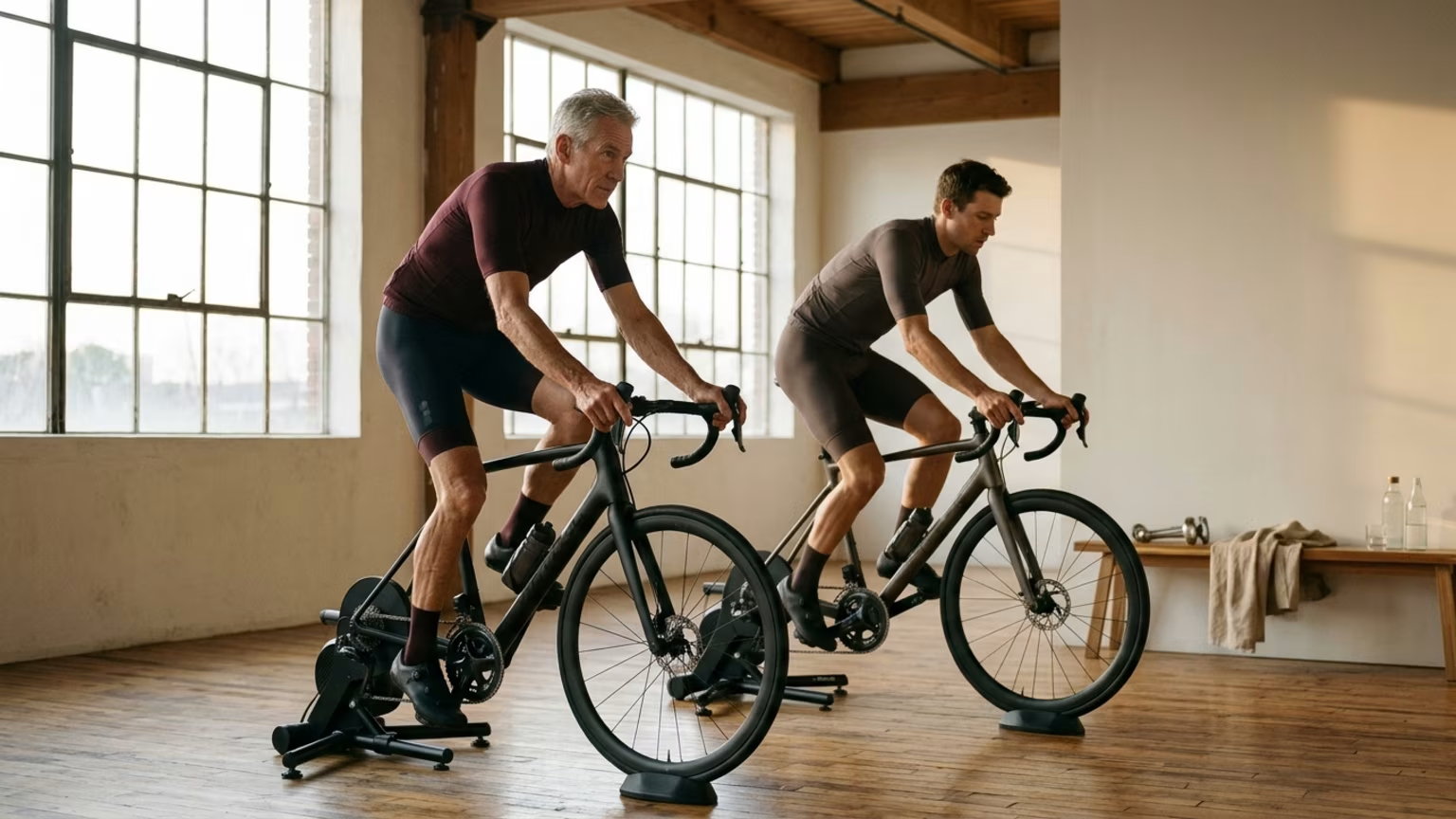
A new sports-nutrition report puts hydration, carbohydrates and timing ahead of branding, with practical lessons for hiking, skiing and active travel.





On November 21, 2026, an Irish Times report put hydration, carbohydrates and timing at the centre of exercise fueling. For anyone who wants to keep hiking, skiing and travelling independently after 40, its message offers a useful starting point: match food and fluids to the activity rather than the branding.
Writing for the newspaper, Muireann Duffy drew on advice from registered dietitian Orla Walsh, a former head performance dietitian with Athletics Ireland. Walsh’s approach makes room for ordinary foods while keeping attention on the demands of the session. The useful question is not which snack has the strongest sporting reputation. It is whether you need additional fuel and whether that choice suits the moment.
Walsh identifies hydration, carbohydrates and timing as the three pillars of exercise fueling. Her explanation starts with a straightforward biological point: the body uses carbohydrates as fuel during sustained exercise. She therefore recommends giving carbohydrates a prominent place in meals before and after training or a match.
Timing changes the food decision. According to Walsh’s reported guidance, foods high in fibre, fat or protein immediately before exercise may slow digestion or cause discomfort for some people. That does not make those foods unsuitable for everyday eating. It means a meal’s role in the wider diet differs from its usefulness immediately before activity.
This distinction helps explain why a familiar carbohydrate-rich snack can have a place in sports nutrition. The article names low-fibre cereal, fruit juice and cereal bars as possible pre-exercise options. Their relevance comes from what they provide and when they are eaten. A sports label is not the deciding factor.
Keep the everyday nutrition question separate from the immediate fueling question. Our guide to fitting protein into an active life addresses the former. Walsh’s comments here concern how food choices fit around exercise, not a reason to reorganize every meal around the contents of a training snack.
The Irish Times piece is a short report built around one dietitian’s guidance. It is not a clinical guideline or a trial comparing foods and sports products. It provides no findings specific to adults over 40 and does not establish that ordinary foods outperform specialized products. Nor does it test travel recovery or altitude adjustment.
Walsh’s hydration suggestions are practitioner recommendations rather than a universal medical assessment. Her fueling advice also depends on the session and the person’s prior intake. Where a medical condition or individual dietary requirement affects food and fluid decisions, a qualified clinician or registered dietitian is the appropriate source of personal advice.
With that scope clear, the practical application is straightforward: use the planned activity as the starting point for food decisions.
Walsh says most people probably do not need food during exercise lasting under an hour. That is a point about additional exercise fuel. It is not a reason to skip normal meals or disregard hydration.
For longer activity, her advice becomes more conditional. Even during exercise lasting 60-90 minutes, the benefit of additional carbohydrate depends on circumstances, including whether the person ate beforehand. The clock alone does not settle the decision.
The American Academy of Orthopaedic Surgeons makes a related distinction in its sports-nutrition guidance. It describes carbohydrates as a major fuel source and notes a role for carbohydrate-containing drinks during longer events. For shorter sessions, its guidance favours cool water.
For planning purposes, ask about the session before choosing the snack. How long will you be active? What will you have eaten beforehand? What has suited you during similar activity? Those questions keep the decision connected to the exercise rather than to a fixed rule that every workout requires a gel or sports drink.
This also avoids turning one successful fueling choice into a permanent requirement. A snack that fits a longer outing does not automatically belong in every shorter session.
The practical action is to review the outing before packing its food. A short session and a sustained day outdoors present different planning questions. Walsh’s advice supports considering duration and prior meals together rather than treating either as the whole answer.
For a hike or ski day, apply that thinking to the parts of the day when you expect to be active. Consider what you will eat before setting out and whether the planned activity makes additional carbohydrate useful. This is a way to organize the decision, not a fixed mountain-sport fueling formula.
Keep the choice focused on three questions:
That last point is especially useful before an important outing. Rather than introducing an unfamiliar approach on the day itself, use ordinary training opportunities to assess how a food fits. The aim is a dependable choice, not a more elaborate collection of products.
Walsh’s examples leave room for familiar foods. A cereal bar is one possibility named in the article, but its popularity does not make it the default answer. Choose it because it fits the activity and timing, not simply because other runners or gym-goers carry it.
The report’s emphasis is on context rather than a blanket rejection of sports products. Walsh argues that basic nutrition principles account for most performance nutrition. She also resists treating a food as inherently good or bad in a sporting setting.
The same reasoning applies when deciding between an ordinary food and a specialized product. Begin with the role the item needs to fill. If additional carbohydrate is useful for the session, assess the option against that need and your experience with it. Packaging can identify a product’s intended use without making it compulsory.
The AAOS guidance gives carbohydrate-containing sports drinks a place during longer events. Meanwhile, Walsh’s examples show how familiar foods can fit around exercise. These positions support a flexible approach rather than loyalty to either category.
Keep a product if it serves a clear purpose in your routine. There is no need to reject a familiar option merely because it is sold for sport, just as there is no need to buy one for every outing.
Walsh recommends arriving well hydrated and paying attention to hydration in the 24 hours before exercise. The travel application is to consider access to fluids before setting out. Treat this as preparation, not an instruction to force fluids or follow an arbitrary intake target.
For an active holiday, review the schedule before deciding what food to carry. Identify when you expect to eat before the planned activity. Then consider whether a longer session warrants an additional carbohydrate option. This keeps the plan tied to the day you have arranged rather than to a generic sports-nutrition shopping list.
Food planning can sit alongside organizing sleep around your itinerary. For mountain travel, give overnight stops and altitude planning their own attention. These are separate planning tasks rather than benefits to expect from a particular snack.
Walsh’s emphasis on pre- and post-exercise meals also gives the wider day a place in the discussion. Do not let the question of what to carry during activity crowd out what you intend to eat around it. Her guidance puts carbohydrates prominently in those meals rather than treating mid-session fueling as the entire strategy.
The useful travel habit is therefore a brief review of the active day ahead. Start with the outing and the meals around it. Then decide what belongs in your bag. That is a more practical basis for sustained activity than assuming every sports product is necessary or every familiar food is sufficient.
Before your next active day, match food and fluids to the session and your prior meals, then choose a familiar option that suits the timing rather than assuming specialized packaging is essential.
Stay connected for research and practical guidance on longevity, strength, recovery, energy and active living. New ideas to help you stay capable, curious and ready for more.




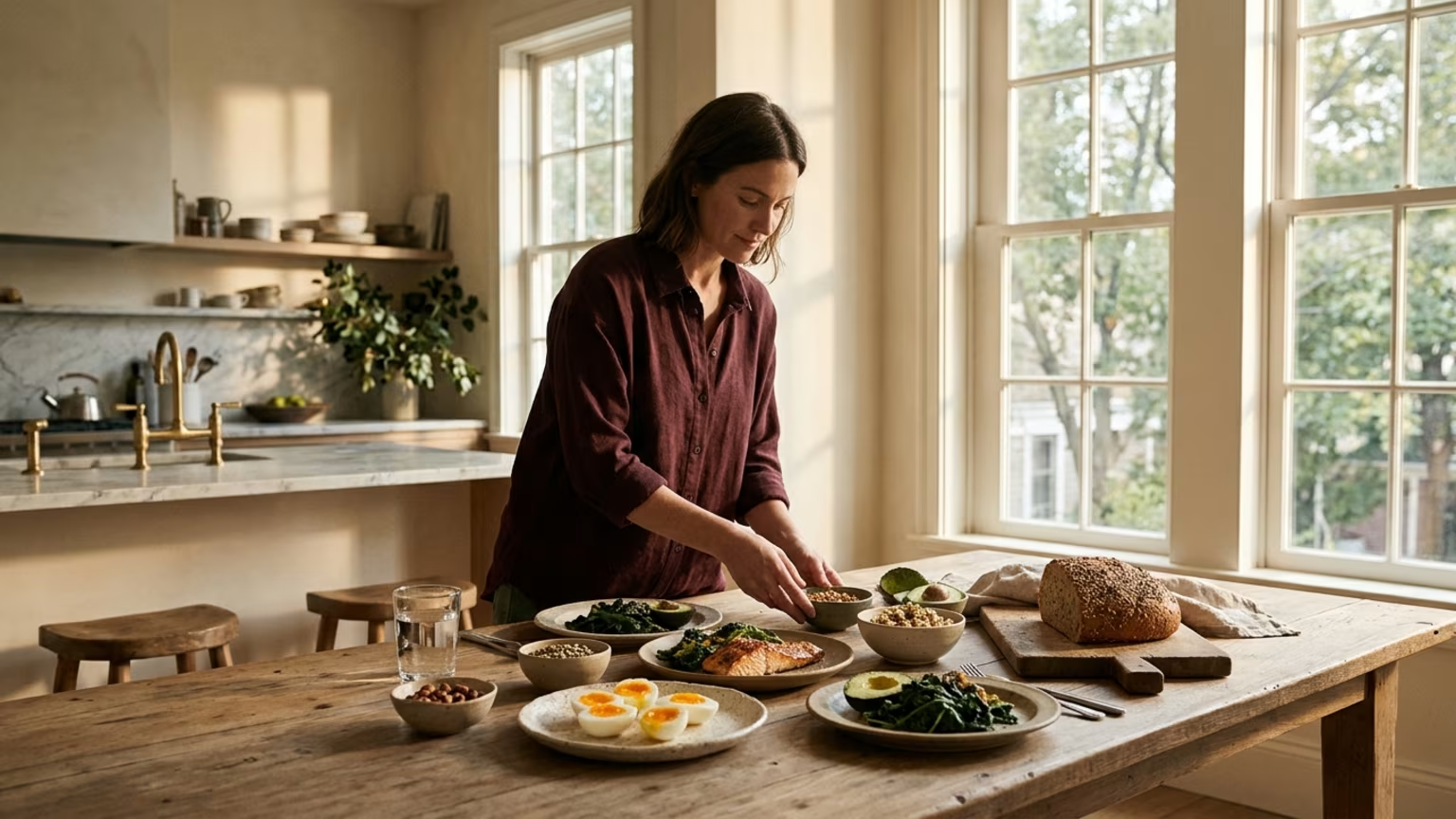
Explore practical guidance on strength, recovery, energy, travel and longevity for a life that stays active.
explore the Blog