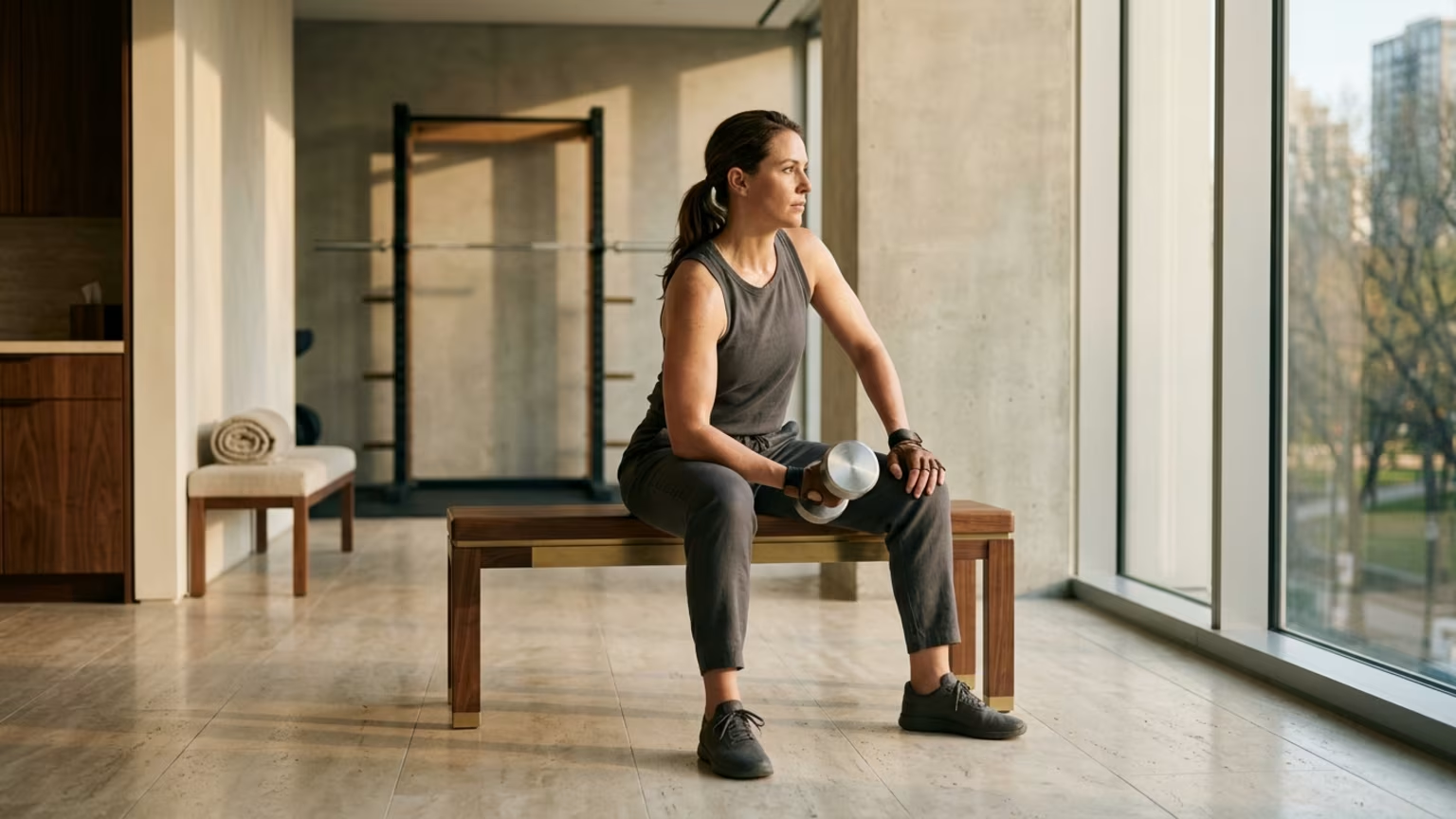

Stop tracking every gram of protein. Learn how active adults can use practical, clinician-backed targets to preserve muscle without the constant obsession.





The sun sets over a beautiful terrace in Rome. Instead of enjoying the view, an otherwise rational adult furiously shakes a plastic bottle of whey powder to hit an arbitrary 30 minute anabolic window. Stop treating your dinner like a clinical chemistry experiment. Obsessing over minute by minute protein tracking is ruining your evenings for data you cannot even use.
Mainstream fitness culture pushes the idea that more protein automatically equals more muscle. This mindset treats human physiology like a simple calculator, which fails active adults who prioritize actual physical capability over lab metrics. The reality of healthy aging and physical performance is far more nuanced. A Times Now live expert session recently brought together clinicians and nutrition professionals from several major institutions to discuss protein requirements. Participants included experts from Narayana Hospital, Jaslok Hospital, and CK Birla Hospital. Professionals from Aster hospitals, Pacific OneHealth, and Indraprastha Apollo Hospital also joined the session.
These participating gastroenterologists, physiotherapists, and clinical nutritionists established that the daily total matters more than obsessive timing. Dr Yogesh Batra noted that older adults, people recovering from illness, and regular exercisers may need more protein. However, he stressed that the objective is adequate rather than maximum intake. This framing shifts the goal away from indiscriminate consumption. It correctly focuses on matching your intake to your body size, training habits, and medical context.
Simply increasing your protein consumption without sufficient calories and resistance training will not build muscle. Dr Supriya Patil described protein as the building material, while exercise serves as the necessary stimulus. A recent review of 41 randomized controlled trials involving 3,141 participants supports this clinical perspective. That review found significant strength benefits from resistance exercise, while the effects of nutritional supplementation alone were inconclusive in the included analysis.
The hype also ignores the potential downsides of excessive, unmonitored supplementation. Dr Sukrit Singh Sethi cautioned that very high intake may cause bloating, constipation, diarrhoea, or dehydration. Furthermore, people with kidney or liver disease should seek individualized advice before increasing protein. The same caution applies to individuals managing metabolic conditions or nutritional problems. The clinicians advised maintaining a diet rich in fruits, vegetables, and whole grains. They stressed that protein products should not crowd out legumes, nuts, and seeds.
Stressing over exact gram counts and rigid timing windows creates unnecessary friction during travel and active days. If you are rushing back from a mountain hike just to drink a chalky supplement, you are sacrificing the enjoyment of your adventure. The Times Now Q&A rejected the idea that active adults must consume protein within a strict 30 minute post-workout window. Muscle protein synthesis continues for several hours, meaning you do not have to consume protein immediately after exercise.
The true cost of this optimization obsession is a severe loss of flexibility in your daily schedule. You might find yourself relying on heavily processed items instead of enjoying local, nutrient-dense meals. The clinicians pointed out that protein bars are convenient but may contain substantial sugar, fat, calories, or additives. Prioritizing supplements over whole foods detaches you from the cultural and social pleasures of eating while traveling.
This clinical fixation also leads to a misunderstanding of what actually prevents functional decline as we age. The Times Now panel described sarcopenia as a dangerous loss of muscle mass, strength, and function. This condition can severely interfere with walking, climbing stairs, and general balance. However, treating this complex issue with a protein shake alone is entirely insufficient. An active lifestyle that challenges your muscles is the primary defense against losing your physical independence.
Relying on supplements as a daily crutch ignores the fact that most people can meet their needs through regular food. Dr Aijaz Ilmi noted that protein powder may help older adults with poor appetite, but supplementation should not be routine. It must account for kidney function, illnesses, medications, and your overall nutritional status. When you stop worrying about optimal lab metrics, you can focus on the active recovery strategies that actually keep you moving well.
WealthAtPlay advocates for a highly practical approach that achieves the vast majority of results with minimal effort. You can secure your physical capability by aiming for sensible daily ranges rather than chasing absolute maximums. For most healthy adults, the Times Now session established a practical baseline of 0.8 grams of protein per kilogram of body weight per day.
If you are a regular exerciser or do strength training, the panel suggested targeting approximately 1.2 to 1.6 g/kg/day. You can easily estimate a daily range by multiplying your body weight in kilograms by these figures. For a 60-kilogram adult, this translates to approximately 72 to 96 g/day. A 70-kilogram adult would aim for approximately 84 to 112 g/day, while an 80-kilogram adult would target approximately 96 to 128 g/day. Finally, a 90-kilogram adult would calculate approximately 108 to 144 g/day from that range.
For healthy older adults, the experts cited a slightly different range of approximately 1.0 to 1.2 g/kg/day. An older adult weighing 70 kilograms would therefore calculate approximately 70 to 84 grams per day from that range. A European Commission knowledge resource similarly reports a proposed protein range of 1.2 to 1.5 g/kg/day for older adults. The Times Now panel also proposed a higher range of roughly 1.2 to 1.5 g/kg/day for older adults who are malnourished or dealing with acute or chronic illness.
The easiest way to meet these goals is to spread your protein across three or four meals instead of concentrating most intake at dinner. The clinicians discussed a practical per-meal range of roughly 20 to 40 grams for many active adults, adjusted for body size. Another panelist cited 25 to 40 grams depending on your total daily needs. In one 2026 study of older men, 20 grams of protein alone did not increase post-meal muscle-protein-synthesis rates under the study conditions, proving that rigid thresholds vary by individual.
A highly effective travel pattern requires zero digital tracking. You can start with eggs at breakfast, order a pulse-based dish for lunch, and select fish or poultry for dinner. If your meals are delayed by travel logistics, a simple protein-rich snack bridges the gap. This method keeps your energy stable while you focus on the environment around you.
You should focus on securing high-quality whole foods before reaching for a supplement shaker. The clinicians listed eggs, dairy, pulses, and beans as possible sources. They specifically defended dal and soy as legitimate options, noting that soy contains all nine essential amino acids. Sattu can provide protein, fibre, complex carbohydrates, and minerals. However, its protein content varies with preparation and quantity.
Treat protein powder as a logistical tool rather than a mandatory daily requirement for an active lifestyle. It serves as a convenience when a flight, long meeting, or remote excursion makes a full meal impractical. When you pair this relaxed nutritional approach with a long term strength plan, you build resilient muscle without the stress.
The most effective action you can take today is to stop calculating every gram and start visually building a balanced plate. Ensure that your next meal features one substantial portion of high-quality food, and let go of the post-workout stopwatch entirely. Are you training to serve a spreadsheet, or are you fueling your body to experience the world on your own terms?
Stay connected for research and practical guidance on longevity, strength, recovery, energy and active living. New ideas to help you stay capable, curious and ready for more.




Explore practical guidance on strength, recovery, energy, travel and longevity for a life that stays active.
explore the Blog