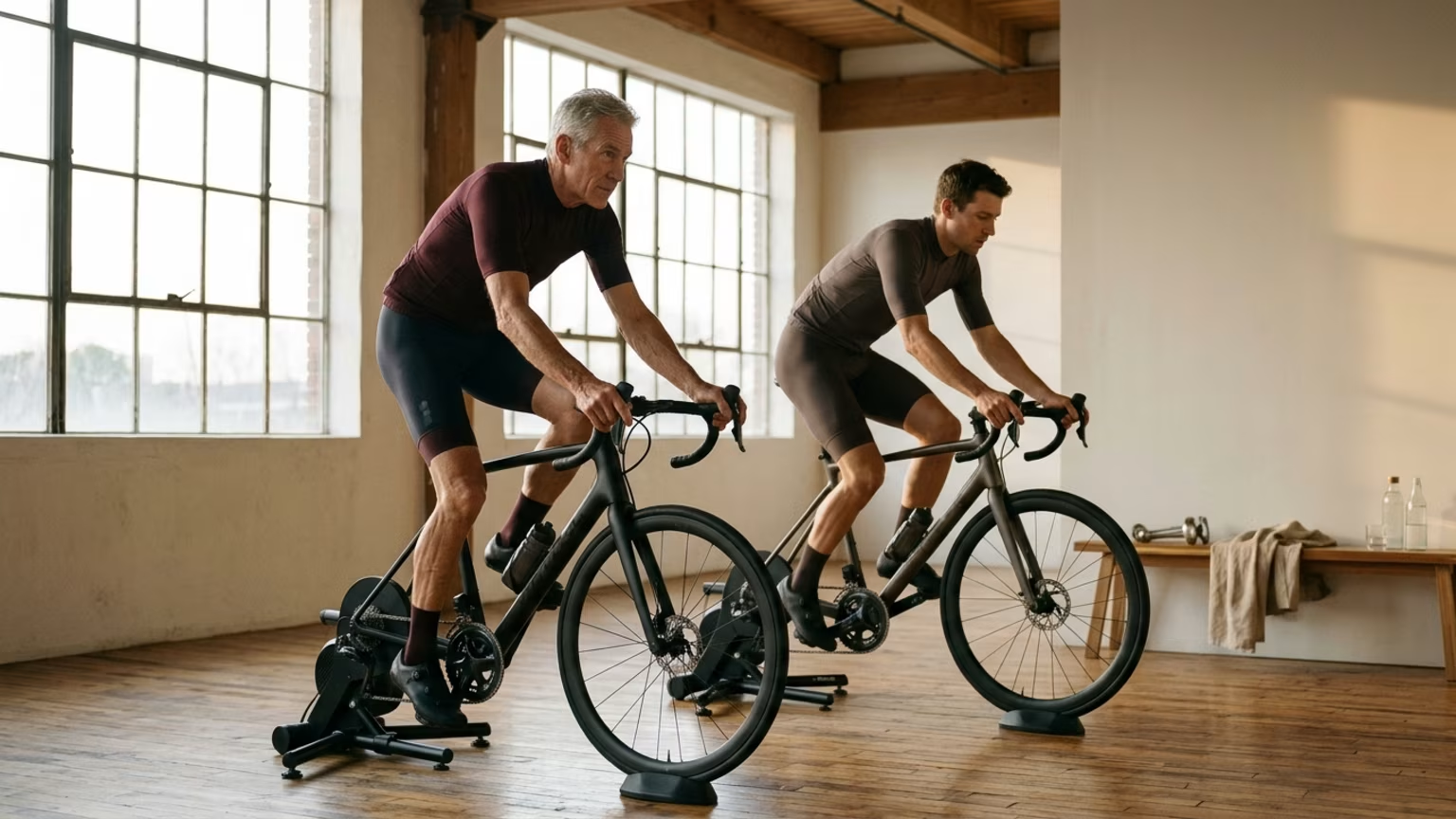
A new Science Focus analysis puts established prevention ahead of experimental longevity drugs, with practical implications for active adults.





On November 21, 2026, BBC Science Focus Magazine published an analysis arguing that meaningful gains in healthy life need not wait for a medicine aimed at ageing. For you as an active adult, its relevance is practical: protecting the health that supports travel and sport deserves attention before speculative treatments. The article’s provocative premise is not that ageing has literally been cured.
Instead, it makes a case for taking established prevention seriously while research into ageing continues. That is a useful distinction when your ambition is to remain independent and physically capable rather than simply collect more years.
Science Focus identifies several existing opportunities to address ill health and premature death. These include avoiding smoking and controlling blood pressure. It also highlights lower salt and alcohol intake alongside societal action on air pollution.
The central distinction is straightforward. Reducing a known threat to health is different from demonstrating that an intervention slows ageing itself. Both are worthwhile scientific goals, but evidence for the first does not automatically establish the second.
A review published in Cureus on November 18, 2026 makes a similar distinction. It separates established cardiovascular prevention from investigational medicines aimed at ageing. The established measures include physical activity, healthy dietary patterns, smoking cessation and blood-pressure control.
For readers focused on remaining physically capable over time, this changes how longevity news should be judged. The question is not simply whether an intervention sounds biologically impressive. It is whether the evidence supports a meaningful health benefit and whether that benefit matches the claim being made.
Science Focus also discusses disease-focused research. Its examples include a gene-editing trial targeting the PCSK9 gene and a small trial of stem-cell-derived insulin-producing cells in people with type 1 diabetes. It also mentions lab-grown brain cells in late-stage trials for Parkinson’s disease.
Those developments belong to the treatment of particular diseases. The article distinguishes them from the broader ambition of slowing ageing. Progress against a disease and progress against ageing are different findings, even when both deserve attention.
BBC Science Focus estimates that reducing air pollution could add 1.9 years to global average life expectancy. It also estimates that eliminating smoking could add a year or more. Better blood-pressure control and lower salt and alcohol intake could add a few months, according to the article.
Science Focus also cites an estimate that following current health advice could add about a decade to an individual’s life. These figures are estimates rather than personal promises. The pollution figure concerns a global population average, while the decade claim is a broad synthesis rather than an individualized forecast.
The useful interpretation is that established prevention deserves substantial attention. The figures are not a menu of extra years that you can select or add together. Nor do they establish that any particular change will deliver a fixed benefit to you.
The drug evidence faces a different test. Science Focus names metformin, rapamycin and possibly GLP-1 medicines as candidates for research into ageing. It says human trials are needed to determine whether these medicines slow ageing in people.
The Cureus review describes human findings for ageing-targeted medicines as heterogeneous. In plain language, the results vary across studies. Many findings come from small studies or intermediate outcomes rather than demonstrated extension of human life.
A separate review summary provides a concrete example. It describes the 48-week PEARL rapamycin trial as finding no significant difference in its primary outcome of visceral-fat reduction. Some secondary findings required further study.
That summary also reports that no pharmacological intervention specifically aimed at ageing has been definitively shown in clinical trials to prolong human life. The Cureus review adds that biological plausibility or a medicine’s use for a disease does not establish that it delays ageing in otherwise healthy people. A promising explanation is a reason to conduct research, not a substitute for its results.
Finally, these sources do not establish a longevity-drug regimen or demonstrate faster flight recovery. They also do not show improved altitude adjustment or more sustained energy during skiing or hiking. Their practical relevance is to long-term prevention rather than a new trip-specific performance strategy.
The clearest response to this news is to identify one relevant preventive-care priority with a qualified clinician. That follows the distinction drawn by Science Focus and the Cureus review: established risk reduction belongs ahead of treating an investigational medicine as a proven route to longer life.
Blood pressure offers a useful example because both sources place it within established prevention. A productive clinical conversation would clarify whether it needs attention and what an appropriate plan would involve. The decision is personal rather than something a general longevity article can settle.
The point is not to turn the entire prevention agenda into a new daily project. Smoking, alcohol, diet and physical activity are distinct issues. Choosing one relevant starting point keeps the next action clear without pretending that everyone needs the same intervention.
For an active adult, this also means separating sporting ambitions from preventive-care questions. Your interest in walking holidays or demanding days outdoors explains why health matters to you. The clinical conversation establishes which personal risk factors deserve attention.
There is room for optimism here. Science Focus’s argument is that meaningful opportunities already exist rather than that useful action must wait for a future drug. The Cureus review supports giving established cardiovascular prevention a different status from experimental treatments aimed at ageing.
That distinction makes a routine easier to evaluate. An established preventive measure has a different evidentiary basis from a proposed longevity medicine. Novelty alone is not a reason to move the latter ahead of an unresolved issue in ordinary care.
For WealthAtPlay, capability is the point of translating longevity research into practical guidance. The objective is a life in which strength and independence remain central. A clear preventive priority serves that objective more directly than a growing collection of interventions chosen for their novelty.
The connection to travel and outdoor adventure is about keeping the purpose of prevention visible. A walking itinerary or ski holiday gives healthspan a concrete meaning: continued participation in experiences you value. That is a more useful aim than pursuing a treatment simply because it carries a longevity label.
An upcoming trip can therefore be a reminder to give an existing preventive-care question proper attention. The practical action remains the same: address the selected priority through qualified care. The destination does not require a separate longevity strategy.
This approach also keeps the ambition realistic. The aim is not to rebuild your routine around every new research headline. It is to make room for the established issue most relevant to your health while retaining the activities that make remaining capable worthwhile.
For sports such as skiing and hiking, the article’s message is best understood as a question of priorities. Long-term health deserves a place alongside the immediate appeal of the next outing. Prevention is part of that longer view rather than another product to add to the packing list.
Air pollution introduces a broader perspective. Science Focus places societal action alongside measures addressed through personal choices and clinical care. Its argument therefore extends beyond the idea that every health outcome rests on individual discipline.
For a worldly reader, that matters. Environmental conditions belong in the healthspan conversation as well as personal habits. The article’s population-level pollution estimate is a reminder that prevention includes public conditions that no individual routine can fully control.
The overall approach is deliberately modest in scope. Keep the personally relevant preventive priority clear. Let your travel and sporting ambitions explain why it matters rather than become a reason to pursue an experimental medicine.
There is no conflict between being interested in future treatments and taking current evidence seriously. Research can remain worth following while established prevention retains its place in everyday decisions. That is a capable response to longevity news rather than a retreat from scientific progress.
Keep your active life at the centre of the plan by addressing one established preventive-care priority with a qualified clinician before adding a medicine solely for its proposed longevity benefits.
Stay connected for research and practical guidance on longevity, strength, recovery, energy and active living. New ideas to help you stay capable, curious and ready for more.



Explore practical guidance on strength, recovery, energy, travel and longevity for a life that stays active.
explore the Blog