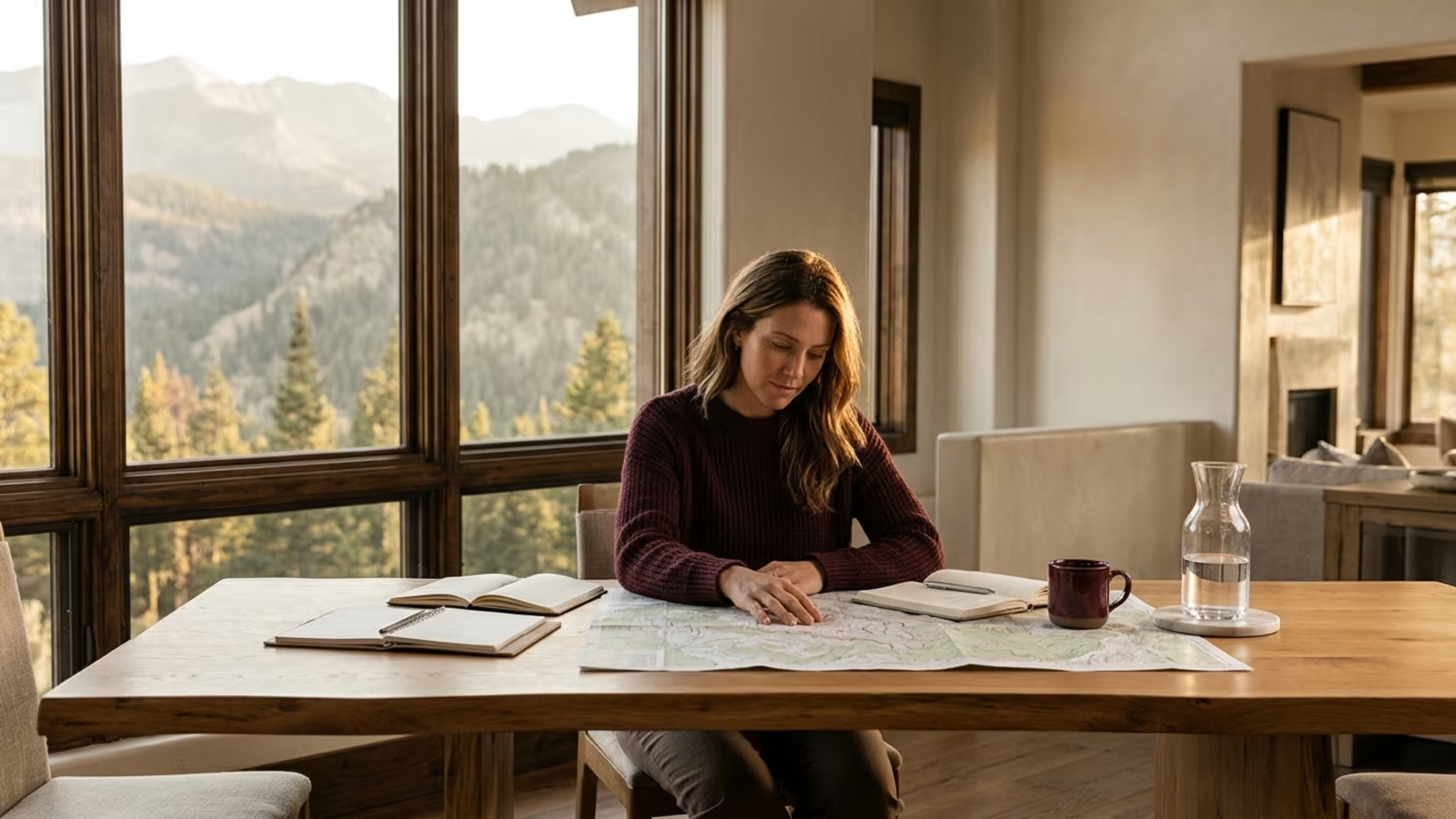

Plan high-altitude travel around sleeping elevations, gradual ascent and clear decisions about symptoms, descent and medical advice.





At 50, why am I struggling on a mountain holiday when a demanding ride at home still feels manageable?
The useful response is to separate physical conditioning from acclimatization. Your training record helps describe the physical demands you are prepared for. It should not become the reason to compress an ascent or dismiss symptoms along the way.
A well-considered mountain itinerary makes room for acclimatization before the trip begins. It also establishes what happens when someone needs to stop ascending or get help. The aim is to preserve the adventure without making the schedule more important than the people following it.
Fitness is not a substitute for acclimatization. Secondary reporting quoting the CDC Yellow Book states that training and physical fitness do not affect altitude-illness risk.
That distinction gives conditioning its proper role. It helps prepare someone for the physical demands of an adventure. It is not evidence that they have acclimatized or can safely follow a faster ascent.
For an experienced cyclist or hiker, this can require a shift in perspective. A strong performance at home is useful preparation, but it is not a reason to remove an acclimatization night from the itinerary. Nor should it make reporting a headache feel like an admission of poor preparation.
Separating physical fitness from altitude readiness keeps the planning question clear: does the route allow time to acclimatize, regardless of how capable the traveler feels before departure?
Sleeping altitude is the key detail to examine. The travel guide summarizing CDC advice bases its ascent recommendations on where travelers sleep, not simply the highest point they reach during the day.
A high daytime excursion and an overnight stay at that height are therefore different itinerary details. A route description that lists only summits or walking distances leaves an important planning question unanswered.
The practical starting point is an overnight sequence. For each stop, establish the planned sleeping altitude and how it changes from the previous night. Then identify where the schedule includes acclimatization nights.
Ask the operator to explain that sequence rather than accepting “gradual ascent” as a complete answer. A premium lodge or guided package does not answer the altitude question by itself. What matters for this review is the actual progression of overnight stops.
This is the foundation of planning mountain travel around acclimatization. The itinerary should make its pacing visible before anyone commits to following it.
The ascent figures below come from a secondary travel guide summarizing CDC advice. They are planning rules rather than guarantees, and the symptom framework in this article is not an individual diagnosis or a complete rescue protocol.
That guide reports the following recommendations:
Apply those figures to the overnight sequence rather than to the trip’s total ascent. A daytime high point does not replace the need to check the following sleeping altitude.
The next planning question is flexibility. If an extra night becomes necessary, can the itinerary accommodate it? Where would that night happen, and what later arrangements would need to change?
These are useful questions to settle before departure. They fit naturally into an active itinerary with room to adjust, rather than one that depends on every transfer and overnight stop happening exactly as booked.
Stop ascending when altitude symptoms appear. A travel-health guide describes headache accompanied by nausea, dizziness or fatigue as a common presentation of acute mountain sickness.
A trekking article summarizing CDC advice says not to continue ascending while symptoms are present. It also says descent is indicated if symptoms worsen despite rest or treatment at the same altitude.
The practical distinction is between holding the ascent and carrying on toward the next booking. A scheduled lodge or transfer should not turn an upward move into something the group considers compulsory.
Agree before departure that symptoms change the plan. Everyone should understand that reporting how they feel is part of the trip, not a disruption to it. The person experiencing symptoms should not have to argue against the momentum of the whole group.
A pause also needs a decision about what happens next. Worsening symptoms at the same altitude belong in the descent decision, not in an open-ended commitment to wait.
Serious warning signs require urgent action rather than another night of observation. The travel-health guide identifies these emergency signs:
Its guidance is to seek emergency help and begin descending right away when these signs occur. These are not symptoms to monitor while continuing upward.
Secondary travel-health guidance on severe altitude illness also supports urgent descent and medical assistance. If descent is difficult or rescue is needed, contact local emergency or rescue services rather than relying on medication instructions from a blog.
For the group, the useful distinction is straightforward: symptoms mean no further ascent; worsening symptoms call for descent; emergency warning signs call for urgent descent and help. Establish that shared understanding before anyone is tired or trying to protect a long-awaited objective.
The immediate priority is responding to the warning signs, not settling the exact clinical label on the trail.
Discuss the planned route, relevant health conditions and current medications with a clinician before departure. A travel-health article focused on chronic conditions specifically advises people with pre-existing conditions to consult a doctor before high-altitude travel.
Make that conversation about the actual itinerary. The planned sleeping altitudes and ascent pace give the discussion more substance than a general statement that the holiday involves mountains.
A useful division of questions is to ask the operator about the route and the clinician about personal health decisions. The operator can explain where the itinerary allows a pause or descent. Questions about medical conditions and medicines belong with qualified care.
Prescription decisions belong in that discussion rather than in a generic packing list. A prevention or treatment plan should not be improvised from someone else’s experience on a different trip.
The purpose is practical preparation. Resolve personal medical questions before departure, then make sure the itinerary and the group’s decision framework reflect that discussion.
Ignore these familiar but unhelpful answers:
The better answer is less dramatic: understand the overnight progression and agree in advance how symptoms will change the plan.
Stay connected for research and practical guidance on longevity, strength, recovery, energy and active living. New ideas to help you stay capable, curious and ready for more.


Explore practical guidance on strength, recovery, energy, travel and longevity for a life that stays active.
explore the Blog