
Aging researcher Paul Robbins highlights sleep, diet, and exercise over unproven therapies. Learn how active adults apply these habits for travel and sport.





TheStreet published its interview with University of Minnesota aging researcher Paul Robbins on September 25, 2026, and updated the page the following day. The discussion highlights the established behaviors most consistently associated with maintaining physical capability. For active adults who value their independence, the conversation offers a highly practical perspective. It emphasizes immediate daily choices over speculative future treatments.
The current landscape of healthy aging is often filled with complex protocols and extreme promises. However, prominent aging researchers continue to point back to foundational health levers. Focusing on fundamental lifestyle adjustments provides the most reliable return on your effort. The core message remains focused on your daily habits for sleep, movement, nutrition, and social connection.
In the interview, Robbins says sleep, exercise, and diet are currently the most effective ways to keep people healthier for longer. He advocates healthier eating and cautions against excess. The interview does not specify numeric dietary targets for protein or carbohydrates. This broad guidance supports the idea of finding sustainable eating patterns rather than rigid rules.
Readers wondering how daily food choices impact long-term health should focus on overall nutritional quality. Dropping excessive caloric intake naturally supports your metabolic health over the long term. This approach avoids the common pitfall of attempting extreme diets that fail after a few months. Sustainable nutrition allows you to maintain the energy required for a highly active lifestyle.
Robbins emphasizes that sleep needs vary widely among individuals. He offers eight, 10, and three hours as examples of different natural sleep durations. This variability means there is no universal sleep prescription that works for every active adult. You must determine the specific amount of rest that allows your body to recover fully.
Understanding your personal sleep architecture is a critical component of healthy aging. Forcing yourself into an eight-hour window when your body requires less can cause unnecessary frustration. Conversely, attempting to survive on minimal sleep when you naturally require more will severely hinder your physical recovery. The goal is to align your habits with your unique biological requirements.
The scientific community continuously explores complex mechanisms to understand human aging at a microscopic level. The researcher also discusses the complex biological process of cellular senescence. As tissues age, damaged cells can stop dividing and begin releasing inflammatory factors. These senescent cells accumulate over time and contribute to chronic inflammation.
This inflammatory burden can quietly reduce your physical capability and slow your recovery times. However, Robbins says there is currently no way for an individual to determine whether they have a high senescent-cell burden. Because personalized testing for cellular senescence does not yet exist, chasing unproven treatments is often unproductive.
The University of Minnesota profile says compounds identified by a team including Robbins extended healthspan and lifespan in mouse models. These experimental compounds are currently in more than 15 clinical trials for various age-related conditions. The transition from mouse models to proven human therapies takes considerable time and rigorous testing. Until those trials yield concrete human treatments, foundational daily habits remain your most powerful tools.
Physical activity stands out as the most reliable lever for maintaining physical capability. A University of Minnesota article published on September 9, 2026, highlighted movement as a highly effective, modifiable habit. University coverage of a nationwide study describes daily step totals as the strongest single measurement associated with lifespan in that research. Simply walking more each day provides a profound systemic benefit.
This simple metric cuts through the confusion of complicated exercise programming. The university also says physical activity levels predicted mortality better than obesity, diabetes, smoking, or heart disease in that study. Accumulating daily steps ensures that your cardiovascular system remains robust and highly functional. It creates a baseline of endurance that directly translates into real-world capability.
While walking builds a massive aerobic base, strength training preserves your structural integrity. A 2026 review reports that some resistance-based and multicomponent programs reduce mobility disability in older adults with functional impairment. The review noted ongoing questions regarding the durability, cost-effectiveness, and scale of these specific programs. However, the overarching consensus remains that adults must challenge their muscles to maintain function.
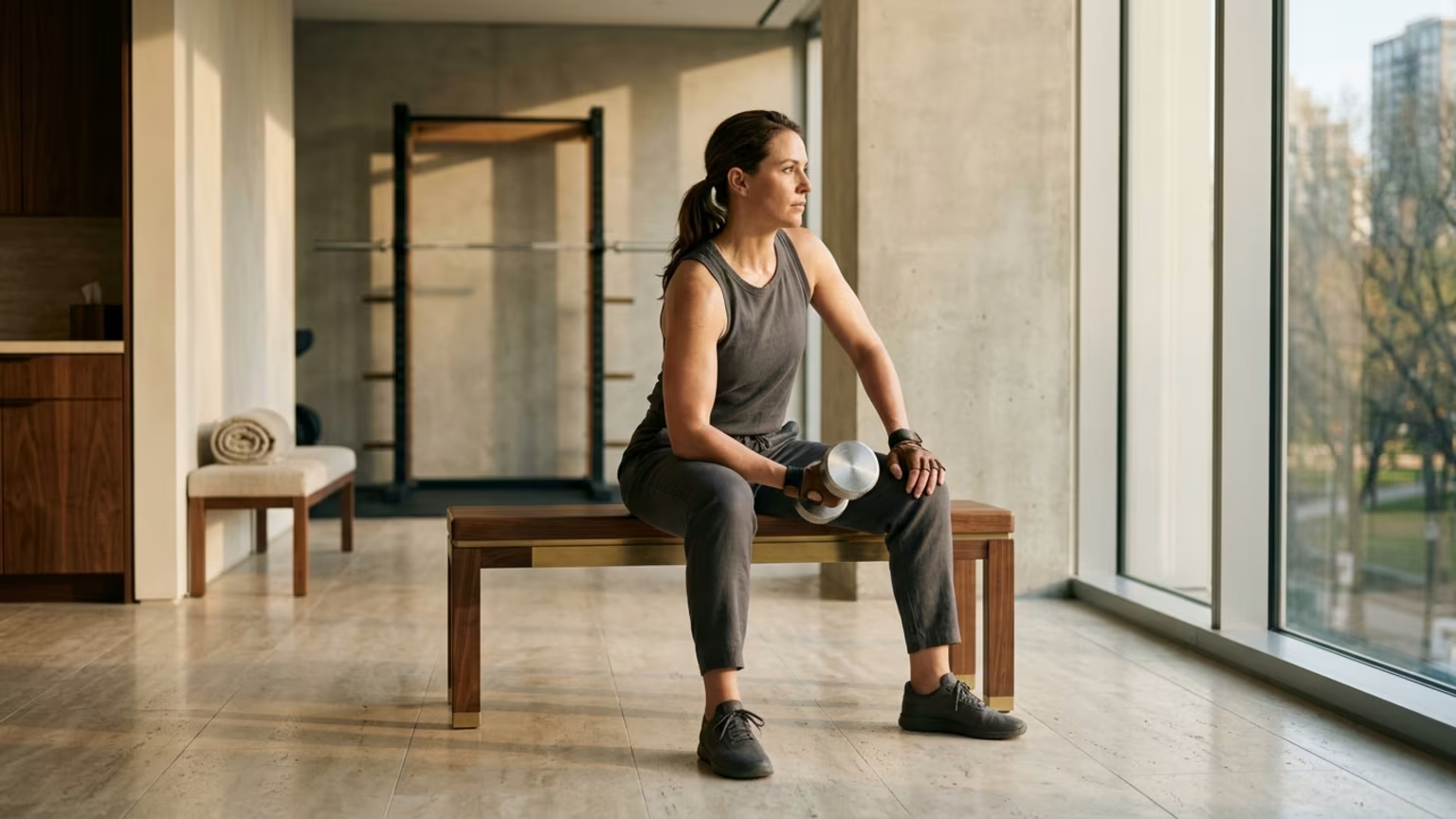
Those interested in tracking their aging progress should remember that basic strength dictates capability. Active adults often rely on targeted balance and strength routines to stay physically independent. Maintaining muscle mass protects your joints and ensures you can navigate difficult terrain safely.
The true test of your foundational habits occurs during demanding travel or intense physical activity. Managing your baseline healthspan levers dictates how well you handle altitude adjustments, heavy skiing sessions, or challenging hikes. When you subject your body to the stress of international transit, sleep and nutrition become immediate performance tools.
After a grueling thirty hour transit to Tokyo, we realized our old strategy of just powering through was no longer working. We felt foggy for three days. Our team started digging into circadian biology and realized that timing light exposure and fasting during the flight could completely shift recovery. Now, we never board a long haul flight without a precise schedule for when to eat and when to put on an eye mask.
It is the difference between losing a week of a trip and hitting the ground running. When you control your fasting windows and sleep environment, your body adapts to new time zones rapidly. This deliberate approach allows active adults to maximize their time spent enjoying the destination rather than recovering in a hotel room.
Sustained energy for mountain sports requires similar discipline regarding rest and fuel. Robbins emphasizes that sleep needs vary, offering eight, 10, and three hours as examples of individual differences. If your body naturally requires more sleep, planning aggressive early morning hikes consecutive days in a row will inevitably degrade your performance. You must map your travel itineraries to accommodate your specific recovery requirements.
Nutritional discipline also plays a vital role in how quickly you adjust to new environments. Robbins advocates healthier eating and cautions against excess to support healthy aging. During travel, heavy meals and excessive caloric intake can severely disrupt your sleep quality and altitude acclimation. By eating lighter, nutrient-dense meals on the road, you support sustained energy for long days of skiing or trekking.
While diet and exercise dominate the healthspan conversation, social connection provides the necessary framework for a capable life. Engaging in shared physical challenges keeps you motivated to maintain your daily habits. Traveling with a group or participating in a local sports club forces you to stay active and engaged.
Experts consistently recognize that isolated individuals often experience faster physical decline. Building a robust network of active peers ensures that your commitment to healthspan remains consistent over the years. Readers seeking to improve their overall resilience often find that strong community ties naturally encourage better physical habits. Group hikes, shared meals, and coordinated travel plans weave these healthspan levers together perfectly.
None of these healthspan levers operate in isolation. Your sleep quality directly dictates your physical energy for daily movement. When you accumulate enough steps and engage in resistance training, your body naturally demands better rest at night. This bidirectional relationship means that improving one area often creates positive momentum across your entire routine.
Nutrition provides the building blocks for this entire system to function properly. Reducing excessive caloric intake prevents the sluggishness that often derails an active afternoon. When you feel light and energized, you are far more likely to engage in social activities and group sports. Maintaining strong social connections then reinforces your commitment to these healthy behaviors.
This interconnected approach protects against the frustration of perfectionism. If your sleep is disrupted during a long travel day, you can still control your nutrition and activity levels. By relying on multiple pillars of healthspan, active adults build a resilient lifestyle that withstands the chaos of real life.
Active adults should focus their daily efforts on consistent movement, nutritious eating, adequate sleep, and social connection rather than waiting for unproven longevity treatments.
Stay connected for research and practical guidance on longevity, strength, recovery, energy and active living. New ideas to help you stay capable, curious and ready for more.




Explore practical guidance on strength, recovery, energy, travel and longevity for a life that stays active.
explore the Blog