
Experts advise morning light and consistent sleep after the fall clock change. Here is how to apply that advice around travel and outdoor sport.





On November 1, 2026, most of the United States returned to standard time as clocks moved back one hour at 2 a.m. Coverage published that day emphasized a practical response: seek morning light and keep sleep timing consistent. If you are planning a walking holiday or looking forward to ski season, the useful opportunity is a steadier routine rather than a more crowded calendar.
Experts describe the autumn transition as generally less disruptive than the spring change. But the possibility of extra sleep is not the same as being fully rested. For active adults who value independence, this is a useful moment to put adequate rest back into plans for recovery between demanding days.
The autumn change brings earlier morning light and darker evenings by the clock. The central sleep advice concerns how that morning light helps align your internal timing with the outside world.
In coverage of the transition, Vanderbilt’s Beth Malow explains that this alignment can help people wake in the morning and fall asleep at night. Circadian timing is the technical term for that daily rhythm. The practical point is simpler: the timing of daylight matters alongside the time displayed on your watch.
That distinction makes the brighter morning window worth noticing. Moving the clock does not automatically establish a useful sleep routine. Morning light offers a regular cue around which to organize one.
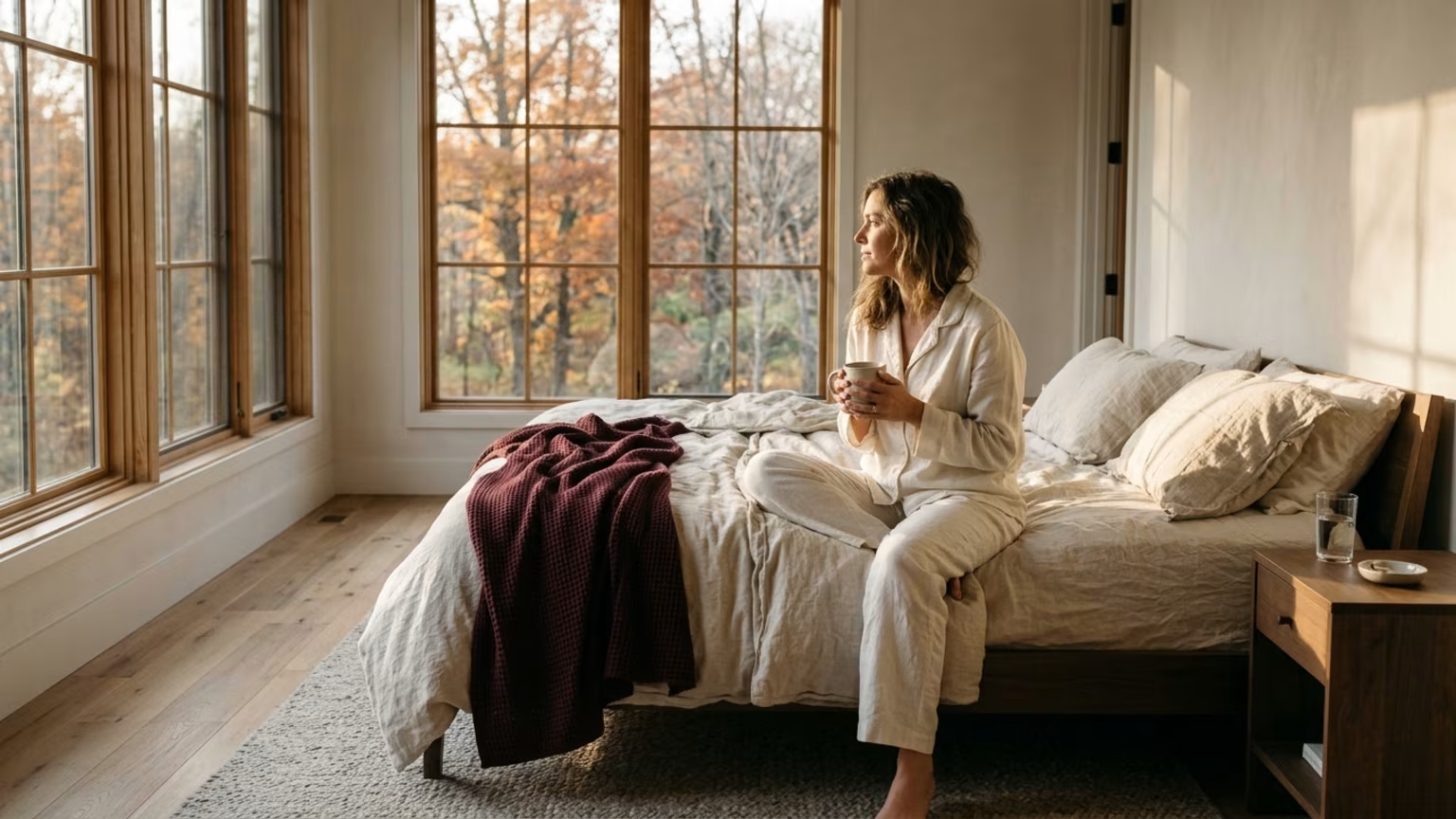
The sensible application is to give ordinary outdoor time a place in the morning rather than turning the seasonal change into a complicated project. That might mean taking a familiar walk outside or spending part of an otherwise indoor morning outdoors. The focus is access to morning light, not adding another demanding activity to the day.
Malow calls morning light “one of the strongest forces” for aligning circadian timing with the outside world. Her advice extends beyond the transition itself: seek morning light through the season and use the change as an opportunity to establish a consistent sleep habit.
She illustrates the idea with someone who usually goes to bed at 11 p.m. After the change, following that person’s earlier body-time cue could mean going to bed at about 10 p.m. on the clock. The point is to maintain a suitable routine rather than insist that everyone adopt the same bedtime.
The extra hour also deserves a realistic interpretation. Physician Mike Varshavski told TODAY that people average around 36 minutes of additional sleep, using about 60% of the extra clock hour. That is his attributed estimate, not a guaranteed result for any individual.
Varshavski’s recommendations include a consistent wake time and morning sunlight. Malow also advises avoiding sleep deprivation before a clock change. Now that the transition has occurred, the useful takeaway is to preserve room for adequate rest rather than treat the clock adjustment as repayment for an already demanding schedule.
These reports provide general expert guidance rather than a trial of a morning-light routine. They do not establish benefits specifically for older adults or demonstrate better athletic performance or faster travel recovery. They also do not specify an optimal light duration or a protocol for jet lag or altitude adjustment.
Within those boundaries, the practical application is straightforward: give morning daylight a place in the schedule while keeping sleep timing steady. For travel and sport, that is a planning decision rather than a new performance intervention.
Start with something that already belongs in your morning. An outdoor walk is a natural way to connect Malow’s advice with an ordinary routine. There is no need to turn it into a separate workout or attach a performance target to it.
This keeps attention on one action: getting outside in the morning. It also avoids making the clock change a reason to redesign the whole day. The routine should fit around the life you want to lead rather than become another task competing with it.
Consistency is the other part of the experts’ advice. A morning activity and a steady wake time belong in the same conversation. Neither requires treating every day as a test of whether you have adjusted perfectly.
For travel planning, the useful question is where adequate rest fits among the activities you most want to enjoy. The autumn clock change is not a reason to fill every newly available moment. Leave the extra clock hour out of the calculation when deciding how much to put on the agenda.
A morning outdoor routine can have a place in that plan alongside meals and excursions. Keep the ambition modest: make room for the light exposure the experts recommend without allowing it to displace sleep. This is an organizational choice, not a reason to start the day earlier regardless of how rested you feel.
That distinction also belongs in planning sleep around travel. Seasonal clock-change advice should remain separate from decisions about adjusting to a different time zone. The immediate task here is preserving a workable routine rather than trying to solve every travel-related sleep question at once.
For skiing or hiking, apply the advice as a calendar decision. If part of the usual morning can happen outdoors, it creates a natural place for the morning light Malow recommends. It need not become an additional training session before the main activity.
The same principle applies when planning for sustained energy across an active holiday. Reserve room for rest instead of using the possibility of extra sleep to justify an overloaded itinerary. Keep the morning routine simple enough that it does not compete with the sport you came to enjoy.
For a trip involving altitude, keep the purpose of this routine clear. Morning outdoor time belongs to the sleep-and-light advice discussed here. Personal decisions about altitude adjustment or persistent sleep problems belong in a conversation with qualified care rather than an improvised clock-change plan.
Earlier morning light comes with darker evenings by the clock. That matters when an outdoor day includes a drive home after the main activity.
The coverage carrying Malow’s advice also reports that some studies associate fall commutes nearer to dusk with more vehicle collisions involving deer and other wildlife. This is an association rather than a quantified prediction for a particular journey. Malow recommends staying alert during dark commutes.
Include that return journey when reviewing the day’s plans. The relevant schedule is the whole outing, not just the time spent walking or skiing. If sleep difficulties persist beyond the immediate adjustment, Malow advises consulting a doctor rather than continuing to explain them away as the clock change.
Use the earlier morning daylight to anchor a simple outdoor routine and preserve consistent sleep timing, while planning travel and sport around adequate rest rather than treating the extra clock hour as a complete recovery plan.
Stay connected for research and practical guidance on longevity, strength, recovery, energy and active living. New ideas to help you stay capable, curious and ready for more.



Explore practical guidance on strength, recovery, energy, travel and longevity for a life that stays active.
explore the Blog