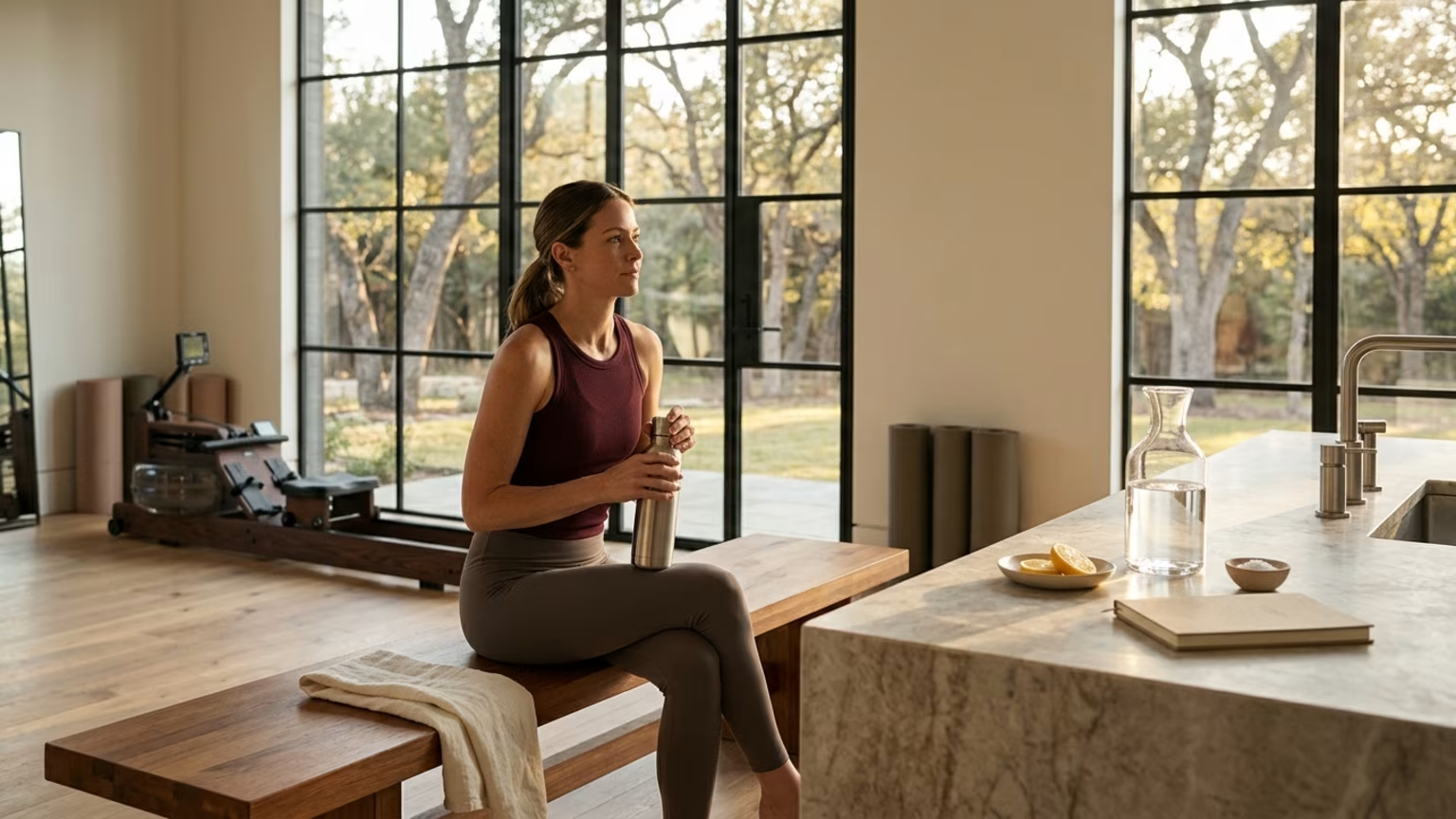

ACSM’s hydration agenda puts individual needs in focus, with practical context for active adults planning hiking holidays and ski trips.





On October 22, 2026, the American College of Sports Medicine (ACSM) highlighted a pre-conference session titled “The Physiology of Hydration: More Than Water Alone.” For active adults who value demanding holidays and physical independence, its agenda offers a useful planning principle: hydration deserves an individual approach rather than a universal water target.
ACSM says the session will examine how carbohydrate, sodium, flavor and fluid interact with intake and performance. It will also address absorption and retention, alongside strategies such as sweat profiling and timing intake. The emphasis is on connecting research with practical athlete support across sports and environments.
For your next hiking holiday or ski trip, the useful question is therefore more specific than how much water to pack. Does your hydration approach reflect you and the day you intend to have?
ACSM’s agenda brings several parts of hydration into the same conversation. In plain language, those parts include:
These are distinct questions. A discussion about the amount in a bottle addresses intake planning. ACSM’s session goes further by considering what happens to fluid after it is consumed and how that relates to physical performance.
The inclusion of flavor is also meaningful. ACSM lists palatability and voluntary intake among the session topics. Those terms concern how appealing a drink is and how much a person chooses to consume. The program therefore places the experience of drinking alongside the body’s handling of fluid.
Carbohydrate and sodium appear in that broader discussion of beverage components. ACSM says the session will examine their interactions with fluid rather than treating hydration as a question about water alone. That makes beverage composition a subject for individual assessment, not an automatic reason to change what is in your bottle.
The session also includes thermoregulation, meaning temperature regulation. This connects its technical agenda to a familiar performance concern: maintaining physical capability in the environment where an activity takes place.
A separate ACSM resource for senior athletes says hydration supports temperature regulation and muscle function. It also identifies mental sharpness and performance as relevant benefits. These are capability-focused concerns for anyone who wants to remain active on a demanding trip.
That resource flags reduced thirst sensation and slower, lower sweat responses as age-related considerations. Its relevance is not that a birthday should trigger a completely different routine. Rather, age-related factors belong in the assessment of an older athlete’s hydration needs.
For a reader over 40, the practical distinction is between recognizing a consideration and assuming it applies in the same way to everyone. The useful question is whether personal advice has accounted for age alongside the intended activity and environment.
The October announcement describes educational programming rather than a newly published research paper or new trial results. It provides no bibliography or study methods, and it does not establish that a particular beverage improves performance. Its session topics should be read as questions for discussion rather than conclusions from a new experiment.
ACSM says the session will address performance decrements associated with body-mass loss above 2%. The announcement does not provide the underlying evidence or explain how that figure varies by person, task or environment. It should not be treated as an inevitable performance cliff or a requirement to prevent every change in body mass.
The senior-athlete resource also includes example fluid-timing guidance. Those examples are not a personalized schedule for every older adult. Neither source establishes a hydration strategy for altitude adjustment or travel recovery.
Taken together, the sources support an individualized conversation about hydration. They do not supply a universal formula for the reader to copy.
For an active traveler, the strongest application is preparation for the sport itself. ACSM’s emphasis on individual strategies supports asking whether a hydration plan reflects the person, activity and environment. That is a more useful starting point than borrowing a fixed target from someone with a different itinerary.
Consider the planning question rather than a hypothetical performance promise. Before a hiking day, does your usual approach reflect the outing you have planned? Before skiing, has the discussion accounted for that activity and setting? These are ways to apply the session’s agenda without turning it into an unsupported drinking protocol.
The aim is sustained capability during the day you want to enjoy. ACSM’s senior-athlete resource connects hydration with muscle function and mental sharpness, which makes the subject relevant beyond a finish time. The point is to keep hydration connected to participation rather than treating a daily total as the sole measure of success.
A realistic next step is to review the hydration plan for one demanding outing. Keep the review focused on whether the approach fits the circumstances. There is no need to turn this announcement into a complete overhaul of your travel habits.
Within broader hydration planning for active travel, that review can center on a few questions:
These questions follow the subjects ACSM identifies. They are prompts for a better-informed discussion, not a self-testing protocol. The emphasis remains on making the plan more relevant to the outing rather than adding measurements for their own sake.
This fits WealthAtPlay’s capability-first approach to physical performance. Preparation should serve the activity you want to sustain, whether that is a mountain walk or a day on skis. The practical value lies in making the discussion more specific to that goal.
ACSM’s reference to sweat profiling provides a useful topic to raise with a qualified professional. The productive question is whether an individual assessment would inform your plan. The session announcement itself is not a set of instructions for conducting or interpreting that assessment.
The same approach applies to beverage ingredients and timing. A useful consultation can keep the focus on your intended activity and the circumstances in which you will be active. It can address the variables in ACSM’s agenda without assuming that every variable requires a change.
People with medical conditions or individualized fluid or sodium restrictions should seek guidance from a qualified health professional. Those decisions need personal context rather than a rule taken from a conference description.
Use ACSM’s hydration agenda to review whether your routine fits the next demanding outing, keeping the focus on individual needs and sustained participation rather than a universal drinking target.
Stay connected for research and practical guidance on longevity, strength, recovery, energy and active living. New ideas to help you stay capable, curious and ready for more.


Explore practical guidance on strength, recovery, energy, travel and longevity for a life that stays active.
explore the Blog

