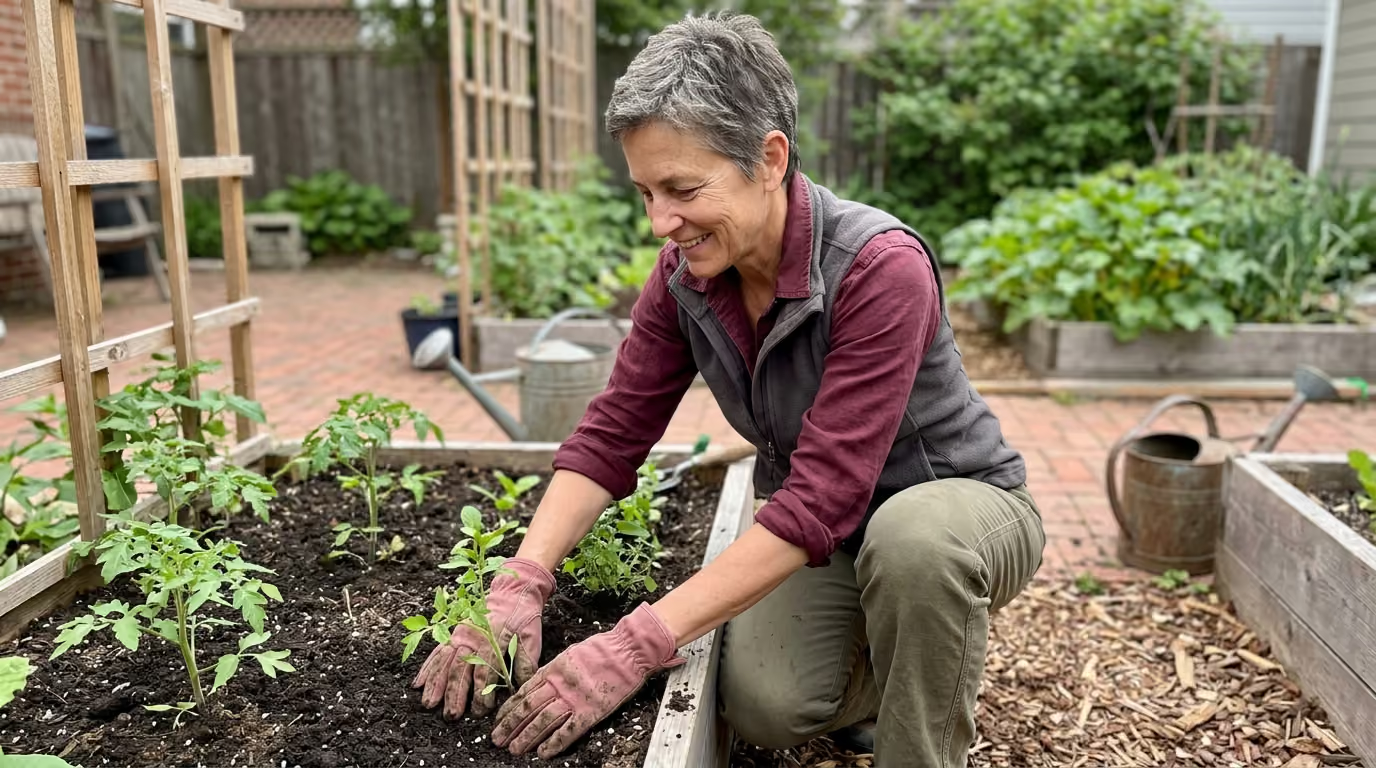

Midlife energy and long-term vitality rely on targeted physical training, restorative sleep, metabolic nutrition, mental sharpness.





A long-term vitality plan is not an extreme exercise regimen, a restrictive diet, or a collection of temporary productivity hacks. It is a systematic framework designed to preserve physical strength, cognitive clarity, emotional resilience, and personal independence across several decades.
True vitality after 40 is about maintaining the functional capacity required to climb mountains, manage complex businesses, travel across continents, and engage fully with family. This comprehensive guide outlines the biological mechanisms of aging, the core pillars of sustained energy, and practical routines that fit seamlessly into an active life.
Many adults define energy as the absence of fatigue or a sudden surge of alertness following a morning espresso. This short-term perspective often leads to cycles of intense exertion followed by deep exhaustion. Long-term vitality represents something far more stable and biologically profound. It is the continuous presence of reserve capacity that allows you to absorb physical, mental, and environmental stress without breaking down.
According to the World Health Organization healthy aging framework, healthy aging is the process of developing and maintaining the functional ability that enables well-being in older age. Functional ability combines an individual's intrinsic capacity with the physical and social environment they inhabit. Intrinsic capacity encompasses all the physical and mental capacities a person can draw upon throughout their life.
Energy is not a single, uniform resource. A practical long-term plan recognizes five distinct but interconnected forms of energy:
When one of these energy systems falters, the others inevitably suffer. A poor night of sleep reduces cognitive clarity and increases physical inflammation. Similarly, chronic physical inactivity drains mental stamina and impairs emotional regulation. Building long-term vitality requires supporting each system in harmony.
A central concept in this model is the vitality reserve. Think of this reserve as a biological buffer between your maximum physical capacity and the demands of daily life. If carrying luggage up a flight of stairs requires 90 percent of your maximum cardiovascular capacity, you will feel exhausted. If that same task requires only 35 percent of your capacity, your day remains effortless. The goal of midlife planning is to keep this buffer as large as possible.
Understanding the difference between lifespan and healthspan clarifies why this reserve matters. Lifespan is simply the total number of years you live. Healthspan represents the period of life spent free from debilitating chronic disease, cognitive decline, or physical limitation. By focusing on energy and mental performance now, you protect your autonomy for the decades ahead.
Physical activity after age 40 is not about aesthetics or pursuing extreme athletic records. It is about building a durable musculoskeletal and cardiovascular system that resists injury and preserves mobility. Without deliberate training, adults naturally lose muscle mass, bone density, and aerobic power each decade. This physical decline is largely preventable through structured, consistent movement.
The World Health Organization physical activity guidelines recommend that all adults achieve between 150 and 300 minutes of moderate-intensity aerobic physical activity per week. You can also meet this target with 75 to 150 minutes of vigorous aerobic activity, or an equivalent combination of both. Aerobic conditioning builds the mitochondrial density required to produce cellular energy efficiently throughout the day.
Brisk walking, trail hiking, cycling, swimming, and rowing serve as excellent foundations for cardiovascular health. These activities train the heart to pump more blood per beat while lowering resting heart rate and blood pressure. A well-conditioned aerobic base allows you to recover quickly between business meetings, long flights, and strenuous weekend sports.
Strength training is equally critical for long-term vitality. Muscle is an active metabolic organ that regulates blood sugar, supports joint health, and maintains posture. Resistance training stimulates bone remodeling, which helps prevent osteoporosis and fractures. A comprehensive strength routine should focus on foundational human movement patterns rather than isolated exercises.
Every sustainable strength plan must include six primary movement patterns:
Power, balance, and coordination must accompany traditional strength work. Strength is the ability to generate force, while power is the ability to generate force rapidly. As we age, fast-twitch muscle fibers decline faster than slow-twitch endurance fibers. Preserving power allows you to quickly catch yourself when you trip on an uneven sidewalk or loose hiking trail.
According to data from the Centers for Disease Control and Prevention, more than one in four adults aged 65 and older falls each year. These falls frequently lead to hip fractures, hospitalizations, and permanent loss of independent living. Preparing your balance, foot strength, and reactive power in your 40s and 50s provides the best defense against mobility loss later in life.
Finally, you must distinguish between purposeful exercise and total daily movement. An intense 45-minute gym session does not fully undo eight hours of uninterrupted sitting. Sedentary behavior is independently associated with cardiovascular disease and metabolic dysfunction. Incorporating short movement breaks, walking meetings, and post-meal strolls ensures steady circulation and glucose disposal throughout the day. Investing in long-term physical performance requires treating daily movement as a continuous lifestyle habit.
Sleep is the biological foundation upon which all physical recovery and cognitive performance rest. During deep sleep, the brain clears metabolic waste through the glymphatic system and the pituitary gland releases growth hormone for tissue repair. Sacrificing sleep in the name of productivity impairs cellular energy generation, insulin sensitivity, and mood regulation.
A joint consensus statement from the American Academy of Sleep Medicine and the Sleep Research Society recommends that healthy adults sleep seven or more hours per night on a regular basis. Consistently sleeping fewer than seven hours increases the risk of weight gain, diabetes, hypertension, cardiovascular disease, stroke, and depression. It also degrades immune function, increases pain sensitivity, and raises the likelihood of accidents.
Sleep quality is just as vital as total sleep duration. Spending eight hours in bed tossing and turning does not provide the same restorative benefit as seven hours of uninterrupted sleep. Establishing consistent sleep architecture requires aligning your daily behaviors with your internal circadian clock.
To improve sleep architecture, integrate these evidence-based sleep hygiene habits:
Many adults normalize feeling chronically exhausted, attributing their fatigue to aging or a busy career. However, severe daytime sleepiness, loud snoring, gasping for air, or frequent nighttime awakenings are warning signs that require clinical evaluation. Obstructive sleep apnea is widespread among adults over 40 and substantially increases cardiovascular risks when left untreated.
Addressing sleep issues transforms energy levels faster than almost any other lifestyle intervention. Treating sleep as non-negotiable recovery time allows your body to rebuild muscular tissue, consolidate memories, and regulate stress hormones. Implementing deliberate sleep and recovery strategies will protect your mental and physical stamina for decades.
Nutrition after 40 must transition from restrictive dieting toward nourishing lean tissue, preserving metabolic health, and reducing chronic low-grade inflammation. The human body becomes less forgiving of nutrient deficiencies and erratic eating patterns as the decades pass. A sustainable dietary approach emphasizes whole, nutrient-dense foods that stabilize blood sugar and fuel active days.
The Dietary Guidelines for Americans highlight the importance of establishing a healthy dietary pattern across all life stages. Rather than following extreme dietary dogmas, focus on consuming a diverse array of whole foods. A balanced plate should contain lean proteins, abundant vegetables, fiber-rich whole grains, and healthy unsaturated fats.
Protein intake is paramount for adults past midlife due to a phenomenon known as anabolic resistance. As muscle tissue ages, it requires a stronger amino acid signal to stimulate muscle protein synthesis. Distributing protein evenly across three or four meals helps counter muscle loss and preserves functional strength.
Quality protein sources include poultry, fish, lean red meats, eggs, Greek yogurt, tofu, tempeh, beans, and lentils. Pairing your protein intake with resistance training creates the necessary mechanical and nutritional stimulus to maintain strong, metabolically active muscle mass.
Dietary fiber is another cornerstone of long-term vitality that is frequently neglected. Fiber slows gastric emptying, preventing sharp spikes and crashes in blood glucose that trigger brain fog and energy slumps. Furthermore, fermentable fiber nourishes the gut microbiome, producing short-chain fatty acids that support metabolic and immune function.
To build an energizing, nutrient-dense nutrition framework:
Alcohol consumption deserves careful consideration in any vitality plan. The Dietary Guidelines for Americans recommend limiting alcohol intake to no more than two drinks per day for men and one drink per day for women. However, from a performance and longevity perspective, less is generally better. Alcohol disrupts sleep architecture, impedes liver glycogen storage, impairs muscle protein synthesis, and dehydrates the body.
If you enjoy wine or spirits, consume them mindfully alongside meals and avoid drinking within three hours of bedtime. Sustainable nutrition is not about deprivation or strict perfection. It is about creating a flexible, enjoyable dietary structure that supports your daily performance. Exploring balanced nutritional metabolism concepts will give you the energy required for demanding activities.
Cognitive vitality is the ability to think clearly, learn new concepts, retain memory, and maintain creative problem-solving skills throughout life. Just as physical muscles atrophy without mechanical load, neurological networks weaken without regular intellectual stimulation and cardiovascular support. Protecting brain health requires a comprehensive strategy that addresses vascular risk, mental stress, and sensory function.
The Lancet Commission on dementia prevention, intervention, and care identified 14 modifiable risk factors across the human life course. The report indicates that addressing these factors could potentially prevent or delay up to 45 percent of dementia cases globally. These risk factors include physical inactivity, midlife hypertension, obesity, diabetes, smoking, excessive alcohol consumption, depression, and social isolation.
Vascular health is directly tied to brain health. The brain contains an intricate network of microscopic blood vessels that deliver oxygen and glucose to active neurons. Hypertension, high LDL cholesterol, and elevated blood sugar damage these microvessels over time, leading to cognitive decline. Managing your blood pressure and metabolic markers through medical care, exercise, and diet protects your neurological architecture.
Sensory preservation is another critical factor highlighted by recent medical consensus. Untreated hearing loss and untreated vision loss significantly increase the cognitive load on the brain. When sensory inputs fade, the brain must dedicate disproportionate energy to deciphering sounds and images, accelerating cognitive fatigue and social withdrawal. Getting regular hearing and vision screenings and using corrective devices when needed preserves neural stimulation.
To optimize everyday mental focus and protect long-term cognitive stamina:
Burnout is an increasing risk for high-performing professionals over 40 who juggle demanding careers with family obligations. When persistent exhaustion is met with more discipline and higher caffeine intake, the nervous system eventually crashes. Recognize that mental output requires intentional mental rest. Taking real vacations, engaging in relaxing hobbies, and disconnecting from work communications allows your cognitive batteries to recharge completely.
Human beings are fundamentally social creatures whose biology responds directly to their social environment. We often view health through an individualistic lens, focusing solely on diet and exercise. Yet extensive research demonstrates that relationships and physical surroundings play an equally powerful role in determining healthspan and vitality.
A landmark report by the National Academies of Sciences, Engineering, and Medicine revealed that social isolation is a major public health risk. The report noted that social isolation is associated with a 29 percent increase in all-cause mortality risk and a 25 percent increase in cancer mortality risk. Chronic loneliness triggers systemic inflammation, elevates stress hormones, and impairs sleep quality.
Maintaining deep social bonds requires deliberate effort during midlife. Career demands, parenting responsibilities, and geographic relocations often cause friendships to fade. To protect your social vitality, establish recurring rituals that combine connection with healthy activities. Joining a hiking club, playing weekly tennis, or scheduling regular family dinners provides both emotional joy and accountability.
Your physical and domestic environment also shapes your daily energy levels. An environment that encourages passive sitting and poor nutrition will undermine the strongest willpower. Conversely, an environment designed for vitality makes positive choices effortless and automatic.
Consider how you can optimize your daily surroundings:
Intergenerational connection offers another powerful boost to emotional vitality. Interacting with younger generations brings fresh perspectives and playful energy into your life, while mentoring others provides purpose and meaning. Longevity is not simply about adding years to your life. It is about maintaining deep connections with the people and communities that give those years value.
For active adults over 40, world travel and outdoor recreation are among life's greatest pleasures. Whether navigating international airports for business, skiing in the Alps, or trekking remote wilderness trails, travel demands high physical and mental stamina. However, crossing time zones, sitting on long flights, and changing routines can quickly deplete your energy reserves if unmanaged.
Travel resilience is not an innate talent. It is a trainable discipline that relies on proactive preparation and strategic recovery. The primary challenges of long-distance travel include circadian disruption, dehydration, poor nutritional choices, and prolonged joint immobility. By applying basic physiological principles, you can arrive at your destination refreshed and ready to perform.
Before leaving for an international trip across multiple time zones, start shifting your sleep and meal schedules closer to your destination time. Stay well hydrated before boarding your flight, as aircraft cabins have very low humidity levels that accelerate dehydration. Avoid heavy, high-sodium airplane meals that induce digestive distress, and limit alcohol consumption during flights.
To sustain your vitality and performance during demanding trips, apply these strategies:
When preparing for physically demanding adventures like high-altitude hiking, skiing, or multi-day cycling, tailor your training months in advance. Build specific eccentric leg strength to protect your knees during steep downhill descents. Strengthen your feet, ankles, and core stability to handle rocky, uneven terrain with confidence. Experiencing thrilling active travel and adventure requires building the physical capacity to meet the challenge.
Travel should enrich your life rather than leave you feeling drained and exhausted for a week afterward. By protecting your sleep, staying active on the road, and pacing your schedule, you can explore the world with absolute confidence in your physical capabilities.
Building a long-term vitality plan does not require overhauling your entire life overnight. Extreme protocols that demand two hours of daily gym time and obsessive meal tracking almost always collapse under real-world pressures. The secret to lifelong consistency is the minimal effective dose, the smallest amount of structured effort that produces significant, lasting results.
A sustainable long-term framework follows four distinct stages:
Before starting any new routine, assess your current habits honestly without self-judgment. Track your average sleep duration, weekly exercise minutes, daily sitting time, and dietary patterns for two weeks. Notice when your energy peaks and when it crashes during the day. This baseline highlights the high-impact areas that need attention first.
Create a foundational routine that is small enough to survive your busiest, most stressful weeks. This baseline represents your non-negotiable health floor.
A model weekly schedule might look like this:
Once your minimum viable routine runs automatically without significant friction, gradually layer on more physical and mental challenges. Add a third strength session, introduce short intervals of high-intensity cardio, or increase the weight on your primary lifts. Dedicate more time to learning new sports, reading challenging books, or planning active travel.
Your vitality plan must evolve as your career, family life, and physical needs change over time. Implement a structured reassessment cycle to keep your habits aligned with your goals.
This rhythmic reassessment turns health management into an empowering, lifelong practice. When life disruptions occur, you do not fail. You simply drop back to your minimum viable routine until conditions improve, protecting your baseline vitality forever.
Navigating the wellness landscape after 40 can be confusing due to widespread myths and extreme marketing claims. Many well-intentioned adults waste time, energy, and money on approaches that fail to produce meaningful, long-term health improvements. Correcting these misconceptions allows you to focus your limited resources on evidence-based habits that genuinely work.
Many adults dismiss chronic exhaustion, brain fog, and reduced strength as natural consequences of aging. While biological aging does cause gradual cellular shifts, sudden or debilitating fatigue is never normal. Persistent exhaustion is frequently caused by undiagnosed sleep apnea, nutrient deficiencies, hormonal imbalances, depression, or chronic overwork. Always investigate chronic fatigue with a medical professional rather than accepting it as your new baseline.
Walking and running offer outstanding cardiovascular and mental benefits, but they are insufficient on their own. Cardio does not adequately preserve upper-body strength, bone mineral density, or reactive balance. A complete fitness plan must incorporate progressive resistance training to protect muscle mass and balance drills to prevent falls.
Completing a hard 45-minute workout in the morning does not grant biological immunity from sitting at a desk for the next nine hours. Prolonged muscular inactivity slows down lipid clearance and reduces glucose uptake, independent of exercise habits. Incorporating light, frequent movement throughout the day is an essential health practice that works alongside your structured workouts.
Smartwatches and fitness rings provide valuable insights into resting heart rate, sleep duration, and activity trends over time. However, their daily recovery and readiness algorithms are approximations based on statistical models. Never let a poor readiness score on your phone convince you that you feel exhausted when your body feels energetic and capable. Use wearables as broad compasses, not rigid judges.
Many people view hearing and vision changes as minor inconveniences that only affect communication. In reality, sensory impairment forces the brain to work significantly harder to process daily inputs, draining cognitive reserves and accelerating mental fatigue. Treating sensory decline with corrective lenses and modern hearing aids is a proven strategy for preserving mental sharpness.
Scientific organizations worldwide, including the World Health Organization, the Centers for Disease Control and Prevention, the American Academy of Sleep Medicine, and the Lancet Commission, agree on the fundamentals of healthy aging. Lifelong vitality is not achieved through exotic treatments or punishing exercise regimens. It is built through the steady accumulation of restorative sleep, regular strength and aerobic training, wholesome nutrition, sensory care, and vibrant social relationships.
Positive physiological adaptations begin almost immediately once you introduce consistent healthy habits. Within two to three weeks of regular walking and adequate sleep, cellular mitochondrial efficiency improves and daily alertness rises. Noticeable gains in muscular strength, balance, and joint comfort typically appear within six to eight weeks of progressive resistance training. Your body retains its capacity to adapt and build resilience at any age, provided you begin gradually and avoid injury.
Joint pain should prompt a thoughtful modification of your exercise selection rather than a complete cessation of movement. Swap painful barbell lifts for joint-friendly alternatives like dumbbells, resistance bands, cable machines, or bodyweight exercises. Shorten the range of motion to a pain-free zone, slow down the tempo of each repetition, and focus on warming up properly. If joint swelling, sharp pain, or instability persists, seek evaluation from a physical therapist or sports medicine physician.
During demanding business periods, shift your focus from expanding your fitness to executing your minimum viable routine. Protect a seven-hour sleep opportunity at all costs, as sleep deprivation impairs cognitive decision-making and increases emotional reactivity. Replace long gym workouts with two focused 20-minute strength sessions per week, and take short 10-minute walking meetings to maintain daily circulation. Maintaining a basic health floor prevents your fitness from collapsing entirely while allowing you to handle heavy workloads.
You should consult a physician if your fatigue is severe, lasts longer than two to three weeks, or occurs despite getting seven to eight hours of consistent sleep. Red-flag symptoms that warrant prompt clinical assessment include unexplained weight loss, shortness of breath during mild exertion, chest discomfort, chronic joint swelling, persistent low mood, or waking up gasping for air. These symptoms can indicate underlying medical conditions like anemia, thyroid dysfunction, cardiovascular disease, or sleep apnea, which require targeted clinical treatment.
Stay connected for research and practical guidance on longevity, strength, recovery, energy and active living. New ideas to help you stay capable, curious and ready for more.


Explore practical guidance on strength, recovery, energy, travel and longevity for a life that stays active.
explore the Blog