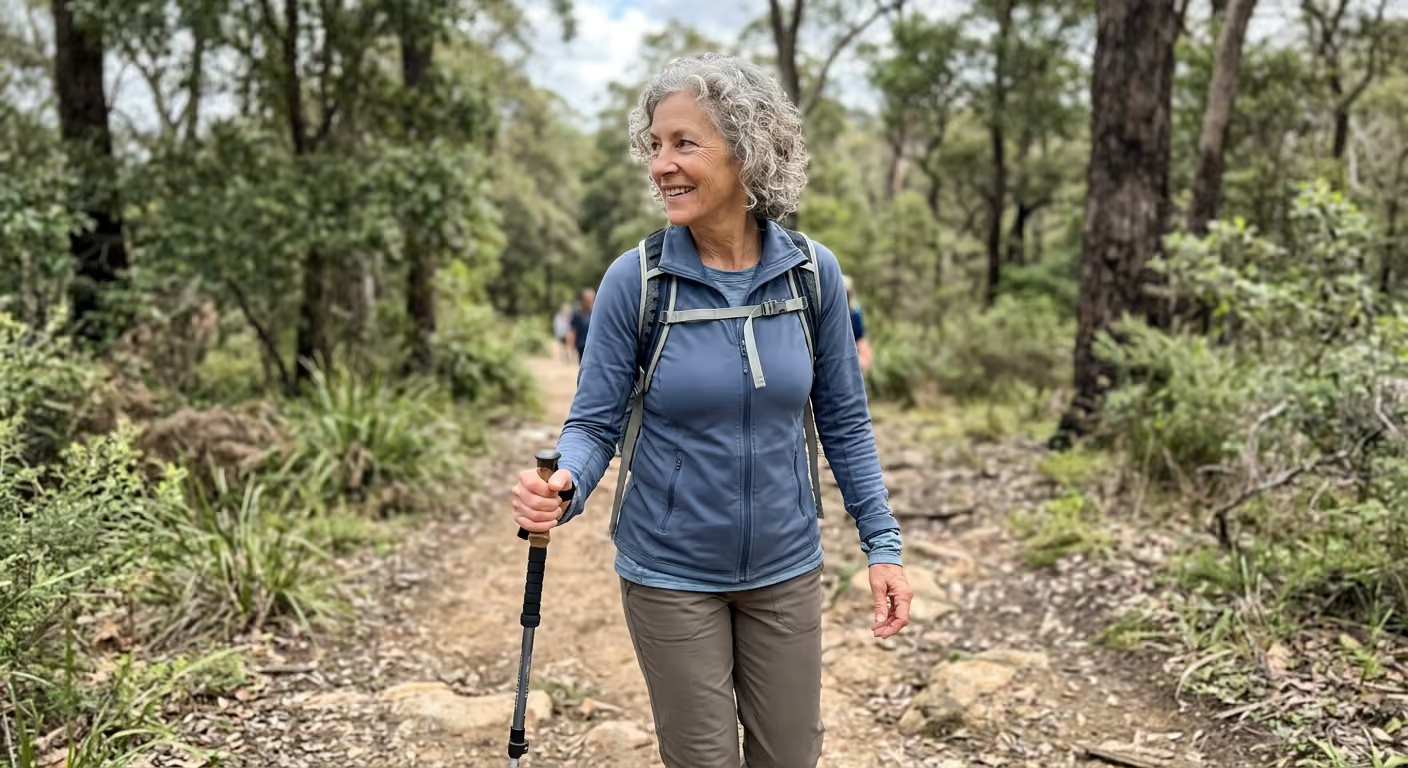

Stepping off a curb or catching a minor stumble tests the underlying resilience of your skeletal system and muscle strength.





How to improve bone density after 40 is one of the most common health queries searched by active adults. Many people believe that bone loss is an inevitable part of getting older, or that sipping calcium-rich drinks and walking around the neighborhood is enough to stay protected. The reality of skeletal longevity is far more dynamic and empowering. This guide provides a complete, research-backed blueprint for building bone density, preserving structural strength, and preventing fractures so you can remain capable and adventurous throughout your life.
Bone health is fundamentally a dual challenge of internal architecture and external physical capability. A high bone mineral density score alone does not guarantee safety from injury. Fracture risk represents the ongoing interaction between bone quantity, bone microarchitecture, muscle power, balance, visual acuity, and your daily physical environment. The National Institute on Aging defines osteoporosis as a condition where bone weakening becomes severe enough that fractures occur from minor incidents. True skeletal resilience requires a comprehensive approach that preserves mineral mass while training your body to absorb force and avoid falls entirely.
A successful bone preservation strategy rests on five foundational pillars. First, you must apply targeted mechanical loading through progressive resistance and safe impact exercises. Second, you must supply the biological raw materials required for remodeling, including adequate protein, dietary calcium, and sufficient vitamin D. Third, you must train the neuromuscular system to maintain lightning-fast balance reactions and stable movement patterns. Fourth, you must audit your environment and habits to minimize unnecessary fall hazards. Finally, you must use smart clinical screening to identify early warning signs before a minor trip results in a major fracture.
More than 53 million adults in the United States currently live with osteoporosis or low bone mass. Fractures are not merely structural breaks; they represent a severe threat to independent living, international travel, and physical confidence. According to data from the Centers for Disease Control and Prevention, more than one in four older adults fall each year, leading to roughly 37 million fall events annually. By approaching bone health as a total functional system, you can build a resilient physical frame that supports active exploration for decades to come.
Bone is not an inert scaffold. It is a living, metabolically active tissue that continuously renews itself through a process known as bone remodeling. This continuous cycle is orchestrated by two primary cell types working in close coordination. Osteoclasts are specialized cells that break down and resorb old or micro-damaged bone tissue. Osteoblasts then move into the excavated areas to lay down fresh collagen matrix, which subsequently mineralizes with calcium and phosphate.
During youth and early adulthood, bone formation outpaces resorption, allowing you to reach peak bone mass by your late twenties. As hormone levels change during midlife, the balance shifts toward greater resorption. In postmenopausal women, the abrupt decline in estrogen accelerates osteoclast activity, leading to rapid mineral loss if not counteracted. In men, the gradual decline in testosterone and growth factors produces a slower, yet steady, reduction in bone volume. The National Institute of Arthritis and Musculoskeletal and Skin Diseases notes that osteoporosis develops when bone loss occurs too rapidly or when replacement bone is formed too slowly.
Bone strength depends on far more than mineral quantity alone. Bone mineral density measures the amount of mineral packed into a specific segment of bone, but it does not capture the full picture of structural integrity. Bone quality involves cortical thickness, the connectivity of the internal honeycomb-like trabecular network, and the geometry of the skeleton. Surrounding muscles also play an indispensable role by absorbing kinetic energy during abrupt movements. When your muscles are strong and responsive, they dissipate impact forces before those stresses can overwhelm the skeleton.
Understanding this biological balance reveals why passive approaches fail. Sitting less and walking more is a valuable foundation, but bone cells require distinct physical signals to justify the metabolic cost of building new tissue. Mechanical strain bends the bone matrix microscopically, generating fluid flow across osteocytes, the master sensor cells embedded within the bone. These fluid shear stresses signal osteoblasts to deposit new mineral right where force is applied. To build stronger bones, you must consistently deliver purposeful mechanical loads through your muscles and joints.
To stimulate bone remodeling, physical forces must exceed the habitual loads of daily sedentary life. Resistance training generates profound muscular tension across tendons, pulling directly on skeletal attachment points. Clinical guidelines consistently recommend moderate to vigorous progressive resistance training at least twice per week to build and preserve skeletal structure. The Royal Osteoporosis Society emphasizes that effective resistance training should utilize loads that can be lifted safely for approximately 8 to 12 repetitions before reaching muscular fatigue.
A comprehensive skeletal loading routine must train the major compound movement patterns that support daily function and protect high-risk fracture zones. The hips, spine, and wrists are the most vulnerable sites for osteoporotic fractures. Incorporating multi-joint movements provides the targeted strain necessary to reinforce these specific anatomical regions. You can explore structured protocols for these movement patterns within our collection of strength and physical performance resources.
Progressive overload is the governing principle of skeletal adaptation. You must gradually increase the difficulty of your training over time rather than lifting the exact same weight indefinitely. Start by mastering movement mechanics using body weight or light resistance bands. Once your form is locked in, increase repetitions, add external resistance, or introduce controlled tempo variations. If you have an existing diagnosis of low bone density, work closely with a physical therapist to avoid excessive spinal flexion under heavy spinal loads.
Impact loading provides an additional, highly effective stimulus for bone mineral accrual. Ground reaction forces generated during impact send rapid shockwaves through the skeleton, stimulating osteocyte signaling far more efficiently than steady-state aerobic exercise. Australian clinical guidance recommends incorporating roughly 50 varied impact movements into your training sessions on most days. For healthy adults, this can include skipping rope, hopping, low box jumps, tennis, or stair running.
Impact training must always be calibrated to your individual baseline, joint health, and prior fracture history. A beginner or someone returning from injury should start with brisk walking, fast stair ascents, and controlled heel drops before progressing to dynamic hops. Individuals with existing vertebral compression fractures or advanced joint osteoarthritis should avoid high-velocity jumping and instead focus on heavy, slow resistance training. Tailoring the mechanical stimulus ensures you gain maximum bone-building benefits while minimizing orthopedic risk.
A robust skeleton is only half of the fracture prevention equation. You cannot fracture a bone from trauma if you do not experience the impact of a fall in the first place. The Centers for Disease Control and Prevention reports that the fall-related mortality rate among older adults has risen sharply in recent years. More importantly, falls often lead to a downward spiral of immobility, hospital admissions, fear of activity, and loss of independence. Protecting your physical freedom requires dedicated balance and agility training.
Balance is a complex neuromuscular skill involving your visual system, inner ear vestibular mechanisms, and deep joint proprioceptors. As we age, reaction time slows and sensory input becomes less distinct, which can turn a minor sidewalk trip into a severe accident. Generic stretching or seated exercises do not provide the dynamic challenge needed to preserve balance. Effective balance training must intentionally challenge your stability across multiple planes of motion.
The safest way to train balance is under the principle of high challenge in a low-risk environment. Always set up near a sturdy wall, kitchen counter, or stable support bar that you can grab instantly if you lose your footing. Never practice high-level balance drills while standing on unstable surfaces without nearby support. Research shows that engaging in challenging balance and functional movement training for two to three hours per week produces the greatest reductions in fall frequency.
Integrating mindful movement practices such as Tai Chi or targeted mobility routines can dramatically enhance your body awareness and lower-body strength. These disciplines emphasize smooth weight transitions, rotational control, and deliberate foot placement. Developing absolute control over your center of mass gives you the confidence to navigate crowded city streets, steep mountain trails, and unfamiliar terrains safely. Cultivating physical capability through smart training is a cornerstone of healthy aging and living well.
Mechanical loading provides the physical stimulus for bone growth, but your diet supplies the necessary molecular building blocks. Without adequate raw materials, your body cannot synthesize new bone matrix or maintain optimal muscular power. Bone nutrition extends far beyond basic calcium tablets; it requires a balanced intake of high-quality protein, essential vitamins, and adequate overall energy.
Calcium is the primary mineral constituent of the skeletal matrix. The Bone Health and Osteoporosis Foundation recommends a total daily calcium intake of 1,000 milligrams for women aged 50 and younger and men aged 70 and younger. This recommendation rises to 1,200 milligrams daily for women aged 51 and older and men aged 71 and older. You should prioritize obtaining calcium from whole-food sources because dietary calcium is absorbed efficiently and supports overall metabolic health.
If your dietary intake falls short of daily targets, targeted supplementation can fill the gap. However, more is not necessarily better when it comes to calcium supplements. High-dose calcium pills taken all at once can cause digestive distress and may not be utilized effectively by your tissues. If you need supplemental calcium, split your dose into amounts of 500 milligrams or less taken with meals for optimal absorption.
Vitamin D plays an essential role in bone metabolism by facilitating calcium absorption in the gastrointestinal tract. The National Institutes of Health Office of Dietary Supplements notes that severe vitamin D deficiency leads to soft, poorly mineralized bones. Maintaining serum 25-hydroxyvitamin D concentrations between 30 and 50 ng/mL supports optimal skeletal function. Many active adults require 800 to 2,000 IU of supplemental vitamin D3 daily, especially if they have limited sun exposure, darker skin pigmentation, or digestive malabsorption.
Dietary protein is equally critical for fracture prevention. Bone tissue is roughly 50 percent protein by volume, embedded within a mineralized matrix. Ingesting sufficient protein stimulates the production of insulin-like growth factor 1, which promotes bone formation and preserves lean muscle mass. Aim for 1.2 to 1.6 grams of protein per kilogram of body weight each day, distributed evenly across your meals. Pair this nutritional focus with strategies found in our nutrition and metabolism guidance to keep your physical frame strong and metabolically resilient.
Adequate overall energy intake is another vital, yet frequently overlooked, factor. Chronic low energy availability suppresses reproductive hormones like estrogen and testosterone, accelerating bone mineral resorption. Maintaining a stable, healthy body weight protects your bone density and cushions vulnerable skeletal structures against unexpected falls. Avoid crash dieting, limit heavy alcohol consumption, and completely eliminate tobacco use to keep your bone remodeling machinery running smoothly.
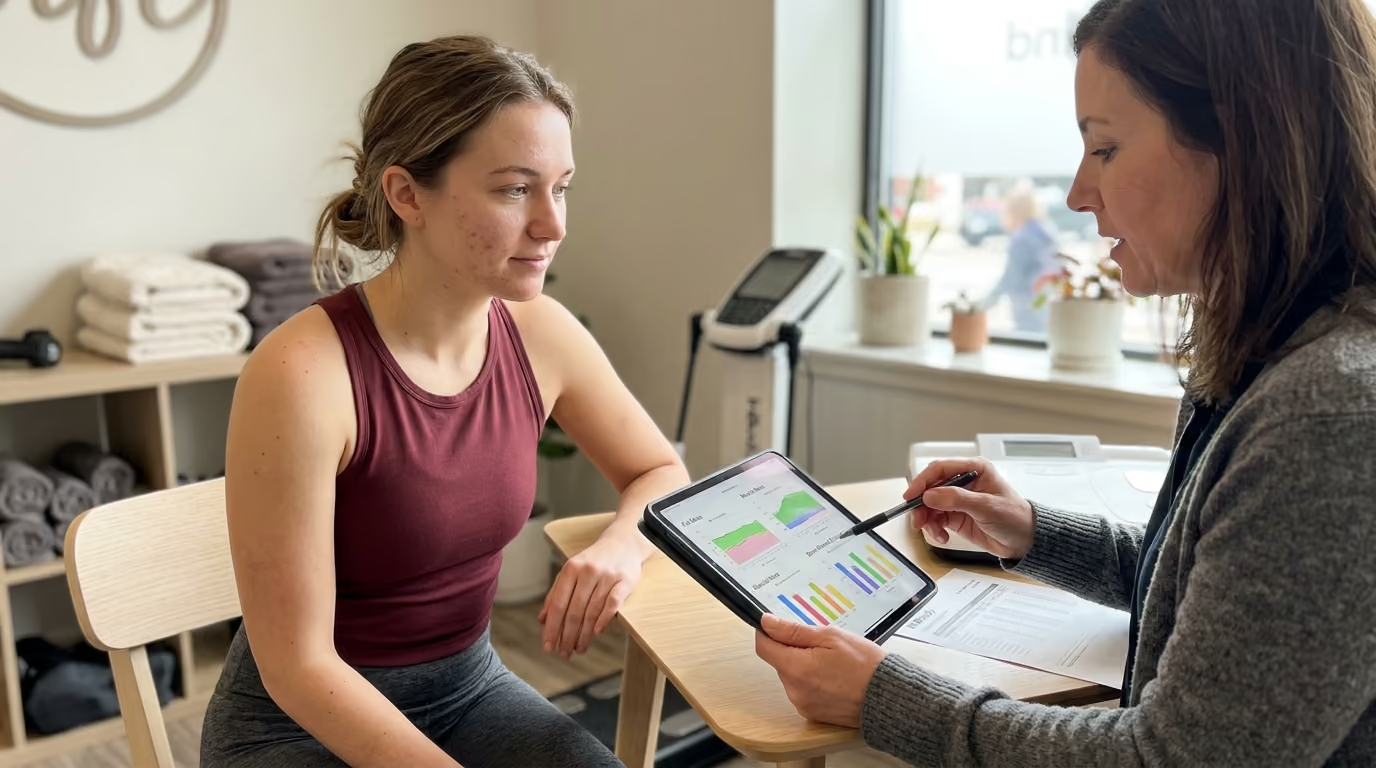
Osteoporosis is frequently referred to as a silent condition because bone loss occurs without noticeable symptoms until a fracture occurs. You cannot feel your bones losing density over time. Comprehensive screening and early clinical risk assessment are crucial for identifying vulnerabilities before an injury happens. Taking a proactive approach allows you to implement targeted training and medical interventions early.
Dual-energy X-ray absorptiometry, commonly known as a DXA scan, is the gold standard for measuring bone mineral density. A DXA scan evaluates the mineral content of your lumbar spine, total hip, and femoral neck, comparing your results to those of a healthy young adult. This comparison generates a T-score that categorizes your skeletal status. A T-score of -1.0 or higher is considered normal, while a score between -1.0 and -2.5 indicates osteopenia, and a score of -2.5 or lower defines osteoporosis.
The U.S. Preventive Services Task Force recommends routine DXA screening for all women aged 65 and older. Postmenopausal women younger than 65 should be screened if clinical risk assessments indicate an elevated fracture probability. While routine screening recommendations for men remain individualized, men over 50 with clinical risk factors should discuss bone density testing with their physicians. You should seek an immediate clinical bone evaluation if you experience an adult fragility fracture, height loss of more than one inch, or extended use of glucocorticoid medications.
Bone mineral density scores provide valuable information, but they are only one component of your overall fracture profile. Clinicians utilize comprehensive risk calculators, such as the FRAX tool, to estimate your ten-year probability of experiencing a major osteoporotic fracture. These algorithms factor in your age, body mass index, parental fracture history, smoking status, alcohol intake, and secondary medical conditions. A person with mild osteopenia and multiple lifestyle risk factors may face a higher real-world fracture risk than someone with lower bone density who possesses exceptional strength and balance.
If clinical screening reveals significant bone loss, modern pharmacological treatments can dramatically reduce future fracture rates. Medications such as bisphosphonates, RANK ligand inhibitors, and bone-building anabolic agents work to slow down resorption or stimulate new bone formation. Medication should never replace mechanical loading and smart nutrition; rather, it serves as a powerful medical adjunct for those at high risk. Work closely with your physician to determine if pharmacotherapy is appropriate for your personal health profile.
True skeletal health is about maintaining the freedom to explore the world without fear. Active travel places demanding physical stresses on your body. Navigating crowded transit hubs, hauling heavy luggage into overhead bins, and traversing uneven historic cobblestones all require robust bone strength, muscular power, and reactive balance. Preparing your body for these adventures requires translating clinical concepts into real-world physical capability.
In our experience, long travel journeys create hidden physical fatigue that amplifies fall risks. After a grueling thirty hour transit to Tokyo, I realized my old strategy of just powering through was no longer working. I felt foggy for three days. I started digging into circadian biology and realized that timing my light exposure and fasting during the flight could completely shift my recovery. Now, I never board a long haul flight without a precise schedule for when to eat and when to put on an eye mask. It is the difference between losing a week of your trip and hitting the ground running.
Fatigue directly impairs neuromuscular coordination, making missteps and stumbles significantly more dangerous when you are exhausted in an unfamiliar city. When preparing for an active trip, you must build physical reserves that exceed the demands of your itinerary. If you plan to walk 15,000 steps daily across hilly terrain, train your legs and hips with loaded step-ups, incline walking, and multi-directional balance drills weeks before departure. You can discover more expedition planning strategies in our dedicated travel and adventure articles.
While traveling, maintain proactive spatial awareness to reduce fall exposures. Keep your hands free while descending steep or damp stairways so you can immediately grasp the handrail if you lose your footing. Ensure hotel walkways and bathrooms are adequately lit during the night to prevent disoriented stumbles in the dark. By treating bone health as an active performance asset, you preserve your capability to travel boldly, hike remote paths, and experience life on your own terms.
Widespread misinformation surrounds bone health, often causing people to follow ineffective routines or unnecessarily restrict their activities. One prevalent myth is that walking alone provides all the exercise your bones will ever need. Walking is a wonderful cardiovascular habit with immense systemic benefits, but it does not generate enough muscular tension or ground impact to stimulate significant bone remodeling in healthy adults. To build real skeletal strength, you must supplement walking with dedicated resistance and impact training.
Another common misconception is that a bone density diagnosis of osteopenia or osteoporosis means you should avoid all heavy lifting. Fear of movement often leads individuals to become overly fragile. While you should avoid improper technique and extreme spinal flexion under load, lifting appropriately heavy weights under control is precisely what your skeleton needs to stay resilient. Total rest and avoiding mechanical strain will only accelerate mineral loss over time.
Many people also assume that consuming massive doses of calcium and vitamin D supplements will automatically guarantee impenetrable bones. The human body does not work like a simple storage silo. Without the mechanical stimulus of resistance training, surplus calcium cannot be incorporated into the skeletal matrix. Furthermore, excessive supplement intake can lead to kidney issues and gastrointestinal discomfort. Focus on achieving nutritional adequacy through balanced whole foods rather than relying on megadoses of isolated pills.
Finally, never view a fracture from an everyday stumble as just bad luck. Breaking a bone after falling from standing height is a clinical warning sign that warrants an immediate medical evaluation. Investigating underlying causes, assessing secondary bone conditions, and reviewing medications can prevent future, more severe injuries. Take every physical signal seriously and address low bone mass with a proactive, structured strategy.
Building strong bones and preventing fractures does not require living in the gym or completely overhauling your daily routine. Consistency and progressive challenge matter far more than extreme, exhausting workouts. You can stimulate bone remodeling, sharpen your balance, and protect your physical independence with a streamlined, highly practical routine that fits seamlessly into an active lifestyle.
Focus on executing two full-body resistance sessions each week, lasting roughly 35 to 45 minutes each. Select four to five compound movements that target your legs, hips, back, and shoulders. Lift weights that challenge your muscles within the 8 to 12 repetition range, ensuring the final few repetitions feel moderately difficult while maintaining pristine form. Pair this strength work with two minutes of daily balance challenges, such as standing on one leg while brewing your morning coffee or brushing your teeth.
Integrate quick impact micro-doses into your ordinary daily patterns. Stamping your feet firmly, taking stairs two at a time, or doing twenty low hops in the afternoon provides the rapid mechanical strain bone cells crave. Combine these physical habits with sensible nutritional choices and regular recovery protocols. You can find comprehensive recovery methods within our library of recovery and regeneration guides.
The broader medical and scientific community agrees that fracture prevention requires a coordinated, multi-system approach. Major health authorities, including the Bone Health and Osteoporosis Foundation, the Royal Osteoporosis Society, and the National Institute on Aging, emphasize that skeletal integrity cannot be separated from neuromuscular capacity. Preserving your physical autonomy as you age demands equal attention to internal bone density and external movement mechanics.
Consensus guidelines published in the British Journal of Sports Medicine emphasize that progressive resistance training and multidirectional impact exercise are both safe and highly effective for improving bone mineral density and functional performance. When programs are tailored properly to an individual's capabilities, the benefits of exercise vastly outweigh the risks. Even individuals with established osteoporosis can safely participate in modified strength training under proper professional guidance.
Clinical consensus regarding nutrition highlights the primacy of whole-food adequacy over high-dose supplementation. Calcium and vitamin D are indispensable for bone maintenance, but they must be integrated within a diet rich in high-quality protein and balanced micronutrients. Routine screening via DXA scans and clinical risk tools like FRAX remain essential for identifying high-risk individuals and guiding medical treatments. When you combine progressive physical training, targeted nutrition, and timely medical screening, you build a resilient foundation for lifelong vitality and longevity and living well.
To translate this guide into immediate physical results, follow this straightforward action checklist over the coming week:
Stay connected for research and practical guidance on longevity, strength, recovery, energy and active living. New ideas to help you stay capable, curious and ready for more.


Explore practical guidance on strength, recovery, energy, travel and longevity for a life that stays active.
explore the Blog