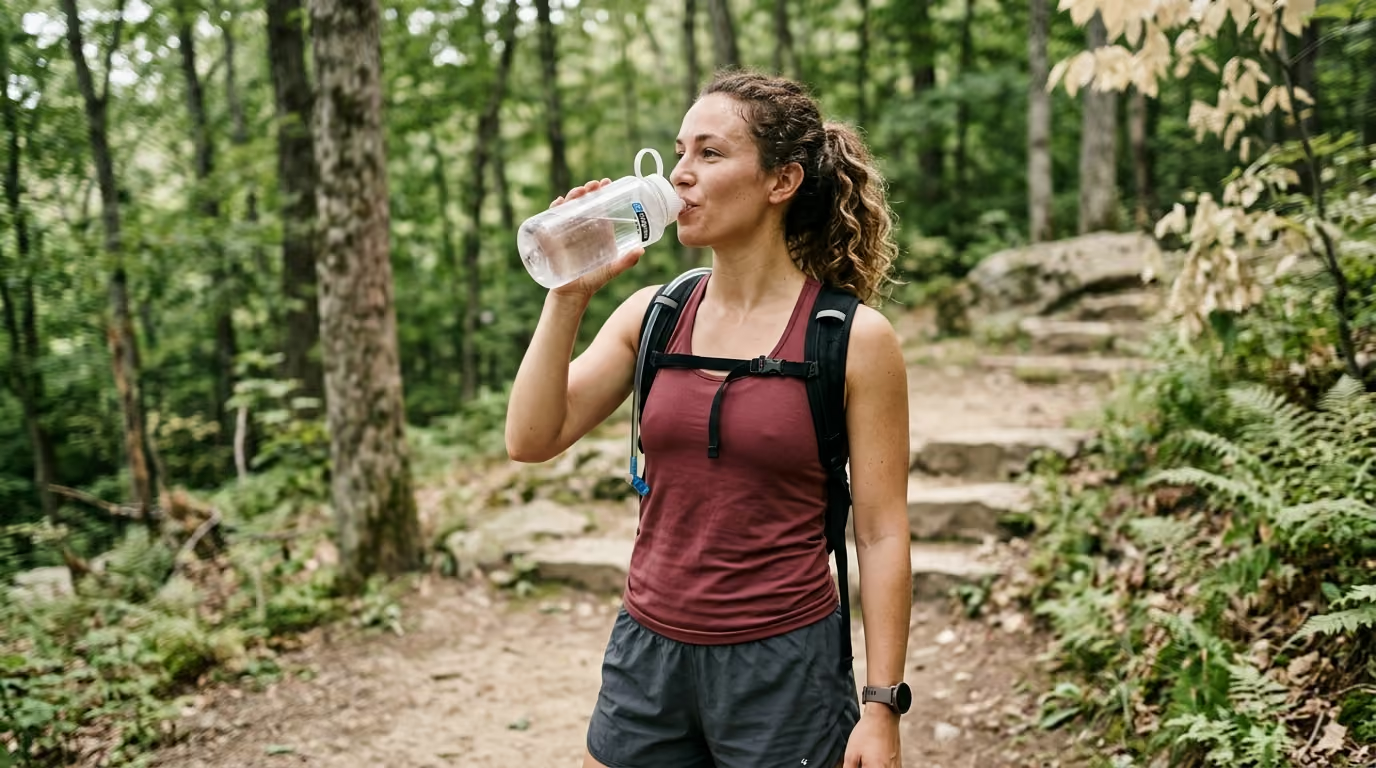

Sustained daily energy and sharper mental focus come from balancing personal fluid needs with proper sodium levels instead of drinking excessive amounts of plain water.





Many adults search for reasons behind afternoon brain fog, sudden drops in stamina, or lingering muscle fatigue. The most common advice found online suggests drinking several liters of plain water daily or adding electrolyte packets to every glass.
The relationship between water, electrolytes, physical capacity, and mental clarity is far more nuanced. Fluid balance is not a game of maximum consumption. It is an active biological regulation system that balances water, sodium, body temperature, kidney function, and energy demands across changing environments.
This guide provides a definitive framework for managing hydration and electrolytes. You will learn the physiology of fluid regulation, how hydration impacts cognition, how to calculate your personal sweat rate, and how to navigate heat, altitude, and international travel without overdrinking.
Hydration is the precise management of body fluid volume and mineral concentration. The primary goal is avoiding both meaningful fluid deficits and excessive fluid consumption that dilutes blood sodium.
Everyday hydration is not synonymous with electrolyte supplementation. Healthy adults obtain almost all necessary minerals from a balanced diet containing whole foods. Concentrated electrolyte drinks become relevant only during extended exercise, heavy sweating, severe environmental heat, or when whole food is unavailable.
Your daily fluid requirement can be summarized by a simple relationship:
Baseline water turnover plus environmental losses plus activity-related sweat losses minus water obtained from food and metabolic processes.
Because sweat rates, body size, climate, and metabolic rates vary drastically between individuals, universal fluid targets like eight glasses a day or a rigid gallon target are biologically flawed. Applying practical, thirst-guided hydration combined with objective sweat-rate testing preserves physical endurance, protects mental clarity, and eliminates the risk of dangerous overhydration.
Body water makes up roughly fifty to sixty-five percent of total body mass in adults. This water is distributed across two primary compartments: intracellular fluid, which sits inside your cells, and extracellular fluid, which includes blood plasma and the fluid between tissues. Maintaining the proper balance between these compartments is essential for cardiovascular stability, nutrient transport, and cellular communication.
Osmolality describes the concentration of dissolved particles, such as minerals and glucose, in a given volume of fluid. The body works continuously to keep plasma osmolality within a remarkably tight range.
When you lose fluid through breathing, urination, or light perspiration, extracellular fluid becomes slightly more concentrated. This shift draws water out of cells through osmosis to maintain equilibrium. Specialized sensors in the brain called osmoreceptors detect this minor increase in concentration and trigger thirst while signaling the kidneys to conserve water.
Electrolytes are minerals that carry an electric charge when dissolved in water. The primary extracellular cation is sodium, which works alongside chloride to regulate blood volume and blood pressure. Sodium determines how much water remains outside the cells and in the bloodstream.
Potassium serves as the primary intracellular cation, supporting cellular membrane potential and normal neuromuscular contractions. Magnesium and calcium participate in hundreds of enzymatic reactions, muscle contractions, and metabolic processes.
Sweat consists primarily of water and sodium chloride, with much smaller concentrations of potassium, calcium, and magnesium. Because sodium is the dominant mineral lost during perspiration, it is the primary electrolyte that requires consideration during prolonged, heavy exertion.
The kidneys act as the primary master control system for fluid and mineral homeostasis. Healthy kidneys filter approximately 180 liters of fluid every day, reabsorbing more than ninety-nine percent of it back into the bloodstream.
When body water declines, the pituitary gland releases antidiuretic hormone, also known as vasopressin. This hormone instructs the renal tubules to reabsorb more water back into circulation, producing a smaller volume of darker, more concentrated urine.
When you drink large volumes of plain water quickly, antidiuretic hormone secretion drops. The kidneys respond by rapidly excreting the excess volume as dilute, pale urine to prevent blood sodium dilution.
Sweating is your primary physiological mechanism for dissipating heat during exercise and environmental exposure. As your core temperature rises, the sympathetic nervous system activates eccrine sweat glands across the skin.
The physical evaporation of sweat from the skin surface transfers thermal energy away from the body. If ambient humidity is high, sweat cannot evaporate efficiently and simply drips off the skin. This leads to substantial fluid and sodium loss without delivering the expected cooling effect.
Sweat rates vary widely based on genetics, body size, aerobic fitness, acclimation status, and environmental conditions. Research shows human sweat rates range from 0.3 liters per hour to more than 2.5 liters per hour during vigorous activity.
Maintaining high mental performance requires consistent cerebral blood flow and stable cellular conditions. When fluid intake drops substantially, subjective alertness and cognitive processing can begin to suffer. Understanding the actual research helps distinguish genuine hydration deficits from ordinary fatigue.
To optimize everyday stamina alongside cognitive clarity, many active adults also evaluate their dietary patterns and metabolic health to ensure consistent cellular energy.
The brain consists of roughly seventy-five percent water and relies on stable vascular pressure to deliver oxygen and glucose. Mild hypohydration, defined as a fluid loss of one to two percent of body mass, can trigger minor physiological compensations.
Studies indicate that these mild deficits may increase the frequency of tension headaches, induce subjective fatigue, and impair working memory. Executive functions that require sustained vigilance, such as long-distance driving or complex analytical work, appear more sensitive to fluid status than simple motor tasks.
Subjective mood often deteriorates before measurable cognitive decline occurs. Individuals frequently report feeling more irritable, lethargic, and mentally strained when underhydrated, even if their baseline cognitive test scores remain stable.
Scientific literature on hydration and cognition contains conflicting findings. While older observational studies suggested that even a one percent fluid deficit universally damages cognitive function, newer systematic reviews present a more nuanced picture.
A major review published by the American Physiological Society notes that a two percent reduction in body mass can impair certain psychomotor tasks and working memory in hot conditions. However, meta-analyses examining mild hypohydration in temperate indoor settings often find no measurable decline in processing speed or analytical capacity.
This divergence occurs because exercise, heat stress, and emotional arousal influence testing outcomes. Physical movement increases arousal, which can temporarily compensate for minor fluid deficits during short mental tests.
Fatigue is a multifaceted symptom with numerous physiological causes. When an executive or athlete feels sluggish mid-afternoon, they often assume they require an electrolyte supplement or a massive volume of water.
In many cases, afternoon lethargy stems from poor sleep architecture, a high-glycemic lunch, psychological stress, or prolonged sedentary time. Underhydration is only one potential factor among many.
For standard indoor office work, forced drinking beyond natural thirst does not produce superior concentration or higher mental stamina. Responding promptly to natural thirst cues while eating balanced meals is the most effective approach for maintaining daily cognitive sharpness.
Readers looking to build sustainable daily vitality can explore our dedicated resources on energy and mental performance for broader lifestyle frameworks.
Physical performance during athletic training and outdoor adventures depends heavily on effective cardiovascular support. Fluid loss directly challenges the cardiovascular system by reducing circulating plasma volume, which forces the heart to beat faster to maintain cardiac output.
For decades, sports science treated a fluid loss exceeding two percent of baseline body mass as an absolute biological threshold for physical decline. While this guideline remains a useful safety marker, modern research reveals that its impact varies depending on environmental conditions.
In extreme heat and humidity, losing two percent of body mass through sweat noticeably degrades aerobic capacity, increases core temperature, and elevates perceived exertion. Under these demanding conditions, the cardiovascular system struggles to supply working muscles while simultaneously sending blood to the skin for evaporative cooling.
In cool conditions, athletes can often tolerate a fluid loss of up to three percent of body mass without experiencing measurable performance decrements. The body tolerates greater fluid deficits when external thermal strain is low.
When sweating reduces plasma volume during sustained exercise, venous return to the heart declines. To maintain adequate oxygen delivery to active tissues, stroke volume drops and heart rate rises progressively. This physiological phenomenon is known as cardiovascular drift.
As cardiovascular drift intensifies, the body reduces blood flow to the skin to preserve central blood pressure. This protective mechanism limits heat dissipation, causing core body temperature to climb more rapidly.
During high-intensity training, maintaining an appropriate fluid intake helps stabilize stroke volume, moderates heart rate elevations, and keeps internal temperature within a safe operating range.
Those interested in refining their overall physical conditioning can view our detailed guides on performance and fitness.
A widespread belief in fitness culture claims that muscle cramps are caused directly by whole-body sodium depletion or mild dehydration. Athletes who experience painful calf or hamstring spasms often respond by consuming large quantities of salt tablets.
The consensus statement from the International Olympic Committee indicates that most exercise-associated muscle cramps stem from premature neuromuscular fatigue rather than whole-body electrolyte deficits. When a muscle is overworked or undertrained for a specific pace or terrain, spinal reflex mechanisms become altered, causing involuntary sustained contractions.
While severe sodium loss in heavy sweaters working in extreme heat can contribute to cramping in select cases, electrolytes are not a guaranteed cure. Proper pacing, structured strength training, and appropriate conditioning remain the primary defenses against muscle cramping.
For workouts lasting under sixty minutes in moderate temperatures, plain water is entirely sufficient. The body possesses substantial mineral reserves, and sweat losses during short sessions do not compromise plasma stability.
When exercise extends beyond sixty to ninety minutes, particularly in hot environments, carbohydrate-electrolyte beverages provide clear physiological benefits. These drinks deliver three key elements: fluid for circulation, sodium to stimulate glucose absorption and fluid retention, and carbohydrates for muscle fuel.
A sports nutrition review indicates that consuming three to eight fluid ounces of a properly formulated solution every ten to twenty minutes supports sustained output during long endurance efforts. Aiming for thirty to sixty grams of carbohydrates per hour alongside 300 to 600 milligrams of sodium per hour provides an effective baseline for prolonged events in warm climates.
For individuals planning comprehensive recovery strategies after demanding sessions, exploring recovery and sleep systems provides essential complementary guidance.
Because sweat rates differ significantly among individuals, relying on generic hydration guidelines often leads to underdrinking or dangerous overdrinking. Measuring your personal sweat rate under various training conditions provides actionable, reliable data.
You can estimate your hourly sweat rate using an accurate digital bathroom scale and a simple five-step process:
For example, if you weigh 75.0 kilograms before running, weigh 74.3 kilograms afterward, and drank 0.5 liters of water without urinating, your total sweat loss is 1.2 liters for that hour.
A sweat rate test conducted in a cool indoor gym will not reflect your fluid needs during a mountain hike in mid-July. Environmental temperature, radiant heat from the sun, relative humidity, wind speed, and clothing layers directly alter sweat output.
High humidity blunts evaporative efficiency, causing your eccrine glands to produce higher sweat volumes in an attempt to cool your core. Cold weather, conversely, reduces visible sweating while increasing fluid loss through respiration and cold-induced diuresis.
To build an accurate personal hydration profile, perform sweat-rate tests across three distinct conditions: cool indoor training, warm outdoor endurance work, and high-intensity sport sessions.
Applying hydration science requires adapting your approach to the exact demands of your environment and sport. Here is how fluid management looks across five real-world athletic scenarios.
A forty-five-year-old adult completes forty-five minutes of moderate weightlifting in an air-conditioned facility. Sweat output is modest, totaling roughly 0.4 liters across the entire session.
Consuming plain water in response to natural thirst is the ideal strategy here. Supplementing with high-sodium electrolyte powders adds unnecessary salt and calories without offering any performance advantage.
A cyclist rides for two hours in 28°C (82°F) weather with sixty percent relative humidity, recording an estimated sweat rate of 1.0 liter per hour. Total fluid loss reaches 2.0 liters across the ride.
The cyclist should aim to replace roughly sixty to seventy percent of these losses during the ride, consuming approximately 600 to 700 milliliters of fluid per hour. Adding 400 to 600 milligrams of sodium and thirty to forty grams of carbohydrates per liter prevents excessive plasma volume reduction and supports sustained leg power.
A hiker spends six hours ascending through rocky alpine terrain at 3,000 meters (9,800 feet) in dry, crisp air. The individual breathes heavily due to altitude hypoxia and wears multiple clothing layers.
Respiratory water loss is elevated, but the cool air keeps visible sweat moderate. The hiker benefits from drinking 400 to 600 milliliters of fluid per hour containing modest electrolytes, while consuming balanced trail snacks containing sodium, potassium, and complex carbohydrates.
An athlete competes in a fifty-kilometer trail race lasting more than five hours in variable weather conditions. Overdrinking plain water presents a severe medical risk during events of this duration.
The runner should rely on a structured fluid plan guided by thirst and historical sweat rates, never forcing fluids beyond comfort. Consuming solid foods, salted nuts, and measured carbohydrate-electrolyte drinks ensures sodium intake tracks with prolonged sweat losses.
A competitive tennis player experiences severe quadriceps cramping during the third set of tournament matches in hot conditions. The player previously attempted to resolve the issue by consuming pure salt tablets.
A better strategy involves modifying match pacing, introducing targeted eccentric strength training during weekly workouts, and drinking an isotonic carbohydrate-electrolyte beverage. Addressing underlying muscle fatigue alongside baseline hydration resolves the issue far more effectively than salt tablets alone.
To read more about building resilience across demanding physical disciplines, visit our resource section on strength and physical performance.
In modern wellness media, underhydration receives extensive coverage while overhydration is rarely discussed. Consuming excessive fluids relative to renal excretion capacity represents a severe, potentially life-threatening condition known as exercise-associated hyponatremia.
Exercise-associated hyponatremia occurs when blood sodium concentration falls below 135 mmol/L during or up to twenty-four hours after physical exertion. It is primarily caused by drinking fluid volumes that exceed the body's rate of loss from sweating and urination.
When excess water enters the bloodstream, the drop in extracellular sodium creates an osmotic pressure gradient. Water moves out of the blood and into the surrounding tissues, causing cells to swell.
When brain cells swell within the rigid confines of the skull, the resulting cerebral edema causes acute neurological complications. Severe cases can lead to seizures, coma, respiratory arrest, and death.
A popular fitness myth claims that healthy urine must always be completely clear. In reality, producing crystal-clear urine all day often indicates overhydration and unnecessary strain on the kidneys to clear excess fluid.
Healthy, normal hydration typically produces pale straw-colored or light yellow urine. Tracking urine color across an entire day provides a reasonable trend line, but evaluating a single isolated sample can be misleading after consuming vitamins, caffeine, or specific foods.
Another common misconception is that consuming salt tablets permits unlimited water consumption during endurance events. Research confirms that sodium supplements do not prevent hyponatremia if total fluid intake drastically exceeds sweat loss. Drinking to thirst remains the most reliable protection against dilutional hyponatremia.
Diagnosing medical issues during long, hot athletic events requires extreme care because heat exhaustion and exercise-associated hyponatremia share overlapping symptoms. Both conditions can present with nausea, dizziness, severe fatigue, vomiting, and lightheadedness.
Administering large volumes of water to an athlete experiencing hyponatremic encephalopathy can be catastrophic. If an individual displays altered mental status, confusion, or collapse after prolonged exertion, medical personnel must evaluate blood sodium and core temperature before administering intravenous fluids.
Traveling across continents and ascending into alpine environments exposes the body to unique physiological stressors. Dry aircraft cabins and reduced barometric pressure alter respiration, circulation, and fluid turnover.
Active adults who regularly undertake international travel can find comprehensive travel preparation guides in our travel and adventure section.
Commercial aircraft cabins maintain low relative humidity, often dropping below ten percent during long-haul flights. This dry environment accelerates moisture evaporation from the eyes, nasal passages, lips, and exposed skin.
While travelers frequently experience dry throats and irritated eyes, scientific studies demonstrate that the total systemic water loss attributable strictly to cabin air is modest. An environmental review estimated that an eight-hour flight in zero percent humidity increases baseline whole-body water loss by approximately 100 milliliters compared to a normal room.
The fatigue and malaise associated with long flights stem primarily from disrupted circadian rhythms, prolonged sitting, mild hypoxia from cabin pressurization, and sleep deprivation. Drinking water according to natural thirst and avoiding excess alcohol during the flight maintains adequate hydration without requiring specialized electrolyte powders at the airport gate.
Ascending to altitudes above 2,500 meters (8,200 feet) introduces two distinct challenges: reduced ambient oxygen pressure and dry, cold air. The body immediately increases ventilation rate to take in more oxygen, which expels significantly more water vapor through the lungs.
At the same time, hypoxia stimulates the kidneys to excrete bicarbonate and water to balance blood pH. This altitude-induced diuresis further accelerates fluid turnover during the initial days of mountain exposure.
Physical exertion in mountain terrain increases both respiratory losses and sweat production beneath heavy layers. Mountain athletes require roughly 400 to 800 milliliters of fluid per hour during active climbing, paired with moderate sodium to support fluid retention.
A persistent belief among mountaineers is that drinking massive volumes of water prevents acute mountain sickness. Hikers often force down five or six liters of water daily in an effort to ward off altitude headaches.
Medical reviews confirm that excessive water consumption does not prevent or treat altitude sickness. Acute mountain sickness is caused by hypobaric hypoxia and brain swelling, not systemic dehydration.
Forcing excessive fluid intake at altitude can be harmful by promoting fluid retention and dilutional hyponatremia. The correct approach involves drinking enough to satisfy natural thirst, maintaining light straw-colored urine, and allowing the cardiovascular system to acclimate gradually through progressive ascent.
Readers exploring global expeditions can review our resources on travel and human performance for broader preparation strategies.
Managing your hydration should not feel complicated or require obsessive fluid tracking. Adopting a sensible, sustainable routine ensures consistent physical and cognitive performance.
The National Academies established adequate intake values for total daily water at approximately 3.7 liters for men and 2.7 liters for women under normal living conditions. These values include water derived from all sources: tap water, coffee, tea, and solid food.
Whole foods contribute roughly twenty percent of daily water intake. Fresh fruits, vegetables, soups, and lean proteins provide significant cellular water alongside naturally occurring potassium, magnesium, and calcium.
You do not need to measure every milliliter you consume. Drinking water with meals, having a glass upon waking, and keeping a water bottle nearby during desk work easily satisfies baseline requirements for healthy adults.
For everyday living and moderate physical activity, human thirst mechanisms are exceptionally accurate. The brain's osmoregulatory system detects changes in blood concentration as small as one percent, signaling thirst long before meaningful physiological impairment occurs.
Thirst becomes less reliable only under specific conditions: intense competitive sports, extreme environmental heat, high altitude, or in older adults who may experience blunted thirst sensitivity.
Under standard conditions, drinking when you feel thirsty, eating balanced meals, and monitoring your overall energy levels is the most effective approach.
Commercial marketing often implies that active individuals require specialized electrolyte supplements from morning until night. For non-athletes engaged in standard daily tasks, dietary minerals from whole foods are superior and far more economical.
A standard diet containing moderate table salt, leafy greens, root vegetables, nuts, seeds, and fruits delivers ample sodium, potassium, and magnesium. The kidneys readily balance these minerals to maintain blood pressure and cellular hydration.
Save packaged electrolyte formulas for their intended purpose: prolonged endurance sessions, hot-weather athletic competitions, multi-hour outdoor manual work, or recovery from acute gastrointestinal illness.
To learn more about practical, health-focused nutrition strategies, read our guides on longevity and living well.
Leading sports medicine and physiological organizations share clear consensus principles regarding fluid balance:
The American College of Sports Medicine emphasizes that hydration strategies must be individualized. Athletes should use pre- and post-exercise body weight measurements to estimate sweat rates and avoid losing more than two to three percent of body mass in hot conditions.
The International Olympic Committee notes that while sodium replacement supports extended exercise in the heat, exercise-associated muscle cramps are primarily driven by neuromuscular fatigue rather than whole-body salt depletion.
The consensus guidelines on exercise-associated hyponatremia warn against continuous, scheduled drinking that exceeds sweat and urinary losses. Clinicians agree that drinking according to thirst is the single most effective strategy for preventing hyponatremic encephalopathy during endurance sports.
Finally, high-altitude medical authorities confirm that forced hydration does not prevent acute mountain sickness. Acclimatization, reasonable pacing, and thirst-guided fluid intake form the gold standard for high-altitude travel.
Here is a practical checklist you can implement this week to optimize your hydration, focus, and physical endurance:
Stay connected for research and practical guidance on longevity, strength, recovery, energy and active living. New ideas to help you stay capable, curious and ready for more.


Explore practical guidance on strength, recovery, energy, travel and longevity for a life that stays active.
explore the Blog