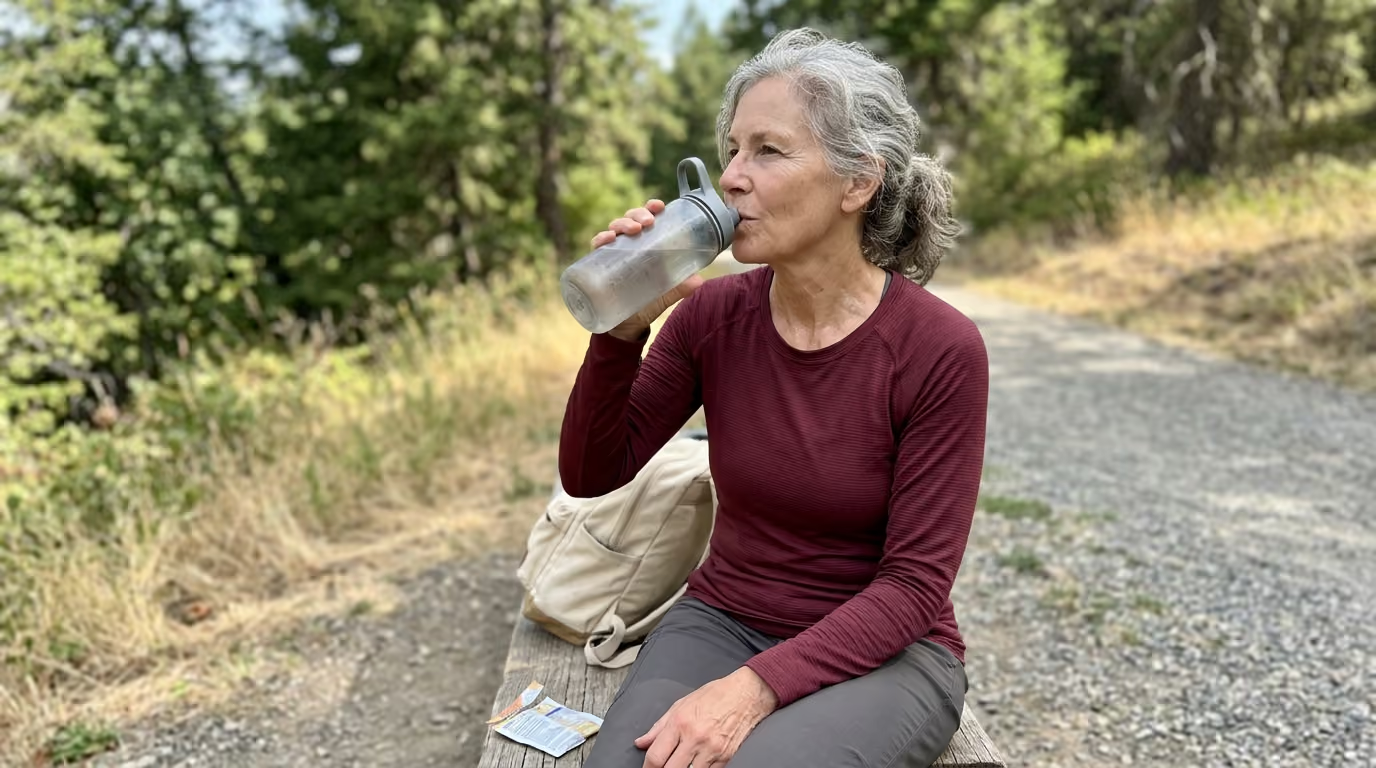

Aging bodies need tailored electrolyte replacement instead of generic water targets to maintain athletic stamina, protect cardiovascular function, and prevent dangerous sodium dilution.





You start a morning hike in the high desert outside Santa Fe feeling strong, clear, and ready for twenty miles. By mile eight, your legs feel unusually heavy, your heart rate sits ten beats higher than normal on modest climbs, and a faint headache settles behind your eyes. You have been drinking water consistently from your pack, yet your mouth feels dry and your energy continues to drop.
This scenario is familiar to many active adults over forty. Hydration is frequently reduced to a simplistic rule about drinking eight glasses of water every day. In reality, human fluid balance is a dynamic physiological process of absorbing, distributing, retaining, and excreting fluid alongside essential minerals.
As we age, the margins for error narrow. Thirst signals become less sensitive, renal concentration mechanisms shift, and cardiovascular reserves adjust to changing demands. Understanding how your body manages water and electrolytes allows you to sustain stamina, sharpen mental clarity, and maintain physical performance across demanding environments.
Hydration is not simply the volume of liquid poured into your body. It is the precise maintenance of fluid volume and mineral concentration across both intracellular and extracellular compartments. For active adults, the central question is never how much water to consume in the abstract. Instead, it is how much fluid and sodium you lose through sweat and respiration, and how effectively your kidneys, cardiovascular system, and hormonal pathways can respond.
Everyday hydration in temperate conditions rarely requires specialized interventions. In standard daily life, plain water paired with regular, balanced meals provides all necessary fluids and minerals. The body extracts sodium, potassium, magnesium, and calcium from whole foods while the kidneys precisely regulate retention.
Specific physiological demands change this dynamic. Prolonged endurance exercise, high ambient heat, low humidity, and long-haul travel accelerate fluid and electrolyte losses. Under these conditions, relying entirely on plain water can dilute blood sodium levels, while drinking on a rigid, excessive schedule introduces the danger of overhydration.
An effective hydration strategy for healthy aging focuses on individual loss rates. By matching fluid and sodium intake to your measured sweat rate, duration of activity, and ambient environment, you protect your physical capacity and cardiovascular health. You can learn more about managing physical capacity over time through our resources on healthy aging and performance.
Total body water naturally decreases as the decades advance. In young adulthood, water accounts for roughly sixty percent of total body mass. By age sixty, that figure often declines closer to fifty percent, largely driven by changes in body composition and a gradual reduction in lean muscle mass, which stores significant intracellular water. A smaller total water pool means that a loss of two liters of fluid represents a larger relative percentage of total body water in a sixty-year-old than in a thirty-year-old.
Body fluid is distributed into two major compartments. Intracellular fluid sits inside your cells and contains the vast majority of your potassium and magnesium. Extracellular fluid includes the blood plasma and interstitial fluid between cells, where sodium and chloride serve as the dominant minerals.
The movement of water between these compartments depends directly on osmolality, which is the concentration of dissolved particles in body fluids. When you sweat, you lose water along with sodium and chloride from the extracellular space. If you replace those losses with massive volumes of plain water without sufficient minerals or food, extracellular osmolality drops. Water then rushes into the cells to equalize osmotic pressure, causing cellular swelling.
Renal function also undergoes subtle adaptations with age. The kidneys become slightly less efficient at concentrating urine during periods of water restriction and take longer to clear massive fluid loads. The sensation of thirst, regulated by osmoreceptors in the brain, responds more slowly to rising blood osmolality.
This means older adults often do not feel thirsty until a measurable fluid deficit has already developed. Relying strictly on thirst during intense heat or endurance exercise can leave you behind your hydration needs. Conversely, forcing fluid without measuring losses can overwhelm the kidneys and lead to dangerous fluid retention.
Hormonal regulation plays an equally vital role. Antidiuretic hormone, also known as vasopressin, signals the kidneys to retain water when blood volume falls or osmolality rises. Aldosterone directs the kidneys to reabsorb sodium and excrete potassium to maintain blood pressure.
Cardiovascular medications, blood pressure drugs, and diuretics directly modify these hormonal pathways. Understanding your baseline physiology helps you make informed choices about daily fluid intake, athletic performance, and recovery. To explore how physical training interacts with these physiological systems, read our guide on strength and physical performance.
Sweat loss during physical activity is highly individual. Two runners of identical age, weight, and fitness completing the same trail run in ninety-degree heat can experience wildly different fluid and mineral losses. One may lose half a liter of fluid with low salt content, while the other loses two liters of heavily concentrated sweat.
Sweat rate measures the total volume of fluid your body expels per hour of exertion. It is determined by exercise intensity, ambient temperature, humidity, wind velocity, clothing choices, and individual heat acclimatization.
Sweat sodium concentration measures the amount of sodium dissolved in each liter of that sweat. Research shows that sweat sodium concentration varies dramatically across healthy individuals, ranging from 7.0 mmol/L to 95.5 mmol/L, with an average around 42.9 mmol/L. This translates to roughly 160 milligrams to over 2,200 milligrams of sodium lost per liter of sweat.
Understanding the difference between dietary salt and elemental sodium is critical for accurate calculations. Sodium chloride, or table salt, is approximately 39 percent elemental sodium by weight. One gram of table salt provides roughly 390 milligrams of sodium, while one full gram of elemental sodium requires consuming approximately 2.54 grams of salt.
Commercial electrolyte products are labeled by their milligrams of elemental sodium. You must read these nutrition labels carefully to know exactly how much mineral content you are taking in.
Many active adults describe themselves as "salty sweaters" based on white residue left on dark clothing or stinging in the eyes. While visible salt rings indicate that sodium is leaving the body, they do not provide an exact concentration figure.
Skin surface contamination, rapid evaporation in dry air, and clothing fabric can all create the appearance of heavy salt deposits. Accurate management relies on field measurements and systematic observations rather than guesswork.
Calculating your sweat rate is a straightforward field assessment that requires only a reliable digital scale and a standard training session. This calculation provides an objective baseline for your fluid losses under specific environmental conditions.
Perform the test during a workout that represents your typical training intensity and duration:
The mathematical formula established by the National Athletic Trainers' Association is:
To find your hourly sweat rate, divide the total sweat loss by your workout duration:
Consider a concrete example. A cyclist weighs 75.0 kilograms before a ninety-minute ride in warm weather. Over the course of the 1.5-hour session, the cyclist drinks 0.6 liters of water and does not urinate.
At the end of the ride, their post-exercise dry weight is 74.2 kilograms. The calculation looks like this:
This cyclist loses nearly one liter of fluid for every hour spent riding at that specific intensity and temperature. A single sweat test provides a snapshot of that specific day.
Because sweat rates change with rising temperatures, climbing humidity, higher pacing, and heat acclimatization, you should repeat this test across different seasons. Doing so builds an accurate, individualized hydration map for your favorite sports. For strategies on pairing hydration with systemic recovery protocols, review our recovery and regeneration guides.
A major point of confusion in modern wellness culture is the belief that every glass of water must contain added electrolytes. For the majority of daily activities, plain water is entirely sufficient.
The National Academies establish population-level Adequate Intake guidelines for total water at roughly 3.7 liters daily for adult men and 2.7 liters for adult women. These values represent total water from all sources, including plain water, other beverages, and the moisture found in whole foods.
In a typical mixed diet, solid food supplies approximately twenty percent of your daily water intake. Fruits, vegetables, soups, and lean proteins provide significant fluid volume alongside organic potassium, magnesium, and sodium.
Plain water is the ideal choice when your physical activity lasts under sixty minutes in mild or climate-controlled conditions. It is also the correct default during ordinary workdays, leisure walking, and standard strength training sessions. In these settings, sweat losses are modest, and the sodium consumed during your regular meals comfortably restores any minor mineral deficits.
Electrolyte supplementation becomes valuable when specific physiological thresholds are crossed. You should consider dedicated sodium and fluid replacement when:
The American College of Sports Medicine suggests a starting sodium concentration of 0.5 to 0.7 grams of elemental sodium per liter of fluid during sustained, sweaty exercise lasting longer than one hour. This concentration improves beverage palatability, stimulates the voluntary drive to drink, and promotes fluid retention in the vascular space.
It does so without requiring specialized commercial powders if you prefer whole-food alternatives. Salty pretzels, salted nuts, broths, and mineral-rich foods eaten alongside plain water can accomplish the exact same physiological goal. To learn how nutritional strategies enhance physical capacity, browse our collection of nutrition and metabolism insights.
While dehydration receives significant media attention, overhydration represents a severe, potentially life-threatening condition for endurance athletes and active adults. Exercise-Associated Hyponatremia, or EAH, occurs when blood sodium levels drop below 135 mmol/L during or immediately following physical exertion.
Hyponatremia is rarely caused by sweating out too much salt on its own. Instead, it is primarily an issue of water excess caused by drinking more fluid than the kidneys can excrete.
When an athlete drinks continuously on a predetermined, aggressive schedule, excess water dilutes the extracellular fluid. The body cannot clear the fluid surplus rapidly enough, particularly when high exercise intensity temporarily suppresses renal blood flow and elevates antidiuretic hormone.
Drinking commercial sports drinks does not provide immunity against hyponatremia. Almost all sports drinks are hypotonic compared to human blood, containing far less sodium per liter than your plasma. If you drink two liters of sports drink per hour while only sweating out one liter of fluid, you will dilute your blood sodium despite the electrolytes in the bottle.
The early symptoms of exercise-associated hyponatremia are easily mistaken for dehydration, creating a dangerous trap. An overhydrated athlete who feels lightheaded, nauseous, bloated, or fatigued may assume they need to drink even more water.
As cellular swelling progresses to the brain, severe symptoms appear. These include throbbing headaches, confusion, slurred speech, agitation, seizures, and loss of consciousness.
Preventing hyponatremia requires adherence to a fundamental rule established by sports medicine authorities: never gain weight during an exercise session. Gaining weight over the course of a workout is definitive proof that you consumed more fluid than you lost through sweat and respiration.
A well-managed hydration plan aims to limit body weight losses to roughly one to two percent of baseline mass without ever finishing a session heavier than you started.
Applying hydration science requires adjusting your approach to match the specific physical demands of your environment. Mountain environments, summer heat waves, and multi-hour cycling excursions each impose unique stresses on your cardiovascular and thermoregulatory systems.
Consider an active sixty-five-year-old embarking on a three-hour alpine hike in warm, dry mountain air. At altitude, respiratory water loss increases significantly due to hyperventilation in thin, dry air, even if sweat evaporates so quickly that the skin feels dry.
If this hiker starts with a 500-milliliter pre-hydration beverage two hours before the ascent, their vascular volume is supported before stepping onto the trail. During the hike, consuming roughly 500 to 700 milliliters of fluid containing 300 to 500 milligrams of sodium per hour keeps pace with losses. Eating a small snack containing complex carbohydrates and salt at the trail summit maintains energy availability and supports intestinal fluid absorption.
Now consider a seventy-year-old cyclist completing a four-hour road ride in high summer temperatures. In hot conditions, cutaneous blood vessels dilate to transfer heat from the core to the skin surface, placing higher demands on cardiac output and stroke volume.
If blood plasma volume drops from heavy sweating, the heart must beat faster to maintain arterial blood pressure, a phenomenon known as cardiovascular drift.
Heat acclimatization profoundly alters fluid dynamics. Over ten to fourteen days of repeated heat exposure, the body adapts by sweating earlier in the workout and increasing total sweat volume.
Simultaneously, the sweat glands become more efficient at conserving sodium, reducing sweat mineral concentration. A hydration plan dialed in during cool spring training must be recalibrated when summer heat arrives. To keep your daily energy steady across changing seasons, read our articles on energy and mental performance.
Long-distance air travel introduces distinct physiological disruptions that impact physical capability upon arrival. Aircraft cabins maintain artificial pressure equivalents of 6,000 to 8,000 feet above sea level, with relative humidity levels often falling below twenty percent.
While this dry cabin environment increases respiratory water loss, the primary hydration challenges of international travel stem from behavioral disruptions. Travelers frequently alter their normal drinking routines, consume excess caffeine or alcohol, skip balanced meals, and sit immobile for extended periods.
In our experience, addressing these travel-induced shifts requires a structured routine rather than haphazard fluid intake. After a grueling thirty-hour transit to Tokyo, our team realized that our old strategy of simply powering through was no longer working. We felt foggy, lethargic, and physically flat for three full days upon arrival.
We began studying circadian biology and discovered that combining planned hydration, strategic light exposure, and precise fasting windows during transit could fundamentally shift post-flight recovery. Now, we never board a long-haul flight without a clear plan for when to drink, when to eat, and when to rest.
It is the difference between losing the first week of an expedition to mental haze and hitting the ground running. You can explore our dedicated operational frameworks in our travel and human performance collection.
When traveling for alpine skiing, desert trekking, or high-altitude climbing, allow at least forty-eight hours for your hydration and cardiovascular systems to adjust before tackling peak physical efforts. Sip water steadily according to thirst, eat regular meals, and monitor morning resting heart rate and urine color to gauge baseline readiness.
Misconceptions around hydration are widespread. Separating evidence-based physiology from marketing claims ensures you protect your health while avoiding unnecessary supplements.
The rigid rule to drink eight glasses of water per day has no basis in modern physiology. Human fluid requirements fluctuate based on body mass, muscle percentage, activity level, climate, and diet.
A sedentary person eating water-rich produce in a cool climate requires far less fluid than an active adult training in high heat. Focus on total water intake from all sources rather than forcing plain water to hit an arbitrary number.
While dark, concentrated urine suggests a fluid deficit, crystal-clear urine produced all day long often indicates over-drinking. Urinating clear water every thirty minutes simply means your kidneys are working continuously to expel excess fluid volume.
A pale straw or light yellow color represents a healthy, balanced state of fluid concentration and kidney function.
For decades, exercise-associated muscle cramps were attributed exclusively to low sodium or fluid deficits. Modern sports science shows that muscle cramping is multifactorial, frequently stemming from neuromuscular fatigue, unaccustomed exercise loads, or central nervous system strain.
While severe electrolyte imbalances can contribute to muscle irritability, taking massive salt doses will not prevent cramps caused by muscular fatigue.
Commercial electrolyte packets containing high levels of sodium, potassium, and magnesium are not universally safe. Older adults taking ACE inhibitors, angiotensin receptor blockers, or potassium-sparing diuretics must exercise caution with supplemental potassium.
Similarly, individuals managing hypertension, heart failure, or chronic kidney disease should never adopt high-sodium athletic protocols without explicit physician guidance.
You do not need complicated tracking applications, wearable fluid sensors, or proprietary supplement regimes to manage your hydration effectively. A simple, repeatable framework provides maximum physiological benefits with minimal friction.
Follow this minimal effective checklist to keep your routine uncomplicated:
This streamlined protocol respects your body's innate regulatory systems while providing targeted support when genuine environmental or athletic challenges arise.
Hydration in the second half of life cannot be separated from clinical medicine. Active adults often maintain outstanding fitness while taking prescription medications that directly influence fluid regulation and thermoregulation.
Loop diuretics, such as furosemide, block sodium and chloride reabsorption in the kidneys, creating significant fluid excretion. While effective for clinical management, these medications increase vulnerability to dehydration and electrolyte imbalances during summer heat waves.
The Centers for Disease Control and Prevention explicitly advises clinicians to review and adjust fluid recommendations for patients taking medications that alter hydration status during periods of high heat.
Blood pressure medications, including beta-blockers and ACE inhibitors, also alter physiological responses to exercise. Beta-blockers reduce peak heart rate and cutaneous blood flow, impairing the body's natural heat dissipation mechanisms.
ACE inhibitors and ARBs alter renal hemodynamics and potassium excretion. Adding high-dose potassium supplements or aggressive sodium loads to these medication regimens can lead to dangerous cardiovascular instability.
If you manage a chronic medical condition or take daily prescription drugs, treat your hydration as a clinical conversation. Speak with your physician about how your exercise routine, travel plans, and supplement choices interact with your prescriptions.
Leading sports medicine and physiological research institutions share a clear, coherent consensus regarding fluid balance in active older adults. Organizations including the American College of Sports Medicine, the National Athletic Trainers' Association, and the National Academies agree on several core principles.
First, hydration is fundamentally individual. Generic formulas prescribing specific fluid volumes for all adults fail to account for massive variations in body composition, sweat rates, climate, and medical history.
Second, the goal of exercise hydration is to prevent excessive dehydration, defined as losing more than two percent of baseline body weight, without ever over-drinking to the point of weight gain. Replacing every single milliliter of lost sweat during a workout is unnecessary and frequently counterproductive.
Third, plain water and whole foods provide all necessary fluids and minerals for standard daily living and short-duration exercise. Targeted sodium supplementation is a specialized tool reserved for prolonged exertion, extreme heat, heavy sweating, and multi-session training days.
By adopting an approach grounded in personal observation, sensible mineral replacement, and respect for individual physiology, you protect your health and optimize your physical capacity across every decade of an active life.
When your training conditions change, such as moving from winter base building to intense summer training or embarking on a high-altitude expedition, return to this guide to recalculate your sweat metrics and adjust your daily mineral strategy.
Stay capable, stay well-supplied with essential minerals, and let sound physiological principles support your next outdoor pursuit.
Stay connected for research and practical guidance on longevity, strength, recovery, energy and active living. New ideas to help you stay capable, curious and ready for more.


Explore practical guidance on strength, recovery, energy, travel and longevity for a life that stays active.
explore the Blog