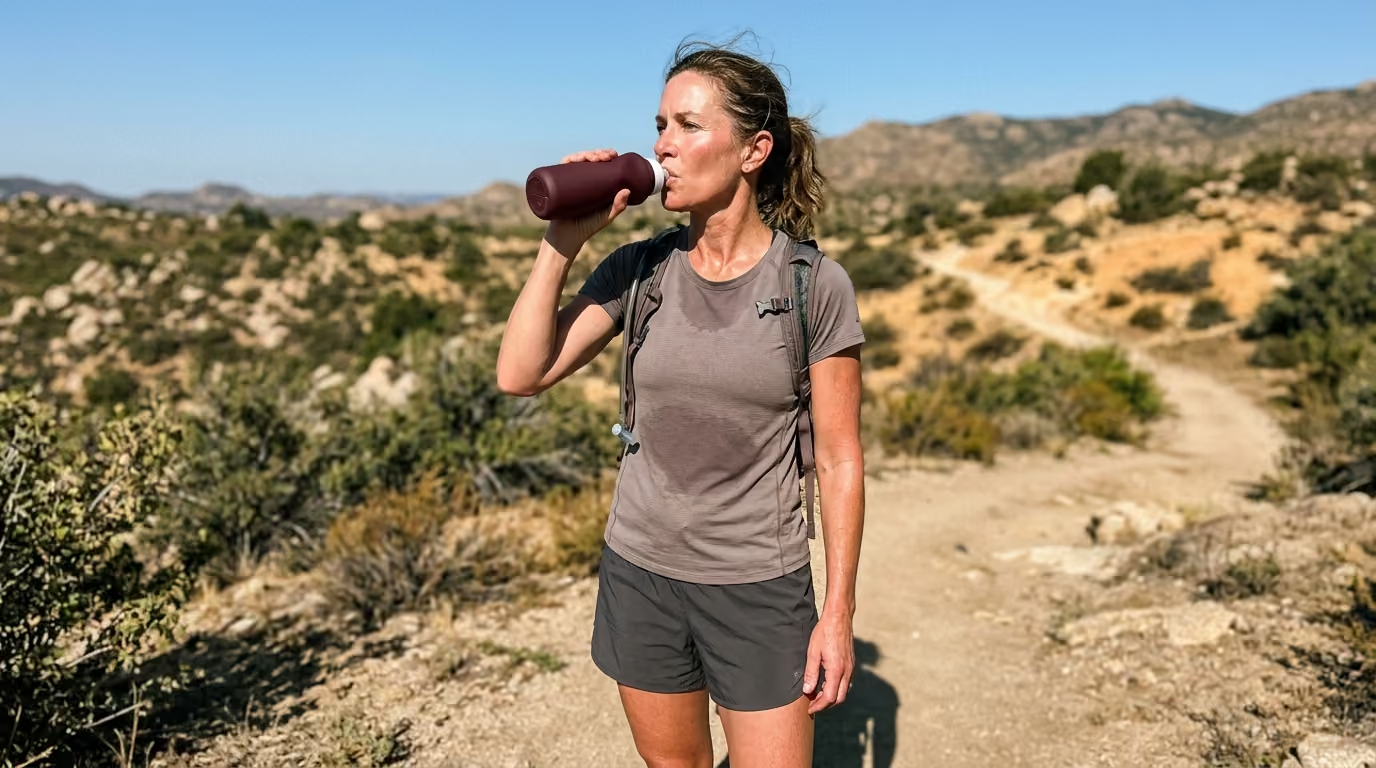

Optimal thermal resilience and performance in high temperatures require progressive cardiovascular acclimatization, precise hydration strategies.





Superior cardiovascular fitness does not protect you from environmental heat stress. In fact, high aerobic capacity often allows motivated athletes to push past initial physiological warning signs, driving core temperature dangerously high before fatigue forces a stop. Many active adults assume that surviving a hot climate is simply a matter of drinking more water. That assumption is not only incomplete, it can be clinically dangerous.
True thermal resilience requires understanding how environmental heat changes exercise physiology before you ever feel exhausted. The primary objective is to sustain physical capability while strictly limiting body temperature accumulation and avoiding severe fluid imbalance. Sports medicine guidelines establish that losing more than two percent of your body weight in fluid during exercise compromises output and increases cardiac strain. At the same time, overcompensating by drinking until you gain weight creates a severe risk of exercise-associated hyponatremia.
Adapting to high temperatures requires a structured approach that integrates environmental monitoring, progressive cardiovascular acclimatization, deliberate pacing, electrolyte precision, active cooling, and protected sleep. When approached with physiological rigor, heat exposure becomes a manageable variable rather than an unpredictable hazard. This guide provides the complete framework for maintaining performance, protecting long-term health, and traveling safely through demanding climates.
To manage high temperatures effectively, you must first separate the environment from your body's internal response. Heat stress represents the external load placed on your system by ambient temperature, relative humidity, solar radiation, wind speed, and clothing. Heat strain represents your body's internal physiological response to that cumulative load. This internal reaction includes rising core temperature, elevated heart rate, increased skin blood flow, sweating, and progressive nervous system fatigue.
During physical exertion, skeletal muscle contractions produce significant internal thermal energy. The body must eliminate this metabolic heat to prevent cellular damage and organ dysfunction. It does this through four basic physical mechanisms: radiation, conduction, convection, and evaporation. In cool conditions, radiation and convection handle the majority of the cooling workload. When ambient temperatures approach or exceed skin temperature, which is roughly 33 degrees Celsius or 91 degrees Fahrenheit, evaporation becomes the only effective mechanism for heat dissipation.
Sweating alone does not cool the body. Cooling only occurs when sweat successfully evaporates from the skin surface into the surrounding air. In high humidity, the air is already saturated with water vapor, which dramatically flattens the evaporative gradient. Sweat simply pools on the skin and drips off without carrying away heat. Under these conditions, core temperature continues to climb rapidly even though you are sweating profusely.
To dissipate heat, your cardiovascular system diverts a large volume of oxygenated blood away from working muscles and toward superficial skin vessels. This creates a significant physiological competition between muscular work and thermal defense. As blood pools in dilated cutaneous vessels, venous return to the heart drops. The heart compensates for this reduced stroke volume by beating faster, a phenomenon known as cardiovascular drift.
This dynamic places considerable strain on your cardiovascular system, especially for adults over 40. Research published in physiological reviews indicates that maximal oxygen uptake drops steadily as thermal strain increases. You are forced to work much harder to sustain a pace that would feel effortless in mild weather. Understanding this physiological reality is the first step toward adjusting your output and protecting your long-term strength and physical performance in demanding environments.
Relying solely on the standard ambient temperature reading on your phone is inadequate for athletic planning. A standard weather forecast measures air temperature in shaded, sheltered conditions. It ignores radiant sunlight, humidity, and airflow. The standard heat index is somewhat better because it combines humidity and temperature, but it was designed primarily for general public warnings rather than athletic exertion.
For outdoor training and adventure, the wet-bulb globe temperature is the gold standard measurement. This comprehensive index uses three distinct inputs: natural wet-bulb temperature to capture humidity and wind, black globe temperature to measure radiant solar energy, and dry-bulb temperature for ambient air. In direct sunlight, wet-bulb temperature accounts for seventy percent of the total calculated value. Radiant globe temperature accounts for twenty percent, and ambient dry-bulb temperature provides just ten percent.
A clear, sunny day with an air temperature of 26 degrees Celsius and eighty percent humidity can produce a severe thermal burden. Conversely, a dry, breezy afternoon at 32 degrees Celsius might present a significantly lower physiological risk. Tracking environmental heat burden rather than raw temperature allows you to make informed decisions before beginning an intense session.
Heat acclimatization describes the biological adaptations that occur when you exercise repeatedly in natural outdoor heat. When these adaptations are generated in an artificial setting, such as an environmental chamber or sauna, the process is termed heat acclimation. Both approaches trigger profound cardiovascular and thermoregulatory improvements that dramatically lower internal physiological strain.
According to travel medicine data from the Centers for Disease Control and Prevention, comprehensive cardiovascular acclimatization requires ten to fourteen days of consistent exposure. These adaptations do not occur while sitting passively in an air-conditioned room. You must generate internal metabolic heat through moderate exercise in the target environment for roughly sixty to ninety minutes daily.
The primary adaptation during the first three days is a rapid expansion of blood plasma volume by ten to fifteen percent. This extra fluid cushions your cardiovascular system against the demands of cutaneous blood flow. Your heart fills more completely, stroke volume increases, and your working heart rate drops significantly at any given workload.
Over the subsequent four to seven days, sweat mechanics undergo a major transformation. Your body begins sweating sooner at a lower core temperature threshold. Sweat glands increase their total output, distributing fluid more evenly across the skin surface to maximize evaporative cooling. By day eight to ten, the kidneys and sweat glands become highly efficient at conserving sodium, reducing the salt concentration of your sweat. By the end of two weeks, resting core temperature drops, skin temperature remains lower during exercise, and thermal tolerance increases substantially.
Building thermal tolerance requires a disciplined, progressive protocol. Attempting high-intensity intervals or exhaustive endurance sessions on your first few days in a hot climate will lead to premature fatigue or heat illness.
Keep your physical exertion light and brief. Schedule sessions during the cooler margins of the day, such as early morning or near sunset. Limit your workouts to thirty to forty-five minutes of steady, low-intensity movement.
Focus entirely on observing your physiological response. Track your resting and working heart rates, monitor your rate of perceived exertion, and pay close attention to coordination and balance. Weigh yourself before and after the session to get an initial sense of your fluid losses. If you experience dizziness, subtle nausea, or a persistent headache, stop immediately and seek shade.
If the opening days were completed without lingering fatigue or gastrointestinal distress, increase exercise duration to forty-five or sixty minutes. Maintain an easy, conversational aerobic pace.
Introduce structured rest intervals into your session. For every fifteen minutes of continuous movement, take three minutes of passive rest in full shade to allow heart rate and skin temperature to stabilize. Drink fluids steadily according to your sweat losses, but do not force large volumes of plain water in an attempt to prevent normal perspiration.
Extend your daily exercise window to sixty or seventy-five minutes. You can now shift your training sessions into slightly warmer periods of the day to increase the environmental stimulus.
Keep your overall effort strictly submaximal. This is the period where plasma volume expands significantly and sweat rates increase. You will notice that you begin sweating almost immediately upon starting your warm-up. Ensure you have unrestricted access to cold fluids and electrolyte solutions throughout the entire duration of the workout.
Begin introducing moderate tempo segments, hill climbs, or sport-specific intervals. Keep these higher-intensity efforts short, lasting between two and four minutes, followed by equal periods of easy recovery.
If your sport requires protective gear or specialized clothing, introduce these items gradually during this phase. Helmets, heavy packs, and technical apparel trap heat close to the skin and severely limit evaporative cooling. Monitor your recovery time between intervals carefully. If your heart rate fails to return to baseline during rest periods, terminate the high-intensity portion of the workout.
At this stage, you have acquired the vast majority of your physiological heat adaptations. You can now complete normal training volumes and moderate intensity sessions in high heat with manageable cardiovascular strain.
Continue to practice active cooling and structured hydration. Do not assume that complete acclimatization makes you immune to heat illness. High humidity, direct sun, poor sleep, or mild dehydration can quickly overcome your thermoregulatory defenses.
Heat adaptation is a transient biological state. If you return to a cool climate or spend several consecutive days resting in air-conditioned environments, these physiological adaptations begin to decay within forty-eight to seventy-two hours. Plasma volume decreases first, followed by a gradual loss of sweat gland sensitivity and sodium conservation efficiency.
After a week away from heat exposure, you will lose roughly half of your physiological adaptations. After three to four weeks, your heat tolerance returns to baseline. When returning to a hot climate after time away, never jump directly back into your peak training volume. Implement a four-day re-entry protocol with reduced duration and deliberate pacing to allow your cardiovascular system to re-adapt safely.
Hydration management in hot weather is widely misunderstood. Many active adults operate under the mistaken belief that they must drink continuously to prevent any loss of body mass. In reality, attempting to replace every drop of sweat during strenuous exercise is counterproductive and potentially hazardous.
The gold standard recommendation from the National Athletic Trainers' Association is to keep total body mass loss under two percent during an exercise bout. For a 75-kilogram individual, a two percent reduction represents roughly 1.5 kilograms of fluid loss. Losing more than this threshold can impair cognitive processing, increase perceived exertion, and elevate core body temperature.
However, drinking so much fluid that you maintain or gain weight during a workout indicates overdrinking. This behavior dilutes the concentration of sodium in your bloodstream, paving the way for exercise-associated hyponatremia. This condition can lead to cellular swelling, confusion, pulmonary congestion, and fatal cerebral edema. Your goal is controlled fluid balance, not zero fluid loss.
You can determine your personal fluid requirements by conducting a simple sweat test during a representative workout in the heat.
Subtract your post-exercise weight from your pre-exercise weight in kilograms. Add the volume of fluid consumed in liters, and subtract any urine passed. The resulting figure represents your hourly sweat rate under those specific conditions.
If you lose 1.0 kilogram of body weight after drinking 0.5 liters of fluid during a one-hour run without urinating, your total sweat loss is 1.5 liters per hour. During subsequent workouts in similar conditions, you should aim to replace roughly sixty to eighty percent of that loss, which equates to 900 to 1200 milliliters per hour, divided into regular intervals every fifteen to twenty minutes.
Sweat is not pure water; it contains key minerals, primarily sodium and chloride, along with smaller quantities of potassium, magnesium, and calcium. Sodium is the primary extracellular electrolyte responsible for maintaining blood volume, regulating osmotic pressure, and supporting nerve transmission.
Sweat sodium concentration varies substantially from person to person, ranging from 400 milligrams to over 1800 milligrams per liter of sweat. Unacclimatized individuals and salty sweaters lose sodium at the higher end of that spectrum. You can identify a high sodium loss by looking for gritty white salt rings on your clothing, persistent stinging in your eyes, or a strong salt taste on your skin.
During sessions lasting less than sixty minutes, plain water is generally sufficient because your dietary intake will restore mineral balance. For workouts or adventures lasting longer than ninety minutes in the heat, proactive sodium replacement is essential.
Sports nutrition research supports a target of 300 to 600 milligrams of sodium per hour for individuals with moderate sweat rates, and up to 800 milligrams per hour for heavy, salty sweaters. You can obtain this sodium from formulated electrolyte beverages, chewable salt tablets, or natural salty foods such as pretzels and salted nuts.
Electrolyte supplementation does not neutralize the thermal burden of the environment. Consuming sodium will not prevent your core temperature from rising if you run too fast in humid heat. Sodium simply helps your body retain the fluids you drink, maintains proper plasma osmolality, and preserves your natural thirst mechanism.
Pre-hydration should begin several hours before you step out into the heat. Drink roughly five to seven milliliters of fluid per kilogram of body weight four hours prior to training. This allows adequate time for fluid absorption and lets your kidneys eliminate any excess volume before you start.
Your urine should be a pale straw color. Forcing large quantities of water right before departure will only cause gastric sloshing and trigger a premature urge to urinate during your workout.
Attempting to maintain your standard road pace, cycling wattage, or gym intensity in high heat is a recipe for rapid cardiovascular fatigue. When the environment limits your ability to dissipate heat, you must adjust your training metrics.
Switch your primary pacing metric from external output, such as minutes per mile or power output, to internal physiological load. Monitor heart rate, rate of perceived exertion, and breathing rhythm. If your target marathon pace normally requires a heart rate of 145 beats per minute in 15-degree weather, maintain that same 145 beats per minute ceiling in 32-degree heat, even if your actual running pace slows by thirty to sixty seconds per kilometer.
Your autonomic nervous system continuously monitors core temperature, skin temperature, and rate of heat storage. When it senses a rapid thermal build-up, it instinctively decreases motor unit recruitment in working skeletal muscles to prevent catastrophic overheating. Fighting this protective mechanism by trying to hit arbitrary pace targets will compromise your session and delay your recovery for days.
Rest intervals must be scheduled proactively rather than taken as an act of desperation when you are already exhausted. In moderate conditions, your body can clear heat during easy movement. In extreme heat, you need complete cessation of work in shaded or air-conditioned spaces to reduce internal thermal accumulation.
Implementing structured work-to-rest blocks preserves the quality of your training while keeping your core temperature within a safe physiological window.
Strategic cooling interventions applied before, during, and after physical activity can meaningfully attenuate thermal strain and improve overall output.
Pre-cooling creates a larger internal thermal heat sink prior to exercise. Consuming an ice slurry or crushed ice beverage twenty to thirty minutes before a hot workout lowers baseline core temperature by a few tenths of a degree. This creates additional thermal headroom before you reach the critical threshold where fatigue sets in.
During your session, active cooling strategies provide both physical and psychological relief. Dousing your head, neck, and forearms with cold water stimulates cutaneous cold receptors, which lowers perceived exertion and central thermal discomfort. Placing crushed ice under a running cap or inside a bandana wrapped around your neck provides sustained conductive cooling near major vascular pathways.
Following exercise, prioritize rapid temperature reduction before focusing on solid nutrition. Remove sweat-saturated clothing immediately, as damp synthetic fabrics in humid environments trap a layer of warm, stagnant air against your skin.
Soaking in a cool bath or applying cold towels across your neck, armpits, and groin rapidly lowers core temperature. This accelerates the restoration of normal parasympathetic tone, allowing your cardiovascular system to begin the recovery process without delay.
Your clothing serves as the interface between your skin and the surrounding atmosphere. In hot conditions, the primary objective of your apparel is to facilitate maximum air circulation and unhindered sweat evaporation while protecting your skin from solar radiation.
Avoid heavy, dark, or restrictive garments that absorb heat and trap moisture. Select loose-fitting, lightweight technical fabrics in white or light pastels that reflect solar rays. Synthetic microfibers such as polyester and polyamide blends pull moisture away from the skin and spread it across a large surface area for faster evaporation.
Ensure your clothing features ventilated mesh panels under the arms, down the spine, and along the sides of the torso to encourage convective airflow as you move. Loose cuts allow a pumping effect with each stride, pulling ambient air across your skin and expelling trapped heat.
Sunburn compromises your body's ability to regulate its temperature. Ultraviolet radiation damages superficial blood vessels and impairs the normal functioning of eccrine sweat glands for days following exposure. A moderate sunburn increases baseline metabolic heat production and raises core temperature during subsequent workouts.
Protecting your skin and eyes reduces overall physiological stress, letting you maintain consistency during demanding travel and adventure itineraries.
Equipment selection requires careful consideration in hot climates. Technical backpacks, hydration vests, and heavy waist packs cover broad surface areas on your back and chest, effectively blocking evaporative cooling across major areas of your torso.
When possible, opt for handheld water bottles, frame-mounted cycling cages, or route designs that allow you to stash fluids along a looped course. If a hydration pack is unavoidable, choose models constructed with suspended open-mesh back panels that maintain an air channel between the pack and your body.
Heavier protective gear, including cycling helmets and trail pads, substantially elevates thermal burden. Select helmets engineered with large forward intake ports and rear exhaust vents to facilitate continuous airflow across your scalp at training speeds.
The relationship between environmental heat and physiological recovery is profoundly shaped by sleep. Strenuous exercise in high temperatures places substantial demands on your nervous and endocrine systems. Restoring homeostasis requires high-quality, uninterrupted sleep.
However, heat exposure itself is a potent disruptor of sleep architecture. Research examining consecutive days of exercise in high temperatures demonstrates significant decreases in total sleep time, reduced slow-wave deep sleep, and a notable increase in wakefulness after sleep onset.
Your body's circadian rhythm relies on a natural drop in core body temperature by roughly 0.5 to 1.0 degree Celsius to initiate and sustain deep sleep. When you train hard in hot weather, especially during late afternoon or evening hours, your internal temperature can remain elevated for hours after your workout ends. This blocks the normal nocturnal temperature drop, delaying sleep onset and fragmenting your sleep cycles.
Poor sleep quickly creates a compounding cycle of fatigue. A single night of fragmented rest impairs executive decision-making, increases your rate of perceived exertion, and alters your autonomic nervous system tone the following day. These deficits make it harder to pace yourself accurately, increasing your risk of acute heat exhaustion. Protecting your recovery and sleep environment is a critical component of successful heat adaptation.
Optimizing your sleeping environment allows your cardiovascular system to fully rest, keeping your resting heart rate low and preparing your body for the next day's physical demands.
Traveling across time zones to take on challenging terrain in unfamiliar climates introduces distinct physiological challenges. Long flights, circadian disruption, irregular meal timing, and variable humidity can all undermine your heat tolerance before your trip even begins.
After a grueling thirty hour transit to Tokyo, I realized my old strategy of just powering through was no longer working. I felt foggy for three days. I started digging into circadian biology and realized that timing my light exposure and fasting during the flight could completely shift my recovery. Now, I never board a long haul flight without a precise schedule for when to eat and when to put on an eye mask. It is the difference between losing a week of your trip and hitting the ground running.
When you land in a hot destination, your primary goal is to synchronize your circadian rhythms while giving your cardiovascular system time to adapt to the climate. Cabin air is exceptionally dry, often maintaining humidity levels below twenty percent. This causes unnoticed respiratory fluid losses that leave you mildly hypohydrated upon arrival.
Do not schedule a hard trail run or demanding cycling route for your first morning in a new country. Use your initial forty-eight hours for light, conversational movement designed to promote blood circulation and encourage circadian alignment without driving up thermal strain. Explore our dedicated resources on travel and human performance to design complete transit protocols for your upcoming adventures.
Acclimatization dynamics vary significantly depending on whether you are navigating a dry desert or a tropical rainforest. Dry desert environments, such as the American Southwest or southern Morocco, feature massive radiant heat loads, high ambient temperatures, and very low humidity. Sweat evaporates instantly, keeping your skin relatively dry.
This rapid evaporation can deceive you into underestimating your total fluid loss. You may not feel sweaty, but your hourly fluid requirements can easily exceed 1.5 liters per hour. In these environments, carrying extensive hydration supplies, broad-spectrum sun protection, and electrolyte solutions is critical.
Tropical environments, such as Southeast Asia or Central America, present the opposite challenge. The air is saturated with moisture, preventing sweat from evaporating effectively. Sweat drips uselessly from your skin, providing no cooling benefit while rapidly depleting your fluid and sodium reserves.
In these humid conditions, you must dramatically reduce your movement speed, take frequent shaded rest breaks, and utilize active cooling methods whenever possible. Understanding these regional distinctions ensures your travel itineraries remain safe and rewarding.
Heat illness exists along a continuous physiological spectrum, ranging from minor, localized muscle cramping to life-threatening exertional heat stroke. Recognizing early warning signs in yourself and your companions is an essential safety skill for active adults.
Heat cramps represent an early warning sign of neuromuscular fatigue and electrolyte imbalance. They present as painful, involuntary muscle spasms, commonly affecting the calves, hamstrings, or abdomen following prolonged exercise.
They are caused by a combination of muscle fatigue, heavy sweating, and large fluid and sodium losses. Treat heat cramps by immediately stopping exercise, moving to a shaded area, gently stretching the affected muscles, and consuming a sodium-rich fluid or snack.
Heat exhaustion occurs when your cardiovascular system can no longer support the competing demands of skin blood flow, muscular work, and central blood pressure. It is characterized by heavy sweating, profound weakness, dizziness, headache, nausea or vomiting, cool and clammy skin, and a rapid, weak pulse. Crucially, an individual with heat exhaustion retains normal cognitive function and awareness.
Exertional heat stroke is a catastrophic medical emergency defined by severe hyperthermia, with a core body temperature typically exceeding 40 degrees Celsius (104 degrees Fahrenheit), accompanied by significant central nervous system dysfunction.
Warning signs include irrational behavior, confusion, slurred speech, emotional agitation, stumbling, seizures, or loss of consciousness. The skin may be hot and dry, or it may be wet with sweat. The absence of dry skin should never be used to rule out heat stroke.
Aggressive cooling must begin immediately on site. Rapid cooling within the first thirty minutes of onset is the single most important factor determining survival and preventing permanent organ damage.
Misinformation regarding heat training and hydration can compromise your safety and undermine your performance. Active adults should evaluate these common assumptions using peer-reviewed physiological evidence.
A common misconception is that high physical fitness makes someone immune to environmental heat illness. While cardiovascular conditioning expands baseline blood volume and improves thermoregulatory efficiency, it does not remove environmental constraints.
In fact, highly conditioned athletes are often at greater risk of exertional heat stroke because their motivation and aerobic capacity allow them to sustain high workloads that generate massive internal heat. Maintaining a humble, objective approach to environmental conditions is essential, regardless of your fitness level.
Another widespread myth is that your urine must be completely clear to ensure optimal hydration. Aiming for completely clear urine throughout the day leads to chronic overdrinking, flushing essential electrolytes out of your system and increasing the risk of dilutional hyponatremia.
A pale straw or light yellow color indicates healthy fluid balance. Furthermore, urine color can be skewed by vitamin supplements, medications, and diet, making it a general guideline rather than an absolute measurement.
Many athletes believe that consuming electrolyte supplements completely shields them from heat exhaustion. While balanced nutrition and metabolism support healthy electrolyte levels, sodium supplements cannot stop your core temperature from rising if you run too fast in hot, humid conditions. Electrolyte tablets are a tool for fluid retention and neuromuscular support, not a replacement for proper pacing, shaded rest breaks, and progressive acclimatization.
Sports medicine organizations, military research groups, and occupational health authorities agree on the core principles of managing heat stress:
Mastering environmental heat adaptation preserves your physical capacity, protects your long-term health, and ensures you remain capable across demanding athletic and travel environments.
Stay connected for research and practical guidance on longevity, strength, recovery, energy and active living. New ideas to help you stay capable, curious and ready for more.


Explore practical guidance on strength, recovery, energy, travel and longevity for a life that stays active.
explore the Blog