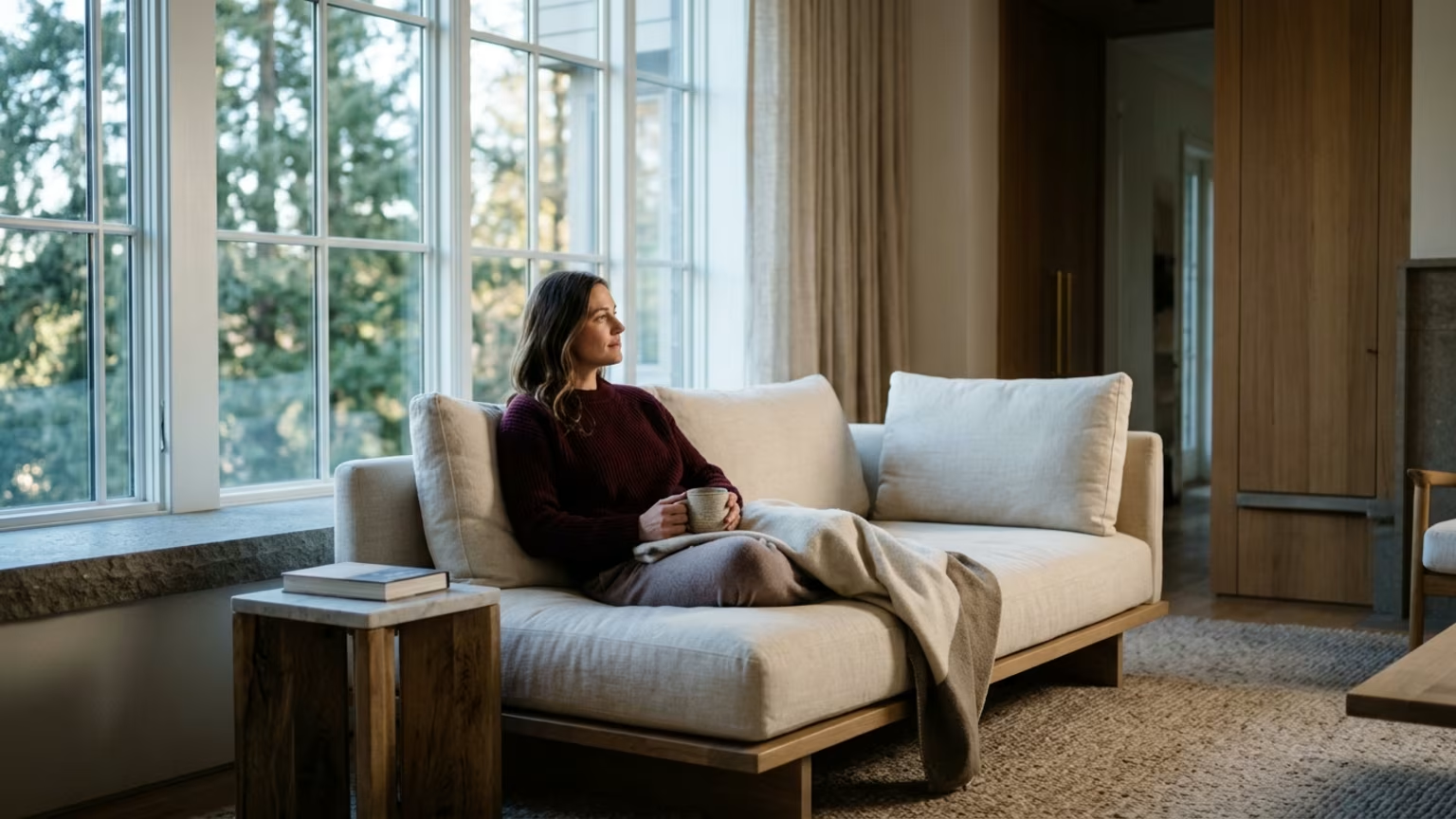
New AIS guidance places everyday habits alongside concussion care, with a practical long-term perspective for active adults over 40.





On October 26, 2026, UNSW published its account of the Australian Institute of Sport (AIS) Promoting Lifelong Brain Health Position Statement. For you as an active adult over 40, its relevance extends beyond competitive sport: brain health belongs in the long-term routine that surrounds your hiking, skiing and travel.
The AIS developed the statement with the UNSW Centre for Healthy Brain Ageing (CHeBA) and Professor Henry Brodaty AO. According to UNSW, it builds on existing concussion work while bringing everyday health choices into the same conversation. The shift is worth your attention because it treats brain health as part of an active life rather than a subject reserved for the aftermath of a head injury.
The statement expands the athlete brain-health discussion to include physical activity and social connection. Lifelong learning also features alongside nutrition and alcohol. Mental health and cardiovascular health complete a broader picture that continues to include concussion and repeated head impacts.
The idea connecting these areas is cognitive reserve. In UNSW’s account, this means the brain’s ability to maintain cognitive function despite changes or damage. AIS Chief Medical Officer Dr David Hughes said physical, cognitive and social engagement throughout life can help support that capacity.
For an active reader, the useful distinction is between a single sporting event and the life surrounding it. Training matters within this framework, but so do relationships and opportunities to keep learning. The statement places these activities within a continuing health perspective rather than treating brain health as a separate project.
That makes the news relevant even if you have never considered yourself an athlete. You may simply want to keep enjoying demanding holidays and the sports that give your year its rhythm. This connects with the broader goal of maintaining independence through midlife and beyond, rather than measuring success only through sporting performance.
Hughes described concussion and repeated head impacts as important to brain health in sport but “not the whole story.” According to UNSW, he presented the guidelines as a way to give athletes agency through lifestyle decisions during and after their sporting careers.
That is an important choice of emphasis. The athlete’s agenda extends beyond the years of formal competition. For an active adult, the same perspective invites a longer view of the habits that accompany sport across different stages of life.
Brodaty highlighted physical activity and a Mediterranean-style diet among the factors relevant to brain health. He also pointed to blood-pressure control and addressing depression. Avoiding smoking and excess alcohol featured alongside preventing or treating diabetes.
Taken together, these expert perspectives place ordinary health matters beside sporting ones. A demanding training calendar is one part of the picture. The wider conversation also includes how someone eats and stays connected, along with health concerns that deserve professional attention.
Personal agency and responsibility within sport should remain distinct. A useful reading of the statement is that athletes have meaningful choices while still being entitled to expect serious attention to head-injury prevention. Both belong in a credible discussion of lifelong brain health.
The UNSW account provides no quantified benefit or trial result, and it does not establish that following the guidance prevents dementia in an individual athlete. It also offers no travel-specific precautions or protocol for travel recovery, altitude adjustment or sustained energy during sport. Lifestyle habits should not be interpreted as erasing the effects of concussion or repeated head impacts.
Applied to skiing holidays and long walking trips, the practical value is therefore in the planning horizon. Think about the routine surrounding your adventures rather than looking for a departure-week intervention. The following applications translate the statement’s broad priorities into ordinary life; they are not a tested travel program.
Physical activity is already part of the AIS framework. The simplest application is to give an activity you enjoy a continuing place in your routine. There is no need to turn the announcement into another elaborate training project.
A familiar walk is one possible expression of that principle. So is maintaining an established sporting interest as your calendar changes. These are examples of how physical activity might fit into everyday life, rather than additional performance targets drawn from the statement.
For travel planning, the useful question is whether familiar movement remains part of your week. That keeps the focus on continuity instead of adding a demanding new session simply because brain health is receiving attention. It is a modest planning choice rather than a complete overhaul.
For mountain trips, this perspective sits alongside considering the physical demands of the terrain. The brain-health announcement adds a longer horizon to that conversation: the active life you hope to keep enjoying across many future trips.
Social connection is an explicit part of the statement. A practical starting point is to consider whether an activity you already enjoy could sometimes include other people. A shared walk is a simple example that brings movement and conversation into the same occasion.
This need not become a second schedule to manage. The action is to make room for companionship within something that already belongs in your life. A sporting interest can be approached as a social occasion as well as a physical one.
Lifelong learning deserves its own place rather than becoming another performance score. The practical question is what you would genuinely like to keep learning. That might involve a sporting skill or an interest unrelated to exercise.
These examples reflect the statement’s combination of physical, cognitive and social engagement. Their appeal is their fit with an active life. The aim is to keep those areas visible rather than reduce brain health to the number of training sessions completed.
The cardiovascular and mental-health elements may be less visible than a training session, but they are explicit parts of the guidance described by UNSW. Brodaty’s emphasis brings blood pressure and diabetes into the discussion alongside depression and everyday habits.
The practical action is to bring relevant concerns into a conversation with a qualified health professional. Personal decisions about these conditions belong in appropriate care. They should not be translated from a news article into an individual treatment plan.
The same measured approach applies to nutrition. Brodaty identified a Mediterranean-style diet as relevant to brain health. For this briefing, the useful takeaway is to keep nutrition within the overall health conversation rather than construct a detailed dietary protocol from the announcement.
For someone with a busy travel calendar, this is a reminder to give routine health matters a place alongside sporting preparation. The emphasis is continuity: the trip belongs within your wider life rather than temporarily becoming the only health priority that counts.
According to UNSW, the AIS’s existing Concussion and Brain Health Position Statement provides concussion advice and return-to-sport guidance. It serves athletes and coaches as well as parents and health practitioners across elite, community and youth sport.
The lifelong-health statement complements that existing work. This distinction gives the broader message a practical boundary: everyday health planning and decisions about a head injury are separate conversations that both deserve attention.
Keep personal questions about a head injury or returning to sport with qualified care. A professional overview of sports-related concussion can provide background for that discussion.
For a reader who values independence, the principle is straightforward. Staying engaged in sport includes taking its safety responsibilities seriously. A broad view of brain health should add depth to that commitment rather than distract from it.
Make brain health part of your continuing active-life routine, with familiar movement and connection alongside appropriate health care and sustained attention to concussion safety.
Stay connected for research and practical guidance on longevity, strength, recovery, energy and active living. New ideas to help you stay capable, curious and ready for more.




Explore practical guidance on strength, recovery, energy, travel and longevity for a life that stays active.
explore the Blog